
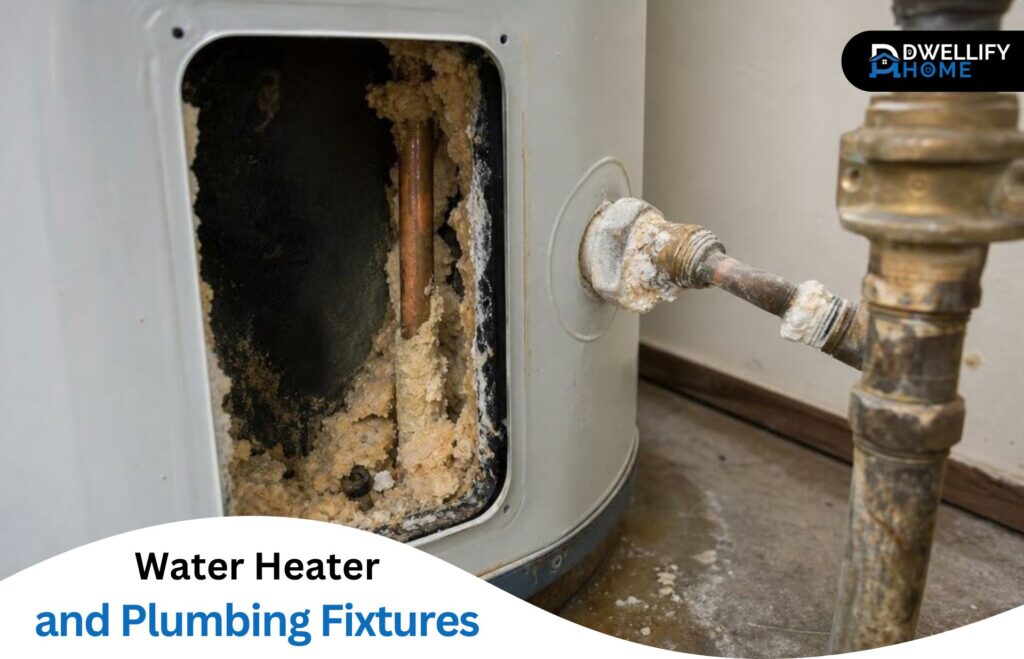
Phoenix Valley homeowners deal with some of the hardest water in the country. That mineral-heavy water runs through household pipes every day, and most people never notice the trouble until a water heater fails early or a faucet stops working properly. Hard water leaves behind calcium and magnesium deposits that quietly accumulate inside plumbing over time. Penguin Air, Plumbing & Electrical, a Phoenix-based home services company founded in 2011 and serving more than a dozen Valley cities, has documented this problem across thousands of homes in the region.
What Hard Water Actually Is in the Phoenix Context
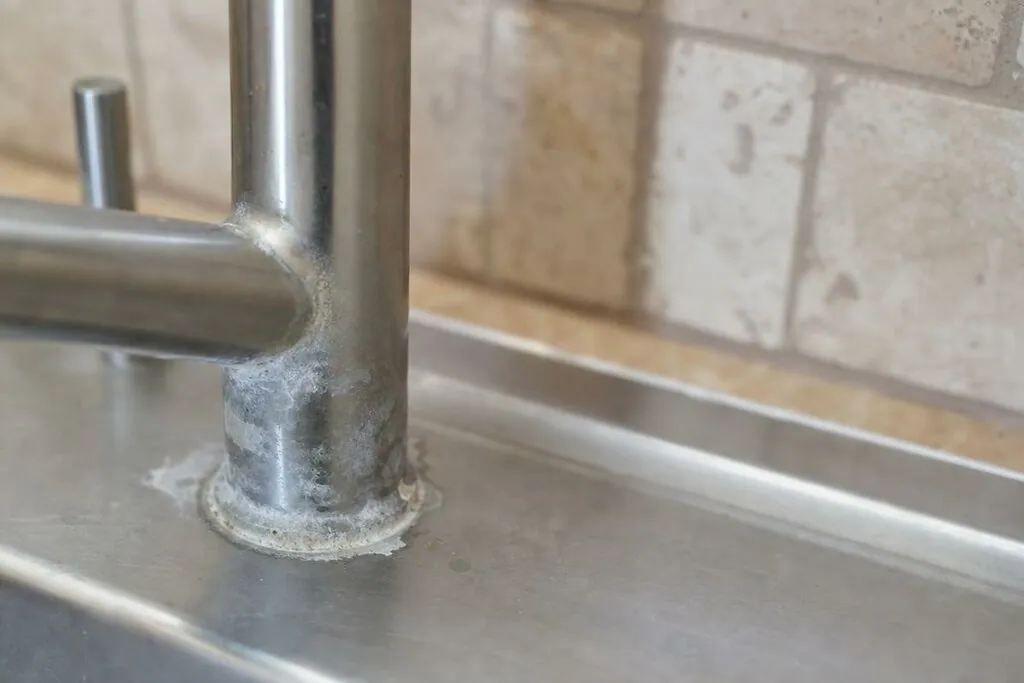
Phoenix tap water typically measures between 200 and 300 parts per million of hardness. The U.S. Geological Survey classifies anything above 180 ppm as “very hard,” and Phoenix almost always clears that threshold by a wide margin. Soft water sits below 60 ppm, meaning most of the Valley runs at more than triple the “very hard” line. That is why limescale accumulation here is faster and more aggressive than in most of the country. The white, crusty residue around faucets and showerheads is the visible tip of a much bigger problem hiding inside pipes and water heaters.
What Makes Phoenix Water So Hard?
The Greater Phoenix area draws tap water from two main sources: the Colorado River through the Central Arizona Project canal and the Salt River watershed draining through the Tonto National Forest. The CAP canal stretches over 330 miles through the Sonoran Desert, flowing across limestone and dolomite formations and picking up dissolved calcium and magnesium carbonate compounds. These minerals survive the treatment process completely intact because water treatment plants are built to remove bacteria and sediment, not dissolved minerals. Calcium and magnesium ions pass through standard filtration and chlorination, arriving at the tap just as hard as when they left the source.
CAP water tends to run harder than Salt River water. Treatment facilities blend the two sources throughout the year, so hardness at the tap can shift noticeably from summer to winter. Many Valley utilities publish annual water quality reports for each delivery zone for homeowners who want to confirm their exact hardness number.
Hard Water Is Slowly Damaging Phoenix Plumbing
Calcium and magnesium deposits form silently inside pipes, water heaters, and fixtures over months and years. Inside a tank water heater, scale settles to the bottom and forms an insulating crust over the burner or heating element, forcing the unit to work harder for the same amount of hot water. This drives up energy bills and stresses the tank until it fails years early. In Valley homes, it is common to see ten-year-rated tanks give out at six or seven years.
How to Protect a Water Heater and Plumbing From Hard Water Damage
Flush the Water Heater Once a Year
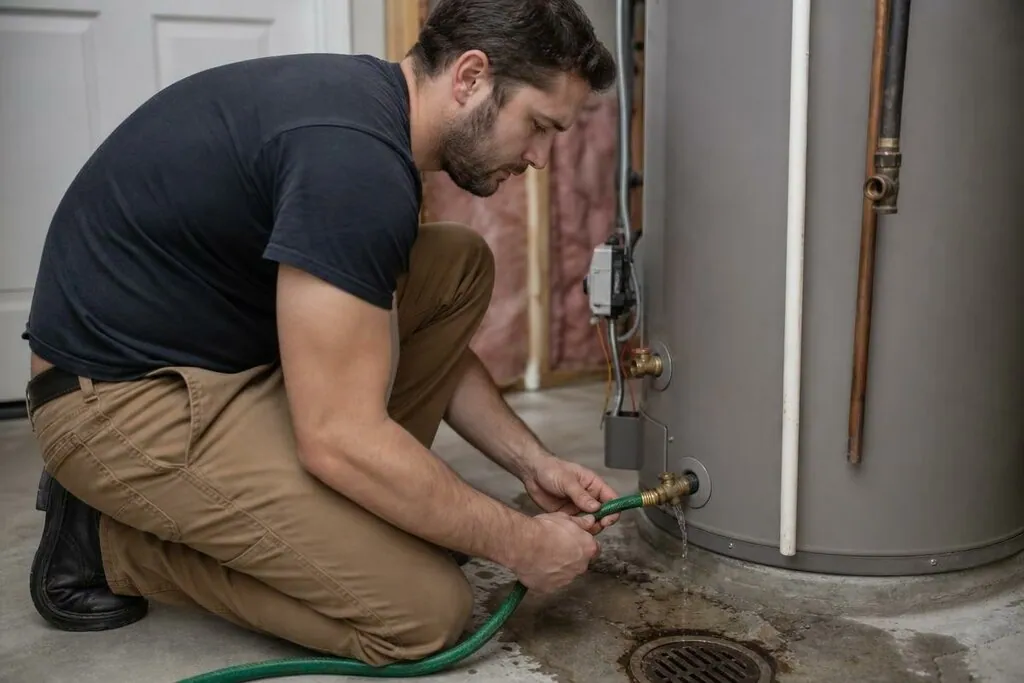
Annual flushing removes loose sediment before it compresses into a hardened layer at the tank bottom. The process involves shutting off the heater, connecting a garden hose to the drain valve, and draining until the water runs clear. Anode rods in Valley water heaters deplete faster than manufacturer schedules suggest, so inspection every two to three years is the appropriate interval. The rod should be replaced when it is more than 50 percent depleted. On units more than eight to ten years old, corroded drain valves can fail mid-drain, so a licensed plumber should handle the job.
Consider a Whole-Home Water Softener
A whole-home ion exchange water softener replaces calcium and magnesium ions with sodium ions before water reaches any pipe, fixture, or appliance, eliminating scale formation at the source. Professional sizing matters because a softener must be matched to household daily water demand and local hardness levels. An undersized softener regenerates constantly and wears out early; an oversized one wastes salt and water. Water softener installation from Penguin Air, Plumbing & Electrical ensures the unit is sized correctly for Phoenix hardness levels.
Install a Tankless Water Heater
Tankless water heaters eliminate the primary mechanism by which hard water damage accumulates. With no standing water in a tank, no sediment layer forms at the bottom. Periodic descaling with citric acid or a vinegar flush keeps the heat exchanger clear. In Valley conditions, a properly maintained tankless unit can outlast a traditional tank heater by five to ten years.
Frequently Asked Questions
How hard is Phoenix water compared to the rest of the country?
Phoenix tap water typically measures between 200 and 300 ppm of hardness. The U.S. Geological Survey classifies anything above 180 ppm as “very hard,” and most Valley cities clear that line by a significant margin. For context, soft water sits below 60 ppm, meaning Phoenix households routinely receive water at more than triple the threshold for very hard classification.
Why does hard water damage water heaters faster in Phoenix than in other cities?
Scale accumulates at a rate proportional to water hardness. Because Phoenix water is among the hardest in the country, sediment builds up inside tank water heaters faster than manufacturer lifespan estimates account for. The insulating crust that forms over the burner or heating element forces the unit to run longer cycles, stressing the tank and shortening its functional life. Ten-year-rated tanks failing at six or seven years is a recognized pattern across the Valley.
Does a whole-home water softener actually prevent plumbing damage?
Yes, when properly sized and installed. An ion exchange softener removes calcium and magnesium before water reaches any fixture or appliance, stopping scale formation at the source. Sizing matters significantly in Phoenix because local hardness levels run far above the factory defaults on many mass-market units. An undersized softener regenerates too frequently and wears out early; an oversized one wastes salt and water on each cycle.
Are tankless water heaters a better choice for Phoenix homes?
In hard-water environments, tankless units have a meaningful advantage: with no standing water in a reservoir, no sediment layer accumulates at the bottom. Periodic descaling keeps the heat exchanger clear, and a well-maintained tankless unit can outlast a traditional tank by five to ten years under Valley conditions. The tradeoff is higher upfront installation cost and the need for regular descaling maintenance.
How often should a water heater anode rod be inspected in Phoenix?
In most parts of the country, manufacturers recommend anode rod inspection every four to five years. In Phoenix, where water hardness accelerates rod depletion, a two-to-three-year inspection interval is more appropriate. The rod should be replaced once it is more than 50 percent depleted. Skipping this step is one of the most common reasons tank water heaters in the Valley fail well before their rated lifespan.
About Penguin Air, Plumbing & Electrical
Penguin Air, Plumbing & Electrical is a BBB-accredited home services company founded in 2011 and based in Phoenix, AZ. The company holds a BBB A+ Rating, has maintained accreditation since its founding year, and has been recognized with a Business Ethics Award. Its plumbing team serves residential and commercial customers across Maricopa County, covering water heater installations and replacements, water softener installation, and pipe repair, with maintenance intervals tailored to the Valley’s aggressive hard water conditions.
Business Name: Penguin Air, Plumbing & Electrical
Address: 3710 E University Dr # 1, Phoenix, AZ 85034
Phone Number: (480) 525-5400
For more useful tips, ideas, and home-related guides, continue exploring Dwellifyhome.com. This article may include affiliate links or paid sponsorship links. If you decide to buy something through these links, we may receive a small commission at no additional cost to you. The author is solely responsible for the opinions expressed, which may differ from the official views of Dwellifyhome.com.