Moving between floors should feel effortless in a home built for comfort, yet stairs quietly limit how a residence works for the people living in it. Well-engineered home lifts change that, restoring access to every level while adding an architectural feature that suits the surrounding interior. The distance between an ordinary installation and a premium one shows up in the details, from how carefully the site is assessed to how the equipment behaves five years on. Luxury Home Elevator built its practice around those details, treating each project as part of the house rather than an accessory bolted onto it.
Design Consultation That Begins With the Property
Every residence imposes its own constraints, from joist layout and ceiling depth to the position of plumbing runs and electrical panels. Luxury Home Elevator opens each project with a detailed site evaluation that records those conditions before any equipment is proposed. Measurements confirm whether an existing closet stack, stairwell void, or planned addition offers the cleanest vertical path, and structural notes flag anything that needs reinforcement. That work at the front end prevents the costly revisions that follow decisions made from floor plans alone.
Equipment Chosen for Long-Term Reliability
Premium results depend on components engineered for continuous household use rather than occasional operation. Drive assemblies, controllers, door operators, and safety interlocks come from manufacturers with established service records and parts availability measured in decades. Load ratings are matched to realistic demand, including mobility devices and luggage, so the system never runs at the edge of its capacity. Equipment specified on those terms holds its performance long after a new installation stops feeling new.
Choosing a Drive System for the Home
No single drive type suits every property, and the choice affects noise, pit depth, machine space, and ride quality. The hydraulic home elevators by Luxury Home Elevator deliver smooth, quiet travel with generous load capacity, a frequent choice where a separate equipment closet is available. Traction and chain-drive alternatives suit homes with tighter footprints. We weigh each option against the structure, the household’s expected use, and local code before recommending a direction.
Cab Finishes That Match the Interior
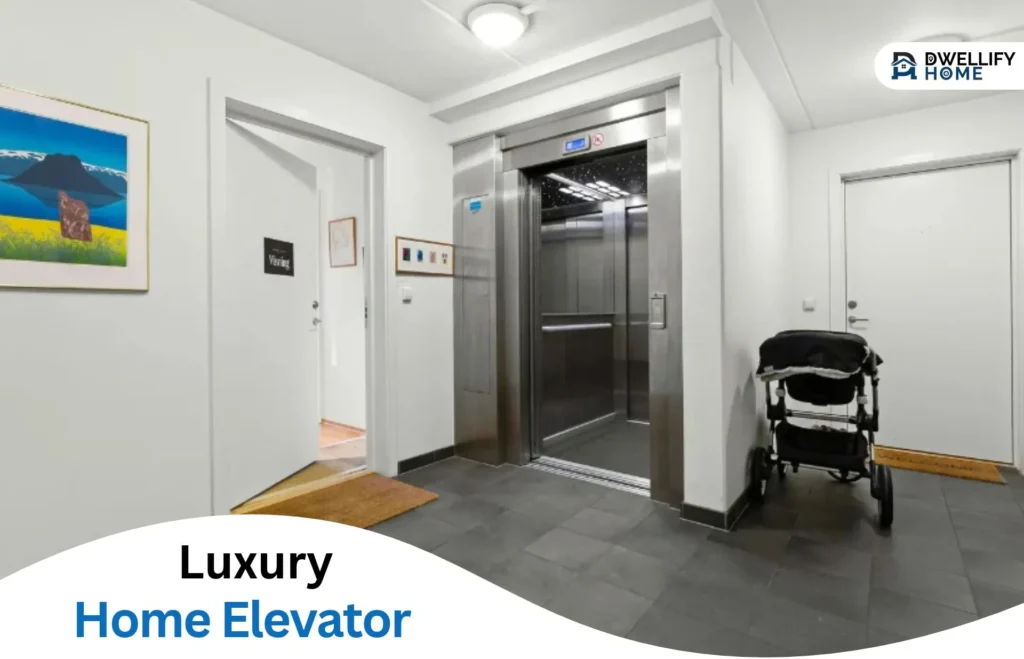
A residential cab sits inside finished living space, so its materials have to stand up to the woodwork, flooring, and hardware already in place. Luxury Home Elevator offers hardwood panels, glass enclosures, custom gates, and lighting schemes that can be specified alongside a designer or builder. Handrails, control panels, and flooring are chosen as a coordinated set rather than assembled piecemeal, which keeps proportions correct inside a compact space. The finished result reads as part of the architecture instead of a utility installed after the fact.
Installation Managed Under One Accountable Team
Coordination failures cause most delays on residential lift projects, particularly when framing, electrical, and equipment crews answer to different companies. A single project manager keeps shaft construction, wiring, delivery, and final assembly on one schedule, with each trade briefed on the tolerances the equipment demands. Inspections are arranged within that sequence instead of being treated as an afterthought. Homeowners deal with one point of contact from first measurement through final walkthrough.
Service That Continues After Commissioning
Mechanical systems in daily use need scheduled attention, and a documented maintenance record protects both safety and resale value. Luxury Home Elevator provides planned visits covering cable and chain tension, fluid condition, door interlocks, emergency communication, and battery backup. Technicians record each inspection so the history remains available for future work or a sale. Prompt response to service calls keeps minor adjustments from becoming failures that take a lift out of use for weeks.
Conclusion
Premium residential access is the product of careful assessment, well-chosen components, finishes that respect the interior, and service that continues long after installation day. Each of those elements depends on professional judgment applied to a specific property rather than a standard package applied to every job. Houses fitted this way gain a level of convenience and independence that stairs cannot provide, along with equipment that keeps performing quietly through years of ordinary use. Planning carefully at the start is what makes that outcome routine rather than exceptional.
For transparency, certain links on this page may involve affiliate marketing or paid promotional partnerships. Dwellifyhome.com may receive compensation through these relationships, helping support the continued operation of our website.