Omaha homeowners deal with one of the most demanding weather climates in the Midwest. From spring hailstorms and tornado-season winds to winter ice dams and freeze-thaw cycles, the roof above your head takes a beating every single season. And the trouble is, most of that wear builds quietly — out of sight, above the ceiling, until one day it isn’t.
That’s exactly why scheduled roof inspections aren’t just a good idea — they’re one of the most practical decisions a homeowner can make.
Working with a trusted local contractor like Turtle Roofing gives you more than just a visual checkup. It gives you documented knowledge of your roof’s actual condition, so you’re never caught off guard by damage that’s been growing for months.
So how often should you schedule a roof inspection in Omaha, NE? There’s no single answer that fits every home, but this guide breaks it down clearly based on season, roof age, material, and warning signs.
Why Roof Inspections Matter in Omaha
Omaha’s climate creates unique challenges for residential roofing systems.
Roofs here face a full range of seasonal stressors — and unlike more temperate regions, there’s barely a quiet stretch on the calendar. What makes Omaha particularly tough on roofing materials is the combination of extremes: summer UV heat expansion followed by deep winter contractions, then spring storms that hammer whatever gaps those cycles opened up.
Throughout the year, local roofs are exposed to:
- Severe thunderstorms
- Hail damage
- High winds
- Tornado threats
- Snow and ice accumulation
- Freeze-thaw cycles
- Heavy rain
- UV exposure during summer
These conditions don’t always leave obvious marks right away. Damage accumulates gradually, and by the time it’s visible from the ground, the repair bill is usually much larger than it needed to be.
The Purpose of a Roof Inspection
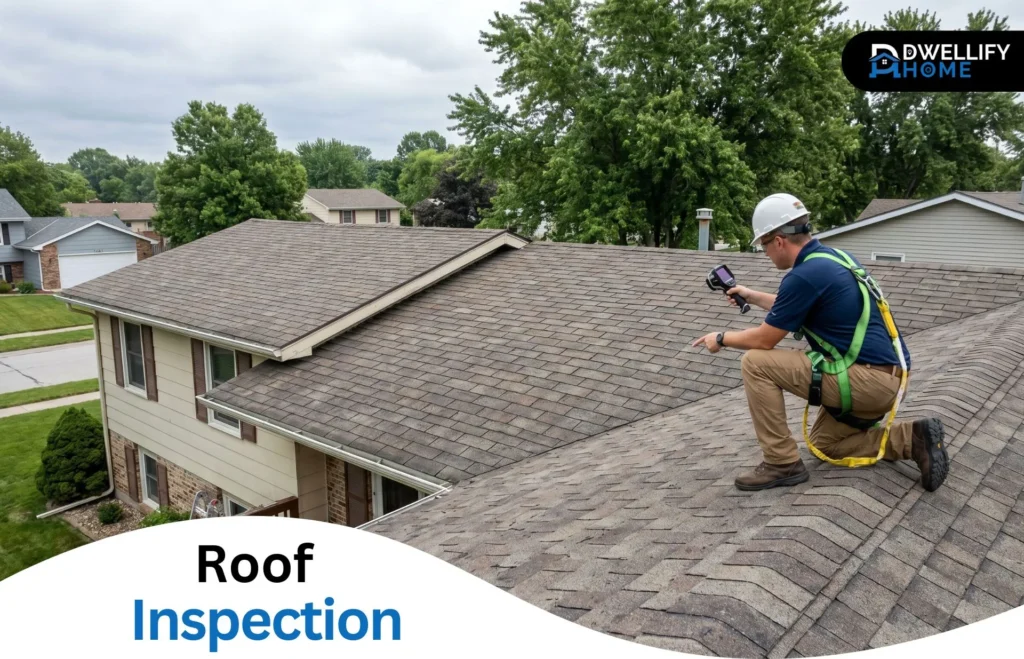
A roof inspection is a professional evaluation of the roof’s condition, designed to identify damage, wear and tear, structural concerns, moisture intrusion, drainage issues, and potential future problems.
This isn’t the same as someone walking around the yard and glancing upward. A proper inspection covers both exterior surfaces and interior components — including attic spaces where moisture problems often show up first.
The goal is straightforward: extend roof lifespan, improve home safety, and reduce long-term repair costs by catching small issues before they compound.
General Recommendation: How Often Should Roofs Be Inspected?
For most Omaha homeowners, roofing professionals recommend at least one professional inspection per year. However, given Omaha’s severe weather patterns, two inspections annually — one in spring and one in fall — is often the more practical standard. Post-storm evaluations should be added on top of that whenever a significant weather event occurs.
Many homeowners choose:
- Spring inspections (after winter stress)
- Fall inspections (before cold weather sets in)
- Post-storm inspections (after hail, wind, or ice events)
These three checkpoints cover the roofing calendar well for most Omaha properties.
Why Annual Roof Inspections Are Important
Even when a roof looks fine from the street, hidden damage may already be developing. Annual inspections catch early-stage problems — like minor flashing separation or the beginning of granule loss — before they progress into leaks, deck rot, or interior water damage.
Inspectors commonly find:
- Loose or cracked shingles
- Flashing pulling away from chimneys or vents
- Small leaks that haven’t reached the ceiling yet
- Granule buildup in gutters (a sign of shingle wear)
- Ventilation issues causing moisture buildup
- Early structural fatigue
Catching any one of these early typically costs far less than addressing it after the damage has spread.
Spring Roof Inspections: Why They Matter
Spring inspections are the first chance to assess what winter actually did to your roof. They’re valuable because cold-season damage is often subtle — a slightly lifted shingle, a small ice dam crack — and spring storms will quickly exploit any weakness that wasn’t repaired.
Winter Can Be Hard on Roofs
During winter, roofs are exposed to snow accumulation, ice dams, freezing temperatures, freeze-thaw cycles, and high winds. These conditions may weaken roofing materials and create hidden vulnerabilities.
What Spring Inspections Look For
Roofing professionals often inspect for missing shingles, water damage beneath the surface, flashing separation, gutter damage from ice weight, roof sagging, and moisture intrusion in the attic. Identifying these issues in early spring gives homeowners a window to make repairs before the stormy season picks up again.
Fall Roof Inspections: Preparing for Winter
Fall is the right time to repair anything compromised before snow and ice make conditions worse. A roof that enters winter with damaged flashing or loose shingles is likely to develop leaks — and winter leaks are harder, slower, and more expensive to address than fall repairs.
Why Fall Inspections Are Important
Existing roofing problems don’t stay stable under winter conditions — they worsen. Scheduling an inspection before cold weather arrives allows homeowners to repair leaks, replace damaged shingles, improve drainage, secure flashing, and prepare the system for snow and ice loads.
Preventing Winter Roofing Problems
Fall maintenance may help reduce ice dam formation, water intrusion behind fascia boards, structural stress from trapped moisture, and the need for emergency winter repairs. Preventing those issues is almost always cheaper than responding to them mid-January.
Schedule Inspections After Severe Storms
After any significant storm — hail, high winds, heavy rain, or ice — schedule an inspection even if you don’t see obvious damage. Some storm-related problems don’t create visible leaks for weeks or months, but they allow water to infiltrate incrementally and cause structural damage before you realize what’s happening.
Storms That May Require Immediate Inspection Include:
- Hailstorms
- Windstorms
- Tornadoes
- Heavy rainstorms
- Ice storms
Why Post-Storm Inspections Matter
Lifted shingles, granule loss, subtle flashing damage, and hidden micro-fractures are all common after storms and rarely visible from the ground. Professional inspectors know what to look for and can document it — which also matters when filing insurance claims.
Roof Age Affects Inspection Frequency
Older roofs need more frequent evaluations simply because the materials are more vulnerable to stress. A 5-year-old roof and a 20-year-old roof respond very differently to the same hailstorm.
Newer Roofs
Newer roofing systems in good condition may only require annual inspections and post-storm evaluations. There’s less accumulated wear, so problems are less likely to compound quickly.
Older Roofs
Roofs over 15–20 years old may benefit from twice-yearly inspections, more frequent monitoring after weather events, and additional preventative maintenance between seasons. Aging shingles, older flashing, and worn sealants all lose their resilience over time.
Roofing Material Also Matters
Different roofing materials age differently and require varying maintenance schedules.
Asphalt Shingle Roofs
Asphalt shingles are the most common roofing material in Omaha and typically require annual inspections and frequent storm checks. They’re prone to cracking, curling, and granule loss — especially in climates with wide temperature swings.
Metal Roofs
Metal roofs are highly durable but still require inspections for loose fasteners, early rust development, sealant wear around penetrations, and flashing integrity. They’re lower maintenance overall, but not maintenance-free.
Tile and Slate Roofs
Tile and slate roofs may last longer than asphalt, but they should still be inspected for cracks, moisture intrusion beneath tiles, and structural shifting — especially after storm events.
Warning Signs You Need a Roof Inspection Immediately
Homeowners should schedule an inspection right away if they notice:
- Water stains appearing on ceilings or walls
- Dripping water after rain
- Missing or visibly damaged shingles
- Mold growth in attic spaces
- Granules collecting in gutters
- Sagging areas along the roofline
- Unexplained increases in energy bills
- Drafts in upper-floor rooms or the attic
- Visible damage after a storm
These aren’t warning signs to monitor — they’re signs to act on the same week.
What Happens During a Professional Roof Inspection?
A professional roofing inspection is more detailed than a basic visual check.
Exterior Roof Inspection
Roofing contractors inspect shingles, flashing, roof valleys, chimneys, skylights, gutters, and all roof penetrations. They’re looking for wear patterns, physical damage, and spots where water could be entering or pooling.
Interior Inspection
Roofing professionals may also inspect attic spaces, insulation condition, ventilation systems, water stain patterns, mold growth, and structural components. Interior findings often reveal issues that aren’t visible from the roof surface at all.
The Importance of Attic Ventilation
Poor attic ventilation is one of the most common — and most overlooked — contributors to premature roof failure. It traps heat and moisture, which degrades shingles from underneath and creates the conditions needed for ice dams and mold growth.
Poor Ventilation Can Cause:
- Moisture buildup beneath the roof deck
- Mold and mildew growth
- Ice dam formation along eaves
- Accelerated shingle deterioration
- Higher utility bills year-round
Roof inspections often include ventilation assessments to confirm that airflow is moving correctly through the system.
Roof Inspections Help Extend Roof Lifespan
Routine inspections and maintenance can meaningfully extend the life of a roofing system — often by years.
How Inspections Prevent Premature Failure
By identifying small leaks, weak flashing connections, damaged shingles, and drainage issues early, homeowners can address minor problems before they compromise the decking, the structure, or the home’s interior. A roof that’s regularly maintained simply lasts longer.
Roof Inspections Improve Energy Efficiency
Damaged roofing systems may reduce home energy efficiency in ways homeowners don’t immediately connect to the roof.
Roofing Problems Can Lead To:
- Heat loss through gaps and cracks
- Air leaks around penetrations
- Poor insulation performance from moisture intrusion
- Excess indoor humidity
These issues raise heating and cooling costs across every season.
Inspections Can Identify Efficiency Problems
Roofing contractors may recommend ventilation improvements, insulation upgrades, and sealing of vulnerable areas. These adjustments help reduce energy consumption and often pay for themselves within a season or two.
Roof Inspections Can Save Money
Some homeowners skip inspections to avoid spending money, but the math rarely works in their favor. Preventative maintenance consistently costs less than reactive repairs.
Inspections Help Prevent:
- Emergency repair call-outs
- Water damage restoration
- Mold remediation costs
- Structural repair expenses
- Early roof replacement
Catching a $200 flashing issue before it becomes a $4,000 water damage repair is exactly what routine inspections are designed to do.
Insurance Benefits of Roof Inspections
Regular roof inspections can also support homeowners insurance claims — particularly after storm events.
Inspection Reports Provide Documentation
Professional inspection reports may help document storm damage clearly, support insurance claims with evidence, verify roof condition before and after weather events, and simplify the approval process for repairs. Insurance companies respond better to documented maintenance history than to damage reported with no prior records.
DIY Roof Inspections vs. Professional Inspections
Homeowners can perform basic visual checks safely from the ground. Look for missing shingles, debris accumulation, sagging areas, gutter problems, and visible damage after storms.
That kind of awareness is useful — it tells you when something is clearly wrong. But it’s not a substitute for a professional evaluation.
Why Professional Inspections Are Better
Roofing professionals can identify hidden leaks, soft or compromised roof decking, structural concerns, flashing failures, and ventilation problems that a ground-level visual simply can’t detect. They also have the proper safety equipment to do the work without risk.
Common Roofing Problems Found During Omaha Inspections
Roof inspections often uncover wind damage, hail impacts, ice dam deterioration, moisture intrusion, flashing deterioration at joints and edges, granule loss across shingle surfaces, and drainage issues along gutters and valleys. Early identification prevents these problems from becoming more severe.
How Weather Impacts Omaha Roofs Year-Round
Each season creates different roofing challenges.
Winter — Snow load, ice dams, freeze-thaw damage
Spring — Heavy rain, windstorms, tornado threats
Summer — UV exposure, heat-driven expansion, thunderstorms
Fall — Debris buildup, drainage problems, preparation for winter
Because roofs face constant environmental stress throughout all four seasons, regular inspections remain essential year-round.
Choosing the Right Roofing Contractor
When scheduling inspections, homeowners should look for licensed contractors, local Omaha experience, proper insurance coverage, positive customer reviews, detailed written inspection reports, and clear communication about findings and recommendations.
Experienced local contractors understand the specific weather challenges Omaha roofs face — and that local knowledge matters when assessing storm damage or evaluating material wear specific to this climate.
Preventative Roof Maintenance Tips
In addition to inspections, homeowners should clean gutters regularly, remove roof debris after storms, trim tree branches that overhang the roof, address any leaks immediately, monitor attic moisture levels seasonally, and replace damaged shingles without delay.
These habits preserve roof performance between professional evaluations and reduce the likelihood of problems escalating quietly.
Final Thoughts
So, how often should you schedule a roof inspection in Omaha, NE? For most homeowners, at least one professional inspection per year is the baseline — with fall and spring evaluations strongly recommended, and post-storm checkups added whenever the weather warrants it.
Omaha’s climate doesn’t give roofs much of a break. Between hail seasons, ice cycles, and summer heat stress, the wear builds steadily whether you’re watching for it or not. Routine inspections are the practical way to stay ahead of that wear, protect your home’s value, and avoid the kind of repair costs that come from problems left unaddressed too long.
Scheduling regular professional evaluations and handling small issues early is one of the most cost-effective things an Omaha homeowner can do — for the roof, and for the home beneath it.
Thanks for reading! A quick heads-up — this article may contain affiliate or sponsored links. If you click and make a purchase, we may receive a small commission that helps keep our content going. The thoughts and recommendations in this post are the author’s own and don’t reflect the official stance of Dwellifyhome.com.