
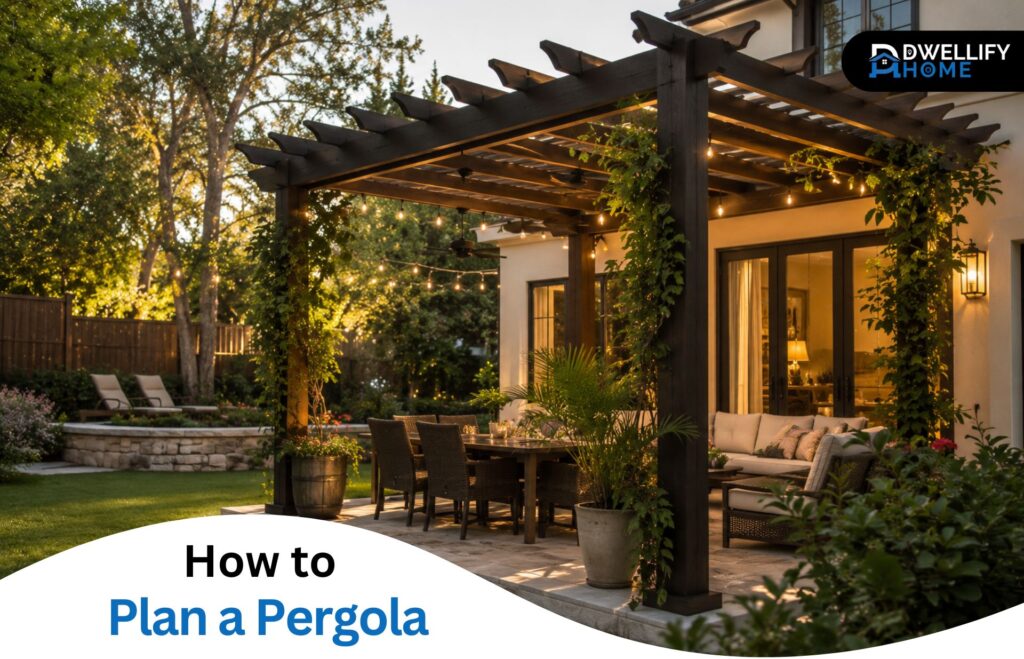
A pergola can turn an ordinary patio, deck, or unused corner of a yard into an outdoor space that feels intentional. It can create shade, define a seating area, add architectural interest, and make a backyard more inviting without enclosing it completely.
But a successful pergola project starts with more than simply choosing a design you like. The structure needs to work with the size of the yard, the existing home, the way the space will be used, and the amount of shade or privacy the homeowner actually wants.
Here are several things worth considering before starting a pergola project.
Start With How You Want to Use the Space
Before thinking about materials or dimensions, decide what the pergola is supposed to accomplish.
Some homeowners want a shaded place for an outdoor dining table. Others want to create a comfortable lounge area near a pool, deck, or garden. A pergola can also help define an outdoor kitchen, grilling area, or transition between a house and the rest of the backyard.
The intended use will influence nearly every design decision that follows.
A pergola designed primarily for dining may need enough room for a large table and chairs. A smaller structure used as a quiet seating area may work better with a more intimate footprint. Homeowners who plan to entertain regularly may also want to think about lighting, electrical access, fans, or nearby cooking space.
Decide Where the Pergola Belongs
Pergolas can be freestanding or incorporated into an existing deck, patio, or outdoor living space.
The best location is not always the most obvious one.
Consider how people already move through the backyard. A pergola that interrupts a natural walkway can make an outdoor area feel cramped, while one placed in the right location can help organize the entire yard.
It is also useful to observe the sun at different times of day. If the main goal is to create afternoon shade, the orientation of the structure may matter just as much as its size.
Homeowners should also consider views from inside the house. Because a pergola becomes a noticeable architectural feature, it often looks best when its placement feels connected to the home rather than added as an afterthought.
Match the Structure to the House
A pergola does not have to perfectly duplicate a home’s architecture, but the two should feel related.
A traditional wood pergola may complement some homes particularly well, while cleaner lines and simpler details may suit more contemporary properties. The scale matters too. A large structure can overwhelm a small backyard, while a pergola that is too small may look disconnected from a large deck or patio.
Color, material, post dimensions, roof-line details, and surrounding landscaping can all help make the structure feel like a natural part of the property.
Think Carefully About Shade
Pergolas and covered patios are not the same thing.
Traditional pergolas usually provide partial rather than complete shade. The spacing and orientation of the overhead members influence how much sunlight passes through the structure.
Homeowners who want significantly more protection may consider additional shade elements or a different type of outdoor structure altogether.
This is one reason it is helpful to discuss the desired result with a contractor rather than selecting a pergola based entirely on photographs. A design that looks attractive online may not provide the shade or weather protection a homeowner expects.
Consider How It Connects With Existing Outdoor Features
A pergola often works best as part of a larger backyard plan.
For example, it can be installed over or beside a deck, incorporated into a patio, positioned near landscaping, or used to connect different outdoor areas.
If a deck is already due for repair or replacement, it may make sense to think about both projects together. The same is true when planning a new patio or broader outdoor-living renovation.
Coordinating these elements can create a more cohesive final result and may prevent a homeowner from making one improvement that complicates another project later.
Choose Materials With Maintenance in Mind
Appearance is only one consideration when choosing pergola materials.
Homeowners should also think about durability, maintenance, exposure to weather, and how much upkeep they are comfortable performing over the years.
Wood is popular because of its traditional appearance and flexibility, but different wood products require different levels of maintenance. Other materials can provide different looks and maintenance profiles.
Rather than choosing based entirely on initial appearance or price, consider how the material is likely to fit the home and how much maintenance will realistically happen in the future.
Talk With a Local Professional Before Finalizing the Design
Site conditions can dramatically change what makes sense for a particular project. Existing decks, property layouts, drainage, attachment points, utilities, and other conditions can all affect the final design.
Local requirements and construction practices can matter as well.
For homeowners planning an outdoor project in Middle Tennessee, speaking with a pergola builder in Nashville can help turn a general idea into a project that works with the actual property.
You do not necessarily need to have every detail figured out before that conversation. Knowing where you want the structure, approximately how you plan to use it, and what you like about a few example designs is often enough to begin discussing possibilities.
Plan the Space, Not Just the Structure
The best pergola projects are not simply attractive structures placed in a yard. They improve how the outdoor space functions.
Think about where people will sit, how they will move between the house and backyard, where the sun falls during the times the space is most likely to be used, and how the pergola will relate to decks, patios, landscaping, and other features.
A little planning at the beginning can make the difference between a pergola that merely looks good and an outdoor space that homeowners genuinely use for years.
Please note that some links in this article may be affiliate or sponsored links. If you make a purchase through these links, Dwellifyhome.com may earn a small commission at no additional cost to you. Our opinions remain independent and are based on our editorial judgment.