
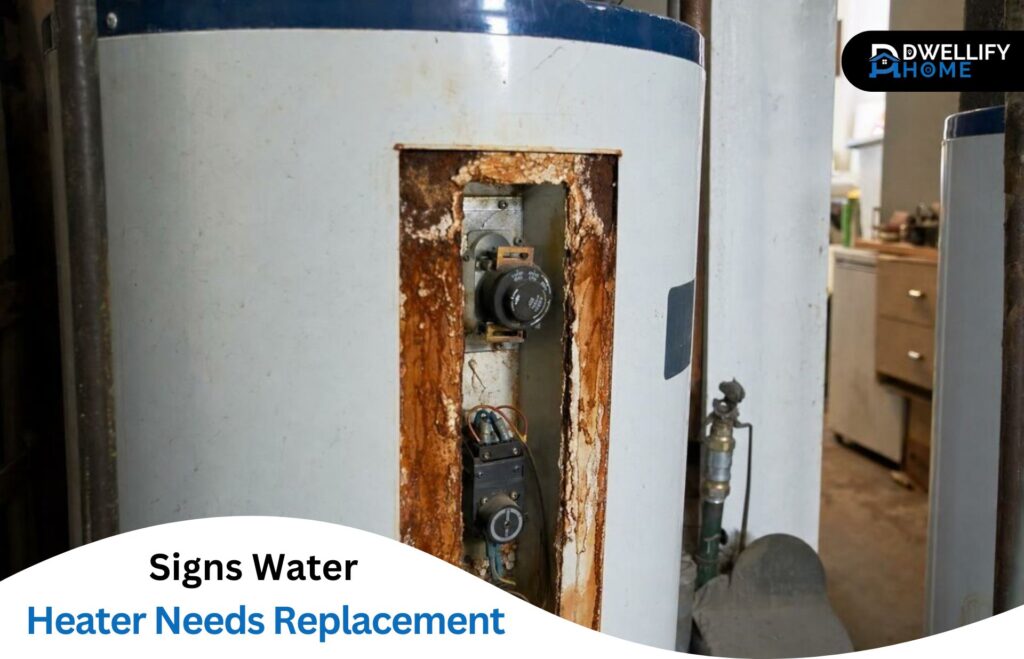
A failing water heater usually gives you a few clues before it quits completely. Strange rumbling from the tank, hot water that runs out too quickly, rusty water, or corrosion near the base are all signs that deserve attention. In Grand Rapids, those problems can show up earlier than homeowners expect because local municipal water commonly falls in the 150 to 200 mg/L hardness range, which speeds up sediment buildup inside tank-style units. For homeowners looking at the 5 Signs Your Water Heater Needs to Be Replaced, local water conditions matter just as much as the age of the equipment. Grapids Home Services has worked with West Michigan homeowners on water heater diagnosis and replacement since 1999 and carries a BBB A+ rating.
Why Grand Rapids Water Heaters Wear Out Faster
Water heaters in Grand Rapids deal with two conditions that can shorten their service life. The first is hard water. At 150–200 mg/L, mineral content is high enough to leave scale inside a tank faster than it would in areas with softer water. Over time, that sediment settles at the bottom, reduces efficiency, and makes the heater work harder than it should.
The second factor is Michigan weather. Freeze-thaw cycles can be tough on plumbing connections, supply lines, and pressure relief valves. Expansion, contraction, and seasonal stress add wear that isn’t always obvious until a fitting starts leaking or a valve fails.
Older homes can face an extra layer of trouble. In Grand Rapids neighborhoods such as Heritage Hill, Eastown, and Creston, pre-1980 galvanized supply lines may still be present. When aging metal piping and hard water are working against the same system, corrosion can move along faster than either issue would cause by itself.
Sign 1: The Water Heater Is More Than 10 to 12 Years Old
Most traditional tank water heaters are built around a 10- to 12-year lifespan. That’s the general industry expectation, but in Grand Rapids, many units land closer to the lower end of that range. Hard water causes scale to collect inside the tank, and that makes the burner or heating element work harder during every heating cycle.
Knowing the age of the unit gives you some control over the timing. It is much easier to plan a replacement in advance than to deal with a cold shower and an emergency call during a deep Michigan freeze.
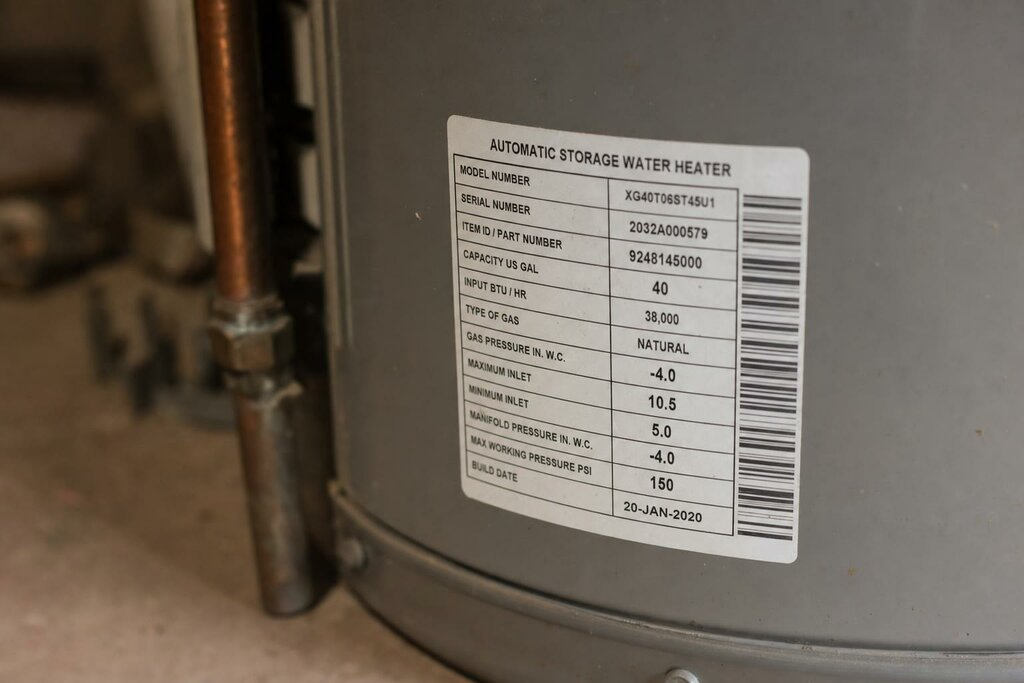
Start with the data label on the tank. Many manufacturers build the manufacture date into the serial number. In a common format, the first letter shows the month, with A representing January and L representing December. The next two digits usually indicate the year. For example, a serial number that begins with “E26” would point to May 2026.
Once a tank water heater passes the 10-year mark in a hard-water area, yearly maintenance may not buy you as much time as it once did. Flushing and inspections still have value, but they cannot undo years of internal wear. When replacement becomes the more sensible move, it helps to work with a plumber who understands local water conditions and installation requirements.
Sign 2: Rusty or Discolored Hot Water
Rust-colored hot water is one of the clearer warning signs. When the hot side runs orange, brown, or muddy-looking but the cold water stays clean, the issue is often inside the water heater itself. In many cases, the tank lining has started to fail because the anode rod has been used up.
The anode rod is designed to corrode first. It protects the tank by acting as the sacrificial metal. Once it is fully depleted, the tank begins taking the damage instead. At that point, corrosion is no longer a small maintenance issue; it may be a sign the tank is wearing out from the inside.
There is one important local exception. In older Grand Rapids homes with galvanized pipe, discolored water may also come from the supply lines rather than the water heater. That is why a licensed plumber should confirm the source before you commit to replacing the tank. The right diagnosis matters, especially when both old piping and an aging heater are in the same home.
Sign 3: Rumbling, Popping, or Banging Noises
A healthy water heater is not silent, but it should not sound like gravel is bouncing around inside it. Rumbling, popping, or banging noises during a heating cycle usually point to sediment hardened at the bottom of the tank.
Here’s what is happening inside. Water gets trapped beneath the mineral layer, heats up, and forces its way through the sediment. That movement creates popping or knocking sounds. The sediment also acts like insulation between the burner and the water, which means the steel at the bottom of the tank can overheat while the water heats more slowly.
Annual flushing can slow this process when it is done early and consistently. But once scale has baked onto the bottom, flushing may not remove enough of it to restore normal performance. Heavy, noisy buildup is often a sign that the tank is getting close to the end of its useful life.
Sign 4: Leaks or Moisture Around the Tank
Water around the base of the heater should never be ignored. A small puddle, a damp spot, rust streaking, or moisture near the fittings can all point to a developing problem. Sometimes the repair is straightforward. A leaking drain valve, loose fitting, or faulty pressure relief valve may be fixable.
A leak from the tank body is different. When water is seeping through the steel itself, the tank has corroded through. There is no reliable repair for that. Once the metal has failed, the only practical solution is replacement.
This is the kind of issue to handle quickly. A tank that is already leaking can split or fail suddenly, and that can leave a finished basement, utility room, or storage area flooded. Moisture around the tank calls for a professional inspection within the same week, not “sometime later.”
Sign 5: Not Enough Hot Water or Slow Recovery
A water heater that used to handle back-to-back showers but now runs cold halfway through the second one is telling you something. The same goes for a tank that takes much longer than it used to before hot water is available again. Loss of hot water capacity and slow recovery are common signs of internal buildup and declining performance.
Sediment takes up space inside the tank, leaving less room for hot water. At the same time, the burner or heating element has to push heat through mineral scale before it can warm the remaining water. That combination makes the unit less useful and less efficient.
Higher energy bills often show up around the same time. The heater runs longer, works harder, and still does not keep up with normal household demand. Once a tank reaches that point, ongoing repairs rarely make much financial sense. For most homeowners, replacement becomes the cleaner and more predictable choice.
Frequently Asked Questions
How long do water heaters typically last in Michigan?
Tank water heaters usually last about 10 to 12 years nationally. In Grand Rapids, that lifespan can be shorter because hard water speeds up sediment buildup and puts more strain on the heating element, burner, and tank lining. Tankless water heaters generally last 20 years or more when they receive regular maintenance.
What are the most common reasons a water heater fails early?
Sediment buildup is one of the biggest causes of early failure. Hard water minerals settle at the bottom of the tank, forcing the unit to work harder and creating extra heat stress.
A depleted anode rod is another common issue. Once that rod is gone, the tank loses a key layer of protection and corrosion starts attacking the steel.
Skipped maintenance also shortens the life of the unit. Flushing the tank and checking the anode rod can help catch problems before they become expensive.
Electric water heaters may also lose heating elements sooner than expected. In hard-water conditions, sediment and scale wear those elements down faster than normal.
Is it worth repairing an older water heater or should I replace it?
When a water heater is more than 10 years old and the repair cost is more than half the price of a new unit, replacement is usually the better financial decision. Older tanks often do not stop at one repair. A valve, element, burner, or leak issue may be followed by another problem a few months later.
Timing matters, too. Replacing a questionable unit before winter can prevent the higher cost and inconvenience of an emergency replacement. For homeowners watching for water heater failing signs, age plus repair cost is one of the clearest decision points.
How much does water heater replacement cost in Grand Rapids?
For a standard installed 40- to 50-gallon gas tank water heater, many Grand Rapids homeowners can expect a rough range of $900 to $1,400, depending on the model and the condition of the existing connections. Electric tank replacements are often in a similar range.
Tankless systems cost more to install, commonly around $2,500 to $4,500. The upfront cost is higher, but the longer lifespan and lower operating costs can help offset that over time. Final pricing depends on the unit size, fuel type, venting needs, and whether existing gas lines or electrical panels need upgrades.
Should I switch to a tankless water heater when replacing an old unit?
Tankless water heaters can be a good fit in the right home because they heat water only when it is needed. That removes standby heat loss, which commonly accounts for 20 to 30 percent of a traditional tank unit’s total energy use.
The trade-off is installation complexity. A tankless system may require proper gas line sizing, adequate venting, or enough electrical panel capacity. Older homes or homes with undersized lines may need upgrades before a tankless unit makes sense.
Grand Rapids homeowners also need to think about descaling. Because the area has hard water, tankless units benefit from periodic maintenance to control mineral buildup. A licensed plumber can evaluate the plumbing, fuel source, household demand, and panel capacity before you decide.
About Grapids Home Services
Grapids Home Services is a Grand Rapids-based HVAC and plumbing company founded in 1999 by D. Nathan Engelsma. The company is located at 3325 3 Mile Road NW, Grand Rapids, MI 49534. It holds a BBB A+ Rating, is BBB Accredited, and is HomeAdvisor Screened and Approved. To schedule a free estimate, call (616) 210-3456.
Business Name: Grapids Home Services
Address: 3325 3 Mile Road Northwest, Grand Rapids, MI 49534
Phone number: (616) 210-3456
Disclosure: Before you leave, feel free to explore more helpful articles on our website. Some links in this post may be affiliate or sponsored links, meaning we may earn a small commission if you make a purchase through them. This helps support our website, while all opinions shared remain our own.