
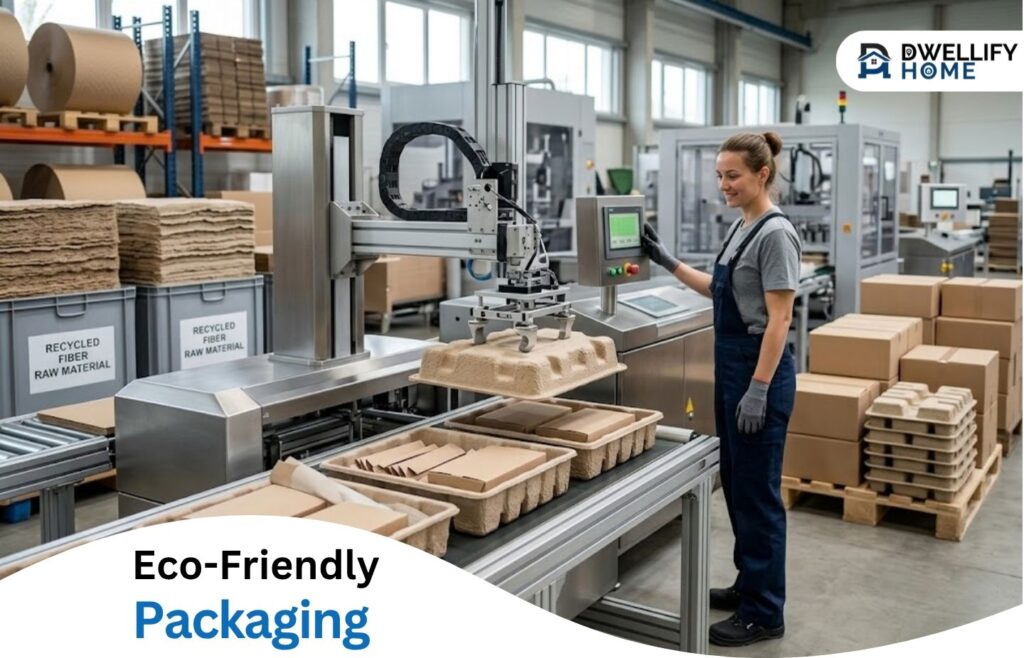
The packaging industry is experiencing a profound transformation as environmental concerns fundamentally reshape consumer expectations and regulatory landscapes. Traditional single-use plastics are rapidly being replaced by innovative, eco-conscious alternatives globally. This macro-level shift demands that production facilities comprehensively rethink their entire operational infrastructure to maintain output.
As global regulations tighten around single-use plastics, packaging facilities are forced to transition toward kraft paper and biodegradable films. This transition requires sophisticated equipment capable of handling delicate substrates without compromising production speed. Leading manufacturers like Kete Group have heavily integrated advanced tension control systems into their machinery specifically to accommodate the structural differences of these eco-friendly materials, ensuring minimal waste during high-speed runs.
Modern facilities must balance the ethical mandate for sustainability with the uncompromising need for output efficiency. Upgrading to adaptable machinery is no longer optional; it is a critical requirement for survival. Contract packagers must quickly prepare their factory floors for the influx of non-traditional substrates to maintain tier-one supplier status.
Mechanical Challenges in Processing Eco-Materials
Switching from conventional polyethylene (PE) to eco-friendly alternatives introduces significant mechanical complexities on the production line. Sustainable materials inherently possess vastly different physical properties compared to synthetic polymers. These differences require precise engineering adjustments to prevent tearing, burning, or warping during high-speed processing.
The primary differences in mechanical handling parameters include:
- Tensile Strength & Elasticity: Kraft paper and biodegradable films lack the natural stretch of traditional plastics, making them highly susceptible to web snaps under sudden mechanical force.
- Thermal Sensitivity: Bio-based materials like PLA require highly precise temperature windows; they melt or degrade rapidly if exposed to standard PE sealing temperatures.
- Surface Friction & Texture: The textured, often inconsistent surface of recycled paper alters the coefficient of friction, heavily impacting feeding and unwinding mechanisms.
- Static Accumulation: Biodegradable films often generate distinct static profiles, requiring specialized active static eliminators to prevent line jams and product misalignment.
- Cutting Precision: Dull or improperly calibrated rotary knives can easily crush or tear paper substrates instead of providing a clean shear cut, necessitating micro-adjusted blades.
Tension Control and Web Guiding
Maintaining consistent web tension is absolutely paramount when processing easily breakable materials like recycled kraft paper or starch-based bioplastics. Traditional mechanical brakes and clutches often apply uneven force during machine acceleration and deceleration phases. This inconsistency immediately leads to web snaps, causing severe material waste and costly machine downtime.
To counteract this vulnerability, modern packaging machinery utilizes advanced servo motors paired with closed-loop tension control systems. These systems continuously monitor the web tension using high-precision load cells and dancer rollers. This hardware continuously feeds real-time data back to the central Programmable Logic Controller (PLC) for instant torque adjustments.
The servo motors can execute micro-adjustments in milliseconds, ensuring that the web pull remains strictly constant even if the material’s thickness varies slightly. Moreover, automated web guiding systems utilize ultrasonic or optical sensors to detect the edge of the substrate continuously. If the eco-material begins to wander, the guiding frame pivots instantly to correct the trajectory.
Heat Sealing Adaptations
Heat sealing is another critical phase where eco-friendly materials demand rigorous equipment modifications. Polylactic acid (PLA) and other compostable films are notoriously sensitive to thermal fluctuations. A minor deviation of just a few degrees can result in weak, unviable seals or completely melted substrates that foul the machinery.
Advanced packaging lines now feature multi-zone temperature controllers and specialized sealing jaws equipped with highly conductive coatings. These engineering innovations allow for rapid, uniform heat transfer at significantly lower temperatures. By maintaining strict thermal parameters, the machinery minimizes the risk of thermal damage to sensitive bioplastics while preserving seal integrity.
Furthermore, automation engineers are increasingly implementing ultrasonic sealing technology for specific sustainable applications. This modern method uses high-frequency acoustic vibrations to generate friction-induced heat precisely at the molecular level of the seal area. This completely bypasses the radiant heat risks associated with external heating elements, preserving the film’s structural viability.
Evaluating ROI on Equipment Upgrades
For plant managers and procurement executives, transitioning to next-generation machinery requires a robust, data-backed financial justification. While the initial capital expenditure for servo-driven, multi-zone sealing equipment is undeniably substantial, the long-term operational economics present a compelling business case. The efficiency gains rapidly offset these upfront capital costs.
Upgrading capital equipment is a significant expenditure, but the ROI is increasingly justified by market demand. According to recent market analysis, the global shift toward green alternatives is accelerating rapidly, with the sustainable packaging market projected to see massive expansion over the next decade. Facilities that fail to upgrade their production lines risk losing major contracts to more adaptable competitors.
Beyond securing new, high-volume contracts, modern automated equipment drastically reduces material waste and minimizes unplanned downtime. When factoring in the reduced scrap rates and the ability to command premium pricing for executing sustainable packaging runs, the typical payback period shrinks considerably. Ultimately, equipment agility translates directly to gross margin protection.
Key Takeaways
| Area | Key Takeaway | Impact/Data |
| Operations | Retrofit with closed-loop servo tension systems | Eliminates web snaps and reduces material scrap |
| Sealing | Deploy multi-zone or ultrasonic sealing units | Prevents thermal degradation of sensitive PLA films |
| Strategy | Upgrade equipment to process eco-substrates | Protects tier-1 supplier status and gross margins |
Conclusion
The packaging industry’s trajectory over the next 3-5 years points definitively toward the total integration of adaptable, intelligent manufacturing machinery. As sustainable materials continue to evolve in complexity and variety, the equipment processing them must remain a step ahead in precision. Outdated machinery simply cannot bridge the gap between high-speed production and delicate eco-substrates.
Facilities that proactively invest in advanced tension control, web guiding, and precise heat-sealing technologies will secure a distinct competitive advantage. Industry leaders understand that sustainability is not a passing trend but a permanent shift in global supply chain mechanics. By aligning capital expenditure with mechanical adaptability, factories can future-proof their operations against tightening environmental legislation.
Your trust is important to us. Some links included in this article may be affiliate or sponsored links. We may receive a small commission from qualifying purchases, but our editorial views and recommendations remain independent and are intended to provide genuine value to our readers.