
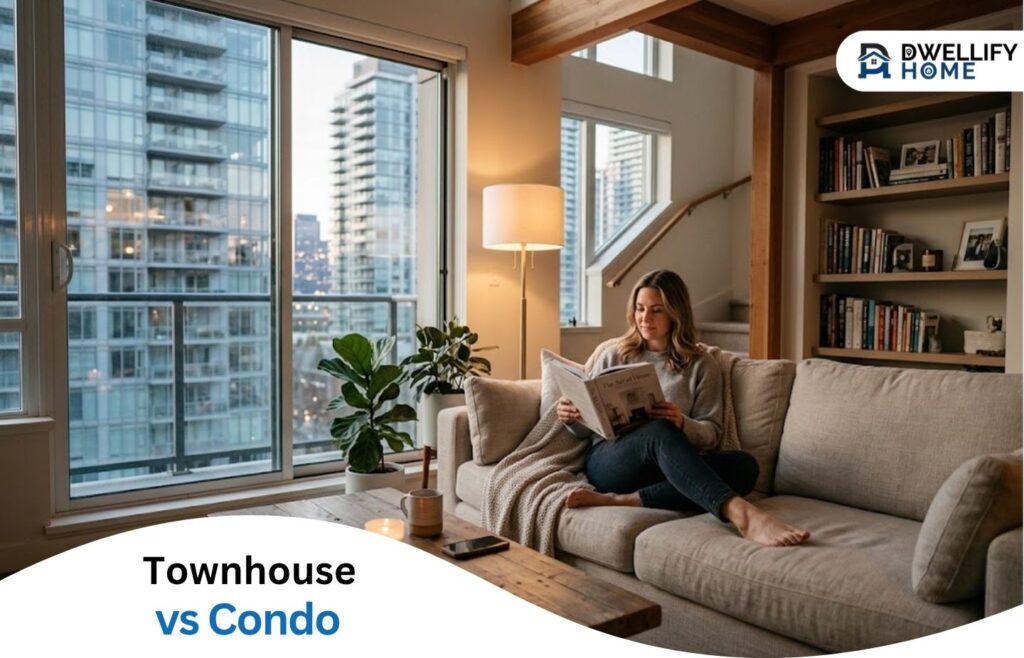
Coming home after a long day should feel like a welcome break from everything happening outside, whether that means settling into a comfortable living room, preparing dinner in a familiar kitchen, or simply enjoying a little peace and quiet. For many people, the feeling of being at home comes from having a space that supports their daily routines, reflects their personality, and makes even ordinary moments enjoyable. However, finding that kind of comfort can be challenging when you’re trying to decide between a townhouse and a condo, especially when both seem to offer something appealing.
While townhouses often attract people who appreciate having separate living areas and additional space, condos can appeal to those who prefer convenience, simpler layouts, and fewer property maintenance responsibilities. Neither option guarantees a more comfortable lifestyle, because the experience depends on everything from the property’s design to its location and the way you spend your time at home. Understanding how these differences influence everyday living can help you choose a place that genuinely feels right for you.
How Living Space and Layout Influence Everyday Comfort
The amount of space available in a home matters, but how that space is arranged can have an even greater influence on your comfort. A thoughtfully designed layout makes it easier to move between rooms, organize belongings, and enjoy different activities without feeling crowded, while a poorly planned interior can make even a relatively large property feel inconvenient. This is one of the areas where townhouses and condos often provide noticeably different living experiences.
Townhouses commonly feature two or more levels, allowing homeowners to separate shared living areas from more private spaces such as bedrooms and home offices. For example, having the kitchen and living room downstairs while keeping bedrooms upstairs can make it easier for family members to follow different routines without constantly disturbing one another. This arrangement can be especially helpful for people working from home, families with young children, or couples who appreciate having individual spaces for relaxing and pursuing hobbies.
Condos, particularly apartment-style units, generally offer a more compact and connected layout, with living areas, bedrooms, and kitchens located on the same level. Although this arrangement may provide less separation between activities, it can make everyday movement more convenient and reduce the effort involved in maintaining multiple rooms or navigating stairs. With practical storage solutions, appropriately sized furniture, and good natural lighting, a condo can feel welcoming and functional without requiring a large amount of square footage.
Ultimately, the more comfortable choice depends on how much space you actually use and whether the home’s layout complements your routine rather than creating unnecessary complications.
Privacy and Noise Can Change How Relaxing Your Home Feels
Privacy is an important part of feeling comfortable at home, particularly when you need somewhere to unwind after a demanding day or concentrate on activities without interruptions. While both townhouses and condos offer personal living spaces, their designs can influence how frequently residents encounter neighbors and how much noise travels between surrounding units.
Townhouses often provide private entrances and fewer shared indoor facilities, which can create a stronger sense of independence for homeowners who prefer coming and going without passing through common hallways or elevators. Many also offer multiple levels, making it easier to find a quieter room when other members of the household are entertaining guests, watching television, or carrying out their daily activities. However, because many townhouses share one or more walls with neighboring properties, their level of privacy still depends heavily on construction quality and sound insulation.
Condo living usually involves greater use of shared spaces, such as entrances, corridors, elevators, and recreational facilities, which naturally creates more opportunities to encounter other residents. Some people appreciate this environment because it provides a sense of community and makes it easier to become familiar with neighbors, while others may find frequent activity around their unit less relaxing. The building’s layout, construction materials, and location of individual units can also make a considerable difference in how much noise residents experience.
Rather than assuming one property type will always be quieter, it’s worth paying attention to the building’s condition, the placement of bedrooms, and the general atmosphere of the surrounding community. A well-insulated condo in a peaceful building may offer considerably more privacy than a townhouse located beside a busy street or noisy neighboring property.
Creating a Personal Space That Reflects Your Lifestyle
A comfortable home is about more than having enough room for furniture, because the ability to personalize your surroundings can make a significant difference in how connected you feel to a place. Whether you prefer warm colors, soft lighting, family photographs, or a favorite reading corner, thoughtful details help transform a property into a familiar environment where you can relax and enjoy spending time.
Townhouses often provide greater flexibility when arranging furniture and deciding how individual rooms should function, particularly when they include additional bedrooms, finished basements, or separate living areas. A spare room might become a dedicated home office, a creative studio, or a playroom, while another area could be arranged specifically for entertaining family and friends. Having multiple levels can also make it easier to create different atmospheres throughout the home, allowing quieter spaces to remain separate from busier parts of the household.
Condos can be equally inviting, although making the most of their available space may require a more thoughtful approach to interior design and organization. Multifunctional furniture, built-in storage, carefully placed mirrors, and lighter color schemes can help smaller rooms feel more open without sacrificing personality or comfort. Even modest changes, such as adding textured cushions, choosing softer lighting, or arranging furniture to improve movement between rooms, can make a noticeable difference in how welcoming a condo feels.
Homeowners should also consider any rules affecting renovations or interior changes, since condominium bylaws may restrict certain improvements, particularly those involving structural elements, flooring, or exterior features. Some townhouse developments operate under similar regulations, so understanding the property’s ownership structure is important before planning major changes.
The goal is to create a space that reflects your preferences while remaining practical for everyday life, regardless of whether you’re working with a spacious townhouse or a smaller condo.
Outdoor Space and Its Role in Everyday Enjoyment
Having access to outdoor space can greatly influence how comfortable a home feels, especially for people who enjoy fresh air, gardening, or spending quiet moments outside without leaving their property. Although outdoor amenities vary considerably between individual developments, townhouses and condos often offer different opportunities for enjoying these activities.
Many townhouses feature private patios, small backyards, or outdoor decks that provide a convenient place to relax, entertain guests, or spend time with family. For someone who enjoys growing flowers, having meals outside during warmer months, or letting children play close to home, these features can add meaningful value to everyday living. Pet owners may also appreciate the convenience of having direct access to an outdoor area, although private yards are not available with every townhouse.
Condo residents may have access to balconies, shared gardens, rooftop terraces, or landscaped courtyards, depending on the building and its amenities. While these spaces may offer less privacy or flexibility than a private yard, they can still provide opportunities to enjoy the outdoors without taking responsibility for extensive landscaping and maintenance. For people with demanding schedules, this arrangement can be particularly appealing because it allows them to spend more time relaxing and less time managing outdoor chores.
It’s also important to consider the practical side of outdoor living, since maintaining a private yard may involve seasonal cleaning, gardening, mowing, or snow removal, depending on the property’s arrangements. Choosing the right option means considering not only how much outdoor space you’d like but also how much time and effort you’re comfortable dedicating to keeping it enjoyable.
Why Your Neighborhood Matters as Much as Your Living Space
Even a beautifully designed home can become less enjoyable when its location makes everyday activities unnecessarily difficult, which is why the surrounding neighborhood deserves careful consideration. Access to grocery stores, schools, parks, workplaces, public transportation, and recreational facilities can influence how conveniently you move through your daily routine, while traffic levels and neighborhood atmosphere can affect how peaceful your home feels.
Townhouses are frequently associated with residential communities that offer quieter surroundings, family-oriented amenities, and access to parks or green spaces, although they can also be found in central urban neighborhoods. Condos are often popular in areas with higher population density, where residents may enjoy shorter distances to restaurants, shops, entertainment, and public transportation. These differences can shape everything from commuting habits to how frequently you spend time outdoors or interact with the surrounding community.
For example, someone who enjoys walking to nearby cafés, meeting friends after work, and having entertainment options close to home may appreciate the convenience of a centrally located condo. Meanwhile, a family that prioritizes access to schools, recreational facilities, and quieter streets might prefer a townhouse in a residential neighborhood, particularly if having extra living space is part of their long-term plans.
Calgary provides a useful example of how housing preferences can change depending on location, since different communities offer varying combinations of residential convenience, outdoor amenities, and access to the city’s commercial areas. For buyers exploring the local housing market, understanding the differences between a townhouse vs condo can help clarify how property design, maintenance responsibilities, and neighborhood characteristics influence the overall living experience. Considering these factors together makes it easier to determine whether a particular home will support the lifestyle you want rather than simply meeting your immediate housing requirements.
Regardless of the property type, choosing a neighborhood that complements your routine can make everyday life considerably more enjoyable, particularly when essential services and favorite activities are within convenient reach.
How Maintenance Responsibilities Affect Your Comfort
Home maintenance is an unavoidable part of property ownership, but the amount of time, effort, and money involved can vary considerably between different housing arrangements. For some homeowners, taking care of their property is a satisfying responsibility, while others would prefer spending their free time on hobbies, family activities, or simply relaxing after a busy week.
Apartment-style condos often provide a more convenient arrangement for managing shared property maintenance because condominium corporations typically oversee common areas and certain building systems. Services may include cleaning shared spaces, maintaining landscaping, removing snow, and arranging repairs to common property, depending on the building’s management structure. Residents contribute toward these expenses through condo fees, which can make some maintenance responsibilities more predictable, although additional assessments may occasionally be required to address major repairs or unexpected expenses.
Townhouse maintenance responsibilities depend largely on whether the property is freehold or part of a condominium development. Owners of freehold townhouses generally have greater direct responsibility for exterior maintenance, roofing, landscaping, and other property repairs, while condominium townhouse owners may benefit from shared maintenance arrangements similar to those found in apartment-style buildings.
It’s worth remembering that lower personal maintenance responsibility doesn’t necessarily mean lower overall expenses, because shared services and amenities still need to be funded. Similarly, taking on more maintenance work can provide greater control over how and when certain improvements are completed, which may appeal to homeowners who enjoy managing their own property.
Before making a decision, consider how much time you’re willing to dedicate to household responsibilities and whether you’d prefer the convenience of coordinated maintenance or the independence of handling more tasks yourself.
Choosing a Home That Can Adapt to Your Changing Needs
Your current lifestyle is an important starting point when choosing a home, but it’s equally valuable to consider how your circumstances might change over the coming years. Career developments, family plans, remote working arrangements, and personal interests can all influence how much space you need and which features will remain useful as your routine evolves.
A townhouse may be particularly appealing to people who anticipate needing additional bedrooms, more storage, or separate areas for different household activities. Couples planning to start a family, for example, might appreciate having room for children’s belongings and a quiet workspace, while those who regularly entertain guests may value having a larger living area or private outdoor space.
Condos can be attractive to people who prefer a more manageable living environment, particularly if convenience, accessibility, or proximity to urban amenities plays an important role in their daily lives. Young professionals may enjoy living close to employment opportunities and entertainment, while people considering retirement or downsizing might appreciate a home that requires less physical upkeep.
However, lifestyle needs don’t always follow predictable patterns, and choosing a larger property simply because it offers more rooms may not provide meaningful benefits if those spaces remain unused. Likewise, a smaller condo might become inconvenient if changing work arrangements or family responsibilities create a need for additional personal space.
Thinking about how your priorities may evolve can help you choose a home that remains comfortable over time, without feeling pressured to predict every change that might occur in the future.
Finding the Place That Truly Feels Like Home
Choosing between a townhouse and a condo ultimately comes down to understanding what comfort means in your everyday life, rather than assuming that one property type will automatically provide a better living experience. A townhouse may offer the separation, flexibility, and outdoor access that make family life or working from home more enjoyable, while a condo may provide the convenience, accessibility, and simpler maintenance arrangements that suit a busy or more relaxed lifestyle.
When considering your options, pay attention to the details that influence how you actually spend your time, including room layouts, natural lighting, privacy, neighborhood atmosphere, and the responsibilities involved in maintaining the property. These practical considerations often have a greater impact on long-term satisfaction than impressive finishes or additional features that may look appealing during a viewing but contribute little to your daily routine.
The most comfortable home isn’t necessarily the largest property or the one with the longest list of amenities, because genuine comfort comes from having a space that feels welcoming, manageable, and suited to your personal needs. Whether that means enjoying a quiet evening in a townhouse living room or watching the city lights from a condo balcony, the right home is the one that allows you to settle in comfortably and enjoy the life you’re building.
Before you explore further, we’d like to mention that some links in this article may be affiliate or sponsored links. If you make a qualifying purchase through them, we may receive a small commission to help support Dwellifyhome.com.



