
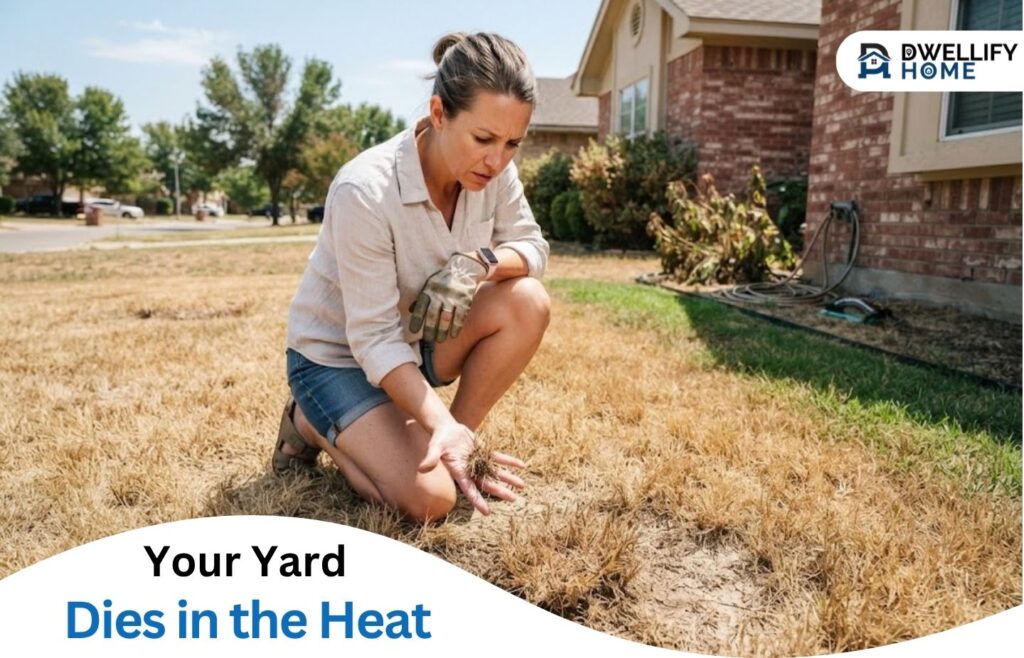
You know that moment when you look out at your yard and think, “What happened to my grass?” One month it’s green and looking pretty good. The next it’s brown, crunchy, and not exactly something you want to show off to the neighbors.
If you live in a hot state, this happens surprisingly fast. Texas, Arizona, Florida, Georgia, and parts of California all have their share of brutally hot summer days. Lawns can really struggle when the heat sticks around. San Antonio, for instance, puts plenty of pressure on a traditional lawn during the hottest part of the year.
That doesn’t necessarily mean your grass is dead, though. Sometimes, it’s just trying to survive. Before you spend a lot of money replacing the law, or start running the sprinklers every months and evening, there are a few things you should try.
And if you’ve already tired of fighting the heat and want a different approach, synthetic grass installation San Antonio is one option some homeowners consider for a lower-maintenance yard.
But first, read the tips below.
Stop Panic-Watering Every Day
Seeing brown grass makes you want to water it immediately. Then you water it again the next day because it still looks brown. Before long, the sprinkler is running constantly.
Unfortunately, more water isn’t always the answer.
Instead, water deeply. Give the lawn some time between watering sessions. This encourages the roots to grow deeper. As a result, the grass will better cope when the top layer of soil dries out.
Water early in the morning, too. This is usually a better bet than doing it during the hottest part of the afternoon. You’ll lose less water to evaporation, and the grass has time to take it in before the heat ramps up.
And don’t assume brown automatically means dead. Some types of grass go dormant during hot, dry weather. It’ll still recover once conditions improve.
Raise the Mower Blades
If you’ve been cutting the grass really short, don’t. Summer is a good time to stop that, fortunately.
Taller grass provides a little more share for the soil, which helps keep moisture from disappearing quite so quickly. It also puts less stress on the grass than repeatedly cutting it very short.
Raise your mower blades a bit. Don’t feel like you have to move every few days just because that’s your normal routine. If the grass isn’t growing that much because of the heat, just let it be!
One other thing: Don’t take off a huge amount of grass in one mowing. If the lawn has gotten a little long, bring it down gradually.
Avoid High-Nitrogen Fertilizers
When your lawn looks brown, you want to do something. In this case, fertilizer might seem like an easy way to get some green back. During a heat wave, though, it’s typically not the first thing to reach for.
High-nitrogen fertilizer encourages fast growth. That’s not particularly helpful when the grass is already struggling with high temperatures and dry soil. Applying too much could actually put more stress on the lawn or even cause damage.
Wait for better growing conditions instead. When you do, follow the fertilizer instructions to the letter. Instructions will differ depending on your particular grass, though.
To conclude, a brown lawn might look dead, but don’t write it off straight away. Follow the advice outlined above, and you might just find that your lawn wasn’t as dead as it looked.
To keep our content transparent, we want to let you know that some links may be affiliate or sponsored links. These links may provide Dwellifyhome.com with a small commission from qualifying purchases, helping us continue creating and publishing helpful content.