
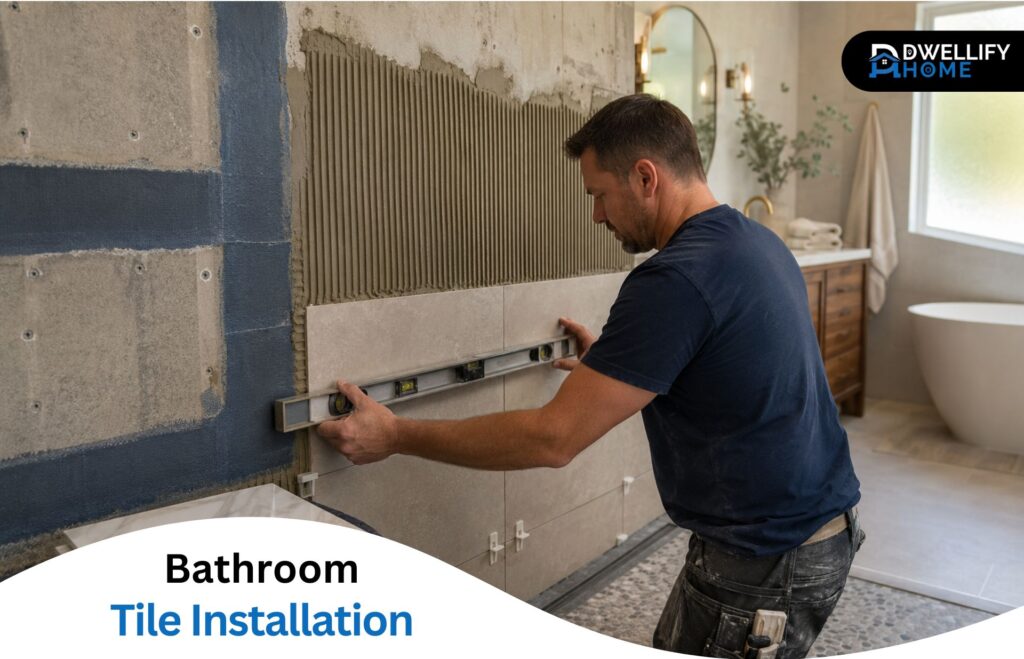
A beautiful bathroom does not start with the tile you see on the showroom wall. It starts underneath.
Many homeowners spend weeks choosing the perfect color, pattern, or style of tile, but the part that determines whether the bathroom will look great for years is often hidden behind the finished surface. The preparation, waterproofing, layout, and installation process are what protect the investment long after the project is completed.
This is especially important in Florida homes, where humidity, temperature changes, and building movement can create challenges that are different from those in many other parts of the country.
A bathroom can have the most expensive porcelain tile available, but if the surface underneath was not prepared correctly or the installation process was rushed, problems can appear sooner than expected.
The Tile Is Only as Good as the Installation Behind It
One of the biggest misconceptions homeowners have is that tile itself prevents problems. Tile is extremely durable, but it is only one part of a complete system.
Behind every successful bathroom tile project are several important steps:
- preparing the substrate correctly
- making sure walls and floors are properly flat
- choosing the correct setting materials
- installing waterproofing where needed
- allowing proper curing time
- creating movement joints where required
Skipping even one of these steps can affect the final result.
For example, a beautiful shower wall can develop loose tiles if the surface behind it was not properly prepared. A bathroom floor can experience cracks if movement from the structure below was not considered before installation.
The finished tile gets all the attention, but the hidden preparation work is what protects the homeowner’s investment.
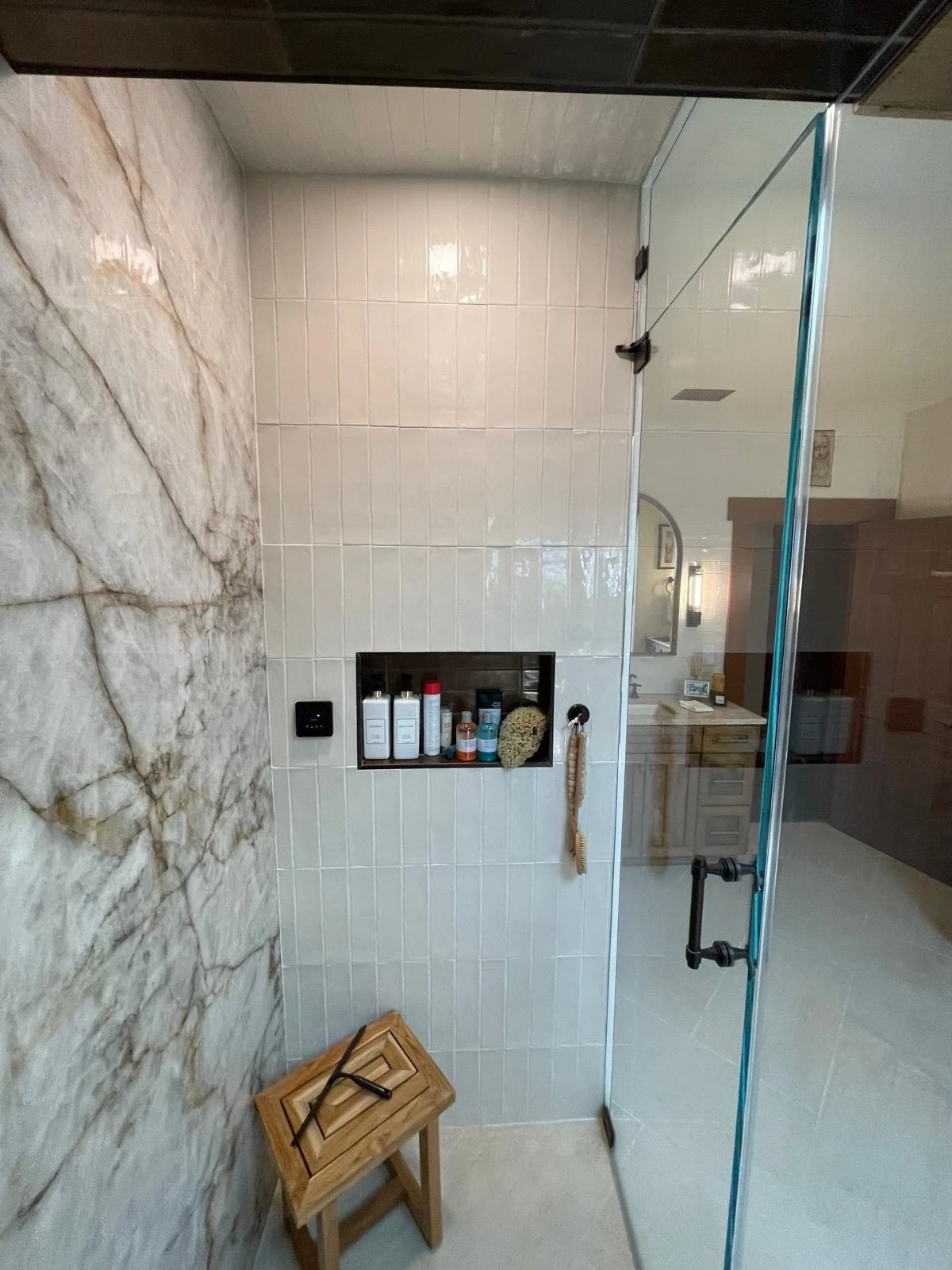
Why Florida Bathrooms Require Extra Attention
Florida homes have unique conditions that contractors must consider.
Humidity is one of the biggest factors. Bathrooms already experience constant exposure to water and moisture, and Florida’s climate adds another layer of stress. If moisture finds a way behind the tile system, small issues can eventually become expensive repairs.
Another factor is movement. Homes naturally expand and contract with temperature changes. Concrete slabs can develop small cracks, and improperly prepared surfaces can transfer that movement directly into the tile installation.
This does not mean tile is a bad choice for Florida bathrooms. In fact, tile remains one of the most popular options because of its durability, appearance, and ability to handle moisture when installed correctly.
The difference comes down to the process.
Common Bathroom Tile Problems Usually Start Before the Tile Goes Up
When homeowners notice problems like cracked grout, loose tiles, or water damage, they often think the tile failed.
In many cases, the problem started much earlier.
Some common causes include:
- installing tile over an improperly prepared surface
- failing to correct uneven walls or floors
- using incorrect adhesive techniques
- not planning for movement in the structure
- Poor waterproofing practices in wet areas
A bathroom remodel is a system where every step connects to the next one. If the foundation of that system is weak, even high-quality materials cannot fully compensate.
The Steps That Create a Bathroom Tile Installation That Lasts
A successful bathroom tile project is not just about placing tile on a wall or floor. The installation process has to be approached as a complete system where every layer has a purpose.
Before any tile is installed, the surface needs to be evaluated carefully. Floors and walls should be checked for uneven areas, cracks, weak spots, or conditions that could affect the finished installation.
A flat and properly prepared surface helps tile sit correctly and reduces stress on the finished material. Large-format tiles especially require attention because even small imperfections in the substrate can create uneven edges or weak points.
This is why experienced contractors spend time on preparation before the first tile is set. The work that happens before installation often determines how the bathroom performs years later.
For homeowners planning a bathroom renovation, working with professionals who understand these details is important. A quality proper bathroom tile installation approach focuses not only on appearance but also on the preparation, materials, and techniques needed for long-term durability.
Waterproofing Is One of the Most Important Parts of a Bathroom
In areas exposed to constant water, such as showers and tub surrounds, waterproofing plays a critical role.
Tile and grout are designed to handle moisture, but they are not the only protection between water and the structure behind the walls. A properly installed waterproofing system helps prevent moisture from reaching areas where it can cause damage.
A common mistake is focusing only on the visible finish. A shower may look perfect on the outside, but hidden problems can develop if waterproofing was ignored or installed incorrectly.
Good bathroom construction requires thinking beyond what the homeowner sees on the surface. The goal is not just a beautiful bathroom on installation day — it is a bathroom that continues performing years later.
Choosing Materials Is Important, But Installation Quality Matters More
There are more tile options available today than ever before. Homeowners can choose from porcelain, ceramic, natural stone, mosaics, large-format tiles, and many different styles.
The right choice depends on the location, expected use, maintenance preferences, and overall design goals.
However, even the highest-quality tile cannot fix poor installation practices.
A contractor has to understand how different materials behave, how much coverage is needed behind each tile, how surfaces should be prepared, and how to handle transitions between different areas of the bathroom.
The craftsmanship behind the tile is what allows the design to stay beautiful.
A Contractor’s Job-Site Lesson
One thing I have noticed over the years is that many bathroom problems are not caused by the tile itself. They usually start with something that happened before the tile was ever installed.
I have seen bathrooms where the homeowner chose beautiful materials, but the previous installation skipped important preparation steps. Once moisture or movement entered the system, the expensive finishes could not protect the project anymore.
Taking extra time during preparation may not be the most noticeable part of a renovation, but it is often the difference between a bathroom that looks good for a few months and one that continues looking great for many years.
Questions Homeowners Often Ask
Can expensive tile prevent bathroom problems?
No. Quality tile is important, but proper preparation, installation techniques, and waterproofing are what help prevent long-term issues.
How long should a properly installed bathroom tile project last?
With proper materials and installation, tile bathrooms can last for decades. The quality of the installation process is one of the biggest factors affecting lifespan.
Is waterproofing necessary for every bathroom area?
Wet areas like showers require careful waterproofing. Other bathroom areas may have different requirements depending on the design and materials used.
Final Thoughts
A bathroom renovation is an investment in your home, and the details behind the finished tile are what protect that investment.
Choosing beautiful tile is only the beginning. Proper preparation, waterproofing, and skilled installation are what create a bathroom that remains functional, comfortable, and attractive for years.
When homeowners focus on the entire installation system instead of only the final appearance, they get results that are built to last.
Before you move on, don’t miss the other helpful articles available on Dwellifyhome.com. Some links included in this content may be affiliate or sponsored links, and we may receive a small commission when a purchase is completed. This contribution supports the creation of future content. Any opinions expressed are solely those of the author and do not necessarily represent the views or policies of Dwellifyhome.com.