You can prevent most slips and falls at home with three simple moves: clear every walkway, fix your lighting, and add grip where floors get wet. The Centers for Disease Control and Prevention lists falls as a leading cause of injury for older adults, and most of those falls happen at home, in rooms you walk through every day. This guide shows you how to prevent slips and falls room by room, so your home stays safe for everyone who lives there, from kids to grandparents.
Start with the rooms where falls happen most: the bathroom, the stairs, and the kitchen. Walk each room slowly, look down at the floor, and ask one question: what could catch a foot here? A curled rug edge, a cord across a hallway, a wet tile, or a dark step can all send someone down. Fix the easy things today, then work through the bigger fixes one room at a time.
Why Falls Happen at Home
Falls at home rarely have one single cause. They usually come from a mix of a hazard in the room and a moment of hurry, tiredness, or poor balance. A loose rug alone may sit there for months, but pair it with a dark hallway at 2 a.m. and a sleepy walk to the bathroom, and the risk jumps.
Health plays a part too. Weak leg muscles, poor eyesight, dizziness from medicine, and foot pain all make a fall more likely. MedlinePlus, the U.S. National Library of Medicine health guide, notes that weak muscles and balance problems are common causes of falls, and it advises people to ask their doctor about medicines that cause dizziness. You cannot fix every health risk with a home project, but you can remove the hazards that turn a stumble into a fall.
Age matters as well. Older adults fall more often, and a fall for them can mean a broken hip or a long recovery. That is why slip, trip and fall prevention matters most in homes where older adults live or visit. The good news is that the same fixes protect everyone: kids running through the kitchen, guests carrying bags, and you on a rainy night.
Clear Every Walkway First
Clear paths are the cheapest and fastest fall fix you can make. Walk through your home the way a guest would, and move anything that sits in a walking path.
- Pick up shoes, toys, bags, and boxes from hallways, stairs, and doorways every evening.
- Move cords and cables against the wall, or cover them with a cord cover so no one trips on them.
- Remove throw rugs, or tape down every edge with double-sided rug tape and add a non-slip pad underneath.
- Fix curled carpet edges and uneven flooring at doorways before they catch a toe.
- Keep stairs completely clear. Never store boxes, laundry, or shoes on a step.
Clear walkways matter most at night, when eyes are tired and lights are low. A hallway that looks tidy in daylight can hide a phone charger cord in the dark. Make the clear-path check part of your nightly routine, the same as locking the door.
Fix Your Lighting So You Can See Every Step
Good lighting prevents falls because you cannot avoid what you cannot see. Dark stairs, dim hallways, and shadowy bathrooms are some of the most common fall spots in a home.
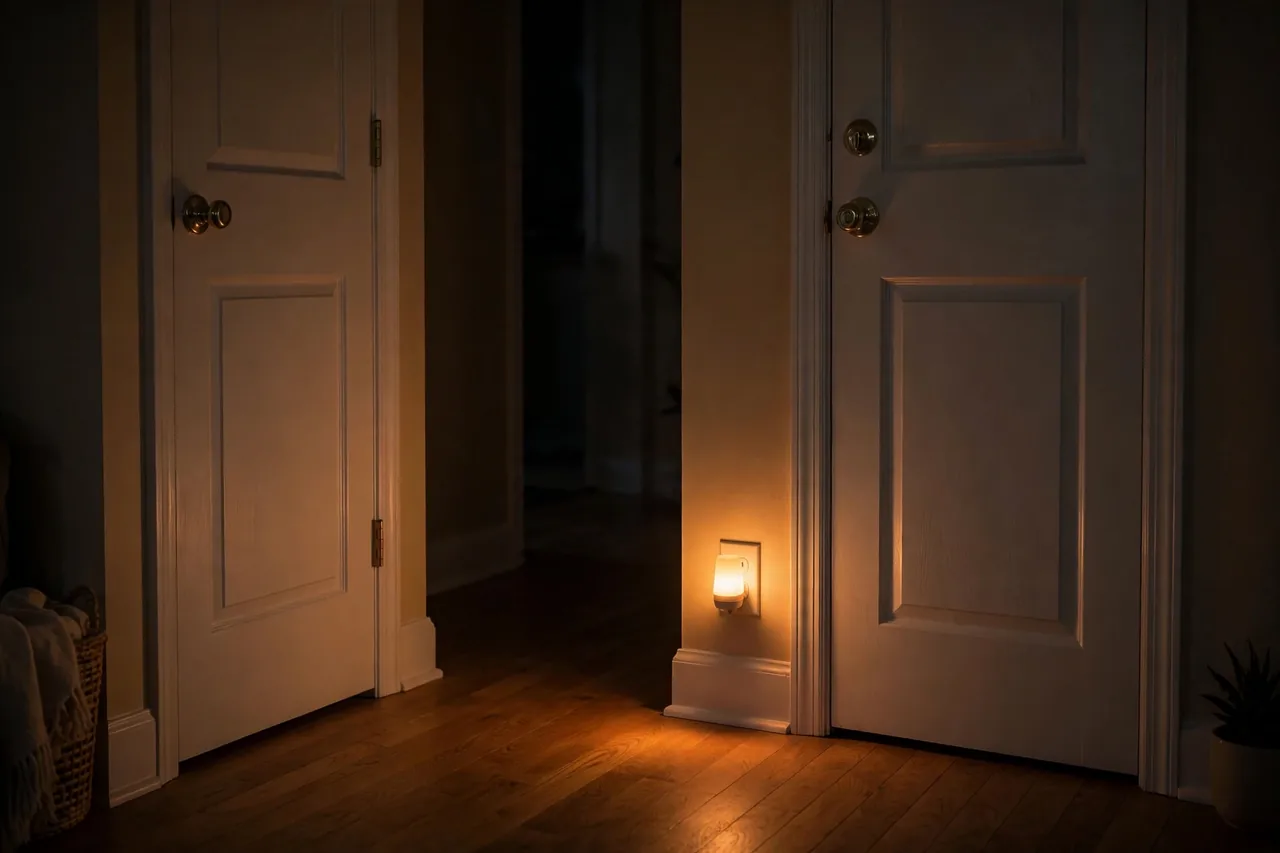
Put a light switch at the top and bottom of every stairway, and use night-lights in hallways, bedrooms, and bathrooms so the path to the bathroom glows all night. Replace burned-out bulbs right away, and keep a flashlight by the bed for power cuts. In the bathroom, bright, even light without glare helps you see wet spots on the floor.
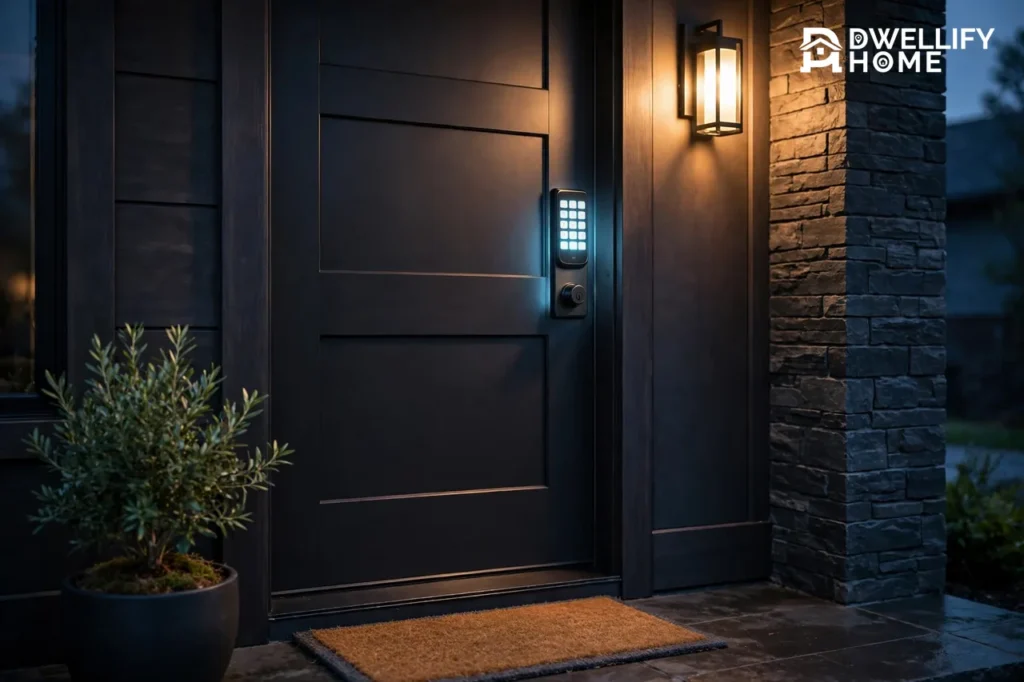
Outside, light the steps and paths too. A porch light over the front door, a motion-sensor light by the back steps, and a lit path to the driveway keep evening trips safe. In winter, clear ice and snow from walks and steps, and keep salt or sand by the door.
Motion-Sensor Lights Help at Night
Motion-sensor lights switch on the moment you step into a hallway or stairway, so you never walk in the dark while you hunt for a switch. They work well in hallways, stairwells, bathrooms, and over outside steps. If you want help choosing one, read our guide to the best home security systems with cameras, which covers motion-triggered lighting as part of a wider home safety setup.
Make the Bathroom Slip-Proof
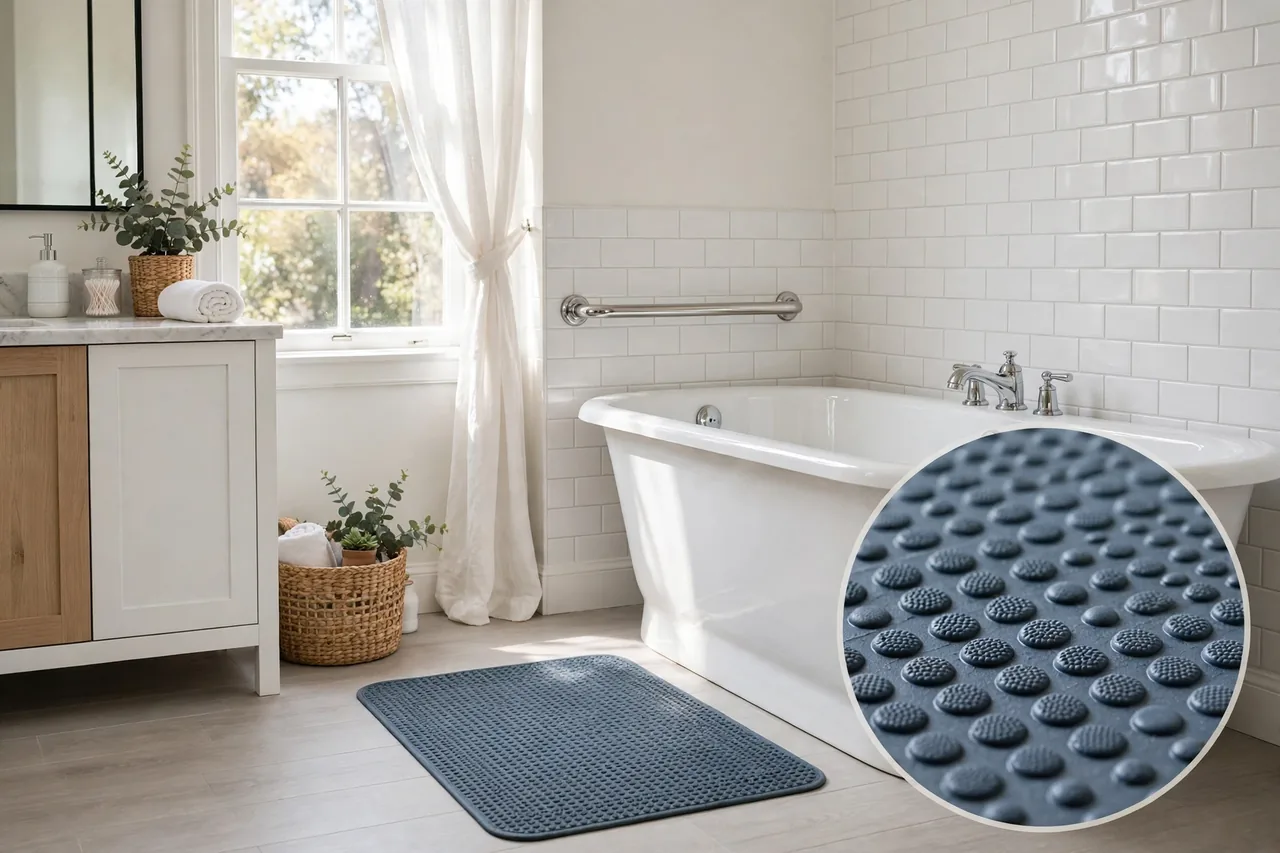
The bathroom is the most dangerous room for falls because water and smooth tile are a slippery pair. Start with grip: put a non-slip mat inside the tub or shower and another one on the floor beside it. Add adhesive non-slip strips to the tub floor if a mat slides around.
Grab bars are the next step, and they make a bigger difference than most people expect. Install one bar inside the shower and one beside the toilet. Grab bars must be screwed into wall studs to hold weight, so get help from a professional if you are not sure where the studs are. Never grab a towel rail or a soap dish for support. They are not built to hold you, and they can break.
Other bathroom fixes are simple: keep soap, shampoo, and towels within easy reach so no one stretches across a wet tub, use a shower chair if standing feels unsteady, and wipe up splashes right away. A raised toilet seat also helps people who struggle to stand up from a low seat.
Make Stairs Safe
Stairs deserve their own attention because a fall on stairs is more likely to cause a serious injury. Handrails belong on both sides of every stairway, and they must feel solid when you pull on them. Tighten loose brackets and replace a wobbly rail at once.
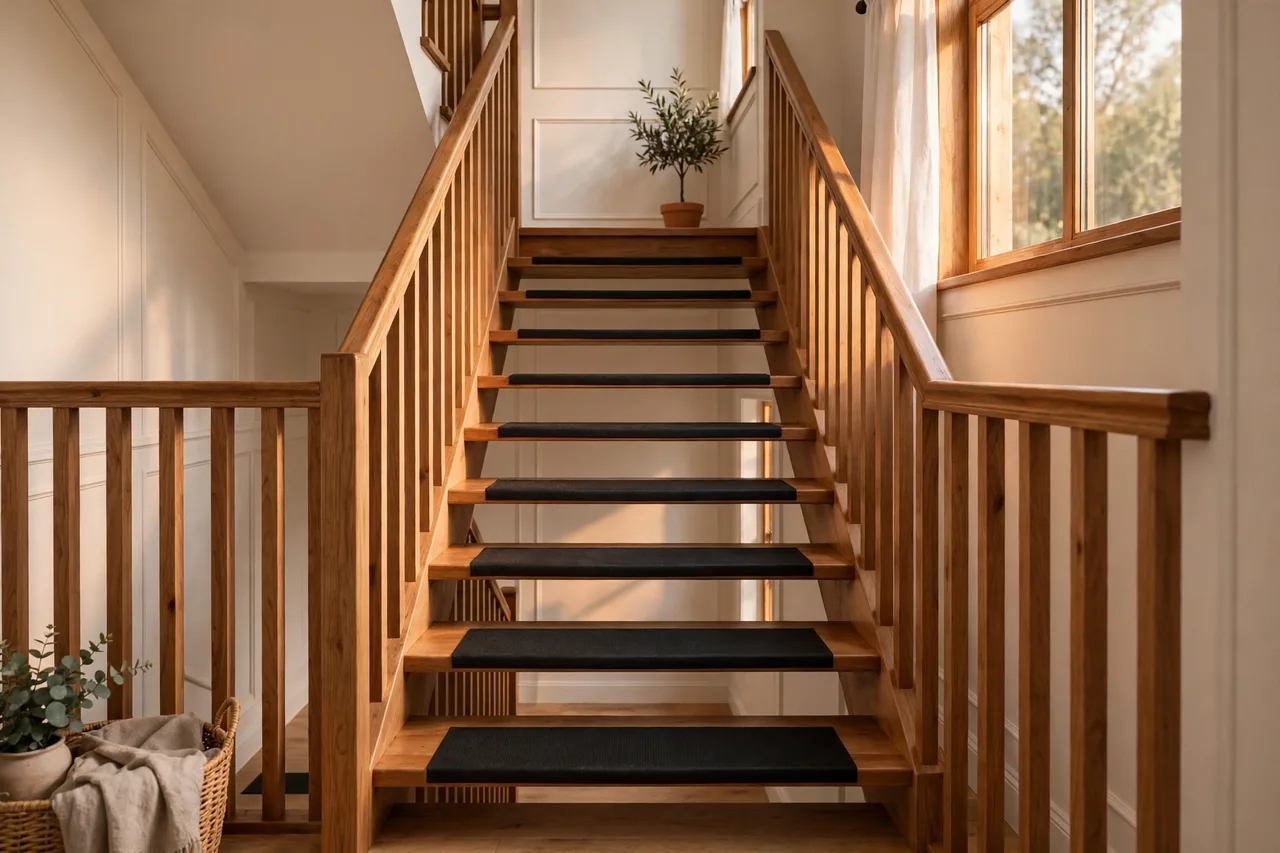
Add non-slip treads or strips to wooden or tile steps, which get slick fast. Mark the edge of the top and bottom steps with bright tape or paint in a contrasting color so the edge is easy to see. Keep the stairway well lit, and never carry a load so big that you cannot see the steps or hold the rail.
If you carry things up and down often, keep one hand free for the rail. A basket or bag slung over a shoulder beats a stack of boxes held with both hands. And if a step itself is broken or loose, repair it before it becomes the reason someone falls.
Choose Footwear and Clothing That Help, Not Hurt
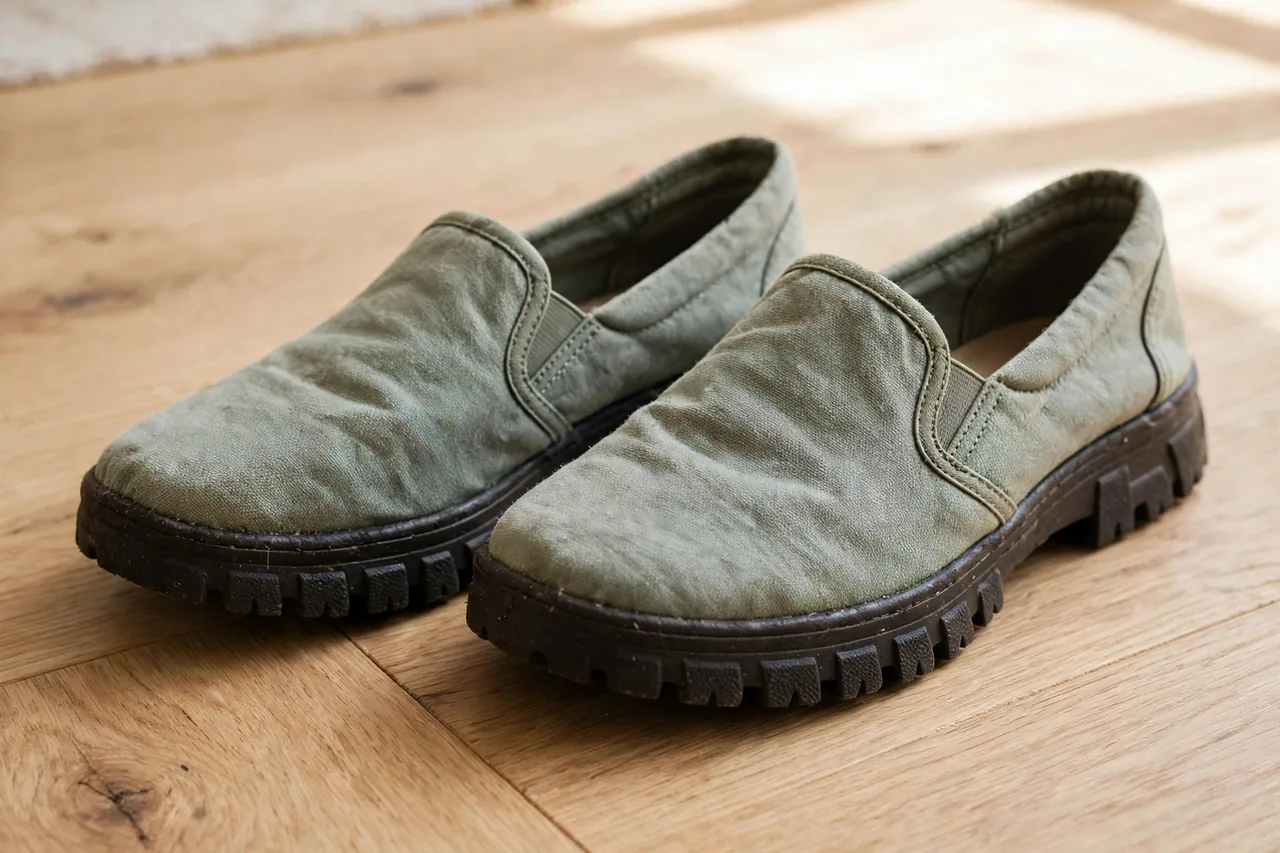
What you wear on your feet changes your grip more than most people realize. Shoes with low, broad heels and rubber non-slip soles give you the best hold on smooth floors. Avoid loose slippers, smooth socks on wood or tile, and high heels inside the house.
Check that shoes fit well and the soles are not worn smooth. Replace slippers when the tread wears out. Clothing matters too: long skirts, robes, and trousers that drag on the floor can catch under a foot, so keep hems above the ankle. Sit down to put on shoes and socks instead of balancing on one foot.
Fall Prevention for Older Adults
Older adults fall prevention starts with the same home fixes, plus a few extra steps for strength and health. Regular exercise that builds leg strength and balance, such as walking, tai chi, or gentle chair exercises, helps the body catch itself after a stumble. Ask a doctor or physical therapist which exercises fit your health before you start.
Other steps help too: have vision and hearing checked every year, review medicines with a doctor or pharmacist, and keep a phone within reach in every main room, or carry a mobile phone, so help is close if a fall happens. Bed rails for seniors to prevent falls can help people who roll or feel unsteady getting in and out of bed, and a low bed, where feet touch the floor when sitting on the edge, makes standing up safer.
Fall prevention devices add another layer. A personal alarm button worn around the neck or wrist, a bedside commode for nighttime use, and a walking aid fitted to the right height all cut risk. If you use a cane or walker, check that the rubber tips are not worn, and replace them when they are smooth.
What to Do After a Fall
If someone falls, stay calm and do not rush to lift them. Ask if they are hurt, check for pain, bleeding, or a hit to the head, and call for medical help if anything seems wrong. Even a fall without injury is worth telling a doctor about, because it can point to a medicine, vision, or balance problem that needs attention. Then look for what caused the fall and fix it, so it does not happen again.
Room-by-Room Fall Prevention Checklist
Use this checklist one room at a time. Tick each item off as you finish it, and repeat the walk-through every few months, because homes drift back toward clutter.
| Room | Check | Fix |
|---|---|---|
| Bathroom | Wet floor, no grip | Non-slip mats, grab bars, shower chair |
| Stairs | Dark steps, loose rail | Handrails both sides, non-slip treads, lighting |
| Kitchen | Spills, high shelves | Wipe spills at once, move items to waist level |
| Bedroom | Night path to bathroom | Night-light, clear path, phone by bed |
| Living room | Rugs, cords, clutter | Tape rugs, move cords, clear paths |
| Outside | Ice, dark steps | Porch lights, salt, handrails |
Work through the list with the whole household. Kids can pick up toys from walkways, teens can check bulbs, and older family members can say which spots feel risky to them. A home that everyone helps to keep safe stays safe longer.
Check Your Home Each Season

Fall risks change with the seasons, so repeat your home check four times a year. In autumn, clear leaves from steps and paths, and check that porch lights still work as evenings get dark earlier. In winter, keep salt or sand by every outside door, clear ice from walks, and check handrails after frost, because a cold metal rail can be slippery to grip.
In spring, check for winter damage: cracked steps, loose deck boards, and rugs that shifted during the cold months. In summer, watch for wet floors near pool and garden doors, and keep outdoor paths clear of hoses and toys. The Centers for Disease Control and Prevention publishes fall prevention guidance for older adults that covers these home checks, and MedlinePlus lists the same core fixes: clear paths, good lighting, grab bars, and safe footwear. A fifteen-minute seasonal walk-through keeps the fixes from slipping.
Related Guides
For wider home safety, see our guide to the best home security systems with cameras, which covers motion lighting and alarms as part of a safer home. If winter weather is your worry, read how to winterize a house for a room-by-room cold-weather checklist, and how to stay warm without power for outage safety. For fire safety planning, see our guide to Christmas tree safety, which covers a common seasonal fire and trip hazard in one place.
Frequently Asked Questions
What are the most common causes of slips and falls at home?
The most common causes are loose rugs, cluttered walkways, cords across floors, wet bathroom tiles, poor lighting, and stairs without solid handrails. Health factors add to the risk, such as weak leg muscles, poor eyesight, dizziness from medicine, and foot pain. Most falls come from a hazard plus a rushed or tired moment.
How can I prevent falls in the bathroom?
Put a non-slip mat inside the tub and on the floor beside it, install grab bars beside the toilet and in the shower, and keep soap and towels within easy reach. Wipe up splashes at once, use a shower chair if standing feels unsteady, and never use a towel rail for support because it can break.
What footwear prevents slips and falls?
Shoes with low, broad heels, a firm fit, and rubber non-slip soles give the best grip indoors and out. Avoid smooth socks on wood or tile floors, loose slippers with worn treads, and high heels at home. Replace shoes and slippers when the soles wear smooth.
How do I make stairs safer for older adults?
Install sturdy handrails on both sides, add non-slip treads to each step, light the stairway top and bottom, and mark the top and bottom step edges with contrasting tape. Keep stairs clear of all storage, and carry loads that leave one hand free for the rail.
What should I do after a fall at home?
Stay calm, check for pain, bleeding, or a head injury, and call for medical help if anything seems wrong. Do not rush to lift the person. Tell a doctor about the fall even if there is no injury, then find what caused it and fix that hazard so it does not happen again.
Start tonight with one small fix: clear the path from your bed to the bathroom, plug in a night-light, and tape down the rug by the door. Small changes like these are how to prevent slips and falls, one room at a time.
Note: This guide gives general home safety tips, not medical advice. If you or a family member has balance problems, dizziness, or a history of falls, talk to a doctor before starting new exercises or changing medicines.