Across the property market, 4 in 5 homeowners face unexpected structural or plumbing faults every year. While routine maintenance can usually wait for a more convenient financial window, certain emergency repairs demand immediate attention to prevent compounding damage. Handling these urgent scenarios without destabilizing your household finances requires a clear strategy, an objective assessment, and a realistic look at available funding options.
Identifying True Emergencies Versus Routine Maintenance
Distinguishing a cosmetic flaw from an acute structural failure prevents unnecessary panic and misallocated funds. A minor crack in interior plaster or peeling paint can safely wait until your next budgeting cycle, while an active roof leak, a completely failed heating system in winter, or a major plumbing rupture requires immediate action. Delaying these critical fixes often lets moisture intrusion, mold growth, or electrical hazards spread, multiplying the final repair bill.
When unexpected property faults such as burst pipes and roof leaks occur, acting quickly helps contain the scope of the damage. However, speed should not override careful evaluation.
Property owners facing sudden crises benefit from taking a moment to assess the problem’s exact boundaries before authorizing expensive emergency callout services. Knowing what constitutes an immediate threat ensures your limited resources go first toward safeguarding the building’s integrity. Investing in preventive maintenance also helps you avoid these sudden disasters and their associated financial shocks.
Securing Professional Estimates and Prioritizing Expenses
Once you confirm the issue demands urgent action, the next logical step is to gather professional estimates. Relying on a single contractor can leave you vulnerable to inflated emergency pricing, so aim to get at least two independent quotes if you have time to consider them.
Homeowners exploring alternative funding methods often review various financial products, including 118 118 credit cards for people with limited credit history that can be applied for online, to bridge immediate cash flow gaps when standard reserves are locked up or depleted. Credit cards are a useful tool in emergencies, and using one responsibly can also build a credit history that benefits you long term.
When evaluating contractor quotes, keep these core priorities in mind:
- Verify that the contractor holds valid public liability insurance before work commences
- Request a written itemized breakdown covering both labor and material costs
- Avoid paying the entire balance upfront until the agreed milestone is completed successfully
Balancing your spending means closely reviewing which parts of the repair are non-negotiable for safety and habitability. If a contractor recommends ancillary upgrades that do not address the core failure, politely decline them until the emergency is resolved. Prioritizing essential structural integrity over aesthetic enhancements keeps the initial expenditure manageable and focused purely on risk mitigation.
Exploring Alternative Funding When Savings Fall Short
Most households maintain a designated emergency fund, but major roof replacements or foundational stabilization can easily outpace liquid savings. When personal reserves fall short, looking beyond traditional banking routes can uncover viable support options.
Many local authorities and specialized lenders offer publicly funded schemes and home improvement loans tailored to homeowners who may have faced financial setbacks. These specialized programs often evaluate current affordability rather than relying solely on historical credit scores.
People receiving certain government benefits may also qualify for a budgeting advance to cover unexpected household emergencies or essential repairs. Additionally, charitable trusts and regional community grants occasionally provide financial assistance for vulnerable residents facing critical home maintenance crises. Weighing these assistance programs against commercial borrowing options helps you choose a path that supports your long-term financial stability without creating unmanageable monthly debt.
Implementing Immediate Temporary Mitigation
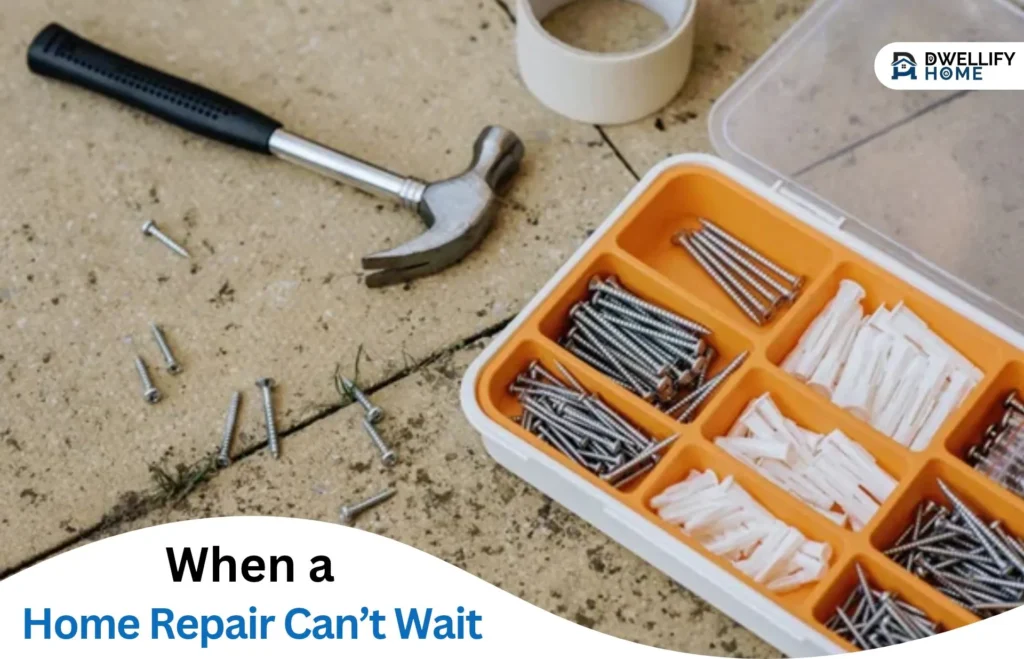
Before contractors arrive, taking safe containment steps can drastically reduce the final repair bill. Knowing how to locate and shut off your main water valve or isolate a faulty electrical circuit can stop the crisis from escalating.
Simple DIY stopgaps like buckets, heavy-duty tarps, or temporary sealing tape buy crucial time. These initial containment measures protect your belongings and structure while you wait for professional help to arrive on the scene. These small containment steps prevent minor water or structural issues from becoming major disasters.
Navigating Insurance Claims and Policy Coverage
Many property owners overlook their buildings and contents insurance policies when facing sudden domestic damage. Reviewing your policy documents clarifies whether your current plan covers accidental damage or storm events. Choosing the right policy in the first place is also important.
Always photograph the damage thoroughly before touching anything or starting temporary fixes. Insurance providers require clear visual evidence of the initial state to process your claim smoothly and release funds for permanent restoration. Keep detailed records and communicate clearly with your insurer to maximize your payout and avoid out-of-pocket surprises.
Navigating Future Property Care With Confidence
Managing a high-cost emergency repair is rarely stress-free, but a structured plan can turn a chaotic event into a manageable project. By identifying urgent threats, vetting professionals, and carefully evaluating funding options, you protect both your property value and your financial health. For more on building a resilient household budget and preparing for unexpected property expenses, read our other posts on home maintenance.
You may notice affiliate or sponsored links throughout this article. These links may generate compensation for Dwellifyhome.com, helping us support our website and continue publishing relevant information for our readers.