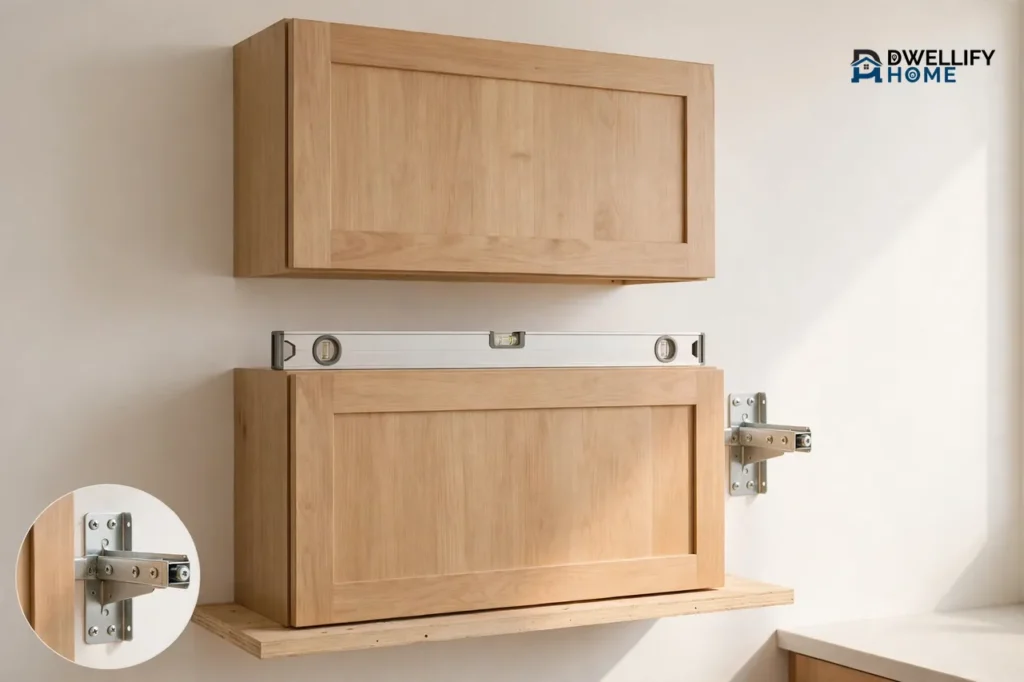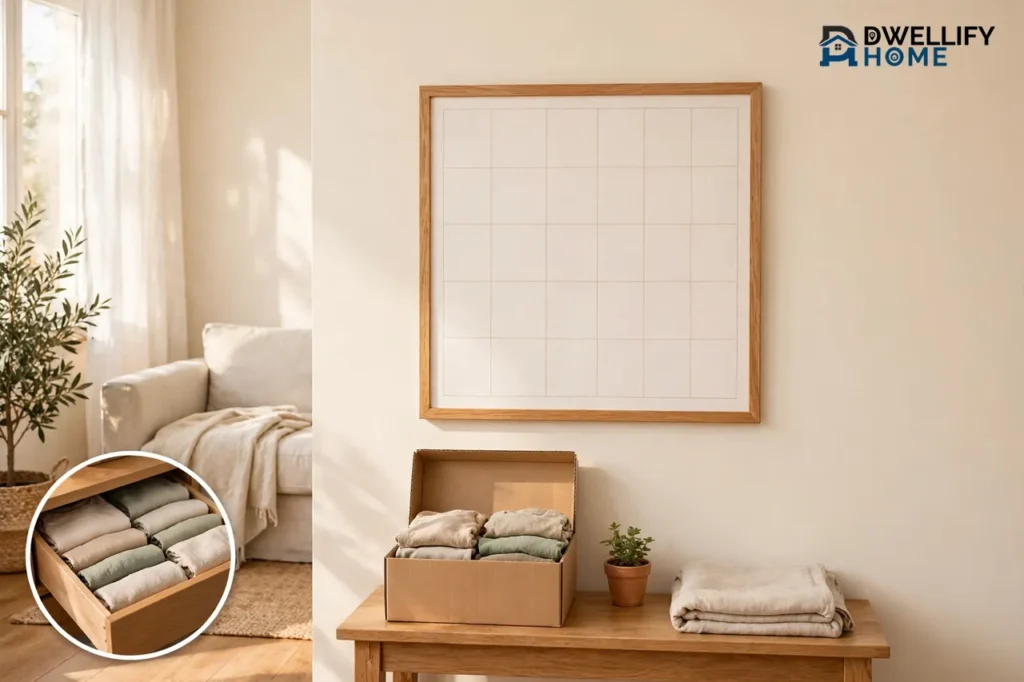
A declutter calendar is a year-long plan that gives you one small task a day and one focus area a month, so you clear your whole home little by little instead of in one exhausting weekend. You follow the month you are in, do the small daily task, and move on. By December, every room has had its turn, and next January the calendar starts again.
That repeat is the whole point. Clutter does not arrive in one day, so it does not need to leave in one day. A calendar spreads the work across the year, and it answers the hardest question in decluttering: what do I do today? You just look at the month, pick up the task, and spend about 15 minutes on it.
What Is a Declutter Calendar?
A declutter calendar is a repeating schedule for your home. Each month has one focus area, each week inside that month has a smaller focus, and each day has one short task. January might focus on bedrooms, February on the kitchen, and so on through December. When the year ends, the calendar starts over, because new clutter always arrives.
A calendar is not the same as a checklist. A decluttering checklist lists what to clear, but it does not tell you when to clear it. A calendar adds the when, so nothing sits on a list for months. It is also not a 30-day program. A declutter challenge runs for one month and then ends, while a calendar keeps going all year. And it is not a whole-house purge either. A decluttering and purging push clears a home in a big burst, while a calendar clears it slowly, one month at a time.
Use a calendar when you want steady progress without burnout. Use a big purge when you need a fast reset, such as before a move. Many homes need both at different times, but the calendar is the tool that keeps the home clear after the big push is over.
How a Declutter Calendar Works: One Small Task a Day
The daily rhythm is simple. Set a timer for 15 minutes, work on one small spot, and stop when the timer rings. One drawer, one shelf, or one bag of clothes counts. Small daily tasks add up fast: 15 minutes a day is more than 90 hours across a year, and most of that time goes to real sorting, not to planning or worrying.
Keep four bags or boxes ready before you start: keep, donate, recycle, and trash. Pick up each item once and put it in a box right away. If you cannot decide on an item, put it in a dated box and store it out of sight. If you have not opened that box in six months, donate it without opening it.
Each month follows the same weekly shape. Week 1 clears the easy, visible spots. Week 2 tackles drawers, cabinets, and hidden storage. Week 3 handles the harder categories, such as duplicates and broken items. Week 4 finishes the leftovers and resets the room. This shape repeats every month, so you never have to invent a plan from scratch.
Daily-task calendars are a proven format. My Simpler Life has published a free yearly declutter calendar with one short task for every day since 2007, and the Declutter 365 program from Home Storage Solutions 101 builds its whole year around short daily missions of about 15 minutes. The idea works because the task is always small enough to start today.
Pair the calendar with a light daily cleaning habit. A daily cleaning schedule keeps surfaces clear while the calendar clears the stuff behind them, and the two routines together take less time than either one alone.

Winter Months: January, February, and March
Winter is the best season to start a declutter calendar. You spend more time indoors, the holidays have just ended, and the new year gives you fresh energy. These three months clear the rooms you live in every day, so you feel the difference fast.
January: Bedrooms and Closets
Start the year where you sleep. A calm bedroom helps you rest, and closets hold the easiest early wins: clothes that no longer fit and shoes you never wear.
- Week 1: Clear nightstands, dresser tops, and the floor around the bed.
- Week 2: Sort clothes by type and remove anything unworn for a year.
- Week 3: Clear shoes, bags, belts, and accessories.
- Week 4: Empty one closet shelf or drawer a day and reset what stays.
Daily task: pull five clothing items a day and decide keep or donate.
February: Kitchen and Pantry
February is a good kitchen month because cold weather keeps you cooking at home. Clear the room where duplicates and expired food pile up fastest.
- Week 1: Toss expired food and consolidate duplicates in the pantry.
- Week 2: Sort dishes, mugs, bakeware, and cookware.
- Week 3: Clear small appliances and gadgets you have not used in a year.
- Week 4: Clean out the fridge and freezer, then wipe the shelves.
Daily task: toss five expired or unused pantry items a day. For a deeper kitchen pass, follow our guide to decluttering the kitchen.
March: Bathrooms and Linen Closets
March opens spring cleaning season, and bathrooms are small enough to finish in a month. Expired products make most of the decisions for you.
- Week 1: Toss expired makeup, sunscreen, and skin care products.
- Week 2: Sort towels and linens, and turn worn ones into cleaning rags.
- Week 3: Clear under-sink cabinets and consolidate cleaning supplies.
- Week 4: Check the medicine cabinet and first-aid kit for expired items.
Daily task: toss one expired item a day. Take old medicines to a pharmacy take-back point instead of throwing them in the trash.

Spring Months: April, May, and June
Spring brings longer days and open windows, so use this season for paper, shared rooms, and the garage. These months clear the spaces guests see and the gear you use outdoors.
April: Paper, Files, and the Home Office
April is tax month in the United States, so your papers are already on your mind. Gather them in one place and deal with them while the habit is fresh.
- Week 1: Clear desk drawers and sort loose paper into action, file, and shred piles.
- Week 2: File insurance, home, and tax records in one secure spot.
- Week 3: Sort office supplies and donate extras to a school or nonprofit.
- Week 4: Scan papers you want to keep, then shred or recycle the rest.
Daily task: recycle ten pieces of outdated paper a day. Shred anything with personal details before you recycle it.
May: Living Room and Shared Spaces
May is the month to reclaim the rooms everyone shares. Clear the surfaces first, because a clear coffee table changes how the whole room feels.
- Week 1: Clear coffee tables, end tables, and every surface that collects clutter.
- Week 2: Sort books, DVDs, games, and media, and donate what you will not revisit.
- Week 3: Untangle cords and recycle cables and remotes for devices you no longer own.
- Week 4: Keep only the decor you love and remove the rest.
Daily task: return three stray items to their proper rooms a day. If a room still feels crowded after the clear-out, our guide on how to organize a room shows the next steps.
June: Garage and Outdoor Gear
June is warm enough to pull everything out of the garage and see what you own. Work in zones so the job stays manageable.
- Week 1: Sort tools and hang the ones you keep on the wall.
- Week 2: Clear sports gear and donate equipment nobody uses.
- Week 3: Sort seasonal decor and garden supplies by holiday or season.
- Week 4: Set up labeled bins and zones so everything has a home.
Daily task: remove one bulky item a day for donation or disposal. Take old paint and chemicals to your local hazardous waste drop-off, and never pour them down a drain.
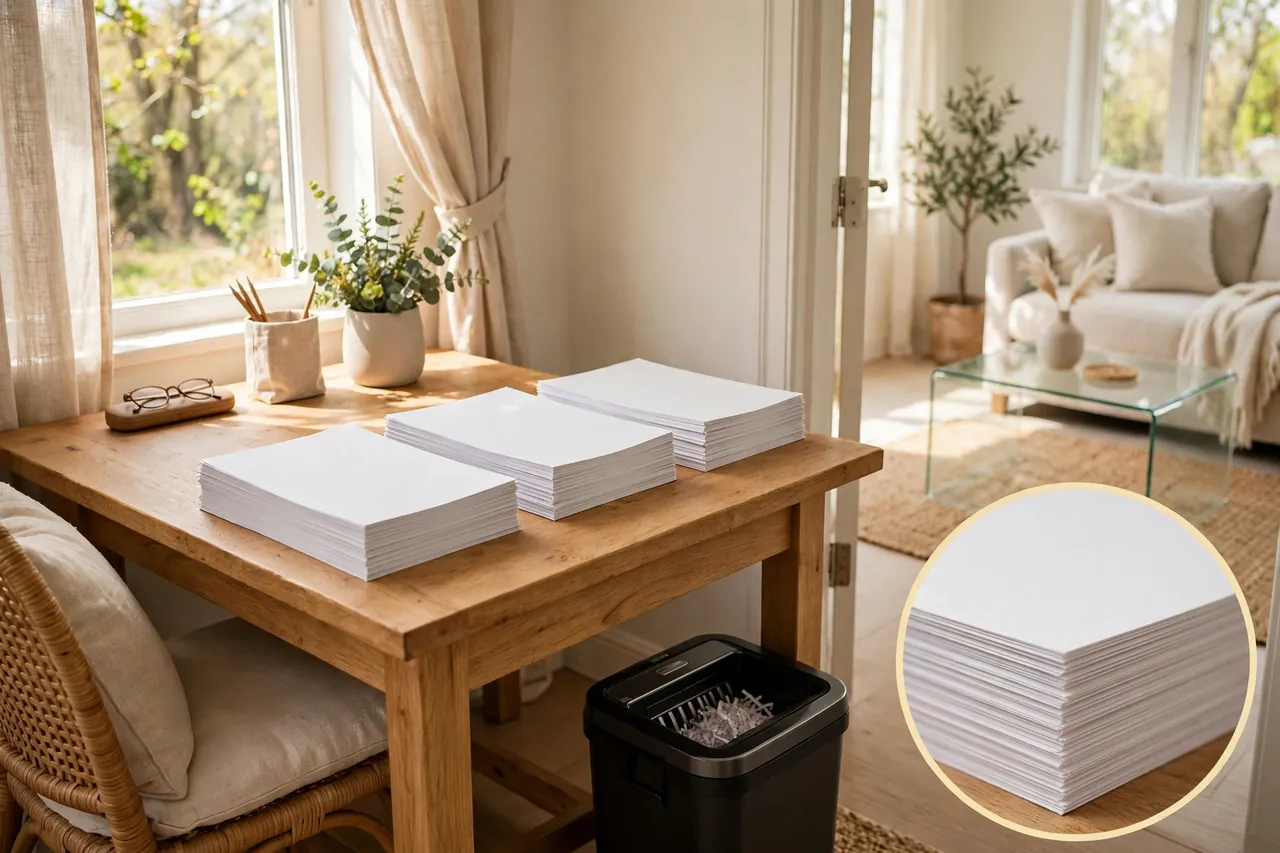
Summer Months: July, August, and September
Summer is busy, so these months focus on small, cool indoor jobs and back-to-school prep. Digital clutter fits July perfectly: you can clear it from an air-conditioned chair.
July: Digital Clutter
Digital clutter is invisible, but it still slows you down. A full phone, a crowded inbox, and a messy desktop all cost you time every day.
- Week 1: Unsubscribe from emails you never read and delete old promotions.
- Week 2: Delete blurry photos, old screenshots, and duplicate pictures.
- Week 3: Clear the downloads folder and tidy the computer desktop.
- Week 4: Cancel subscriptions you do not use and update your passwords.
Daily task: delete 50 photos or unsubscribe from 20 emails a day.
August: Kids’ Rooms and School Gear
August is back-to-school month, so clear kids’ rooms before the new school year starts. Let kids choose a few favorites to keep, and donate the rest.
- Week 1: Sort toys and games, and remove broken ones and missing-piece sets.
- Week 2: Clear outgrown clothes and shoes before school shopping.
- Week 3: Sort books and school supplies, and keep only what the new year needs.
- Week 4: Reset desks, shelves, and backpacks for the first day of school.
Daily task: fill one small bag a day with outgrown toys or clothes for donation.
September: Entryway, Mudroom, and Hobbies
September resets the places where clutter enters your home. A working entryway stops mess at the door instead of letting it spread through the house.
- Week 1: Clear shoes, coats, bags, and mail from the entryway.
- Week 2: Give each family member one hook or cubby, and clear the junk drawer.
- Week 3: Sort pet supplies and donate usable extras to a local shelter.
- Week 4: Review hobby and sports gear, and keep only what you truly use.
Daily task: clear one hook, drawer, or shelf a day.
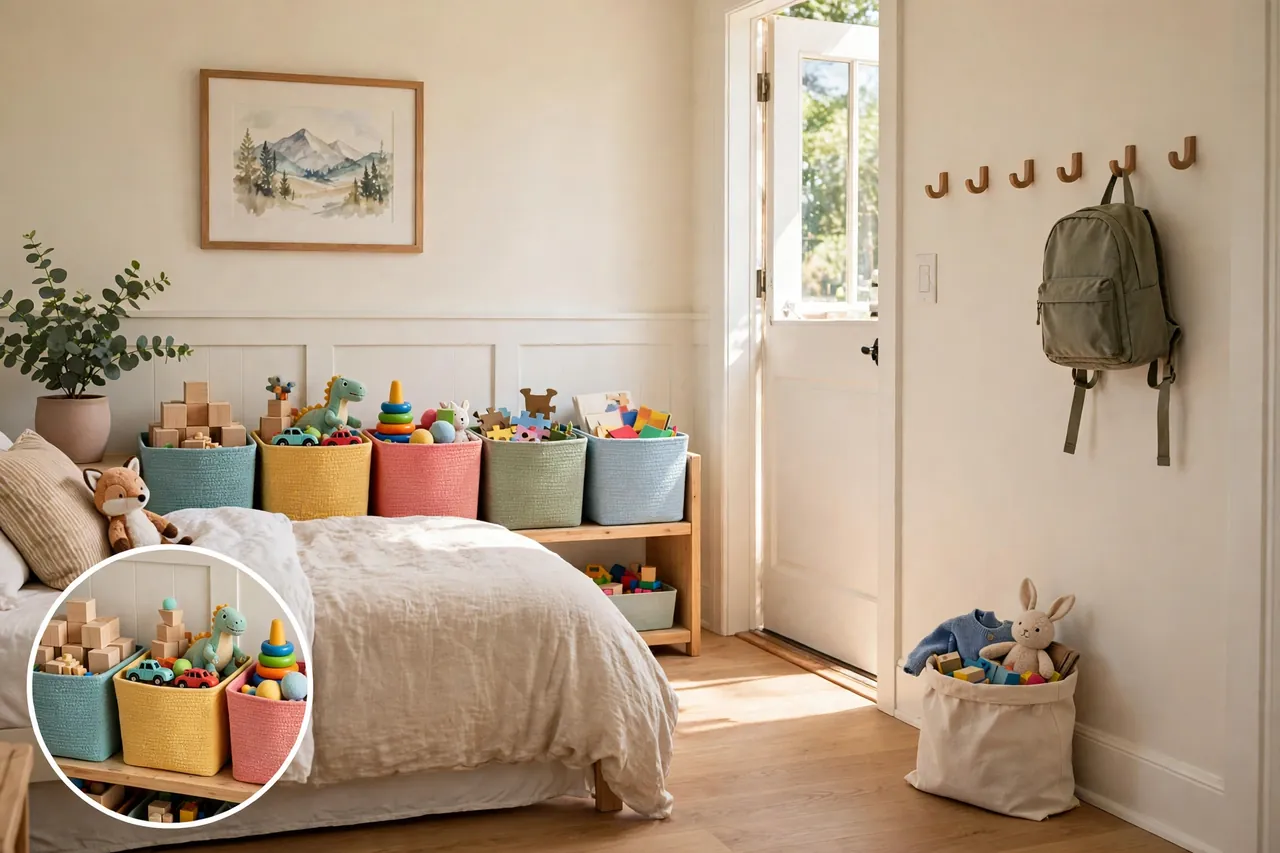
Fall Months: October, November, and December
Fall is the season to face storage spaces, prepare for the holidays, and close the year with a reset. These months turn a year of small tasks into a home that is ready for guests and for January.
October: Attic, Basement, and Storage
October is the last comfortable month for storage work before cold weather arrives. Pick one storage area and work through it section by section.
- Week 1: Clear the attic, starting with holiday decor and boxes you never open.
- Week 2: Sort the basement one section at a time, and finish each section before moving on.
- Week 3: Clear storage shelves and label every bin with its contents and date.
- Week 4: Donate exercise gear you do not use and recycle broken tools.
Daily task: open one stored box a day and decide what stays and what goes.
November: Holiday Prep and Seasonal Decor
November gets you ahead of holiday chaos. Sort your seasonal items before you need them, not while guests are on their way.
- Week 1: Sort gift wrap, ribbons, and bags, and toss anything torn.
- Week 2: Test holiday lights and donate decor you have not used in years.
- Week 3: Clear hosting supplies and keep only what your gatherings truly need.
- Week 4: Sort table linens and holiday kitchen extras, and set aside last year’s unwanted gifts for donation.
Daily task: remove one worn or broken holiday item a day.
December: Reset, Catch Up, and Plan Next Year
December is your catch-up and reset month, not another heavy month. Use it to finish what you skipped, enjoy the holidays, and set up next year’s calendar.
- Week 1: Catch up on any category you skipped or postponed.
- Week 2: Reset small overlooked spots such as the junk drawer, the car, and your purse or wallet.
- Week 3: Set calendar reminders for next year’s seasonal check-ins.
- Week 4: Write down what worked this year and what you want to change next year.
Daily task: reset one tiny spot a day, such as a single drawer or one shelf.
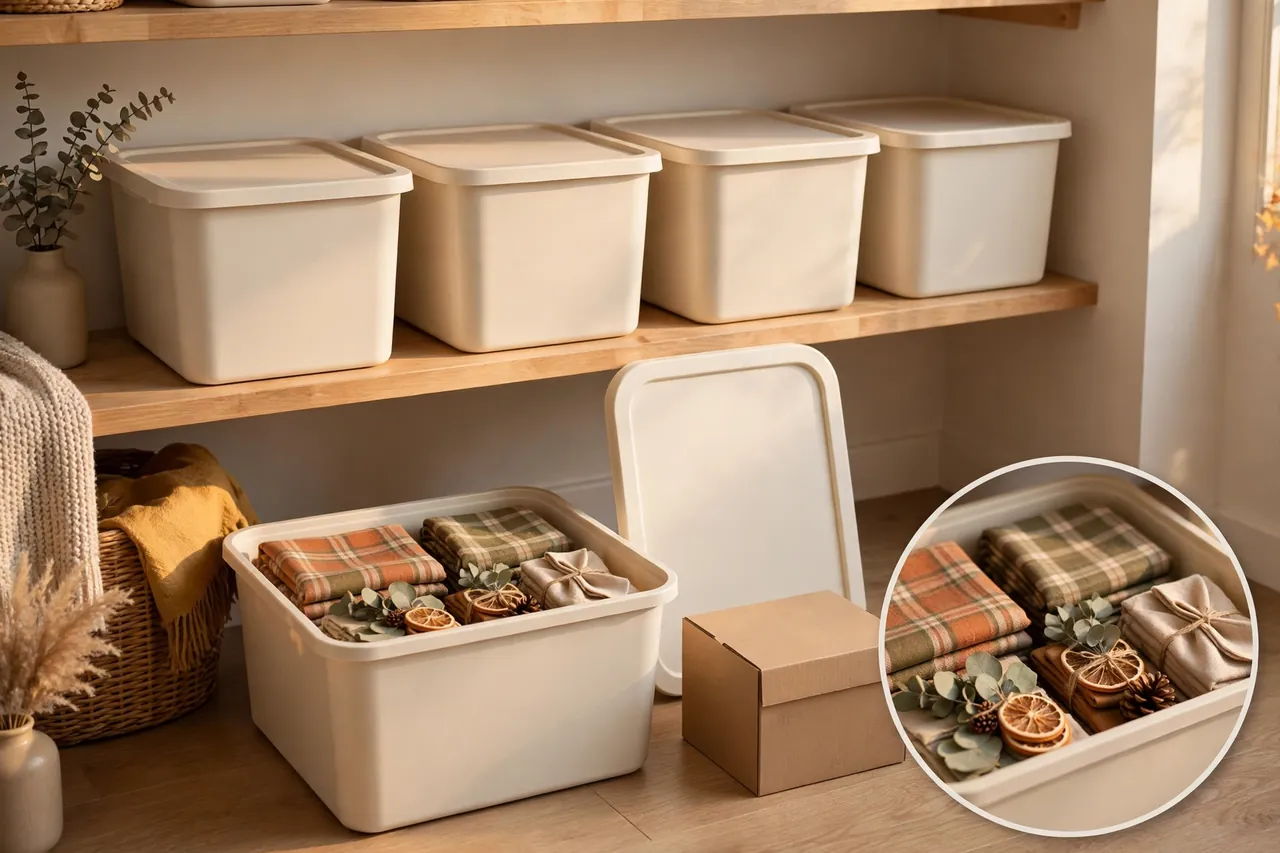
How to Build Your Own Declutter Calendar
The calendar above is a starting point. Your home is different, so shape the calendar around it. Build your own in five steps.
- Walk through your home with a notebook and list every clutter hot spot, from the junk drawer to the garage.
- Group the hot spots into 12 monthly themes, and put the easiest rooms first so you build momentum.
- Match each month to the season. Put outdoor jobs in warm months, paper and office work in winter, and holiday prep in November.
- Pick a daily time that fits your life, such as 15 minutes after dinner, and write it on the calendar.
- Put the calendar where you will see it, such as on the fridge, and check off each day you finish.
If a month does not fit your home, swap it. No kids at home? Replace the kids’ room month with a hobby or craft month. No garage? Give that month to the room that needs it most. A calendar you shaped yourself is a calendar you will actually follow.
What to Do When You Fall Behind
Everyone falls behind on a year-long calendar, and falling behind is not failure. The calendar is built to absorb missed days. Skip the missed tasks, jump to the current month, and keep going. Chasing every missed task is how people quit.
Use December as your safety net. It is a light reset month on purpose, so it absorbs the categories you skipped during the year. If you fall behind by more than a month, pick the single area that bothers you most and clear that one first, then rejoin the calendar. Progress beats perfection every time.
What to Do With the Things You Remove
Decluttering only works when the bags leave your home. Sort every item into four destinations, and move each bag out within the week.
- Donate usable clothes, books, toys, and homeware to a local charity or community group, and call ahead to check what they accept.
- Sell higher-value items on a local marketplace, and set a two-week deadline: if an item has not sold by then, donate it.
- Recycle electronics, batteries, and textiles at proper collection points, and check your local rules first.
- Throw away broken, stained, or truly unusable items without guilt.
Keep one donation bag in a closet all year, and drop things in as soon as you notice you do not need them. A permanent outbox turns decluttering from a project into a habit.
How to Keep Your Home Clutter-Free After the First Year
Finishing the calendar once is a project. Staying clutter-free is a habit, and the second year is easier because the heavy work is already done. Run the calendar again, and it becomes maintenance: most months take far less time the second time around.
Three habits protect your progress. First, use the one-in, one-out rule: when something new comes in, something old goes out. Second, do a ten-minute reset each evening so small messes never grow. Third, run a short seasonal check-in four times a year, and clear the closets and storage that fill up fastest. A whole-house cleaning routine pairs well with these habits, because a clear home is far faster to clean.
If you want to go further, a simpler lifestyle makes the calendar even easier to follow. Our minimalist decluttering checklist shows what to keep when you want less, and our guide on how to become a minimalist explains the mindset behind owning fewer things on purpose.
Related Guides
Decluttering and Purging: A Whole-House Purge That Actually Sticks · The Declutter Challenge: A 30-Day Day-by-Day Plan That Actually Finishes
Frequently Asked Questions
Where should I start decluttering when overwhelmed?
Start with one small, visible spot, such as a single drawer, counter, or shelf. Finishing something small proves the process works and builds the momentum you need for bigger areas. On a calendar, that means starting with the current month and its easiest week, not with the hardest room in the house.
What should I get rid of first when decluttering?
Start with obvious rubbish, expired items, broken things, and duplicates. These need almost no thought and clear space fast. In the calendar, January through March are full of these easy wins: expired food, old makeup, and clothes you have not worn in a year.
How do I declutter sentimental items?
Leave sentimental items until last, after months of practice on easier categories. Keep the best few pieces, take photos of the rest, and ask whether a family member would treasure an item more than it is valued in a box. This calendar saves sentimental sorting for May, once your decision skills are strong.
How long does it take to declutter a whole house?
It depends on the size of your home and how much is in it. Many people work through a house over several weeks of short sessions rather than in one go. A declutter calendar spreads that work across a full year, with about 15 minutes a day, so even a large home gets done without burnout.
Is it better to declutter room by room or by category?
Both methods work, and the best one depends on how your mind works. Room by room gives you clear boundaries and visible results per space, while category-based decluttering helps you see everything you own in one type and cut duplicates. A declutter calendar blends the two: each month focuses on one room or area, and the weeks inside it work through one category at a time.
Pick the month you are in and do today’s task. Fifteen minutes is enough to start, and by this time next year, every room in your home will have had its turn. Print the calendar, stick it on the fridge, and let the year do the heavy lifting one small day at a time.