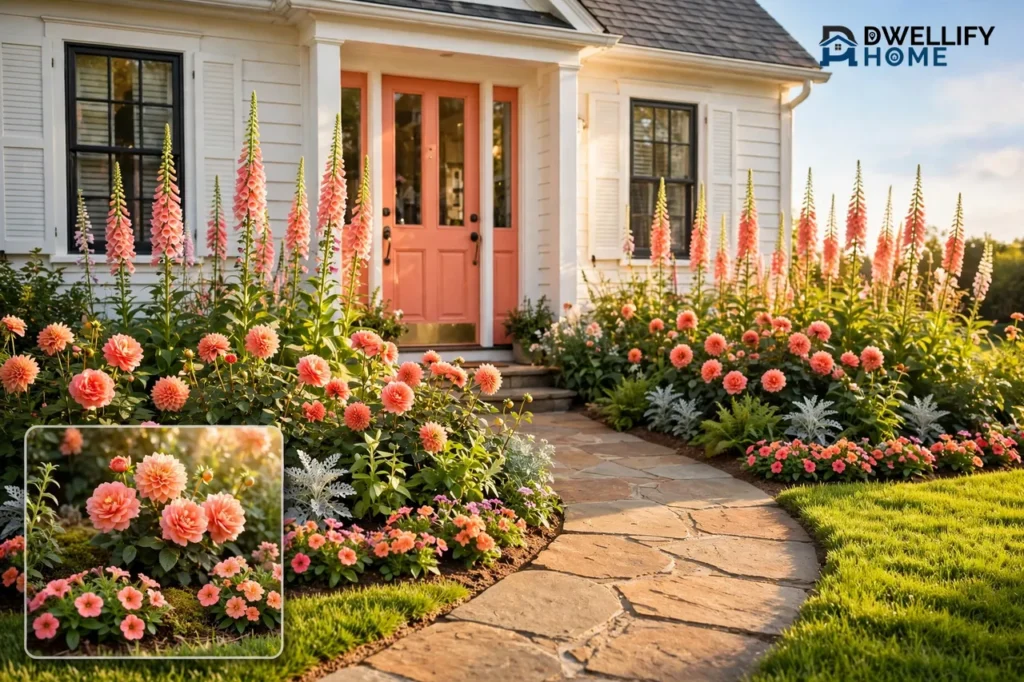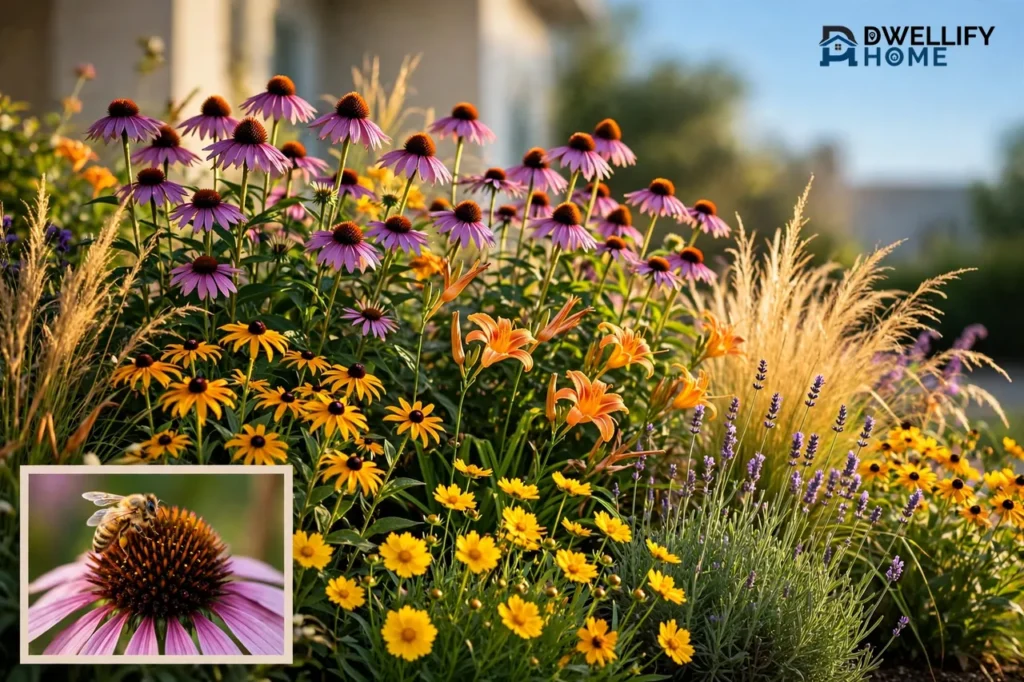
Plants for lots of sun are plants that thrive in at least 6 hours of direct sunlight a day, and the best ones for most American yards are coneflowers, black-eyed Susans, lavender, coreopsis, daylilies, and zinnias. These sun lovers bloom longer, grow stronger, and need less fuss than shade plants forced into a bright spot. Pick the right ones for your soil and zone, water them deeply while they settle in, and a sunny yard turns into the easiest garden you own.
A sunny spot is not a problem to fix. It is the best real estate in your yard. The trick is to stop fighting it with plants that want shade and start planting the ones that were built for heat and light. This guide shows you how to measure your sun, pick plants that truly love it, and keep them happy through the hottest weeks of summer.
What “Lots of Sun” Really Means
Before you buy a single plant, find out how much sun your spot really gets. “Full sun” is the label nurseries use, and the University of Georgia Extension defines it plainly: six or more hours of direct light a day, with most of it coming in the morning and early afternoon. Direct light means the sun hits the plant with nothing in the way. Bright shade does not count.
Watch your yard at 9 a.m., noon, and 3 p.m. on a sunny day. Note when each bed falls into shade from trees, fences, or your house. A spot that looks sunny at breakfast can sit in deep shade by dinner, and a spot that bakes all afternoon needs tougher plants than a spot that only catches the morning sun.
Morning sun is gentle. Afternoon sun is fierce. In hot climates, many plants tagged “full sun” still want a break from the worst afternoon heat. That is why the same lavender that thrives in Ohio can scorch against a south-facing brick wall in Texas. The wall reflects heat back onto the leaves, and the plant cooks from both sides.
How to Measure the Sun in Your Yard
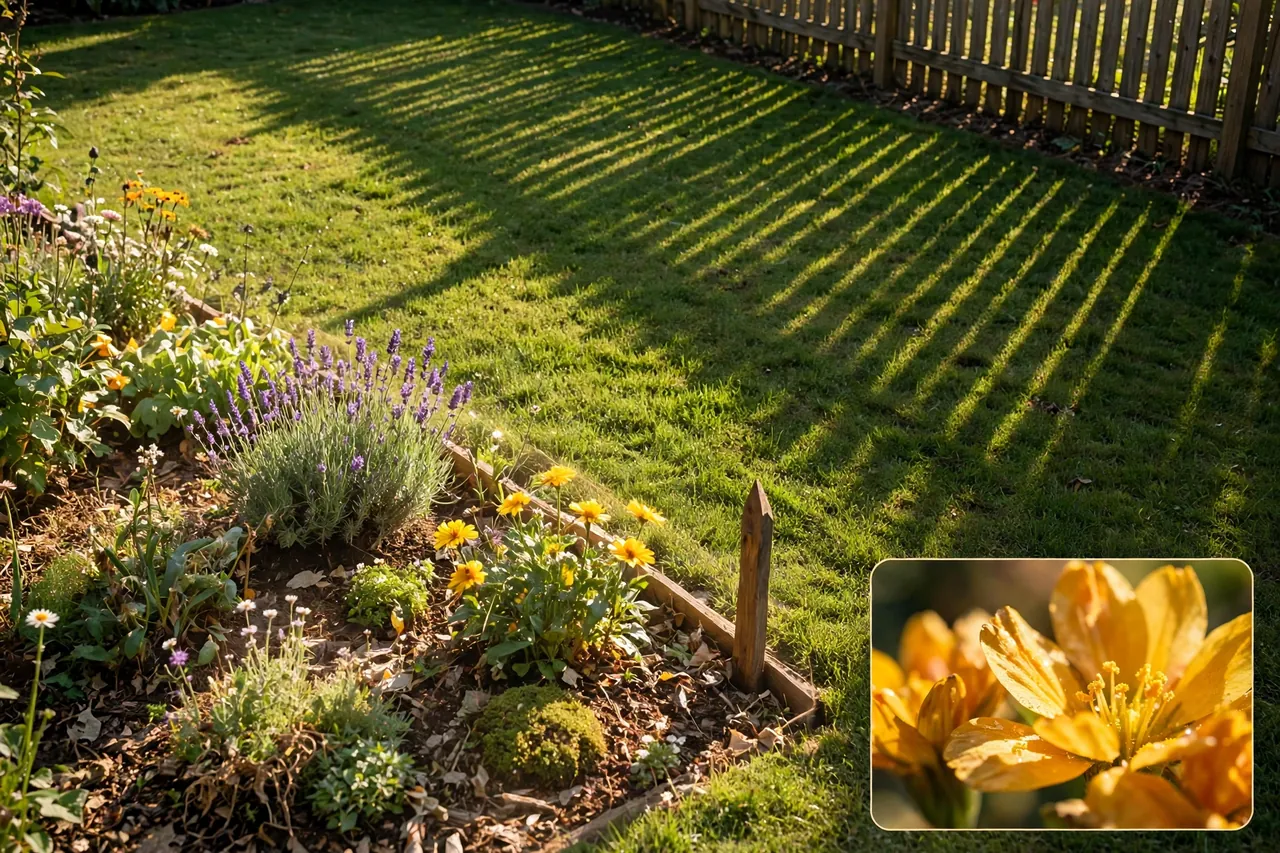
Do this simple check on a clear day in late spring, when trees have fully leafed out:
- Pick the bed you want to plant and mark it with a stick or a stone.
- Check it every hour from 9 a.m. to 5 p.m. and write down when direct sun hits it and when shade covers it.
- Add up the sunny hours. Six or more means full sun. Four to six means partial sun. Less than four means shade, and you need a different plant list.
- Repeat the check in midsummer, because a spot that is sunny in May can turn shady by August as tree canopies fill in.
Write the number on a plant tag or in your phone. When you shop, match the tag’s sun need to your number instead of guessing. That one habit prevents most sun-garden failures.
How to Pick Plants for a Sunny Spot
Sun is only the first filter. A plant that loves sun can still fail if the soil, water, or winter cold does not suit it. Run every candidate through these four checks before it goes in the ground.
First, check your USDA hardiness zone. It tells you which perennials survive your winters. A plant that is hardy to Zone 5 will sail through a Chicago winter, while a Zone 8 plant will not. The zone is printed on every nursery tag, and it matters more than the pretty photo.
Second, check your soil. Most sun lovers want soil that drains well. They hate wet feet. Dig a hole, fill it with water, and watch. If the water is still sitting there an hour later, your soil drains slowly, and you need to fix that before you plant. Raised beds, compost, and coarse grit all help. If the sunny spot stays soggy after rain, fix the drainage first — our guide to finding the cause of a soggy yard and fixing poor drainage walks through the checks step by step.
Third, think about water. Some sun plants sip water once they settle in. Others, like dahlias and cannas, drink heavily all summer. Group plants with similar thirst together so you do not drown the drought lovers while trying to keep the thirsty ones alive.
Fourth, think about size at maturity, not size in the pot. A Russian sage that looks small in a gallon pot can spread four feet wide. Give each plant the room the tag promises, or you will spend every summer cutting back a crowd.
Best Perennials for Lots of Sun
Perennials come back year after year, so they are the backbone of a sunny bed. Plant them once, and they anchor the garden while annuals fill the gaps. These are the most reliable sun-loving perennials for American gardens, chosen for heat tolerance, long bloom, and staying power.
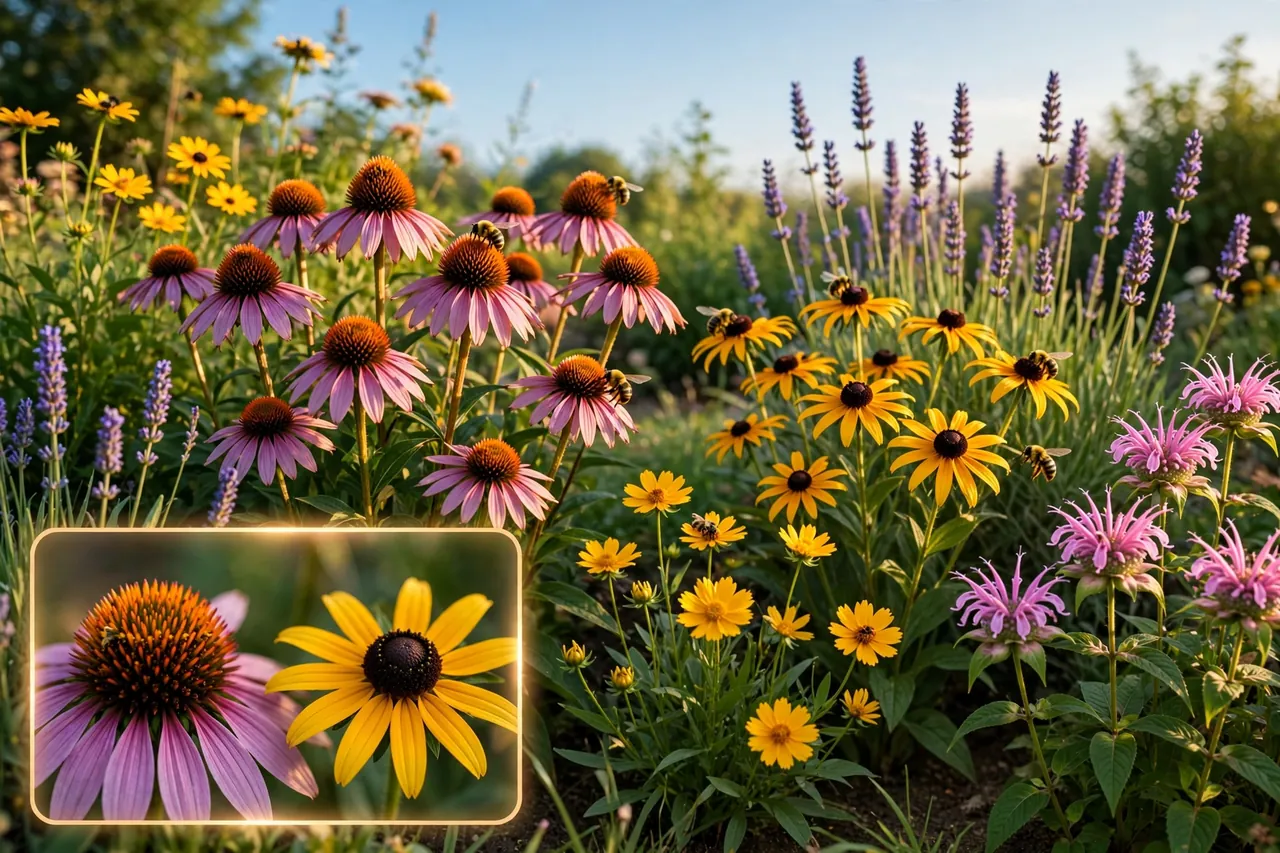
Coneflower (Echinacea). Zones 3–9. The classic sun perennial. Coneflowers stand tall in the hottest afternoon sun, bloom from midsummer into fall, and feed bees, butterflies, and goldfinches. They handle poor soil and dry spells once established. Leave the seed heads up in fall and winter birds will thank you.
Black-eyed Susan (Rudbeckia). Full sun. Cheerful gold flowers with dark centers bloom for months. Black-eyed Susans resist disease, shrug off heat, and spread gently to fill a bed. They are one of the easiest perennials a beginner can grow.
Lavender (Lavandula). Full sun. This Mediterranean native needs sun, heat, and sharp drainage. It hates wet soil far more than it hates cold. Plant it along a path or the front of a bed where you brush past the scent. English lavender suits cooler zones, while Spanish lavender handles warmer regions better.
Coreopsis. Zones 4–9. A fuss-free native prairie plant with daisy-like yellow flowers. Coreopsis blooms heavily, tolerates almost any well-drained soil, and keeps flowering if you snip off the spent blooms. It is one of the longest-blooming perennials you can plant.
Daylily (Hemerocallis). Full sun. Tough as nails and drought tolerant once established. Each flower lasts a day, but a healthy clump throws up new buds for weeks. Reblooming varieties stretch the show from early summer into fall.
Salvia (Salvia). Zones 4–12, depending on the variety. Spikes of purple, blue, or pink flowers that bees love. Salvia is virtually carefree in full sun and well-drained soil once established, and it asks for almost no feeding.
Yarrow (Achillea). Full sun. Flat-topped clusters of tiny flowers in yellow, white, pink, or red. Yarrow thrives in hot, dry, poor soil where fussier plants give up. It is a workhorse for sunny slopes and dry edges.
Sedum (stonecrop). Zones 3–9. Succulent leaves store water, so sedum laughs at drought. Low types carpet the ground, while tall types like ‘Autumn Joy’ hold pink flower heads into fall. Sedum wants lean, dry soil and full sun, and it rots in rich, wet ground.
Russian sage (Perovskia). Full sun. Airy silver stems with lavender-blue flowers create a soft haze from midsummer to frost. Russian sage needs sun and sharp drainage, and deer leave it alone. Give it room — it grows big.
Bee balm (Monarda). Full sun to part shade. Shaggy red, pink, or purple flowers that hummingbirds chase. Bee balm spreads fast in rich, moist soil, so give it air space. Good airflow and full sun help prevent powdery mildew.
Peony. Full sun. Huge, fragrant spring blooms on a plant that can live for decades in one spot. Peonies love the sun but may need extra water during hot, dry spells. Plant them once and leave them alone — they hate being moved.
Bearded iris. Full sun. Bearded irises are among the easiest perennials to grow as long as the soil drains well and they get lots of sun. They actually flourish in high heat, and full exposure keeps their rhizomes healthy and free of rot.
Tall garden phlox. Full sun. Dense clusters of fragrant blooms in pink, white, and purple. Planting phlox in full sun helps prevent powdery mildew, because good air circulation and rapid drying keep the leaves healthy.
Milkweed (Asclepias). Full sun. Essential for monarch butterflies, which lay their eggs only on milkweed. It thrives in bright spots and asks for very little in return.
Sea holly (Eryngium). Full sun. Spiky blue thistles with silvery foliage add a modern, architectural edge to a sunny border. In hot, humid regions, sea holly likes a little shade during the hottest hours.
Quick Comparison: Sun Perennials at a Glance
Use this table to narrow your list before you shop.
| Plant | USDA zones | Water needs | Bloom time |
|---|---|---|---|
| Coneflower | 3–9 | Low once established | Summer to fall |
| Black-eyed Susan | Varies by variety | Moderate | Summer to fall |
| Lavender | Varies by variety | Low | Summer |
| Coreopsis | 4–9 | Low to moderate | Summer to fall |
| Daylily | Varies by variety | Low once established | Summer to fall |
| Salvia | 4–12 | Low once established | Summer to fall |
| Yarrow | Varies by variety | Low | Summer |
| Sedum | 3–9 | Very low | Late summer to fall |
| Russian sage | Varies by variety | Low | Summer to frost |
| Bee balm | Varies by variety | Moderate | Summer |
Zone ranges above come from Garden Design’s plant profiles; where a variety changes the range, the nursery tag is the final word. Check the tag for the exact cultivar you buy.
Best Annuals for Lots of Sun
Annuals live for one season, and that is their strength. They bloom hard and fast, fill gaps while perennials settle in, and let you change the color scheme every year. These annuals love full sun and reward you with months of color.
Zinnia. The best cut flower for a sunny garden. Zinnias come in dwarf and tall forms and nearly every color, and they bloom from early summer until frost. They need at least six hours of sun and moderate water. Snip flowers often and the plant makes more.
Marigold. Bright orange and yellow flowers that bloom nonstop in full sun. Marigolds are cheap, tough, and easy from seed, and many gardeners plant them to help keep pests away from vegetables.
Sunflower. The tallest, cheeriest sun lover of all. Sunflowers need full sun and room to grow, and they turn their faces to follow the light. Grow a row along a fence for instant height, or plant dwarf types in pots.
Lantana. Clusters of tiny flowers in yellow, orange, pink, and purple that butterflies crowd around. Lantana loves heat and handles drought well. In warm zones it can act like a perennial; in cold zones, grow it as an annual.
Angelonia. Upright spikes of purple, pink, or white flowers that stand up to heat and humidity without flopping. Angelonia is one of the few annuals that keeps blooming through the hottest weeks of a southern summer.
Petunia. A classic bedding plant that flowers all season in full sun. Petunias need regular water and a little feeding to keep blooming, but they pay you back with sheets of color.
Best Shrubs and Grasses for Sunny Spots
Flowers give you color, but shrubs and grasses give your sunny garden its shape. They hold the bed together in winter, frame the flowers in summer, and need almost no care once they settle in. This is a shortlist, not a full shrub guide — shrubs get their own deep dive elsewhere, but these are the sun lovers worth knowing first.
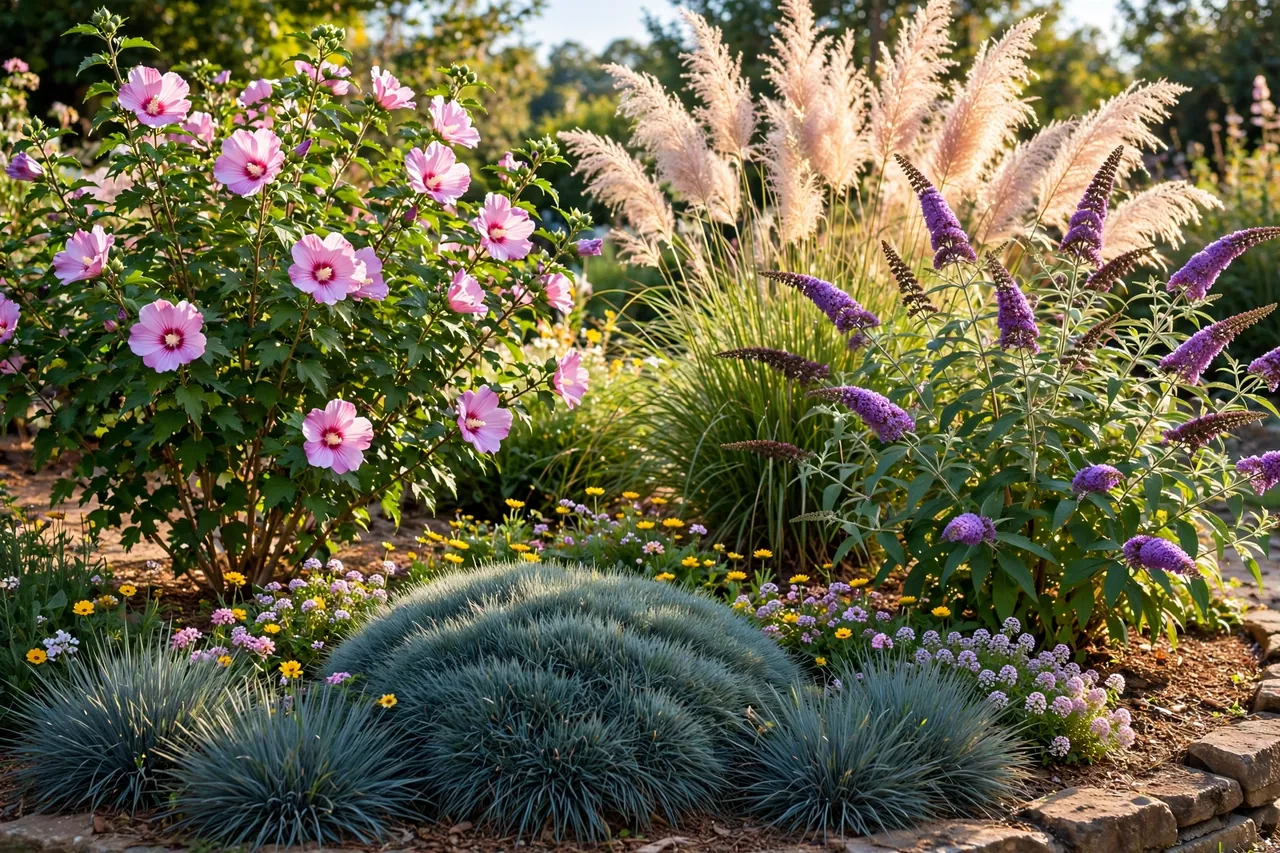
Rose of Sharon (Hibiscus syriacus). A hardy deciduous shrub with big tropical-looking flowers from midsummer into fall. Unlike its tropical cousins, it is cold-hardy and thrives in full sun. Use it as a flowering hedge or a small specimen tree.
Butterfly bush (Buddleja). Cone-shaped flower clusters that can reach a foot long, and butterflies arrive within minutes. Butterfly bush wants full sun and well-drained soil. Cut it back hard in early spring and it regrows fast.
Abelia. A semi-evergreen shrub with glossy leaves and small tubular flowers from summer into fall. Abelia is adaptable and nearly carefree, and its foliage color is best in full sun.
Maiden grass (Miscanthus). Tall ornamental grass with feathery plumes that catch the light. It adds height, movement, and winter interest to a sunny bed. Plant it where the wind can move through it.
Blue fescue. Zones 4–8. A compact ornamental grass with steel-blue foliage and a neat, mounded shape. Blue fescue is drought tolerant, evergreen in mild climates, and virtually maintenance-free in full sun.
If your sunny spot is a slope, terracing it with a wall opens up flat planting space that holds soil and water better. Our guide to building a retaining wall on a slope shows the beginner-friendly steps.
Sun-Loving Plants for Containers and Porches
A sunny porch or patio is a perfect place for pots, because containers let you grow sun lovers even if your yard soil is poor. But pots dry out far faster than the ground, so pick plants that forgive a missed watering.
Good container picks for full sun include lavender, lantana, zinnias, petunias, dwarf sunflowers, and sedum. Herbs like rosemary and thyme also love sun and heat, and they earn their keep in the kitchen. Use a large pot — small pots dry out in hours on a hot porch — and use potting mix, not garden soil, so water drains freely.
Water potted sun lovers daily in the height of summer, and check the soil with your finger before you water. If the top inch is dry, water deeply until it runs out of the drainage holes. Our guide to how to water plants the right way covers when, how much, and how often to water, and the same rules work for porch pots.
For the sunniest pool areas, plants need to handle heat, splashes, and reflected light off the water. If you are planting around a pool, see our rectangle pool landscaping ideas for plant and layout picks that hold up in that bright, hot microclimate.
How to Plant and Care for Sun-Loving Plants
Sun lovers are tough, but they still need a good start. Follow these steps and your plants will establish fast and need less help later.
- Prepare the soil. Clear weeds and grass from the bed. Work in a generous amount of compost or well-rotted manure. This improves the soil’s ability to hold moisture, which matters most in a high-exposure bed. Make sure water drains freely — most sun-loving plants do not like wet feet.
- Plant at the right depth. Set each plant at the same depth it sat in its pot. Planting too deep rots the crown; planting too shallow dries the roots. Firm the soil gently around the roots and water right away.
- Water deeply for the first two weeks. New plants need steady water while roots grow into the surrounding soil. Water deeply and less often, so roots grow down instead of staying near the surface. A weekly deep soaking beats a daily sprinkle.
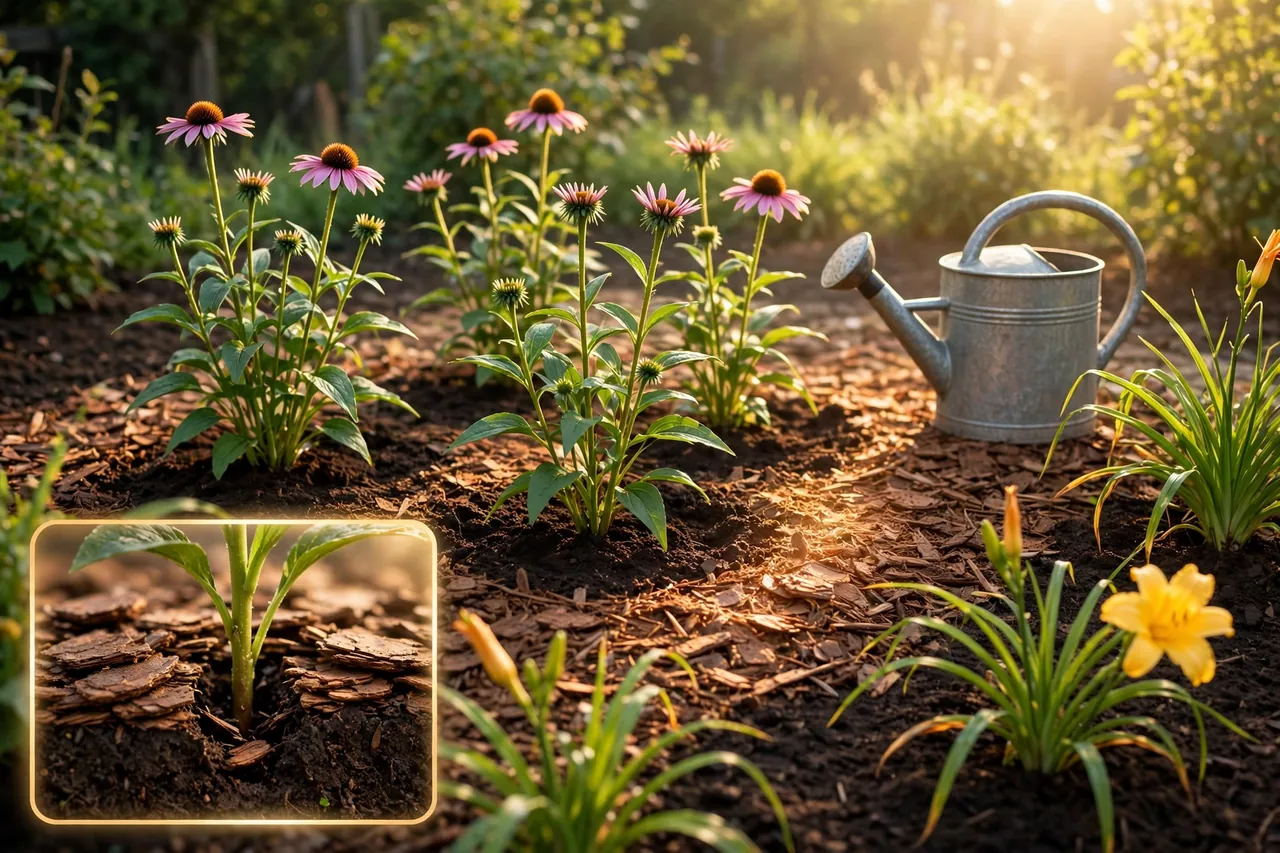
- Mulch 2 to 3 inches deep. Mulch keeps soil cool, holds moisture, and blocks weeds. Keep mulch a few inches away from stems and crowns so they stay dry and rot-free. Breck’s sunny-garden guide recommends the same 2–3 inch layer to cut evaporation from the soil surface.
- Feed lightly, if at all. Most sun perennials prefer lean soil. Too much fertilizer makes soft, floppy growth that burns in the sun. A little compost in spring is usually enough. Heavy feeders like dahlias and cannas are the exception — they appreciate regular feeding.
- Deadhead and divide. Snip off spent flowers on coneflowers, coreopsis, and zinnias and they keep blooming. Divide crowded perennials like daylilies and bee balm every few years in spring or fall to keep them vigorous.
When you are ready to buy, compare sellers before you order. Our list of the best places to buy plants online covers shipping and guarantees, so you know what arrives alive and what the seller will replace.
What Goes Wrong in Full Sun
Even sun lovers have limits. Here are the problems that show up most in sunny beds, and what to do about each one.
Leaf scorch. Brown, crispy leaf edges mean the plant is losing water faster than its roots can replace it. This hits plants that were just transplanted, plants in small pots, and plants against hot walls. Water deeply in the morning, add mulch, and give the plant temporary shade with garden cloth during a heat wave.
Afternoon wilting. Many plants wilt a little in the afternoon heat and perk up by evening. That is normal. If the plant is still wilted in the morning, it is genuinely thirsty — water it deeply right away.
Dry, cracked soil. Bare soil in full sun can bake hard and shed water instead of soaking it in. Mulch fixes this. A 2–3 inch layer of bark, straw, or shredded leaves keeps the soil surface cool and moist.
Leggy, floppy growth. A plant that stretches tall and falls over is usually reaching for more light or drowning in too much fertilizer. Move it to a sunnier spot, cut back on feeding, and pinch or cut back leggy stems in early summer so they branch out.
Powdery mildew. White powder on leaves shows up when air cannot move through a crowded bed. Space plants for airflow, water at the base instead of overhead, and plant mildew-prone types like phlox and bee balm in full sun, where leaves dry fast.
Plants That Look Tough but Struggle in Hot Sun
Not every plant with a “full sun” tag can handle a blazing hot yard. The tag describes light, not heat. Some plants need six hours of sun in a cool climate but burn in the same sun in a hot one.
Hydrangeas are the classic example. Many types bloom best with morning sun and afternoon shade, and they wilt dramatically in hot afternoon light. Azaleas, rhododendrons, and camellias also prefer protection from the worst heat. Hostas and ferns belong in shade, full stop — a sunny bed will scorch them in days.
The rule is simple: in Zones 7 and warmer, give heat-sensitive plants morning sun and afternoon shade, even if the tag says full sun. In cooler zones, the same plants can take all-day sun happily. When in doubt, ask your local nursery which varieties handle your summers — they know your heat better than any tag.
A Simple Sunny-Bed Plan
You do not need a design degree to build a sunny bed that looks good. Use this simple layout and it will look planned from day one.
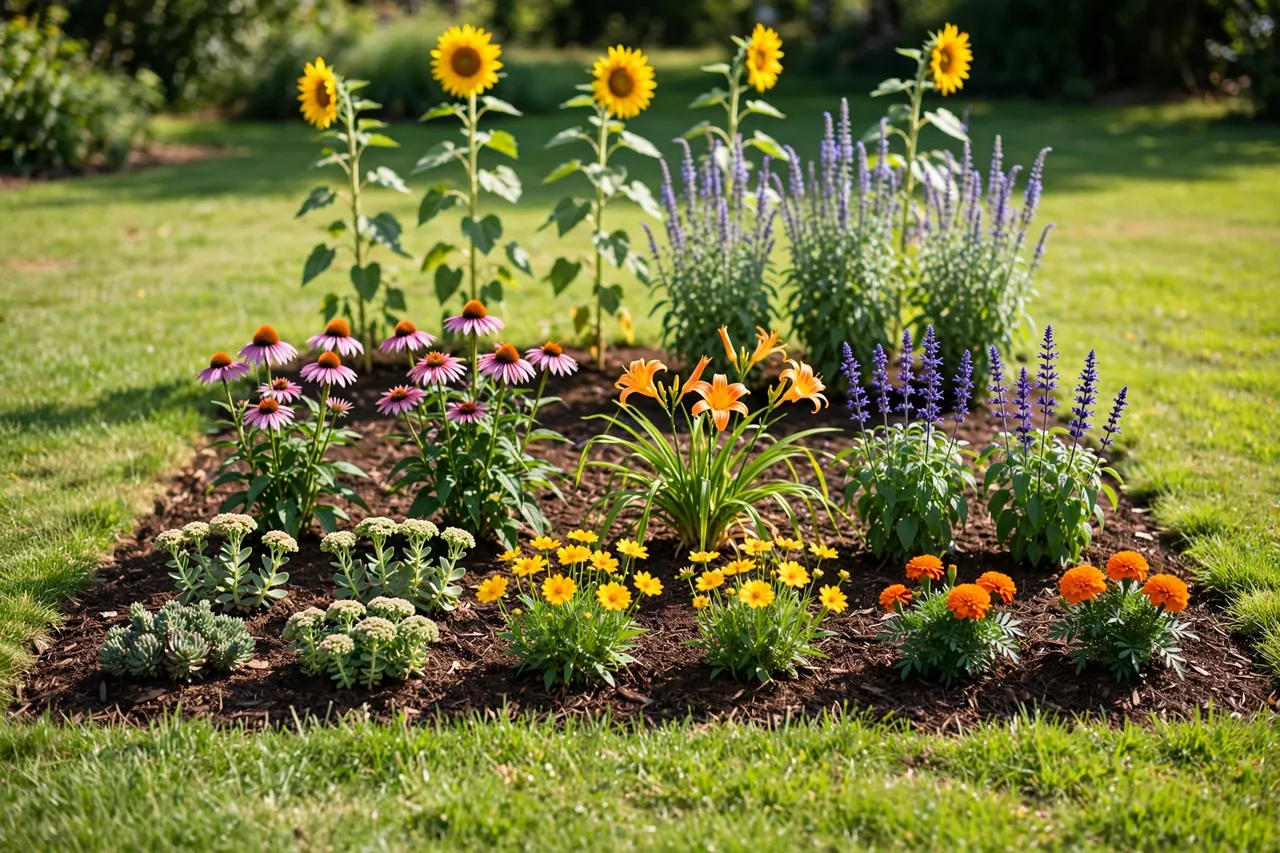
Put the tallest plants at the back: Russian sage, tall phlox, hollyhock, or sunflowers. Put medium plants in the middle: coneflowers, daylilies, salvia, and bee balm. Put the shortest plants at the front: sedum, coreopsis, marigolds, and blue fescue. This stair-step layout means every plant gets sun and you can see every flower.
Mix bloom times so something is always flowering. Spring brings peonies and bearded iris. Early summer brings salvia, coreopsis, and catmint. Midsummer brings coneflowers, daylilies, and black-eyed Susans. Late summer and fall bring sedum, Russian sage, and asters. One bed, four seasons of color.
For ground cover along the sunny edge of a bed, low spreaders fill gaps and crowd out weeds. Compare the two classic choices in our creeping myrtle vs periwinkle guide before you plant, because they behave very differently once they settle in.
Plant in groups of three or five of the same variety instead of one of everything. Garden designer Tracy DiSabato-Aust recommends planting full-sun perennials in mass groupings rather than scattering them one by one, and the advice holds up: a drift of five coneflowers reads as a design, while five single plants read as a yard sale. This Old House’s full-sun garden guide makes the same point for beginners building their first sunny bed.
Related Guides
Full Sun Shrubs · Plants for Shade · Landscape Plants
- Best Places to Buy Plants Online: Shipping & Guarantees — compare sellers before you order sun lovers.
- Soggy Yard? How to Find the Cause and Fix Poor Drainage — fix wet soil before you plant sun lovers that hate wet feet.
- How to Build a Retaining Wall on a Slope — terrace a sunny slope into flat, plantable beds.
- Rectangle Pool Landscaping Ideas for a Stylish Outdoor Oasis — plants and layouts for bright pool areas.
- Creeping Myrtle vs Periwinkle: Real Differences — pick the right ground cover for your bed edges.
- How to Water Houseplants: When, How Much and How Often — watering rules that work for porch pots too.
Frequently Asked Questions
What does full sun mean for gardening?
Full sun means your plants get at least six hours of direct, unfiltered sunlight each day, and many flowering plants do even better with eight or more hours. Check your yard at 9 a.m., noon, and 3 p.m. to see which spots stay sunny and which fall into shade.
What is the best perennial to plant in full sun?
Coneflowers, coreopsis, black-eyed Susans, lavender, and daylilies are among the best perennials for full sun, because they handle heat well and flower for a long time. Pick the ones that match your USDA zone and soil, and they will return year after year with very little care.
Which plants grow best in sunny gardens?
Sun-loving flowers that do best with at least six hours of sunlight include coneflowers, black-eyed Susans, coreopsis, lavender, salvia, yarrow, sedum, and zinnias. Add ornamental grasses like maiden grass and blue fescue for height and texture between the flowers.
Can flowers get too much sun?
Yes, even sun-loving flowers can suffer leaf burn or die back in extreme heat, especially against hot walls or in small pots that dry out fast. Water deeply in the morning, mulch 2–3 inches deep, and give plants brief shade with garden cloth during heat waves.
How do I keep my sunny garden from drying out?
Water deeply once a week instead of sprinkling lightly every day, so roots grow down where the soil stays cooler and moister. A 2–3 inch layer of mulch also suppresses weeds and cuts evaporation from the soil surface. Water early in the day to lose less to evaporation.
A sunny yard is the easiest garden to love. Measure your sun, plant the proven sun lovers in this guide, and give them deep water and mulch while they settle in. By next summer, the bed that once baked empty will be the brightest spot in your yard — and the one that asks the least of you.