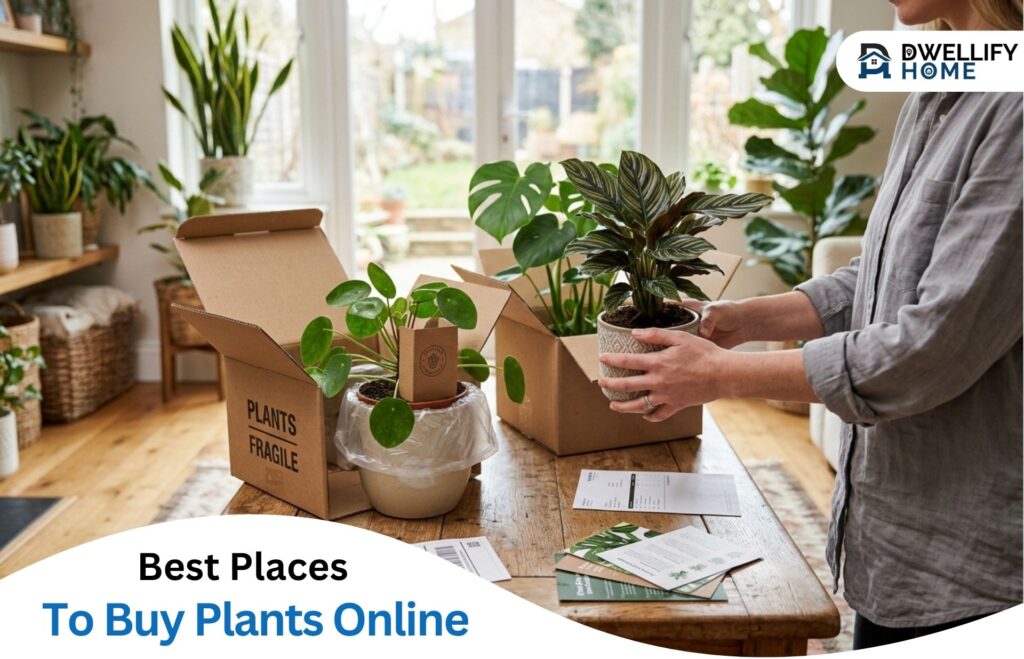
Buying a plant online means trusting more than a product photograph. The retailer must send the right plant, in the expected size and form, through weather and carrier handling—and offer meaningful help if it arrives damaged.
The best places to buy plants online aren’t interchangeable. The Sill suits beginners who want approachable houseplants, Bloomscape specializes in larger home-ready plants, Prairie Moon Nursery focuses on North American natives, and Garden Goods Direct is geared toward landscape trees and screening plants.
The right choice depends on what you’re buying, how it will be shipped, and how much protection you want after delivery.
Short Definition
The best places to buy plants online are retailers and marketplaces compared for plant selection, delivery reliability, buyer protection, and suitability for particular indoor or outdoor needs.
My First-Hand Experience
Comparing 12 retailers taught me that the headline guarantee rarely tells the whole story—claim deadlines, photo requirements, exclusions, and replacement-shipping costs matter just as much. I also learned to choose by plant type first and retailer name second, because a strong succulent store may be a poor fit for a landscape tree.
Mission Statement
DwellifyHome helps homeowners, renters, and home lovers create practical, comfortable, and stylish spaces through clear, trustworthy guidance.
Best Online Plant Stores at a Glance
- Best for beginner-friendly houseplants: The Sill
- Best for large, home-ready houseplants: Bloomscape
- Best for rare and large tropical plants: PlantVine
- Best for self-watering plants: Easyplant
- Best for succulents and cacti: Mountain Crest Gardens
- Best for Proven Winners cultivars: Proven Winners Direct
- Best for perennials: Great Garden Plants
- Best for broad outdoor selection: Nature Hills Nursery
- Best for landscape trees and privacy plants: Garden Goods Direct
- Best for North American native plants: Prairie Moon Nursery
- Best for pickup and return convenience: The Home Depot
- Best for independent sellers and unusual finds: Etsy
How We Compared the Stores—and What Buyers Should Check
These retailers were compared using their current catalogs, plant forms, delivery coverage, shipping information, and official guarantee terms. Retailer claims weren’t treated as independent proof that every order will arrive without problems; live plants naturally vary, and carrier handling remains part of the risk.
Match the Retailer to the Plant and Growing Conditions
Start with the plant rather than the store. For a houseplant, consider available light, humidity, mature size, care demands, and whether it is suitable around children or pets.
For outdoor perennials, shrubs, and trees, check cold hardiness as well as sunlight, soil, moisture, and mature spread. The USDA Plant Hardiness Zone Map reflects average annual extreme minimum winter temperatures, so it’s a useful starting point—not a complete measure of whether a plant suits a particular yard.
Check the Plant’s Size, Shipped Form, and Included Pot
“Small,” “starter,” and “large” aren’t standardized sizes. Look for the actual plant height, container width, and whether height includes the pot.
Plants may arrive as:
- A finished plant in a decorative container
- A plant in a plastic grower pot
- A young starter plant
- A rooted plug or cutting
- A dormant bare-root plant
- A bulb, tuber, or crown
A low price can reflect a much younger plant rather than a better bargain. Confirm whether the listing photograph shows the expected size, an example specimen, or a mature version of the plant.
Calculate the Total Delivered Cost
Compare the checkout total, not only the listed plant price. Shipping, expedited delivery, cold-weather packaging, optional warranties, and decorative pots can significantly change the value of an order.
A common plant with local pickup may cost less overall than an inexpensive mail-order plant. Online specialists become more valuable when they offer a cultivar, size, or species that nearby stores don’t carry.
Review Shipping Coverage, Timing, and Guarantee Terms
Check whether the retailer serves your destination and whether the specific plant is restricted. Outdoor plants may ship according to regional weather or dormancy, while tropical plants can be delayed during temperature extremes.
Read what the guarantee actually provides. A long coverage period may sound reassuring, but the remedy could be store credit rather than a refund, and replacement shipping may not be included.
Separate Storewide Policies From Marketplace Seller Policies
A nursery controls its catalog and publishes one central policy. Etsy and similar marketplaces host independent businesses, so plant quality, packaging, shipping methods, and return terms can differ from seller to seller.
Evaluate the individual shop’s recent plant reviews, listing photographs, delivery history, location, and damage policy. A marketplace’s buyer-protection program doesn’t replace careful seller selection.
12 Best Places to Buy Plants Online
1. The Sill — Best for Beginner-Friendly Houseplants and Care Support
The Sill offers a curated houseplant selection organized around practical needs such as easy care, low light, pet-friendly choices, and plant size. Many options pair a plant with a decorative planter, making them suitable for gifts or finished home displays.
The retailer ships live plants within the contiguous United States. Its 30-day Customer Happiness Guarantee provides a free replacement for qualifying damage and requires photographs. The curated selection and finished presentation may be less appealing to buyers seeking the lowest-cost nursery pot.
2. Bloomscape — Best for Large, Home-Ready Houseplants
Bloomscape is particularly useful for shoppers who want substantial indoor plants without transporting them from a garden center. Its catalog includes fully grown, potted plants across several sizes, including large statement plants.
Plants ship to the 48 contiguous states and come with care guidance. Bloomscape’s 30-day guarantee requires photographs for damage claims. Repotting an indoor plant during that period can void coverage, except when repotting a replacement supplied in a grower pot.
3. PlantVine — Best for Rare and Large Tropical Plants
PlantVine carries houseplants, palms, flowering plants, trees, patio specimens, and a dedicated rare-plant collection. For eligible orders, the company sends a photograph of the selected plant before shipment, which helps reduce uncertainty about the specimen.
Standard shipping serves the lower 48 states, although restrictions apply to some plants. PlantVine’s current order guidance says transit damage should be reported within two business days and that live plants cannot be returned. Keep the plant and packaging while a claim is reviewed.
4. Easyplant — Best for Low-Maintenance Self-Watering Plants
Easyplant sells indoor plants already installed in reservoir-based self-watering planters. It is a practical option for someone who wants a finished display and fewer routine watering decisions.
The company ships to the contiguous United States, and its FAQ states that plants receive a 90-day health guarantee, with optional extended coverage available. The trade-off is less flexibility: buyers are paying for the plant and proprietary planter system rather than a basic nursery-pot plant.
5. Mountain Crest Gardens — Best for Succulents and Cacti
Mountain Crest Gardens offers individual succulents, cacti, hardy varieties, trays, plugs, cuttings, and assorted collections. This range works for a windowsill plant, a container project, or a larger planting scheme.
Its 30-day quality guarantee covers specified problems such as root rot, disease, major breakage, and pest infestation. Packages must be retrieved and opened promptly, and photographs are required. Some unrooted or bare-root products aren’t guaranteed to establish, so check the delivery form carefully.
6. Proven Winners Direct — Best for Proven Winners Cultivars and Seasonal Garden Color
Proven Winners Direct is the most direct choice for shoppers seeking the brand’s annuals, perennials, flowering shrubs, and leafjoy houseplants. It is particularly useful when a specific named cultivar is difficult to find locally.
The Happy Gardener Guarantee varies by plant type: annuals and houseplants receive 30-day coverage, while eligible perennials and shrubs receive one year. Shipping damage should be reported within three days with photographs. Outdoor guarantees require the plant to be used in an appropriate hardiness zone.
7. Great Garden Plants — Best for Perennials and Curated Garden Collections
Great Garden Plants focuses on perennials, shrubs, ground covers, ornamental grasses, and evergreens. Filters for growing zone, sunlight, color, and plant characteristics make it easier to build a coordinated border rather than shop one plant at a time.
Many products arrive as young plants, so buyers should compare container and arrival-size details rather than expect an instantly mature display. Orders to the contiguous states are supported by a 60-day guarantee, with additional provisions for eligible plants shipped while dormant.
8. Nature Hills Nursery — Best for a Broad Selection of Outdoor Plants
Nature Hills Nursery carries trees, fruit plants, roses, shrubs, perennials, grasses, ground covers, and selected houseplants. Its large catalog is valuable for homeowners planning several parts of a landscape from one retailer.
Weather holds and state-specific restrictions can delay or block certain products. Live plants include a 45-day Growing & Glowing Guarantee, while optional extended coverage is available for eligible plants. The standard policy offers a replacement or store credit, so buyers wanting a cash refund should read the terms before ordering.
9. Garden Goods Direct — Best for Landscape Trees and Privacy Plants
Garden Goods Direct is well suited to projects involving shade trees, flowering trees, hedges, privacy evergreens, and larger shrubs. Its selection is easier to navigate when the goal is a landscape function rather than a tabletop plant.
The company currently delivers to 34 eastern and central states. Its 30-day plant guarantee provides a one-time replacement for qualifying failures or damage, but the customer pays to ship the replacement. Confirm destination eligibility before spending time planning a large order.
10. Prairie Moon Nursery — Best for Native Plants and Restoration Projects
Prairie Moon Nursery specializes in North American native seeds, bare roots, potted plants, and seed mixes, with a catalog exceeding 700 species. It is a strong resource for native beds, pollinator plantings, and restoration projects.
Plants ship seasonally, and one order may arrive in separate packages according to product type. Prairie Moon’s guarantee covers plants being true to name and arriving in good condition, with conditional establishment or emergence protection. Bare roots must be stored and planted according to the supplied instructions.
11. The Home Depot — Best for Pickup and In-Store Return Convenience
The Home Depot combines online ordering with home delivery, curbside pickup, and store pickup on eligible products. Its range covers common houseplants, annuals, perennials, shrubs, trees, and garden supplies.
Inventory, grower, size, and availability can vary by location or listing, so inspect the individual product page closely. Under its plant return policy, most plants are returnable within 90 days; perennials, roses, shrubs, and trees have a one-year guarantee, with store credit applying after the initial return period.
12. Etsy — Best for Hard-to-Find Plants From Independent Sellers
Etsy can be useful for rare houseplants, cuttings, starter plants, unusual succulents, and small independent nurseries. The marketplace model creates variety, but Etsy itself isn’t growing or packing the plants.
Check the seller’s location, recent photo reviews, botanical name, shipped form, size, weather policy, and return terms. Qualifying orders may receive Etsy Purchase Protection when an item arrives damaged, differs significantly from its description, or doesn’t arrive. Other disputes remain subject to the seller’s policy.
Online Plant Stores Compared Side by Side
| Retailer | Best For | Buyer-Protection Snapshot |
| The Sill | Beginner houseplants | 30-day replacement guarantee |
| Bloomscape | Large potted houseplants | 30-day guarantee |
| PlantVine | Rare and large tropicals | Report transit damage within two business days |
| Easyplant | Self-watering plants | 90-day plant-health guarantee |
| Mountain Crest Gardens | Succulents and cacti | 30-day quality guarantee |
| Proven Winners Direct | Named garden cultivars | 30-day or one-year coverage by plant type |
| Great Garden Plants | Perennials and shrubs | 60-day guarantee |
| Nature Hills Nursery | Broad outdoor selection | 45-day plant guarantee |
| Garden Goods Direct | Trees and privacy plants | 30-day replacement coverage |
| Prairie Moon Nursery | North American natives | Product-specific arrival and establishment coverage |
| The Home Depot | Pickup and return convenience | Most plants 90 days; selected categories one year |
| Etsy | Independent sellers and unusual plants | Seller terms plus qualifying purchase protection |
How Online Plant Shipping and Guarantees Really Work
Arrival Guarantees Versus Longer Plant-Health Coverage
An arrival guarantee addresses damage, incorrect plants, or serious condition problems found after delivery. Longer coverage may apply when a plant fails after being planted correctly.
Neither automatically covers neglect, unsuitable growing conditions, extreme weather after delivery, animal damage, or planting outside the recommended hardiness zone. Compare covered problems and remedies before comparing the number of days.
Claim Deadlines, Required Photos, and Available Remedies
Claim deadlines can be much shorter than the headline guarantee. Some retailers require transit damage to be reported within two or three days, while Mountain Crest Gardens requires packages to be opened within 24 hours to preserve eligibility.
Photograph the unopened box if it is crushed or wet, followed by the packaging, full plant, pot, soil, roots when visible without disturbance, and damaged areas. Keep everything until the retailer responds. The available remedy may be a replacement, refund, or store credit, and shipping may not be included.
Weather Holds, Seasonal Shipping, and Dormant Plants
Mild weather generally creates an easier journey for live plants, but the appropriate ordering season depends on the plant. Tropical foliage is vulnerable to temperature extremes, while dormant bare-root perennials are intentionally shipped during cool planting windows.
A reputable weather hold is usually preferable to forcing a plant into unsafe transit conditions. Arrange delivery for a day when the package can be brought indoors or unpacked promptly.
State and Destination Restrictions
Live plants can’t always be shipped to every address. States may restrict particular species or nursery stock to reduce the movement of agricultural pests and diseases.
Purchases from outside the United States require additional care. USDA APHIS explains that many imported plants and seeds require permits, certificates, inspections, or other conditions. Review the current online plant-buying requirements before ordering from an overseas seller.
What to Do When an Online Plant Arrives
Inspect and Photograph the Plant Immediately
Bring the package into a sheltered area and photograph any visible box damage before opening it. Unpack carefully without pulling the plant by its stems.
Confirm the species, quantity, pot size, and included accessories. Take clear photographs before pruning, watering, repotting, or discarding packaging if something appears wrong.
Distinguish Shipping Stress From Serious Damage
A small amount of wilting, loose soil, bent foliage, or leaf loss can result from time in a dark box. Serious breakage, widespread collapse, visible pests, extensive rot, or a plant that clearly doesn’t match the order deserves prompt attention.
Send photographs to the seller instead of attempting major corrective treatment first. Early treatment or repotting can make the original condition harder to document and may affect guarantee coverage.
Follow Plant-Specific Watering, Unpacking, and Repotting Instructions
Don’t water automatically. Feel the growing medium and follow the retailer’s instructions for that plant and delivery form. Succulents may be intentionally shipped dry, while a dormant bare root needs different handling from a finished houseplant.
Avoid immediate repotting unless the instructions call for it. Some plants benefit from a short adjustment period, and certain guarantees restrict repotting during the coverage window.
Check for Pests and Temporarily Isolate New Houseplants
Inspect leaf undersides, stem joints, new growth, drainage holes, and the soil surface. Keep a new houseplant apart from an established collection while monitoring it.
University of Minnesota Extension recommends quarantining new additions and watching them for a couple of weeks so unnoticed insects don’t spread to nearby plants.
Is Buying Plants Online Worth It—or Is a Local Nursery Better?
When Buying Plants Online Makes Sense
Online ordering is worthwhile when you need a specific cultivar, uncommon native, rare tropical, unusual succulent, or plant size that local stores don’t stock. It also helps buyers without convenient access to a well-supplied nursery.
The strongest value usually comes from specialist knowledge and selection—not from assuming the internet will always provide the lowest price.
When a Local Nursery Is the Better Choice
A local nursery is often better for common plants, urgent projects, or expensive specimens you want to inspect closely. You can evaluate the exact plant, avoid shipping stress, and ask questions tied to local soil and climate.
Local pickup also makes the final cost easier to understand. Before ordering a common plant online, compare the delivered total with nearby garden centers.
Frequently Asked Questions About Buying Plants Online
What Is the Best Website to Buy Plants Online?
There is no single best website for every plant. The Sill is a practical starting point for beginner houseplants, Bloomscape suits large potted specimens, Mountain Crest Gardens specializes in succulents, Prairie Moon Nursery serves native-plant projects, and Nature Hills offers a broad outdoor catalog. Choose according to plant type and guarantee terms.
Where Is the Most Affordable Place to Buy Plants Online?
The least expensive option depends on plant size, shipped form, and delivery cost. The Home Depot can offer good value when pickup is available, while starter plants, plugs, and bare roots generally cost less than mature decorative plants. Compare the final checkout total and expected arrival size before deciding that one listing is cheaper.
Is It Safe to Buy Live Plants Online?
Yes, ordering live plants online can be reasonably safe when the seller clearly identifies the plant, provides realistic dimensions, explains packaging and delivery, and publishes a usable damage policy. Risks remain because plants are living products. Track the shipment, unpack it promptly, document its condition, and inspect it before placing it near other plants.
Do Online Plants Arrive in Pots or Bare Root?
Both are common. Houseplants may arrive in decorative containers or plastic grower pots, while outdoor perennials and trees may ship in nursery containers or as dormant bare roots. Marketplace listings may contain cuttings or plugs. The product page should identify the container size and shipped form; don’t assume the pictured pot is included.
Can Live Plants Be Shipped to Every US State?
No. Retailer coverage, weather, state agricultural rules, and plant-specific restrictions can prevent shipment to some destinations. Alaska, Hawaii, and US territories often have different requirements from the contiguous states. Enter the delivery ZIP code early and confirm eligibility for the exact plant, not merely the retailer’s general shipping area.
Which Online Plant Store Should You Choose?
Choose the retailer that is strongest for the plant you need, not the one with the broadest reputation. The Sill and Bloomscape simplify indoor plant shopping, specialist nurseries serve succulents, natives, and landscape projects more effectively, and The Home Depot adds useful pickup and return flexibility.
Before paying, confirm the plant’s actual size and form, total delivered cost, destination eligibility, seasonal timing, and claim requirements. Those details usually matter more than a long product list or an attractive photograph.
Disclaimer
DwellifyHome content is for general informational purposes only. Homes, needs, preferences, budgets, and circumstances vary. Seek qualified professional advice for safety-sensitive installations, repairs, legal or structural matters, and electrical, plumbing, HVAC, or other major property decisions.