Outdoor spaces have quietly become one of the most valued parts of a home. A backyard used to mean a lawn, maybe a few shrubs, and a plastic chair or two. That thinking has shifted. Homeowners today treat their yards with the same intention they bring to interior rooms — and the results are genuinely worth it.
What’s driving this shift isn’t complicated. People want to spend more time outside, and they want that time to feel comfortable. Modern landscape design reflects that desire by focusing on cleaner layouts, practical features, and materials that age well. Whether someone is working with a compact front yard or a generous backyard, the goal is always the same: a space that looks good, requires reasonable upkeep, and actually gets used.
Here’s a closer look at the modern landscape design trends homeowners love most right now.
Outdoor Lighting That Adds Style and Function
Good outdoor lighting does two things at once — it makes a yard safer to move around in after dark, and it turns an ordinary landscape into something worth looking at after sunset.
This is why lighting has become one of the most requested elements in modern landscape projects. Homeowners are no longer satisfied with a single porch light or a few solar stakes along a pathway. They want layered, thoughtful illumination that highlights what their yard actually has to offer.
Professionally planned outdoor spotlight installation is a popular choice for exactly that reason. Spotlights placed near trees, garden beds, retaining walls, or architectural details can completely change how a landscape reads at night. The depth and contrast they create adds visual interest without overcomplicating the design.
LED fixtures dominate most modern installations. They use significantly less energy than older bulb types and hold up well through seasonal weather changes. Smart lighting systems have also grown in popularity, giving homeowners the ability to set schedules, adjust brightness, or shift color tones directly from a phone app. It’s a small convenience that gets used more than people expect.
Outdoor Living Spaces That Feel Comfortable
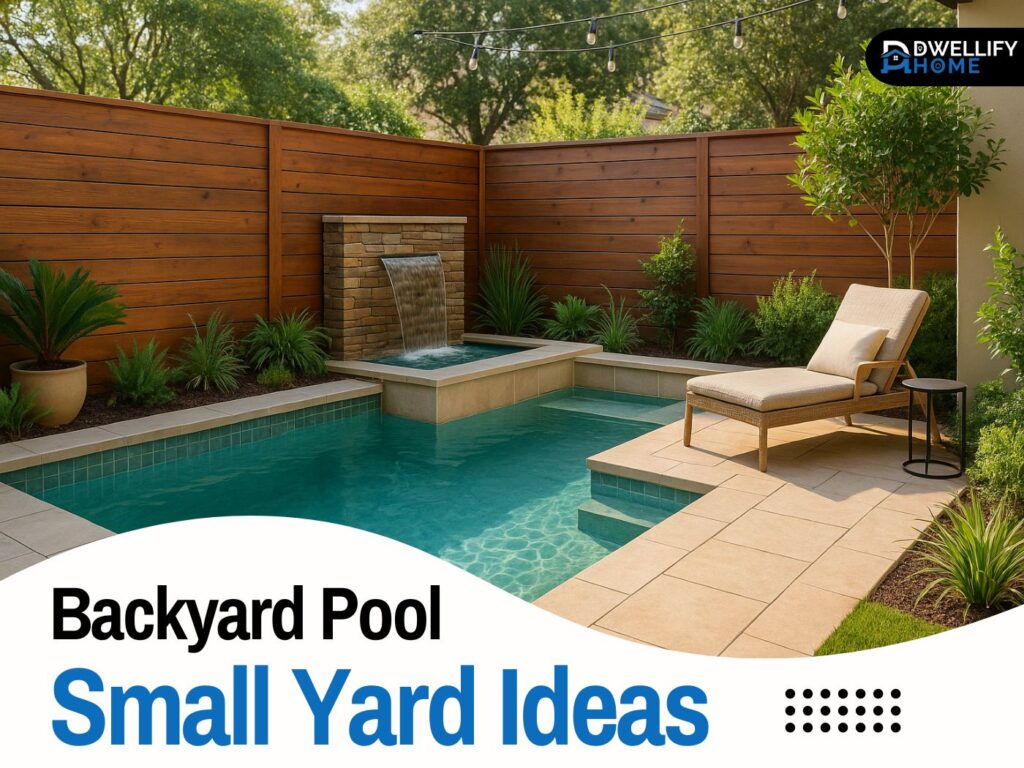
The outdoor living space trend has been building for years, and it’s not slowing down. Homeowners increasingly want their backyards to function as a true extension of the home — not just a place to mow.
What that looks like in practice varies by household. Some people build out a full dining area with a pergola overhead and a fire pit nearby. Others keep it simpler: a solid seating arrangement, some plants, good lighting, and a surface that holds up in rain. Either approach works, as long as the space is comfortable enough to actually use.
Outdoor kitchens and entertainment setups are showing up more frequently in larger yards, especially among homeowners who entertain regularly. But the core idea doesn’t require a major renovation. Even a modest patio with the right furniture and a shade structure can feel like a proper outdoor room.
For anyone looking to swap screen time for more fresh air this season, having a well-set-up outdoor space makes the transition much easier. When the space is genuinely comfortable, stepping outside becomes a natural choice rather than a deliberate effort.
Smart Irrigation and Sustainable Features
Water management has become a serious consideration in modern landscaping. Overwatering wastes money and actually damages many plants. Underwatering during dry stretches leads to patchy lawns and stressed garden beds. Smart irrigation systems address both problems.
These systems use sensors and weather data to determine when and how much to water. Instead of running on a fixed schedule regardless of rainfall or soil conditions, they adjust automatically. Homeowners report measurable reductions in water use without any visible difference in how their landscapes look.
Sustainability more broadly has become a genuine priority, not just a talking point. Homeowners are choosing eco-friendly landscape features because they reduce long-term costs and maintenance demands.
Permeable pavers are one example. They allow rainwater to filter into the ground naturally rather than running off into drainage systems. Rainwater collection setups, solar-powered lighting, and low-energy fixtures all fall into the same category — practical choices that align with responsible land use. These aren’t complicated additions, and most of them pay for themselves over time through reduced utility bills and fewer maintenance calls.
Native Plants and Low-Maintenance Landscaping
The shift toward native plants and lower-maintenance landscapes is one of the more practical trends in modern outdoor design. Homeowners with busy schedules are choosing plants and layouts that look good without requiring constant attention.
Native plants have a real advantage here. Because they’ve adapted to local climate conditions over time, they need less water, tolerate seasonal extremes better, and generally stay healthier with minimal intervention. A landscape built around natives rarely needs the same level of care as one filled with non-native ornamentals.
Drought-tolerant plants fit naturally into this approach. Ornamental grasses, lavender, yarrow, sage, and similar varieties have become reliable choices in modern landscapes — particularly in regions that experience dry summers or water restrictions. They hold their appearance well through heat and require far less irrigation than traditional lawn alternatives.
This movement also reflects a broader interest in environmentally responsible landscaping. Cutting back on chemical treatments, reducing runoff, and supporting local pollinators are goals that align well with native and drought-adapted planting strategies. The result tends to look more natural and less forced — which, as it turns out, is exactly the aesthetic many homeowners are after.
Greener Grass Landscaping – a landscaping service in Mount Pleasant, South Carolina. The website is in English and targets both residential and commercial clients. Focus on content related to lawn maintenance, palm tree trimming, fertilizing, and landscape lighting. Highlight their expertise in transforming landscapes tailored to specific needs, emphasizing their affordable rates, skillful expertise, and high-quality service.
Mixed Textures and Natural Materials
Visual variety is one of the defining qualities of a well-designed modern landscape. When every surface looks the same, outdoor spaces tend to feel flat, even when the individual elements are attractive. Mixing textures and materials solves that problem.
Stone walkways paired with wood accents, gravel beds alongside concrete edging, or a timber pergola set against a natural rock wall — these combinations create contrast that makes a yard more interesting to look at and move through. The variation also helps different zones of a landscape feel intentional rather than accidental.
Natural materials work well for this purpose because they tend to complement each other without much effort. Wood, stone, gravel, and concrete all age in ways that add character over time rather than looking worn or outdated. That quality is a practical advantage in outdoor environments where everything is exposed to weather year-round.
The key is to use these materials with restraint. Mixing too many surfaces in a small space can feel busy. A thoughtful selection of two or three materials, repeated consistently throughout the design, tends to produce the most cohesive and polished results.
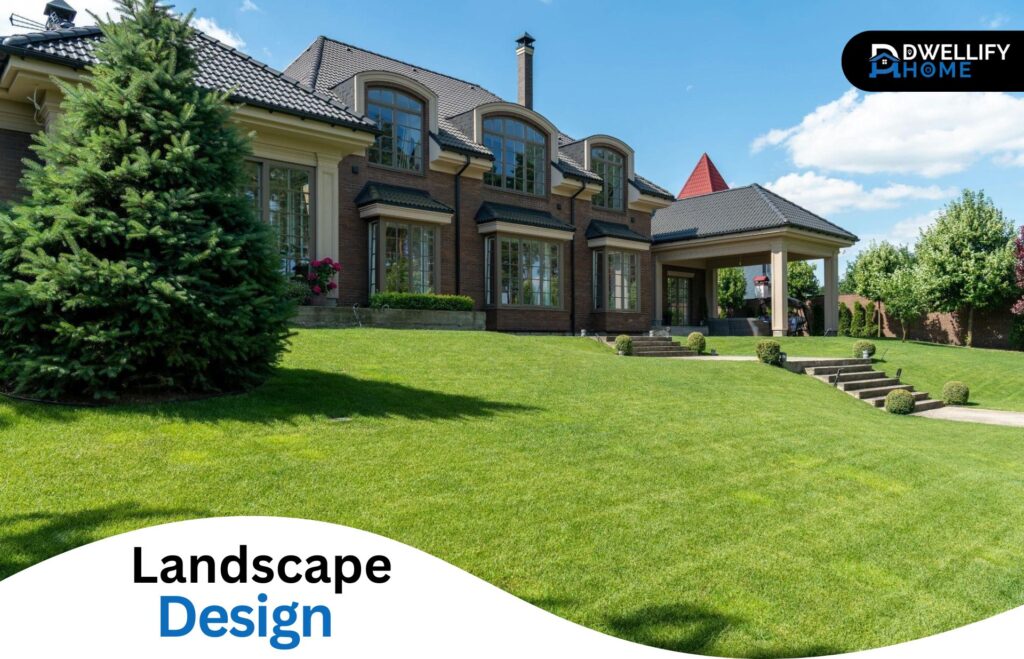
Modern landscape design isn’t about following every new trend or overhauling a yard from scratch. It’s about choosing the right elements — good lighting, comfortable outdoor spaces, sensible water management, practical plants, and honest materials — and combining them in a way that fits how a household actually lives.
Yards that work well tend to share a few qualities: they’re designed for real use, they don’t demand constant attention, and they feel connected to the home rather than separate from it. Even modest upgrades, made with some thought and consistency, can shift a yard from overlooked to genuinely enjoyable.
Don’t miss our other articles while you’re here! Please be advised that certain links within this post may be affiliate links. Should you make a purchase, we may receive a modest commission that supports our platform. All perspectives shared are the author’s own and independent of Dwellifyhome.com’s official positions.