
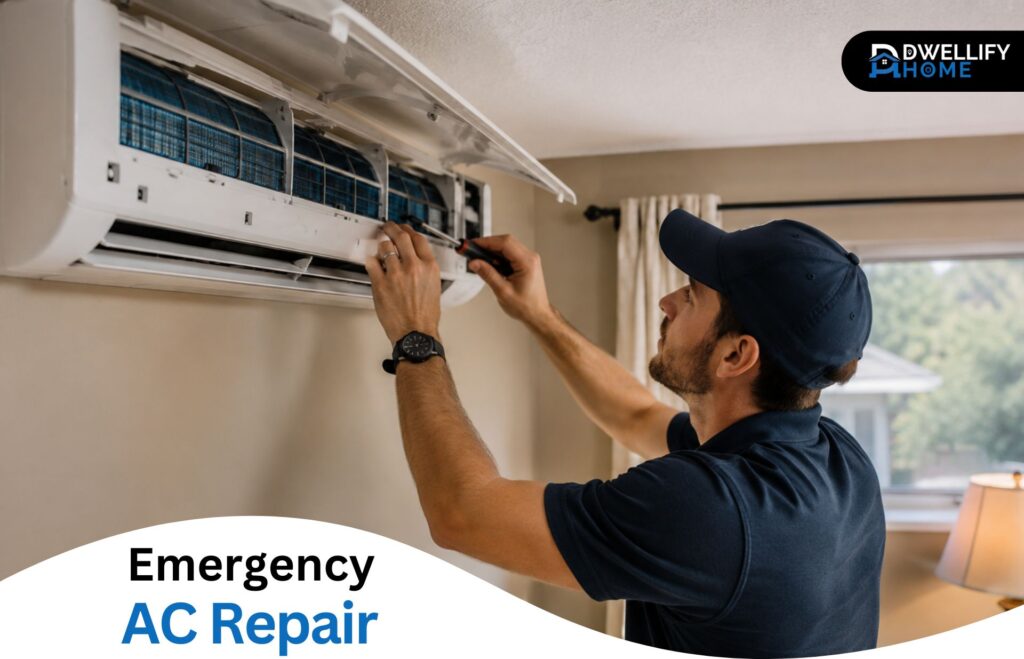
A broken air conditioner in the middle of July is not just an inconvenience — it can turn into a genuine household problem within hours. Hot indoor air builds up fast, tempers rise, sleep becomes impossible, and for some people, the health risks are very real. Knowing when to pick up the phone and call a technician — versus when to troubleshoot it yourself — is something every homeowner should understand before the situation gets out of hand.
Some AC problems have simple fixes. Others need a professional the same day they appear. If your system fails suddenly or shows signs of a serious issue, you can reach a trusted local team at https://grovehvac.com/columbia-md-air-conditioning-repair/ — the difference often comes down to safety, severity, and how quickly the situation could get worse.
When AC Problems Become an Emergency
Not every AC issue qualifies as an emergency. A dirty filter, an accidentally bumped thermostat, or one warm room is worth checking yourself first. But certain situations go beyond comfort and touch on safety — and those should not wait.
An AC emergency generally involves one or more of these: unsafe indoor heat, signs of an electrical fault, active water leaking, or a system failure that will likely cause bigger damage the longer it runs. If vulnerable people are in the home — elderly family members, infants, pets, or anyone with a heart condition or respiratory issue — the threshold for calling drops considerably.
1. Your AC Stops Working During Extreme Heat
Complete system failure during a heat wave is one of the most straightforward reasons to call for emergency AC repair. Maryland summers are hot and humid, and without a functioning cooling system, indoor temperatures can climb to dangerous levels within a few hours.
Before calling, check the thermostat settings, look at the circuit breaker, and inspect the air filter. If the system still won’t respond, don’t keep waiting. Professional service is the only reliable next step.
2. Warm Air Is Blowing From the Vents
Direct answer: An AC blowing warm air signals something is wrong with the cooling process itself — not just a minor glitch. Causes include refrigerant leaks, a failing compressor, frozen coils, or electrical faults. Running the system without addressing this wastes energy and risks further damage to the equipment.
A system blowing warm air during summer is not solving your cooling problem — it’s just consuming electricity. Check the thermostat and filter first. If neither is the issue, call for a repair before the underlying problem gets worse.
3. You Notice Burning Smells
A burning odor from an AC system should be treated as urgent, full stop. It can indicate overheating wiring, an electrical short, a motor that’s failing, or components that have begun to burn. These aren’t issues that fix themselves or fade with time.
If you smell something burning, turn the system off at the thermostat. If you can safely do so, shut off power to the unit at the breaker. Then call a professional. A faint dusty smell on the first run of the season may be harmless, but a sharp, smoky, or chemical odor is a different matter entirely.
4. Your AC Is Making Loud or Unusual Noises
Air conditioners aren’t silent, but they do have a consistent operating sound. Sudden banging, grinding, screeching, rattling, or buzzing noises are not part of that. These sounds often point to a loose component, a motor problem, a compressor issue, or an electrical fault.
The concern with unusual noises is that they tend to worsen with continued operation. A loose part can damage nearby components. A struggling motor can overheat. If the noise is loud or happened suddenly, turn the system off and call for help rather than hoping it settles on its own.
5. Water Is Leaking Around the Indoor Unit
Direct answer: Water pooling around the indoor unit is not normal. It typically means a clogged condensate drain line, a frozen evaporator coil, a cracked drain pan, or improper drainage. Left unaddressed, this can damage flooring, walls, and nearby materials — and create conditions for mold growth.
Some condensation around an AC system is expected because it removes moisture from the air. Actual pooling or dripping water is different. Turn the system off and schedule service promptly, especially during humid weather when the problem can escalate fast.
6. Ice Is Forming on the AC System
Ice on an air conditioner during summer sounds counterintuitive, but it happens — and it’s a problem. Frozen evaporator coils or refrigerant lines usually result from restricted airflow, a clogged filter, low refrigerant, or a failing blower motor.
A frozen system can’t cool your home properly, and if you keep running it in that state, the compressor can take damage — which is an expensive repair. Turn the system off and let the ice melt on its own. Don’t try to remove it manually. Then call a technician to identify what caused the freezing in the first place.
7. The Circuit Breaker Keeps Tripping
Resetting a tripped breaker once and monitoring the system is reasonable. Resetting it two or three times because it keeps tripping is not. Repeated breaker trips signal an electrical overload, compressor issues, damaged wiring, or a failing capacitor.
Each time you force the system back on, you’re potentially pushing damaged components further toward failure — or creating a safety hazard. Electrical issues in HVAC systems need a trained professional, not repeated resets.
8. The Outdoor Unit Will Not Turn On
If the indoor air handler is running but the outdoor condenser unit is completely silent, your AC isn’t actually cooling anything. The outdoor unit does the work of releasing heat from your home, and without it, the whole process breaks down.
Common causes include electrical failure, a bad capacitor, contactor problems, fan motor failure, or compressor trouble. If you notice the outdoor unit sitting silent while the indoor system hums away, call for service — the system is not doing what you think it is.
9. The AC Is Short Cycling
Direct answer: Short cycling means the AC turns on, runs briefly, shuts off, then repeats — never completing a full cooling cycle. It can be caused by an oversized system, low refrigerant, dirty filters, thermostat issues, frozen coils, or electrical faults. It puts serious strain on the compressor and prevents proper humidity control.
Short cycling is particularly frustrating because the system seems to be “working” while it’s actually running inefficiently and wearing itself out. If this starts happening suddenly or becomes a frequent pattern, it needs professional attention sooner rather than later.
10. Your Home Feels Hot and Humid Even With the AC Running
In a humid climate, your AC does double duty — it cools the air and removes moisture. If your home feels consistently sticky and uncomfortable even when the system is running, something isn’t right.
Possible causes include low refrigerant, dirty coils, poor airflow, duct leaks, an oversized system, or a clogged drain line. High indoor humidity encourages mold growth and creates the kind of uncomfortable environment no amount of fan use can fully fix. If the system is running constantly but not keeping up, professional repair is worth the call.
11. You Smell Musty Odors From the Vents
A musty smell coming from the vents when the AC runs often points to mold, mildew, or standing water somewhere inside the system or ductwork. In humid regions, this builds up faster than most people expect.
This may not always be a same-day emergency, but if the smell is persistent, strong, or noticeable throughout the house, it should be addressed quickly. Mold inside an HVAC system affects indoor air quality and can aggravate allergies and breathing conditions. The longer it sits, the more established it becomes.
12. The Thermostat Is Blank or Unresponsive
A blank or unresponsive thermostat screen stops your AC from working as it should. Sometimes the fix is simple — dead batteries, a tripped breaker, or a blown fuse. Other times, it points to a wiring issue or a control board problem that needs proper diagnosis.
The tricky part is that thermostat issues can mimic larger system failures. Before assuming the worst, check the batteries and the breaker. If neither resolves it, call a technician rather than guessing.
13. Refrigerant Leak Warning Signs
Refrigerant doesn’t get “used up” during normal operation. If your system is low on refrigerant, it means there’s a leak somewhere. Signs include hissing or bubbling sounds near the unit, ice forming on the refrigerant lines, weak or warm airflow, and unexplained increases in energy bills.
Refrigerant leaks require professional handling — the right tools, repair procedures, and safe disposal practices. This is not a DIY fix, and ignoring a leak puts the compressor at risk of serious damage.
What You Can Check Before Calling
Before reaching out for emergency AC repair, a few basic checks are worth doing:
- Confirm the thermostat is set to “cool” and the temperature setting is below the current indoor reading
- Check whether the thermostat needs fresh batteries
- Look at the circuit breaker panel for a tripped breaker
- Check the air filter and replace it if it’s visibly clogged
- Make sure supply and return vents are open and unblocked
- Inspect the outdoor unit for obvious debris like leaves or branches
If these steps don’t restore normal operation — or if you’re dealing with burning smells, active leaks, ice, unusual noises, or repeated breaker trips — stop troubleshooting and call a professional.
When You Should Not Wait
Some situations don’t allow for a “let’s wait and see” approach. Call right away if the indoor temperature is reaching unsafe levels, if water is leaking near electrical components, if you smell burning, if the breaker keeps tripping, or if the system is producing loud mechanical sounds.
Act quickly when vulnerable people or pets are in the home. What feels like a minor cooling issue can turn serious during extreme summer heat faster than most people anticipate.
How Emergency AC Repair Helps Prevent Bigger Problems
Getting a technician out quickly isn’t just about comfort — it protects your equipment and your home. A professional can identify the root cause, stop further damage, and recommend the right repair.
Clearing a clogged drain line prevents water damage. Fixing an electrical fault reduces fire risk. Addressing frozen coils protects the compressor from burning out. Catching a refrigerant leak early prevents a small repair from becoming a major system replacement.
Quick action often costs less in the long run than delayed action.
Preventing Future Emergency Breakdowns
Regular maintenance is the most reliable way to reduce the chances of a sudden breakdown. Schedule annual AC tune-ups before summer, replace filters on a consistent schedule, keep the outdoor unit clear of debris, and pay attention to any changes in performance.
Early warning signs — weak airflow, longer cooling cycles, odd smells, or rising utility bills — often appear weeks before a system actually fails. Taking them seriously when they show up is far better than dealing with a full breakdown on the hottest day of the year.
Final Thoughts
Emergency AC repair becomes necessary when your system creates safety concerns, stops cooling during extreme heat, leaks water, smells like burning, trips breakers repeatedly, freezes up, or produces loud and unusual noises. Responding quickly protects your comfort, your home, and the lifespan of your cooling equipment.
The smartest approach is to recognize the warning signs early and act before the situation escalates. When something seems off and basic checks don’t explain it, calling a qualified HVAC professional is always the right call — not a last resort.
We appreciate you reading! Quick disclosure — some of the links featured in this post may be affiliate or paid links. Any commissions we earn come at zero extra cost to you and help fund our work. The content and opinions here reflect only the views of the author, not those of Dwellifyhome.com.