Building a custom home in Oregon gives you a rare opportunity to create a space that reflects not only your design preferences, but also the way you actually want to live from day to day. Instead of adjusting your routines around an existing layout, you can make thoughtful decisions about natural light, storage, workspaces, outdoor living areas, room sizes, and how the home connects with the surrounding landscape. That freedom is one of the biggest reasons people are drawn to custom construction, but it also means there are more decisions to make before the building process even begins.
One of the most important choices comes before you start comparing cabinet finishes, floor plans, or architectural styles, and that is deciding where to build. Oregon offers a wide range of settings, from busy metro areas and established suburbs to mountain towns, smaller communities, and quieter locations with more space. Each one comes with its own advantages, costs, building requirements, and lifestyle considerations, so choosing the right location deserves just as much attention as choosing the design of the house itself.
If you are thinking about building a custom home in Oregon, it helps to look beyond the obvious appeal of a location and think carefully about how that place will work for you over the long term. The right setting should support your budget, your daily routine, and your future plans while also giving you a realistic path toward building the type of home you have in mind.
Start With the Location Before You Fall in Love With a Floor Plan
It is easy to start the custom home process by looking at plans and imagining how the finished house might feel, but the land itself can influence nearly every major decision that follows. A lot may seem ideal because of the view, the neighborhood, or the amount of space, yet factors such as slope, soil conditions, road access, utility availability, drainage, zoning, and setbacks can all affect what you are able to build and how much the project will ultimately cost.
A flatter lot with existing utility connections may be more straightforward to develop, while a steep or remote property could require grading, retaining walls, longer utility runs, or more complicated engineering. Those costs can add up quickly, which is why it is important to evaluate the property as part of the total construction budget rather than looking only at the purchase price of the land.
Lifestyle matters just as much as the physical site. Think about how close you want to be to work, schools, medical care, grocery stores, restaurants, parks, and outdoor recreation. A location that looks peaceful on a map may feel less convenient once you begin making daily trips into town, while a more urban property may offer excellent access but less privacy or fewer large lots. The best location is usually the one that creates the right balance between convenience, space, and the kind of daily life you want.
Portland Offers Urban Convenience and a Wide Range of Living Options
Portland is one of the most versatile places in Oregon for anyone considering a custom home because the metro area offers a broad mix of established neighborhoods, suburban communities, and properties that feel more removed from the city center. Depending on where you look, you may find opportunities for infill development, tear-down and rebuild projects, custom construction on larger suburban lots, or new homes in communities that still offer easy access to Portland’s employment centers, restaurants, parks, and cultural attractions.
The variety of neighborhoods can make Portland especially appealing for buyers who do not want to give up city access but still want more control over the way their home is designed. Some people may prefer a walkable area with mature trees and older homes, while others may be more interested in a quieter location where larger lots and newer construction are easier to find. That difference can have a major impact on the size of the home, the amount of outdoor space available, and the overall cost of the project.
If you are comparing construction options in the metro area, researching experienced Portland home builders can help you understand the types of homes being built locally, the architectural styles that are common in different neighborhoods, and the practical considerations that come with building in and around the city. It can also give you a better idea of how local builders approach zoning requirements, lot limitations, permitting, and the kinds of site conditions that are typical in the Portland area.
When considering Portland, it is worth thinking carefully about how much access you want to the city compared with how much space and privacy you need. The closer you move toward the urban core, the more likely you are to encounter smaller lots and tighter building constraints, while areas farther out may offer more flexibility but could add time to your commute. Neither choice is necessarily better, but one may fit your lifestyle much more naturally than the other.
Bend Works Well for Buyers Who Want Outdoor Living to Be Part of Everyday Life
Bend has become one of Oregon’s most recognizable destinations for people who value outdoor recreation, mountain scenery, and a lifestyle that makes it easy to spend time outside. The area is known for hiking, cycling, skiing, fishing, and access to some of Central Oregon’s most attractive natural landscapes, which is why many custom homes in Bend are designed with large windows, covered patios, gear storage, mudrooms, and indoor-outdoor living spaces.
The climate is also noticeably different from western Oregon, and that can influence how a custom home should be designed. Winters are colder, summers can be warm and dry, and temperature swings may be more pronounced, so insulation, heating systems, window selection, and exterior materials all deserve careful attention. A well-designed home in Bend should respond to those conditions rather than simply copying a plan that was created for a different part of the state.
Land prices and construction demand can also be higher than some buyers expect, especially in desirable neighborhoods or areas with attractive views. For that reason, it is important to consider the entire project budget early, including the cost of the lot, excavation, utility connections, landscaping, and any special site work. Bend can be an excellent place to build, but it works best when the design and budget are planned around the realities of the location.
Lake Oswego Appeals to Buyers Looking for an Established and Upscale Setting
Lake Oswego offers a very different experience from Bend because it combines close proximity to Portland with a more established suburban atmosphere and a reputation for higher-end residential properties. Buyers who want access to the city while still living in a quieter, more polished environment may find the area especially appealing.
Custom construction in Lake Oswego can range from modern homes with clean architectural lines to larger traditional residences designed to fit within established neighborhoods. In many cases, however, buyers may need to work with smaller or more complex lots than they would find in developing suburban areas, and some properties may come with neighborhood restrictions, setbacks, or site conditions that shape what can be built.
Because land values can be significant, it is important to understand the property before committing to a design. A lot that looks attractive may have limits related to access, trees, slope, drainage, or local design requirements, and these details can affect both the layout and cost of the finished home. Taking the time to review those factors with a builder or architect early can prevent expensive surprises later.
Hood River Is Ideal for Buyers Who Value Views and a Smaller Community Feel
Hood River is a strong choice for people who want a custom home in a scenic setting without living in a large metropolitan area. The area is known for its views, outdoor recreation, and close connection to the Columbia River Gorge, creating a lifestyle that feels both active and relaxed.
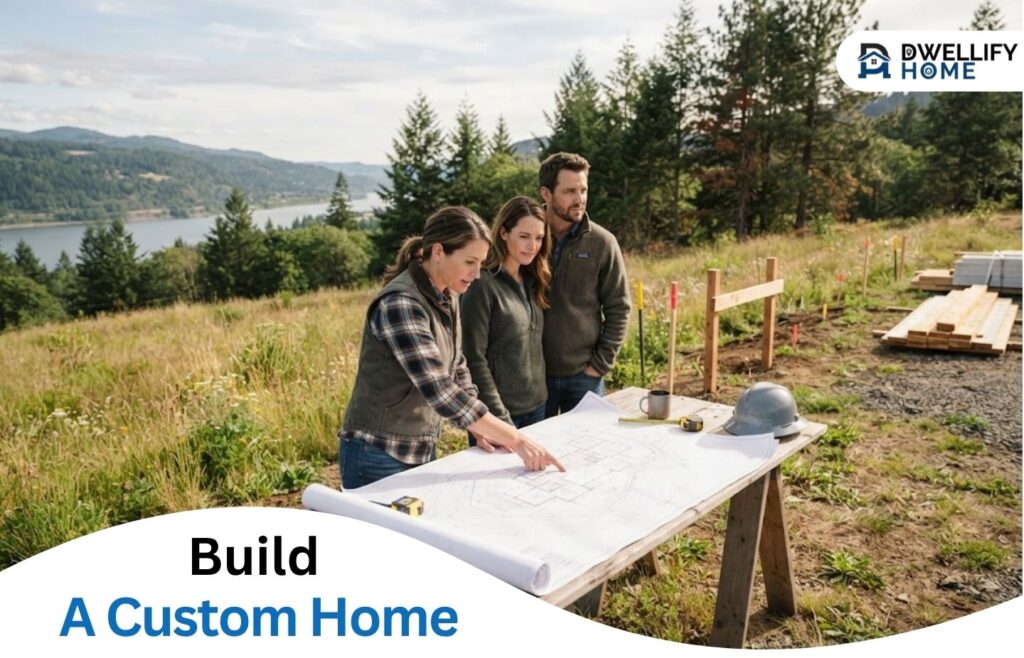
For custom home buyers, one of the biggest attractions is the opportunity to design around the surrounding landscape. Large windows, decks, terraces, and carefully planned sightlines can help a home take advantage of mountain or river views, but those same features often require thoughtful site planning. Properties in and around Hood River can be sloped, exposed to wind, or located in areas where drainage and access need careful consideration.
The lesson here is simple. A dramatic view can be worth it, but you should understand what it takes to build on that particular lot before making a decision. Engineering, excavation, and access costs can vary significantly from one property to another, so the site should always be evaluated as part of the overall project.
Eugene Offers Green Space, Flexibility, and a More Relaxed Pace
Eugene appeals to buyers who want a city with useful amenities but prefer a slower pace and a strong connection to nature. The area includes established residential neighborhoods, greener suburban communities, and properties farther from the center where buyers may have more room to spread out.
For people interested in energy-efficient design, sustainable materials, and homes that connect closely with the surrounding environment, Eugene can be a particularly good fit. The local climate and landscape also lend themselves well to thoughtful design choices such as covered outdoor areas, natural ventilation, efficient heating systems, and landscaping that works with the region’s rainfall patterns.
The specific property still matters, especially when comparing urban and rural options. A lot inside or near the city may already have water, sewer, and electricity available, while a more remote property could require a well, septic system, or additional utility work. Those differences can affect both the timeline and cost of the build, so it is important to look at the full picture before deciding where to buy.
Salem Can Offer More Space and Better Value for Some Buyers
Salem can be a practical choice for buyers who want access to city services and employment without paying the same prices that may come with some of Oregon’s more competitive markets. The city and its surrounding areas offer a mix of established neighborhoods, suburban developments, and properties with more land, making it possible to find options that work for a range of budgets.
For custom home buyers, that flexibility can be valuable because more affordable land may leave additional room in the budget for upgrades, better materials, or a larger home. At the same time, it is important to pay attention to what may be happening around the property in the future. Areas that feel quiet today may change as new subdivisions, roads, or commercial projects are developed nearby.
Looking at local growth plans and surrounding land use can help you avoid unpleasant surprises. A custom home is a long-term investment, so thinking beyond today’s conditions can make a meaningful difference in how satisfied you are with the location years from now.
Ashland Offers Character, Culture, and Opportunities for Distinctive Homes
Ashland has a strong sense of place, which makes it attractive to buyers who want something different from a typical suburban environment. The community is known for its cultural scene, natural surroundings, and smaller scale, and custom homes in the area often reflect that individuality.
Some properties may offer excellent views or unique terrain, but those features can also make the design process more complex. Steep lots, unusual shapes, wildfire exposure, and access limitations may all influence the type of home that can be built and the materials that make the most sense.
Wildfire planning is especially important in parts of southern Oregon. Buyers may need to think about defensible space, fire-resistant materials, landscaping choices, and emergency access as part of the design process. These considerations do not have to limit the home’s appearance, but they should be built into the plan from the beginning rather than added later as an afterthought.
Look Beyond the Price of the Land When Setting Your Budget
One of the most common mistakes custom home buyers make is focusing too heavily on the cost of the property without fully accounting for what it will take to prepare that property for construction. The purchase price is only the starting point, and expenses such as surveys, permits, excavation, grading, drainage, driveways, utility connections, landscaping, and site engineering can make a significant difference in the total budget.
Before buying land, find out whether water, sewer, power, and internet service are already available, and ask whether the property has any development restrictions that could affect your plans. It is also worth checking whether there are easements, environmental concerns, or zoning rules that could limit where the house can sit on the lot.
A little extra investigation at this stage can prevent much larger problems later. It is far easier to walk away from a difficult property before you own it than to discover expensive limitations after the purchase is complete.
Choose a Builder Who Fits the Project, Not Just the Budget
A custom builder is not simply someone who constructs the house. The builder will often become one of your main partners throughout the project, helping coordinate schedules, trades, materials, inspections, and design changes.
That is why experience with the specific type of home and location matters. A builder who has worked on steep sites, high-end urban infill projects, rural properties, or energy-efficient homes may be better prepared for the challenges of that particular project than someone whose experience is very different.
Take time to review previous work, speak with past clients, and ask how the builder handles communication, budget changes, delays, and unexpected issues. You will likely be working together for many months, so a clear and comfortable working relationship can be just as important as the original estimate.
Think About the Way Your Life May Change Over Time
A custom home gives you the advantage of planning ahead, so it makes sense to think beyond what you need right now. Your lifestyle may look different five or ten years from today, and decisions made during the design phase can make the home more useful and comfortable as those changes happen.
You may eventually need a more flexible home office, a guest suite for relatives, additional storage, or a bedroom on the main floor. Features such as wider hallways, fewer steps, adaptable rooms, and practical storage may not feel exciting during the early design process, but they can make a significant difference later.
The goal is not to predict every possible change. Instead, it is about creating enough flexibility that the home can continue to serve you well even as your needs evolve.
Choose the Oregon Location That Fits the Way You Want to Live
There is no single place in Oregon that is perfect for every custom home buyer, because the right location depends on what matters most to you. Portland may be a good fit if you want access to a major city and a wide range of neighborhoods, while Bend may appeal more if outdoor recreation is central to your lifestyle. Lake Oswego offers an established residential setting close to Portland, Hood River provides dramatic scenery and a smaller community feel, Eugene offers green space and flexibility, Salem can deliver better value for some buyers, and Ashland stands out for its character and distinctive setting.
Before making a final decision, look beyond the scenery and ask how the location will work in everyday life. Think about your budget, commute, access to services, future plans, lot conditions, and the practical realities of construction in that area. When the land, the home design, and your lifestyle all work together, the result is far more likely to feel right long after the excitement of moving in has passed.
We occasionally work with affiliate and sponsored partners to help support our content. As a result, some links in this article may generate a small commission for Dwellifyhome.com when qualifying purchases are made.