
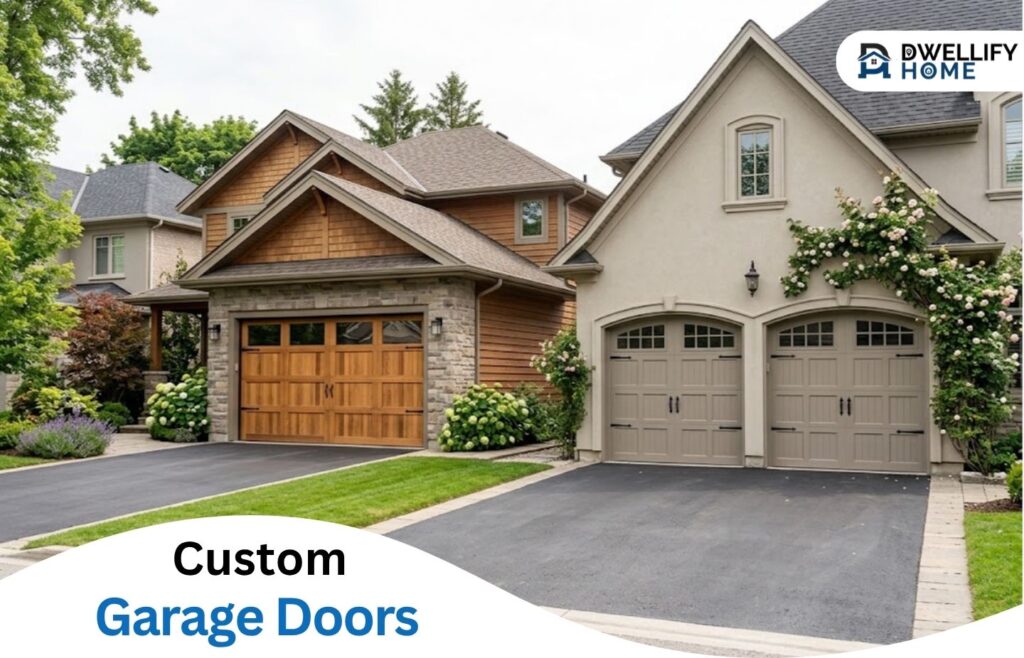
The garage door, often the largest single feature on a home’s façade, presents a unique opportunity for architectural expression. Its design decisions significantly influence the exterior aesthetics, dictating everything from the perceived scale of the home to its overall character.
Achieving façade balance and appropriate proportions is paramount; a garage door that is too dominant or too diminutive can disrupt the visual harmony of the entire property. We consider how its window placement, material selection, and finish options can either elevate or detract from the home’s intended style.

When embarking on a custom garage door project, we aim for architectural harmony. This means ensuring the new door complements existing elements like roofing, siding, and landscaping. The right choice can seamlessly integrate with the home’s design, enhancing its curb appeal and reinforcing its unique identity.
Traditional and Carriage House Custom Garage Doors
For homes rooted in classic architectural styles, traditional and carriage house custom garage doors offer timeless elegance. These designs often feature elements reminiscent of old-world stables or carriage houses, evoking a sense of historical accuracy and vintage charm. We frequently see the incorporation of wood overlays, which add depth and texture, along with decorative hardware such as hinges and handles that mimic authentic ironwork. Crossbuck designs and raised panels are common stylistic choices, creating a sophisticated, multi-dimensional look that complements homes ranging from Colonial to Craftsman. These doors don’t just serve a function; they become a focal point, telling a story of heritage and craftsmanship.
Contemporary and Modern Custom Garage Doors
In contrast, contemporary and modern custom garage doors cater to homes with sleek, minimalist aesthetics. These designs prioritize clean lines, geometric precision, and innovative materials. Flush panels are a hallmark, providing a smooth, uninterrupted surface that aligns with modern architectural principles. We often utilize anodized aluminum frames, which offer both durability and a refined metallic finish. Frosted glass or full-view layouts are popular choices, allowing natural light into the garage while maintaining privacy and contributing to a sophisticated, open feel. The emphasis here is on minimalist design, often incorporating industrial accents or bold geometric lines to create a striking visual statement that perfectly matches the home’s modern sensibility.
Material Selection, Thermal Performance, and Long-Term Value
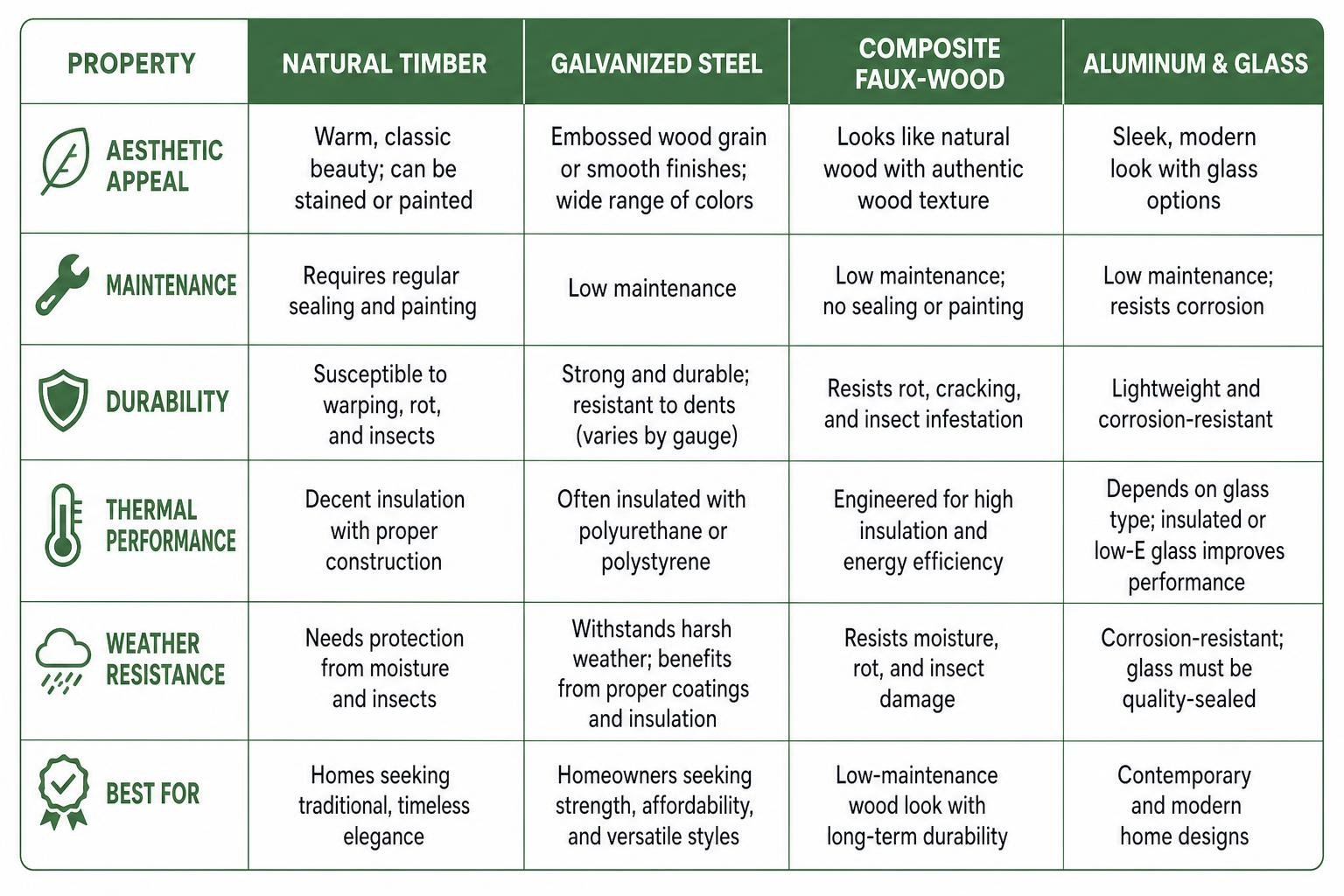
Choosing the right material for a custom garage door is a critical decision that impacts not only its appearance but also its thermal performance, durability, and long-term value. Each material offers a unique combination of aesthetic appeal and practical benefits, and we guide our clients through these considerations to ensure the best fit for their home and climate.
Natural timber, for instance, offers unparalleled warmth and classic beauty. Options like cedar, redwood, or hemlock can be stained or painted to achieve a desired look, providing a rich, authentic feel. However, wood requires more maintenance, including regular sealing and painting, to protect against warping, rot, and insect damage. Its thermal performance can vary, but with proper construction, it can offer decent insulation.
Galvanized steel is a popular choice due to its strength, durability, and relatively low maintenance. It’s often available in various gauges, with thicker steel offering greater resistance to dents. Steel doors can be embossed with wood grain patterns or smooth finishes and can be painted in a wide array of colors. For enhanced thermal performance, steel doors are frequently insulated with materials like polyurethane or polystyrene.
Composite faux-wood doors offer the aesthetic appeal of natural timber without the intensive maintenance. Made from durable, often recycled, materials, they resist rot, cracking, and insect infestation. These doors are engineered for longevity and can be highly insulated, making them an excellent choice for energy efficiency.
Aluminum frames, particularly when combined with glass panels, are characteristic of contemporary designs. Aluminum is lightweight, corrosion-resistant, and offers a sleek, modern look. While glass sections can impact thermal performance, options like insulated or low-E glass can mitigate heat transfer.
The thermal performance of a garage door is quantified by its R-value, which measures its resistance to heat flow. A higher R-value indicates better insulation, which can significantly contribute to energy savings, especially if the garage is attached to the home or used as a living space. Polyurethane insulation is often favored for its superior insulating properties compared to polystyrene, as it expands to fill the entire cavity, creating a more effective thermal barrier.
Beyond insulation, proper weatherstripping around the perimeter of the door is essential. This seals gaps, preventing drafts, moisture, and pests from entering the garage. High-quality weatherstripping, combined with a well-insulated door, ensures optimal climate resistance, protecting the garage interior and contributing to the home’s overall energy efficiency.
The goal is to select materials that not only enhance the home’s aesthetic but also provide long-term durability and performance, standing up to the local climate conditions and minimizing maintenance needs over the years.
Integrating Exterior Features for Unified Architectural Appeal
Achieving a truly stunning home exterior involves more than just selecting a beautiful garage door; it requires a cohesive design strategy that integrates all external elements. This architectural cohesion ensures that every component works together, creating a unified and harmonious aesthetic. We meticulously consider how the garage door aligns with other features, from the entry doors to the window frames, ensuring a seamless visual flow.
Color palettes are fundamental to this integration. The chosen finish for the garage door should complement or subtly contrast with the home’s siding, trim alignment, and even the roof color. For instance, a dark bronze garage door might beautifully echo the trim around the windows, creating a sophisticated and intentional look. Similarly, the style and finish of hardware on the garage door, such as handles and hinges, should ideally relate to the lighting fixtures and other metal accents found elsewhere on the property.
Beyond static elements, we also think about how dynamic features contribute to the overall experience. Exterior shading solutions, such as pergolas, awnings, or even strategically placed landscaping, play a vital role in comfort and energy efficiency.
Just as a well-chosen awning can transform an outdoor patio into a usable, shaded retreat, a thoughtfully designed garage door contributes to the home’s overall functionality and aesthetic appeal. For those considering enhancements that blend style with practicality, exploring options for custom garage doors can provide valuable insights into how different exterior elements can work together to create a truly inviting and efficient home.
The goal is to create an exterior that feels thoughtfully curated, where every element, from the largest architectural feature to the smallest decorative detail, contributes to a singular, appealing vision. This holistic approach not only enhances curb appeal but also reinforces the home’s character and maximizes its long-term value.
Structural Engineering, Precision Installation, and Safety Standards
The beauty and functionality of a custom garage door are only as good as its installation. This is where structural engineering and precision installation become paramount, ensuring not just aesthetic appeal but also long-term reliability and, most importantly, safety. We understand that a garage door is a complex system of moving parts, and its proper functioning relies on meticulous attention to detail during every step of the installation process.
Our process begins with a thorough framing inspection. We ensure that the garage door opening is structurally sound, plumb, and level, providing a stable foundation for the new door. Any deficiencies in the framing must be addressed before installation can proceed, as they can compromise the door’s operation and longevity.
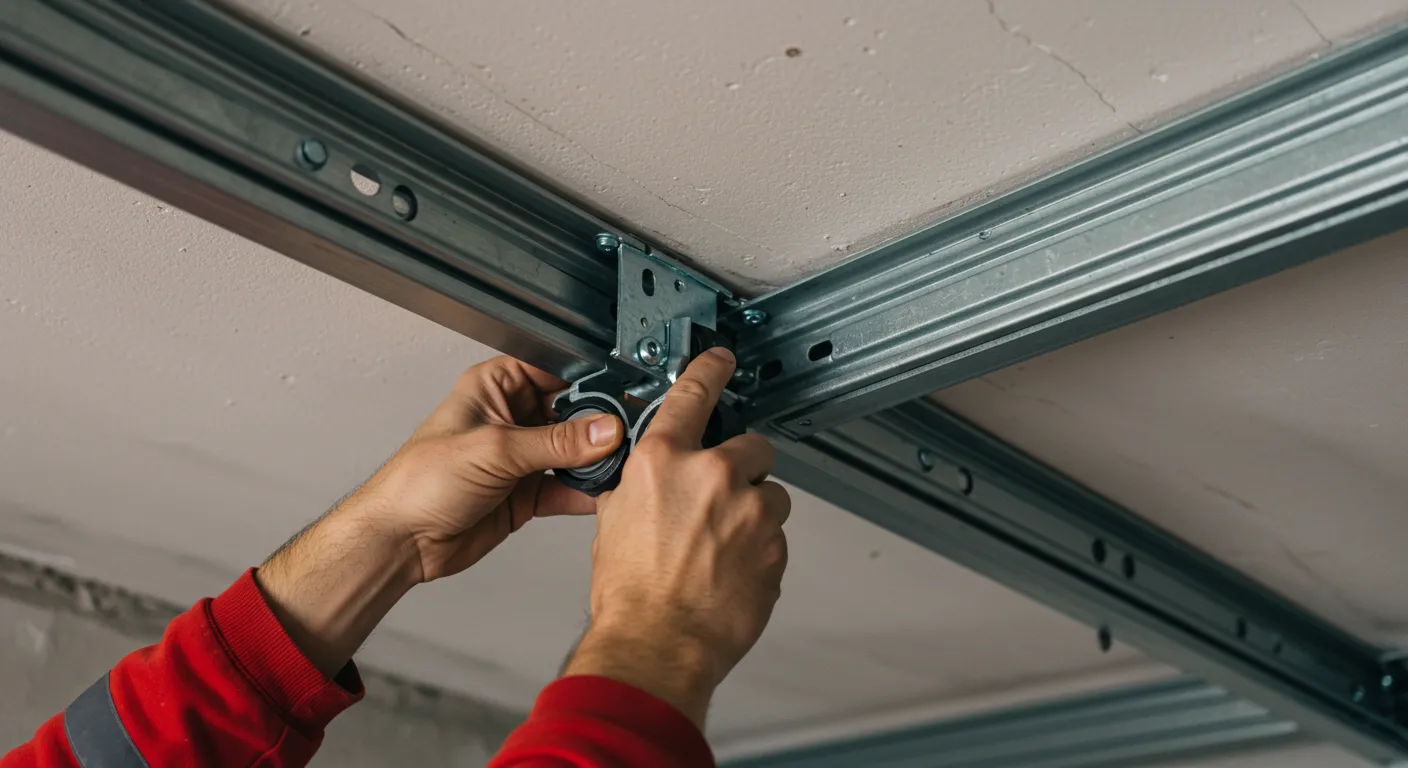
Next, precision is key in track alignment. The horizontal and vertical tracks must be perfectly aligned and parallel to allow the rollers to move smoothly and prevent unnecessary wear and tear. Improper alignment can lead to noisy operation, premature component failure, and even derailment of the door.
The heart of a garage door system lies in its torsion springs or extension springs, which counterbalance the door’s weight, making it easy to open and close. Selecting and calibrating the correct torsion springs for the specific weight and size of the custom door is a critical engineering task. Incorrect spring tension can lead to dangerous situations, where the door can fall unexpectedly or place undue strain on the opener.
Opener compatibility is another vital consideration. Modern custom garage doors, especially heavier or wider models, may require a more powerful or specialized opener. We ensure that the chosen opener is not only compatible with the door’s specifications but also integrates seamlessly with any smart home systems the client may have.
Balance testing is performed after installation to confirm that the door is properly counterbalanced. A well-balanced door should stay open at any point of its travel when disconnected from the opener, indicating that the springs are correctly tensioned. This test is crucial for both safety and the longevity of the opener.
Modern garage doors also incorporate advanced safety standards, including smart sensors (photo eyes) that detect obstructions in the door’s path, automatically reversing its motion to prevent accidents. We ensure these sensors are correctly installed, aligned, and calibrated according to manufacturer specifications and local building codes. Furthermore, for homes in areas prone to high winds, we consider wind-load rating requirements, installing doors designed and reinforced to withstand specific wind pressures, protecting the home from potential damage during severe weather events.
Finally, safety calibration encompasses all these elements, ensuring that every component works in harmony, the door operates smoothly, and all safety features are fully functional. This comprehensive approach to installation guarantees a custom garage door that is not only beautiful but also robust, reliable, and safe for years to come.
Frequently Asked Questions About Garage Door Customization
When considering a custom garage door, many homeowners have questions beyond just aesthetics. We’ve compiled some of the most common inquiries to provide clarity and help you make informed decisions about your investment.
How do custom garage doors impact overall property value?
Custom garage doors can significantly enhance a property’s overall value, serving as a wise investment with a strong return on investment. As a prominent feature of the home’s exterior, a well-designed custom door immediately boosts curb appeal, making a positive first impression on potential buyers. This aesthetic upgrade can directly influence the resale value, often yielding a high percentage of the initial cost back when the home is sold. Appraisers frequently consider the quality and condition of a garage door when assessing a property’s value, recognizing its contribution to both functionality and visual appeal. Furthermore, a custom door that aligns with neighborhood standards or even elevates them can make a home stand out in a competitive market.
Which materials offer the best balance of insulation and durability?
For homeowners seeking the optimal blend of insulation and durability, steel composites with a polyurethane core often represent the best choice. Steel provides exceptional strength and resistance to dents and impacts, ensuring longevity. When combined with a high-density polyurethane core, these doors achieve superior R-values, effectively minimizing heat transfer. This is particularly crucial in climates with extreme temperatures, as good insulation helps maintain a more consistent temperature within the garage, reducing energy costs for attached garages. The polyurethane foam expands to fill the entire cavity, eliminating thermal bridging and creating a robust, energy-efficient barrier that outperforms other insulation types.
What routine maintenance keeps customized doors performing reliably?
To ensure your customized garage door continues to perform reliably and safely for years, routine maintenance is essential. We recommend a few key practices:
- Track Lubrication: Periodically lubricate the rollers and hinges with a silicone-based lubricant to ensure smooth and quiet operation. Avoid using grease, as it can attract dirt and debris.
- Balance Checks: Test the door’s balance regularly. Disconnect the opener and manually lift the door halfway. If it stays in place without assistance, the springs are properly balanced. If it sags or shoots up, professional spring adjustment is needed.
- Weatherseal Inspection: Inspect the weatherstripping around the door’s perimeter and at the bottom. Replace any cracked, torn, or brittle seals to prevent drafts, moisture, and pests from entering the garage.
- Finish Resealing: For wood or faux-wood doors, follow manufacturer recommendations for finish resealing or repainting. This protects the material from UV damage, moisture, and wear, preserving its aesthetic appeal and structural integrity.
Regular professional inspections are also highly recommended to catch potential issues early and ensure all components are functioning optimally.
Conclusion
In conclusion, enhancing curb appeal with custom garage doors is a strategic investment that pays dividends in both aesthetic pleasure and tangible property value. We’ve explored how a thoughtful approach to design, material selection, and precision installation contributes to a holistic design that perfectly complements your home’s unique character.
From the vintage charm of carriage house styles to the sleek lines of modern designs, the right custom garage door offers long-term durability, superior thermal performance, and an undeniable boost to your home’s overall appeal.
By understanding the nuances of material choices, the importance of professional installation adhering to stringent safety standards, and the significant impact on your home’s investment value, you are well-equipped to embark on your custom garage door project. We encourage thorough project planning and collaboration with experienced professionals to ensure your vision is brought to life with precision and care, creating an exterior that you’ll be proud of for years to come.
Your trust is important to us. Some links included in this article may be affiliate or sponsored links. We may receive a small commission from qualifying purchases, but our editorial views and recommendations remain independent and are intended to provide genuine value to our readers.