
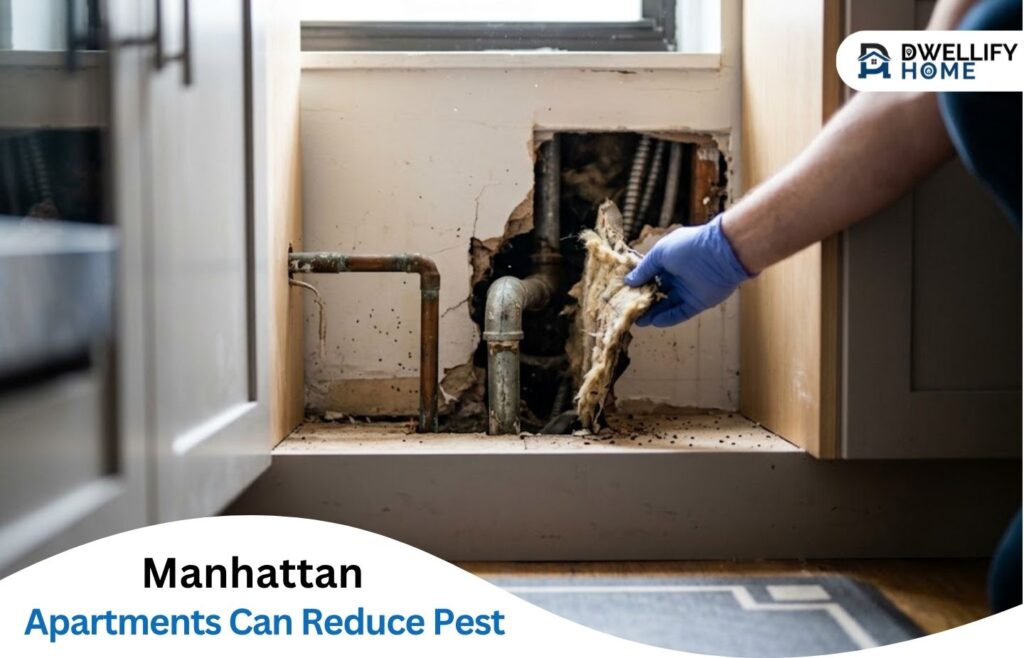
A resident in a clean, well-kept Manhattan apartment can still find cockroaches near the stove or hear mice in the wall. The cause is often not the unit itself but the building around it. Apartment blocks share plumbing, heating lines, electrical runs, and wall cavities, and pests treat those connections as roads. Understanding how they use shared systems explains why the same problem keeps returning despite good housekeeping, and it points to actions that residents, neighbors, and building staff can take together.
How Shared Systems Become Pest Highways
Older buildings in particular contain a dense web of hidden channels. Pipes pass vertically through several floors, and the openings cut around them are often larger than the pipes themselves. Gaps of an inch or less are enough for mice and cockroaches, and the space inside a wall acts as a protected corridor between units.
Heating systems add warmth, which pests prefer, especially in winter. Radiator lines, boiler pipes, and steam risers heat the surrounding cavity and provide a comfortable path from basement to roof. Electrical conduits and cable runs make additional routes, since they pass through fire stops and ceilings that may have been patched poorly.
Movement is steady, not random. A pest looking for food follows scent, warmth, and shelter, and these channels offer all three. Because the passage may be hidden for dozens of feet, a sighting in one apartment might originate several units away, which is why a single resident’s cleaning often fails to end an infestation.
Plumbing Chases, Radiator Lines, and Electrical Penetrations
Plumbing chases are among the most common pathways. These vertical shafts hold supply and drain lines, and the openings around pipes under sinks, behind toilets, and beside tubs often remain unsealed. Moisture in the chase supports cockroaches, and food scraps washed into drains feed them.
Radiator and heating lines deserve a close look as well. Where a pipe enters the floor or wall, a decorative cover often hides a larger hole. Inspecting these collars with a flashlight, particularly in winter when pests seek warmth, can reveal droppings, gnaw marks, or a draft.
Electrical penetrations complete the set. Outlets on shared walls, switch plates, and openings for cable and internet lines may connect to cavities with direct access to other apartments. Pests may also move through ceiling light fixtures and recessed lights. Sealing these points requires care: electrical boxes should never be stuffed with material that could cause a hazard, so residents should follow building rules or seek qualified help for anything near wiring.
Why a Clean Unit Can Still Have Recurring Activity
Cleanliness reduces the draw, but it cannot close a doorway. A resident who wipes counters, bags trash, and stores food properly removes the reasons for pests to stay, yet insects and rodents may still pass through while traveling between food sources elsewhere in the building. The visible sign appears in the cleanest apartment simply because it sits along the route.
Neighbors’ habits also matter. A unit with heavy clutter, leaking plumbing, or open food can support a large population, and those animals spread outward when conditions change. Treatments applied in one apartment can push pests into adjacent ones, which means isolated efforts may only relocate the problem.
Hallways, trash rooms, and basements add pressure. Shared dumpsters, compactor rooms, and laundry areas attract pests that then enter the main structure. When residents describe activity that returns after every cleaning, the explanation often lies in these communal areas. The pattern may call for coordinated professional treatment from a provider such as BHB Pest Control in Manhattan, since addressing several units and building systems together has a better chance of stopping the cycle than any single apartment’s efforts.
Practical Steps Inside the Apartment
Residents can still do a great deal within their own walls. Begin by inspecting the areas beneath sinks, around the toilet base, behind the refrigerator, and near radiators. Look for gaps around pipes, cracks along baseboards, and holes in the back of cabinets. Photographing problems gives building management clear evidence, and the same record helps if BHB Pest Control in Manhattan or another provider is later called to inspect the building.
Seal what can be sealed. Copper mesh or steel wool packed into small openings, topped with a durable sealant, blocks mice and cockroaches, while caulk fills thin cracks along baseboards and countertops. Escutcheon plates, the metal rings around pipes, should fit flush against the wall.
Habits support the physical work. Store food in glass or hard plastic containers, take out trash daily, wash dishes before bed, and avoid leaving pet food out overnight. Dry sinks and tubs after use, since moisture is as attractive as crumbs.
A brief checklist keeps these steps in view:
- Inspect beneath sinks and around heating lines every month.
- Seal gaps around pipes, cabinets, and baseboards.
- Keep food sealed and trash removed daily.
- Fix drips and wipe up standing water.
- Photograph and date any droppings, gnaw marks, or sightings.
Reporting Building-Wide Issues Early
Individual effort loses force without communication. Residents should report signs to building management or the landlord quickly, with written details and photographs, because early reports allow inspections before populations spread. In New York City, persistent problems can also be raised through channels such as 311 when a landlord does not respond.
Talking with neighbors helps too. A friendly conversation may reveal that others see the same insects or hear the same noises, which strengthens the case for a building-wide response. Keeping a shared log of dates and locations shows how activity moves from floor to floor.
When management coordinates treatment, preparation matters. Residents should follow instructions on moving furniture, covering food, and providing access, since a missed unit can serve as a reservoir. Follow-up inspections confirm whether the treatment worked and which entry points remain.
End Note
Pests in a Manhattan apartment often follow the building rather than the resident. Shared pipes, heating lines, and wall cavities carry them from unit to unit, so sealed penetrations, clean habits, and quick reporting work best together. When activity returns in spite of good care, the likely cause is structural and shared, and a coordinated response across the building offers the clearest path to lasting relief.
A few links on this page may be affiliate or sponsored links. If you decide to make a qualifying purchase through one of them, Dwellifyhome.com may earn a small commission to help support our publishing efforts.



