
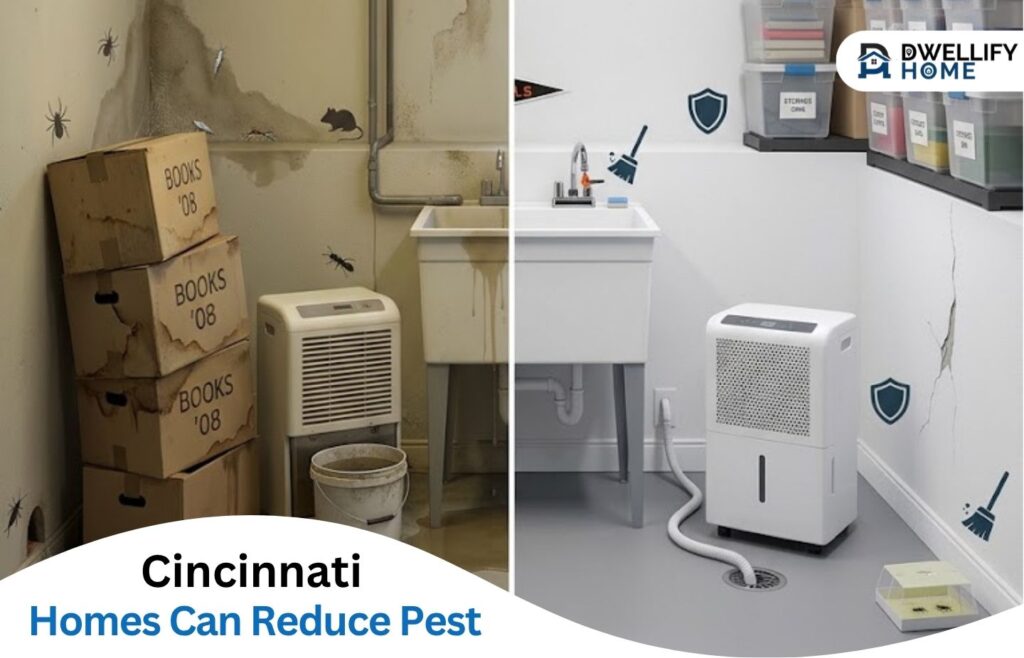
Few parts of a house hold as many small surprises as the basement. Boxes from three moves ago, a dehumidifier that nobody empties, a utility sink with a slow drip, and a corner where the foundation wall sweats in July all live down there, mostly unobserved. Pests notice what people overlook. Spiders, centipedes, silverfish, ants, and mice all favor spaces that stay cool, dim, and lightly disturbed, and a lower level offers each of those in abundance. Many Cincinnati homes include basements, crawl spaces, or partially finished ground-level rooms, so the topic applies to a large share of local households. Understanding why these areas draw pests, and which changes reduce the appeal, gives homeowners a practical way to protect both the lower level and everything above it.
Why Lower Levels Offer Everything Pests Look For
A basement works almost like a natural burrow. Soil temperature stays steady through the year, so the space avoids both summer heat and the sharpest winter cold. Light is limited, which suits nocturnal creatures and those that avoid exposure. Concrete and stone walls contact damp earth, and even well-built foundations can pass small amounts of moisture through hairline cracks or porous masonry.
Add household use to the mix. People store paper, fabric, holiday decorations, and old furniture in basements, and those materials supply both hiding places and nesting supplies. Laundry rooms add warmth and humidity, while furnaces and water heaters generate steady heat that rodents appreciate in colder months. Few residents spend long periods in these spaces, so changes happen slowly and without witnesses. A cluster of webs, a trail of ants along a pipe, or a mouse nest tucked behind a stack of paint cans can sit undisturbed for weeks. That lack of attention, more than any single flaw in the structure, is what lets small footholds become established.
Spiders, Centipedes, Rodents, and Ants: Who Shows Up and Why
Each pest arrives for different reasons, and recognizing the pattern helps point toward the cause. Spiders follow prey. A basement with plenty of small insects, such as gnats, silverfish, and crickets, will attract web builders and ground hunters. Centipedes also hunt other arthropods, and house centipedes in particular prefer damp, dark rooms where prey gathers. Their presence usually signals an underlying supply of smaller insects and enough humidity to keep them comfortable.
Mice and rats search for warmth, nesting material, and food, which they often find in stored pet food, birdseed, and cardboard. Ants may forage from outdoor colonies along pipes and foundation joints, or establish nests in wet wood and insulation. Silverfish and other moisture-loving insects tell their own story, since they thrive near leaks and condensation.
When these signs return season after season, even after cleaning and sealing, the cause is rarely a single oversight. Homeowners dealing with recurring basement pest problems often turn to Clear Defense Pest Control in Cincinnati for a closer inspection of foundations, utility lines, and moisture sources that are difficult to evaluate without experience and the right tools.
Organizing Storage, Airflow, and Humidity
Storage habits have a direct effect on pest activity. Cardboard boxes absorb moisture, break down over time, and provide ideal cover for roaches, silverfish, and rodents. Switching to sealed plastic bins with tight lids removes both the food and the hiding places. Placing bins on shelves a few inches off the floor and a few inches from the wall allows airflow and makes it easier to spot droppings or moisture.
Humidity control deserves just as much attention. Relative humidity above about 50 percent supports mold, silverfish, and many other nuisance pests, so a dehumidifier set to hold the space near that level is a sensible investment. Hoses should drain properly, and collection buckets need regular emptying. A few simple practices help most households:
- Using sealed plastic bins instead of cardboard for stored belongings
- Keeping items off the floor and several inches from foundation walls
- Running a dehumidifier and checking a hygrometer for humidity levels
- Venting dryers outdoors and clearing lint from vent lines
- Keeping pet food and birdseed in metal or heavy plastic containers with locking lids
Airflow also matters. Stagnant, damp air favors mold and insects alike, so a small fan or open doorways between rooms can reduce the conditions that attract them. Even modest improvements in circulation often make the space feel drier and smell fresher within a few weeks.
Foundation Cracks, Floor Drains, and Utility Penetrations
Pests do not need large openings. A crack at the base of a foundation wall, a gap around a gas line, or an unsealed hole where a cable enters the house can all serve as entry points. Walking the perimeter of the basement with a flashlight, pressing a screwdriver gently against suspicious mortar joints, and checking where pipes pass through walls can reveal weak points that were invisible from a distance. Hairline cracks should be monitored, since growth over time may indicate structural movement or worsening water intrusion.
Floor drains deserve special mention. Dry drains allow sewer gases and small insects to rise from the plumbing, while debris-filled drains hold stagnant water that breeds drain flies. Pouring a quart of water into each drain every month keeps the trap seal intact. Sump pits should have covers, and the pump should be tested before spring rains.
Persistent activity around these features is often a sign that something larger is feeding the problem, such as hidden moisture behind finished walls or an exterior grading issue. At that point, bringing in Clear Defense Pest Control in Cincinnati can help confirm whether pests are entering from outdoors, nesting inside the structure, or both.
Special Considerations for Finished or Partly Finished Basements
Finishing a basement changes the pest equation. Drywall, carpet, and drop ceilings create voids where insects and rodents can travel unseen, and insulation provides soft nesting material. Plumbing walls and soffits are common pathways. Residents may hear scratching, notice a musty smell, or see small insects emerging from vents long before they find a nest.
Maintenance in these spaces should include checking for water stains on ceilings and baseboards, lifting corners of rugs to inspect the floor, and opening access panels to look at plumbing and electrical runs. Carpet over concrete can trap moisture, so occasional lifting and drying helps prevent mold and the insects it attracts. Furniture should sit a few inches from walls whenever practical. Homeowners converting a basement into a bedroom, office, or play area should also plan for access hatches and removable panels, since those small design choices make future inspection far simpler.
Key Takeaways
Basements and lower levels attract pests because they combine stable temperatures, low light, stored materials, and the possibility of minor moisture intrusion. Reducing that appeal comes down to a few repeatable habits: organizing storage in sealed containers, controlling humidity, improving airflow, sealing cracks and utility gaps, and keeping drains and sump areas in good condition.
Regular walkthroughs matter because they turn small clues into early warnings. Webs, droppings, damp spots, and unfamiliar insects each point toward a cause that can usually be corrected. When the same signs keep returning, a professional inspection can find sources that routine checks miss, and the result is a lower level that stays dry, usable, and far less inviting to pests.
A few links on this page may be affiliate or sponsored links. If you decide to make a qualifying purchase through one of them, Dwellifyhome.com may earn a small commission to help support our publishing efforts.



