
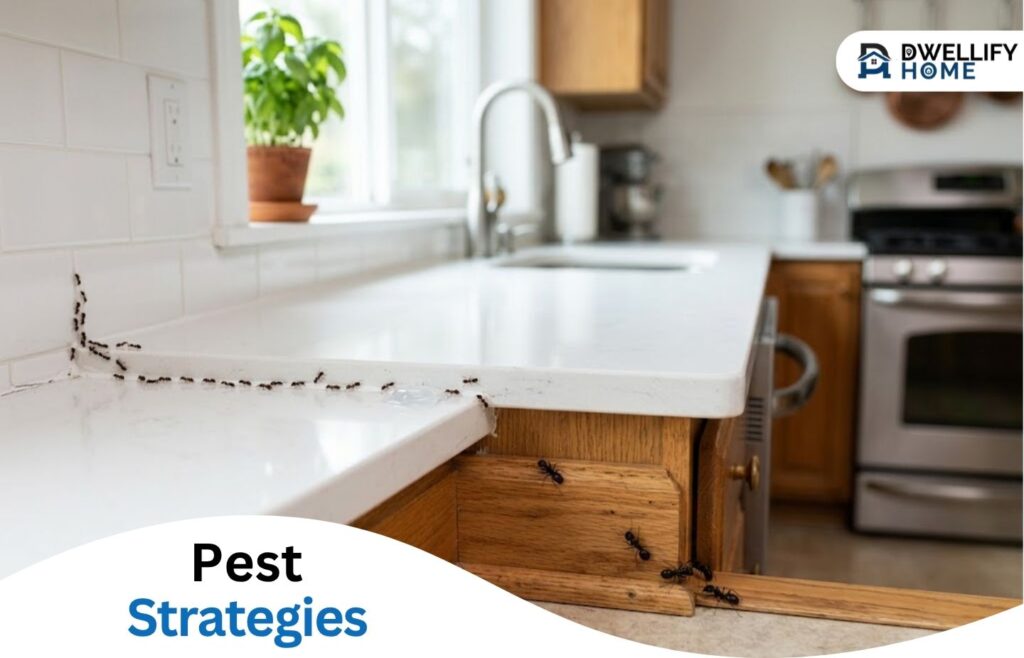
Ant infestations inside residential buildings present unique challenges because these insects do not adhere to a single behavioral pattern. Homeowners frequently observe trailing lines across kitchen counters or beneath baseboards and assume that a standardized application of spray or bait will resolve the issue. Pest management requires a clear understanding of the target species before structural modifications or treatments begin. Different species exhibit distinct preferences for nesting habitats, foraging routines, and entry points into living spaces. Treating a carpenter ant infestation with tactics designed for pavement ants yields poor results because their colony structures, diet preferences, and destructive potentials differ entirely. Accurate identification serves as the foundation for an effective structural defense plan.
Applying a uniform control method across all ant encounters often leads to frustration and persistent pest problems. Some species construct localized nests within damp wood, whereas others build massive outdoor colonies with interconnected sub-colonies spanning multiple properties. Environmental conditions that attract one species might be completely ignored by another. A lingering moisture problem under a sink might lure species seeking elevated humidity, while dry, leaf-littered yards appeal to ground-nesting ants. To control ant populations effectively, property owners must analyze how specific behaviors dictate the necessary preventative steps.
Nesting Diversity and How It Dictates Site Focus
Ant species display wide variation in their selection of nesting sites, directly influencing where property owners should direct structural remediation efforts. Carpenter ants, for example, target softened, damp timber or rotting wood framing inside walls, crawlspaces, and around leaking window sills. They do not eat the wood but hollow it out to create galleries for their growing colonies. Eliminating these ants requires finding and repairing active leaks while removing structurally compromised wood. In contrast, pavement ants prefer establishing nests under concrete slabs, driveways, patios, and foundation stones. Their colonies push soil out through expansion joints and cracks, forming tiny mounds along pathways.
Odorous house ants frequently nest both outdoors and indoors. Outside, they occupy loose mulch, tree bark, and damp soil beneath garden rocks. Indoors, they readily settle inside wall voids, near hot water pipes, or within insulation layer gaps. Because these ants shift locations quickly when disturbed, locating the exact nest zone matters immensely. Treating soil or exterior landscaping will fail to resolve an internal infestation if the main colony has already nested inside a dry wall cavity. Conversely, sealing minor drywall gaps will do little if thousands of ants reside in moist mulch bed layers just inches from the foundation. Addressing nesting diversity ensures that mitigation efforts focus on the exact environmental conditions sustaining the species.
Foraging Networks and Trail Mechanics
Foraging behaviors vary dramatically across ant species, determining how far workers travel from their nests and what paths they take to reach food sources. Certain species deploy strict, linear trails along physical edges such as baseboards, fence rails, and foundation ledges. Odorous house ants are famous for creating dense, visible columns that follow structural lines directly toward sugary foods or standing grease. Other species prefer dispersed foraging strategies, where solitary workers wander across wide areas without leaving strong chemical scent trails. These behavioral differences influence where inspection and control tactics must be applied.
Understanding whether a species relies on centralized or decentralized foraging networks changes the approach to perimeter protection. Species with wide-ranging foraging patterns often discover tiny breaches in a home exterior that linear trail-makers might miss. When observing the asian needle ants vs argentine ants game on in regional environments, researchers and pest managers note stark differences in how these two invasive ants interact with their surroundings. Argentine ants construct massive supercolonies with vast foraging networks containing multiple queens and millions of workers. They establish widespread trails that blanket yards, tree trunks, and structural foundations in search of honeydew and household sweets.
Asian needle ants, on the other hand, build smaller, more localized nests in soil, decaying logs, and shaded exterior leaf litter. They do not form the massive, highly organized foraging lines typical of Argentine ants, relying instead on individual workers hunting for small invertebrates and organic debris. Because Argentine ants maintain expansive foraging networks, managing them requires broad perimeter defenses, landscape moisture management, and large-scale baiting strategies. Asian needle ants require direct focus on shaded damp soil, rotting wood debris, and localized ground moisture around the perimeter.
Moisture Requirements and Exterior Landscaping Factors
Water access and humidity levels dictate ant survival, but different species tolerate dryness to varying degrees. Moisture-sensitive species cannot survive in arid environments and must nest near reliable water sources like leaking irrigation lines, overflowing gutters, or dense mulch beds. When exterior soil dries out during hot summer months, these ants migrate indoors, moving along plumbing lines to access kitchen sinks, bathroom drains, and air conditioning condensation pans. Inspecting structural foundations for moisture accumulation is a essential step in preventing indoor invasions.
Landscaping conditions around a structure can either deter or encourage ant activity depending on the target species. Dense shrubbery touching exterior walls provides aerial highways for species seeking honeydew produced by aphids and scale insects. Tree branches overhanging rooflines allow carpenter ants to bypass ground-level perimeter barriers entirely, dropping directly onto roof shingles and entering attic vents.
- Overhanging branches touch siding or roof eaves, creating direct bridges.
- Dense organic mulch retains soil moisture right against the foundation.
- Unsealed expansion joints in patio slabs provide protected nesting cavities.
- Leaking hose bibs and poor drainage saturate perimeter soil.
Managing these exterior factors requires tailored action based on species habits. Removing leaf litter and shaded organic debris specifically disrupts species that prefer cool ground nests, whereas trimming tree branches impacts species that utilize elevated plant structures for foraging.
Entry Point Mechanics and Structural Vulnerabilities
Ants utilize various structural gaps to gain access to indoor spaces, but their size, nesting preferences, and movement habits determine which entry points pose the highest risk. Tiny species like pharaoh ants or Argentine ants can crawl through minuscule cracks in foundation mortar, gaps around utility pipe penetrations, and worn weather stripping under exterior doors. Larger species require bigger openings, often entering through unscreened crawlspace vents, gaps around window frames, or decayed wood components.
The physical behavior of ants upon entering a building also differs based on their species goals. Some ants enter strictly on temporary foraging expeditions, returning to an exterior nest once they collect protein or sugar. Other species enter with the explicit goal of establishing satellite colonies inside wall cavities, subflooring, or hollow door frames. When managing complex infestations, observing the competition between species like asian needle ants vs argentine ants game on illustrates why entry point sealing must be combined with environmental modifications. If a property owner seals structural gaps without addressing the exterior moisture or nesting zones that drive ants toward the building, workers will simply search the perimeter until they locate alternative entryways.
Pharaoh ants present a notable example of how entry mechanics and structural biology intersect. When sprayed with repellent chemicals at entry points, pharaoh ant colonies undergo a process called budding. The colony splits into multiple smaller groups that scatter throughout the structure, establishing new nests in electrical outlets, behind wall tiles, and inside cabinet frames. Identifying pharaoh ants before attempting structural sealing or chemical application prevents inducing stress that spreads the infestation deeper into the home.
Diagnostic Inspection and Tactical Planning
Successful ant control depends on a systematic diagnostic inspection rather than immediate chemical application. Identifying the species allows property managers to map out the likely locations of primary and satellite nests, understand dietary preferences, and anticipate seasonal movements. An inspection should begin along the exterior perimeter, examining foundation walls, soil-to-structure contact points, vegetation, and outdoor water sources. Identifying worker ants under proper lighting and magnification reveals key morphological features, such as petiole nodes and thorax shapes, which distinguish one species from another.
Once the species is confirmed, custom strategies can be implemented to address the root causes of the infestation. If the inspection reveals carpenter ants, priority shifts to identifying water leaks and removing damaged wood structures around the property. If the inspection identifies Argentine ants, the strategy pivots to broad perimeter baiting, managing honeydew-producing garden pests, and eliminating soil moisture accumulations. Matching the tactical response to the biology of the insect ensures that time, effort, and materials are directed where they will produce lasting results.
Preventive Maintenance Protocols
Long-term protection against ant invasions requires consistent maintenance tailored to the specific vulnerabilities of the property and the species common to the local area. Property owners should establish a routine checklist that addresses potential nesting zones, moisture sources, and entry pathways before ant populations reach damaging levels.
Sealing foundation cracks with high-quality elastomeric sealant prevents small foraging ants from penetrating the structure. Maintaining a clear, gravel or bare-soil buffer zone between landscaping mulch and the building foundation reduces moisture retention near exterior walls. Regular maintenance of gutters, downspouts, and irrigation systems prevents localized soil saturation that attracts ground-nesting species. Inspecting tree limbs and keeping vegetation trimmed at least two feet away from siding eliminates natural bridges that ants use to access upper levels of the home.
Strategic Priority Assessment
Identifying ant species before initiating pest control measures transforms a reactive approach into a targeted, effective defense strategy. Every species operates within a specific ecological niche defined by nesting preferences, dietary habits, foraging distance, and moisture tolerances. Attempting to manage an infestation without identifying the ant often results in misplaced efforts, such as treating soil for indoor-nesting species or sealing minor gaps while leaving major moisture problems unresolved.
By taking the time to observe ant behavior, gather physical samples, and correctly identify the species, property owners can focus resources on the exact factors driving the problem. Repairing structural moisture leaks, modifying landscape conditions, sealing specific entry routes, and applying appropriate species-specific baits create a comprehensive environment that discourages ant survival. Understanding these biological distinctions ensures that structural pest strategies remain efficient, targeted, and successful over the long term.
Some resources linked in this article may be connected to affiliate or sponsored partnerships. Dwellifyhome.com may receive a small commission from qualifying purchases, which helps contribute to the continued development of our website.



