
Rodents rarely announce their arrival. A few scratching sounds in an attic, a gnawed corner of a garage door, or droppings behind a stored box are often the first signs that something has found a way inside. By then, the animals may have used the same route for weeks. Mice and rats are persistent and adaptable, and a small gap in the exterior can be all they need.
Prevention starts outside the house. The way a building is designed and maintained determines how many entry points exist and how easy they are to find. The sections below look at common access points, the role of exterior design, practical maintenance steps, and what to do when rodent activity continues even after exclusion work.
How Rodents Find Their Way Into a Home
Rodents are driven by food, water, and shelter, and a home offers all three. They are excellent climbers and jumpers, and they squeeze through very small openings. Mice in particular can pass through gaps far narrower than most people expect, and rats can gnaw at edges to enlarge a hole. Warm weather, cold snaps, heavy rain, and nearby construction can all push animals toward buildings.
Rooflines are a frequent route. Rodents climb trees, fences, and utility lines to reach roofs, then enter through gaps at soffits, fascia boards, ridge vents, and areas where roof meets wall. Overhanging branches serve as bridges, and damaged vent covers or loose flashing provide a way in.
Ground-level openings matter as well. Garage doors that do not seal properly, gaps beneath exterior doors, cracked foundation walls, and openings around pipes and cables are common entry points. Crawl-space vents with torn or missing screens give easy access beneath the house, where rodents can nest in insulation and travel into wall cavities.
Once inside, they follow edges and hidden paths. They use wall voids, plumbing chases, and attic spaces to move through a house, so the place where a sighting occurs may be far from the point of entry. That is why inspection needs to cover the whole exterior, not only the area near the noise.
Common Weak Points: Rooflines, Garages, Vents, and Utilities
A systematic walk around the house reveals many typical weak points. At the roofline, look for gaps where soffit meets fascia, torn vent screens, missing or lifted flashing, and openings where roof lines meet walls. Chimney caps and attic vents should have intact screening.
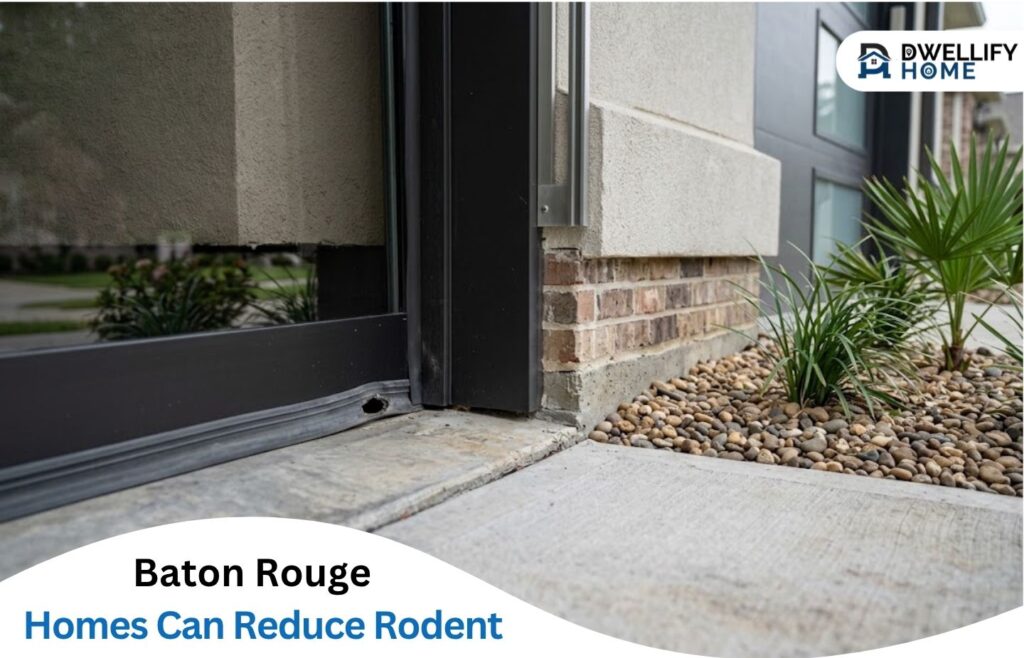
Garage doors are a major source of trouble. The rubber seal along the bottom wears out over time, leaving gaps that rodents can use. Side and top seals can also deteriorate. Because garages often hold pet food, birdseed, and stored items, they are attractive to rodents once the way in is open.
Crawl-space vents, foundation cracks, and siding gaps deserve similar scrutiny. Siding that has pulled away or warped, trim with holes, and gaps near corners and windows offer entry. Utility penetrations, such as where pipes, cables, gas lines, and air conditioning lines pass through walls, are often sealed poorly when installed and loosen with time.
Vegetation touching the structure creates bridges. Branches that brush the roof, vines on walls, and dense shrubs against the foundation give rodents cover and access. Stored materials such as wood piles, boxes, and equipment placed against exterior walls offer hiding places and nesting spots right beside potential entry points.
Why Design and Maintenance Both Matter
Design determines how many openings are likely to occur. Details such as tight-fitting soffits, properly flashed roof-wall transitions, and protected vents reduce the number of places that need attention. Materials that resist gnawing, such as metal flashing or hardware cloth in key spots, last longer than soft materials such as foam or plastic mesh.
Maintenance determines whether those details stay effective. Seals wear, screens tear, caulk shrinks, and settling creates new gaps. A building that was well sealed when new can develop weaknesses within a few years. Regular inspection, ideally twice a year, catches these changes before rodents do.
Both elements matter in a climate with heat, humidity, and heavy rain. Moisture can rot wood trim, loosen caulk, and encourage vegetation growth against walls. Sun and heat can also wear down rubber seals and plastic over time. Homeowners in Baton Rouge may find that regular checks after storm seasons are particularly useful, as wind and rain can damage screens, flashing, and siding. This is also one reason LaJaunie’s Pest Control serving Baton Rouge looks at exterior conditions when assessing recurring rodent problems, since small maintenance issues can sometimes create easy access points.
Recurring rodent problems often signal that the underlying design or condition has not been corrected. Trapping or baiting alone may reduce numbers temporarily, but if the entry point remains, new animals will find it. Exclusion, meaning the sealing of openings, is the long-term solution.
Practical Steps to Reduce Access
A homeowner can take several effective steps without specialized tools. Consider this checklist:
- Trim tree branches so they stay several feet away from the roof and walls
- Seal larger openings with durable materials such as metal flashing, hardware cloth, or cement-based patches
- Repair or replace damaged screens on vents, crawl spaces, and attic openings
- Improve garage-door seals along the bottom and sides
- Keep stored materials, firewood, and equipment away from exterior walls
- Close gaps around pipes, cables, and utility lines with appropriate sealant and metal mesh
- Keep trash cans closed, and pick up fallen fruit, pet food, and birdseed
Material choice matters. Rodents can chew through soft materials such as foam and thin plastic, so gaps should be closed with sturdier products. Steel wool alone can rust and wear away, and it works better when combined with sealant or a metal barrier.
Inspect after sealing. Rodents that are already inside may be trapped by new repairs, so sealing should be done with attention to whether animals remain indoors. Leaving a way out until the home is clear, and then closing it, helps avoid problems with animals trapped in walls.
Documenting what was found and what was repaired helps with later inspections. Photographs, notes, and a simple map of repaired spots let homeowners see where new activity appears and whether earlier repairs are holding.
When Professional Help Is the Next Step
Exclusion work solves many problems, but not all. If droppings, gnawing, or sounds continue, an entry point may have been missed, or the population inside may need removal. Rodents also carry parasites and can contaminate food and surfaces, so ongoing activity should not be ignored.
Professional inspection brings experience in finding hidden routes. Technicians know where rodents commonly enter and can examine attics, crawl spaces, and rooflines safely. They can also recommend treatment and monitoring suited to the home. Homeowners dealing with persistent activity in the area can contact LaJaunie’s Pest Control serving Baton Rouge for an inspection and a plan that combines exclusion with control.
When choosing help, ask what the inspection will cover, how entry points will be addressed, and what follow-up visits are included. A good plan addresses both the animals and the conditions that allowed them in. Written findings and clear recommendations help homeowners make decisions.
Follow-through is essential. After treatment, continue regular inspections and maintenance, since new gaps can develop and neighboring conditions can change. Prevention is an ongoing habit, not a one-time project.
End Note
Rodents enter homes through rooflines, garage doors, crawl-space vents, utility openings, siding gaps, and vegetation that touches the structure. Exterior design and ongoing maintenance together determine how easy that is for them.
Trimming branches, sealing larger openings, repairing screens, improving garage-door seals, and keeping stored materials away from walls reduce access considerably. When activity continues despite these efforts, professional evaluation helps locate what was missed and restore a home that is difficult for rodents to enter.
Disclosure: We may receive compensation from selected affiliate or sponsored links included in our articles. Any commissions earned help support Dwellifyhome.com and do not come at an additional cost to our readers.



