
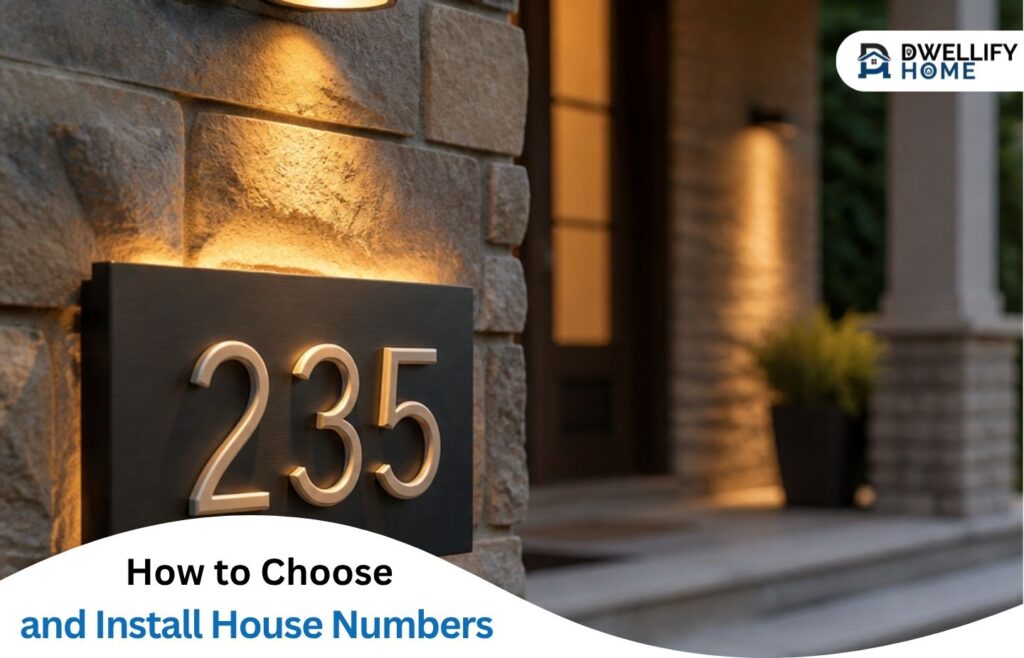
Your house numbers might be the most overlooked design element on your home’s exterior, yet they serve a critical function beyond aesthetics. Emergency responders, delivery drivers, and guests all depend on clear address identification to find your home quickly. Poor visibility can delay emergency response times by several minutes, and illegible numbers frustrate visitors and service providers alike. Choosing the right numbers and installing them properly transforms this functional necessity into an opportunity to enhance your home’s curb appeal.
Size Requirements and Visibility Standards
Most municipalities require house numbers to be at least 4 inches tall when viewed from the street, though many cities now mandate 6-inch minimum heights for improved visibility. Before purchasing numbers, check your local building codes, as requirements vary significantly. A home set back 50 feet from the curb needs larger numerals than one positioned close to the sidewalk. The viewing distance directly determines the appropriate size.
Contrast matters as much as size. Dark numbers on a light background or light numbers on a dark surface provide the clearest visibility. Avoid monochromatic schemes where numbers blend into siding or trim. Test visibility at different times of day, since morning sun, afternoon shadows, and evening lighting all affect readability. Numbers that look crisp at noon may disappear at dusk when emergency services most need to locate addresses quickly.
Material Selection for Durability and Style
House number materials range from basic plastic to premium metals, each with distinct advantages. Plastic numbers fade within a few years under UV exposure and crack in freezing temperatures. Wood offers charm for rustic homes but requires regular maintenance and eventual replacement as weather takes its toll. Ceramic and porcelain numbers suit traditional architecture and resist weathering, though they can chip if struck.
Metal numbers provide the longest service life with minimal maintenance. Brass develops a natural patina over time that many homeowners prefer, while painted finishes on steel or iron require occasional touch-ups. For contemporary homes seeking clean lines and lasting durability, aluminum house numbers and letters manufactured from solid recycled material offer weather resistance without the weight of cast iron. The concealed mounting systems available with quality metal numbers create a floating appearance that adds dimensional interest to flat facades.
Strategic Placement for Maximum Impact
The most common placement positions numbers directly on the front door, centered above the entrance, or on a column or post flanking the entry. Each location has practical implications. Door-mounted numbers work well for homes close to the street but may be obscured by storm doors or decorative wreaths. Above-door placement keeps numbers visible year-round and creates vertical interest on the facade.
For homes set back from the street, consider dual placement: one set near the entry for close-range identification and another on a mailbox post, fence, or prominent pillar visible from the curb. This redundancy ensures visibility from passing vehicles while maintaining architectural detail at the entry. Many professionals recommend placing numbers between 48 and 60 inches above ground level for optimal sight lines from both vehicles and pedestrian perspectives.
Alignment and Spacing Techniques
Professional-looking installations depend on precise alignment. Use a level and measuring tape to mark mounting positions before drilling. Space numbers proportionally, allowing roughly one-quarter of the numeral height between digits. Tighter spacing suits modern aesthetics, while wider spacing complements traditional architecture. Create a template by taping paper numbers to the mounting surface and viewing from the street before committing to permanent installation.
Lighting Solutions for Night Visibility
Even well-sized, high-contrast numbers become invisible after dark without proper illumination. Overhead spotlights directed at the numbers provide the most reliable lighting, particularly when controlled by photocells that activate automatically at dusk. Solar-powered options eliminate wiring concerns but may provide inconsistent brightness in shaded areas or during winter months with limited daylight.
Backlit and internally illuminated numbers offer premium visibility but require electrical installation. These work particularly well for commercial properties and homes in rural areas where street lighting is minimal. For more information on effective outdoor lighting techniques that complement address markers, explore approaches used in exterior rendering and facade treatments that balance functional lighting with aesthetic goals.
Installation Methods for Different Surfaces
Mounting techniques vary by surface material. Wood siding accepts screws directly, though pre-drilling prevents splitting. Vinyl siding requires special consideration since overtightening distorts the material. Use vinyl siding mounting blocks or attach numbers to trim boards instead. Brick and stone need masonry anchors or adhesive specifically rated for exterior use on porous surfaces.
Stucco presents challenges because its textured surface prevents flush mounting. Either recess numbers slightly into the stucco or mount them on spacers that accommodate the texture. For metal siding, self-tapping screws work if the gauge is heavy enough; thin metal may require backing plates to prevent pull-through. Always verify that your chosen mounting method matches both the number weight and the surface substrate strength.
Coordinating With Architectural Style
House numbers should complement rather than compete with your home’s design language. Traditional homes pair well with serif fonts and classic materials like brass or wrought iron. Mid-century modern architecture calls for simple sans-serif numerals in materials like aluminum or stainless steel. Farmhouse styles work with distressed metal or wood-mounted numbers that echo rustic elements elsewhere on the property.
Color choices extend beyond the numbers themselves. Consider the mounting surface color, surrounding trim, and existing hardware finishes like door handles and light fixtures. Cohesive metal finishes throughout the facade create visual unity. Resources such as design galleries featuring various house number styles demonstrate how different approaches work with specific architectural periods and regional preferences.
Maintenance and Longevity Considerations
Quality house numbers properly installed should last decades with minimal upkeep. Annual cleaning removes dirt and oxidation that diminish visibility. Metal numbers benefit from occasional waxing to protect finishes, while painted numbers may need touch-ups every few years depending on sun exposure. Check mounting hardware annually, tightening screws loosened by thermal expansion and contraction.
Plan for eventual replacement when upgrading siding, repainting, or refreshing exterior finishes. Numbers that once provided adequate contrast may disappear against new paint colors. Address this during renovation planning rather than as an afterthought. Investing in permanent, durable numbers from the start reduces long-term costs and maintains consistent curb appeal between major exterior updates.
Beyond Basic Numbers
Once you master standard house number installation, consider extending the concept to other exterior signage needs. Mailbox identification, garage apartment numbers, and accessory building markers all benefit from the same visibility principles. Consistent styling across all address elements creates cohesive curb appeal while serving practical wayfinding functions across your property. The attention you give to these details signals care and consideration that extends throughout your home’s design.
Before you explore further, we’d like to mention that some links in this article may be affiliate or sponsored links. If you make a qualifying purchase through them, we may receive a small commission to help support Dwellifyhome.com.



