
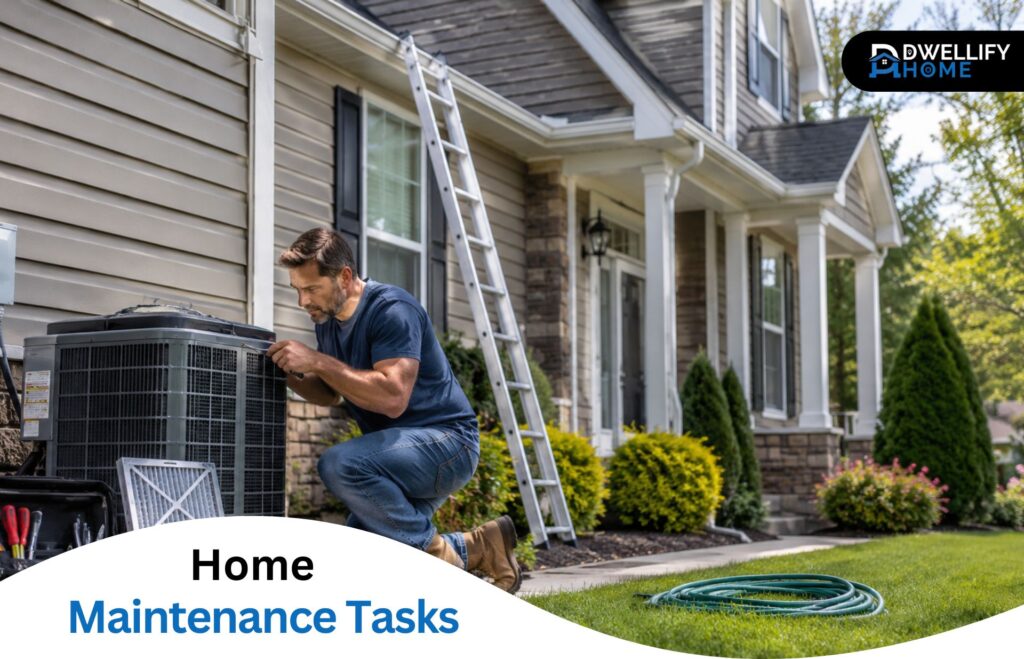
I still remember the first time I ignored home maintenance. It was my second year in this house, and I figured if everything looked okay, it probably was. Then one spring, the AC unit started making this weird grinding noise right before a heat wave hit. The repair bill was brutal, and it could have been avoided with a simple yearly check. That mistake taught me a lot. Homes need regular care, not just when something breaks.
Yearly maintenance keeps small problems from turning into expensive disasters. It saves money, improves safety, and makes your house more comfortable. I have learned this through trial and error over the past decade of owning homes. Here is what I now do every year without fail.
Why Yearly Home Maintenance Matters
A home is usually the biggest purchase most of us will ever make. Yet many people treat it like it will last forever on its own. The truth is, weather, age, and daily use wear everything down. Catching issues early prevents major headaches. I keep a simple notebook where I track what I did and when. It takes time, but the payoff shows up in lower bills, fewer emergencies, and a house that just feels solid.
While the most common maintenance service is HVAC maintenance, it can often fall short of what a home really needs. There are some home maintenance companies, like Ryan’s Home Services, offering services that cover the majority of your homes needs.
HVAC System: Your Biggest Energy Hog
Start with your heating and cooling system. This is probably the most important item on the list. I schedule a professional tune-up for both the furnace and air conditioner every spring or fall. The technician checks the blower, cleans the coils, and makes sure everything runs efficiently.
I change my own filters every three months too. Dirty filters make the system work harder and drive up energy bills. Last year I skipped the professional furnace check because money was tight. Big mistake. It started blowing cold air in the middle of winter. A loose wire was the culprit. Now I never skip it. The tech also tests carbon monoxide detectors while they are there. That alone is worth the visit.
Roof and Exterior Protection
Roofs take a beating from weather, and they are expensive to replace. I walk around the house twice a year and look for missing shingles, curling edges, or dark streaks that might mean algae. But I also hire a professional inspection every couple of years, or yearly if I live in a stormy area. They spot issues I would never see from the ground.
One neighbor waited too long. His roof developed a small leak that turned into major water damage in the attic. Mold everywhere. The repair cost him thousands more than a simple patch would have. I pay special attention to the flashing around chimneys and vents. Those spots fail first. If you have trees nearby, trim branches that rub against the roof. I do mine every fall.
Gutters and Downspouts
Gutters might seem boring, but they matter more than most people think. I clean mine twice a year, once in spring and once in fall. Leaves and debris build up fast, especially with big trees around. Clogged gutters cause water to overflow and rot your fascia boards or seep into the foundation. I have seen houses where poor gutter maintenance led to basement flooding.
While I am up on the ladder, I check the downspouts for blockages and make sure they direct water away from the house. A simple splash block or extension can save your foundation. In my current home, I installed gutter guards after dealing with constant cleaning in the old place. They cut the work in half.
Plumbing Checks That Prevent Floods
I walk through the house and look under every sink for leaks or corrosion. I also flush the water heater annually. Most manufacturers recommend this to remove sediment buildup. It keeps the tank efficient and extends its life. My last water heater lasted twelve years because I stayed on top of this.
I tested all the shut-off valves too. You do not want to discover a stuck valve when a pipe bursts. If you notice low water pressure anywhere, get it checked. And do not forget outdoor faucets. I disconnect hoses in winter and drain them to avoid frozen pipes.
Electrical Safety First
Electrical safety is another area I used to neglect. Now I test every smoke detector and carbon monoxide alarm twice a year. I replace the batteries even if they are still working. I also check outlets for warmth or sparks. If a switch feels hot or lights flicker without reason, I call an electrician right away.
In my old house, a faulty outlet caused a small scare. Nothing caught fire, but the smell of burning plastic was enough to make me more careful. Surge protectors on major electronics help too. If your breaker box looks ancient, have it inspected.
Windows, Doors, and Seals
Windows and doors deserve attention every year. I check the seals and caulking around them. Drafts waste energy and let moisture in. Replacing weatherstripping is cheap and makes a noticeable difference in comfort. I also lubricate hinges and tracks so doors slide smoothly.
Foundation, Exterior, and Landscaping
I look for cracks in the foundation, especially after heavy rains. Small cracks are normal in many areas, but widening ones deserve a professional look. I pay attention to grading around the house so water flows away from the foundation, not toward it.
Landscaping plays a bigger role than people realize. I keep shrubs trimmed away from the house to allow air circulation and reduce moisture against siding. Tree roots can damage foundations and pipes if they get too close.
Pest Control and Indoor Systems
I have a service that comes out once a year to inspect for termites, rodents, and other critters. I also seal up any gaps I find around pipes or vents. A few dollars in caulk can prevent hundreds of damage.
Inside the house, I clean dryer vents every year. Lint buildup causes fires, and it is easy to forget. I pull the dryer out, disconnect the vent, and vacuum thoroughly. Refrigerator coils get dusty too. I vacuum every six months for better efficiency. I have my dishwasher and washing machine cleaned with special solutions yearly. It removes buildup and keeps them running quietly.
I also go up into the attic every year with a flashlight and look for signs of leaks, insulation problems, or animal activity. Proper ventilation prevents heat buildup in summer and ice dams in winter in colder regions.
Making It a Habit
Doing all this takes time, but the payoff is huge. My energy bills stay reasonable. I avoid major emergencies. And when I do need repairs, they tend to be smaller and cheaper. Plus the house just feels better. Everything works the way it should.
If you are new to homeownership, start small. Pick three or four items from this list and tackle them this year. Build the habit. Talk to neighbors about local issues because every region has its own challenges.
Hiring professionals for the big stuff is worth it. They spot problems homeowners miss. But there is plenty you can do yourself to save money. The key is consistency. One thorough check per year beats scrambling when something fails.
My house is not perfect. It is lived in and has its quirks. But taking care of it yearly has made a real difference in how it feels and how much it costs me. Peace of mind is the best part. When storms roll in or temperatures drop, I know I have done what I can to protect my home and family.
Start this season. Walk around your property with fresh eyes. Make that list and stick with it. Your future self will thank you.
Before leaving, don’t forget to check out more helpful guides on Dwellifyhome.com. Certain links in this article may be affiliate or sponsored links, allowing us to earn a small commission from qualifying purchases. This support helps keep our website growing.