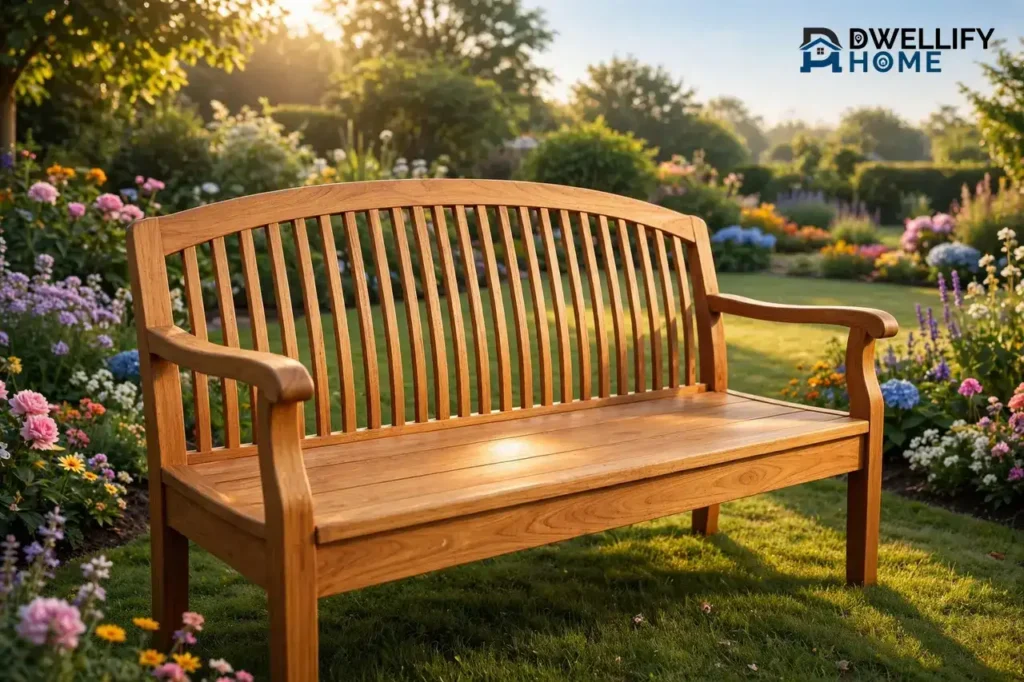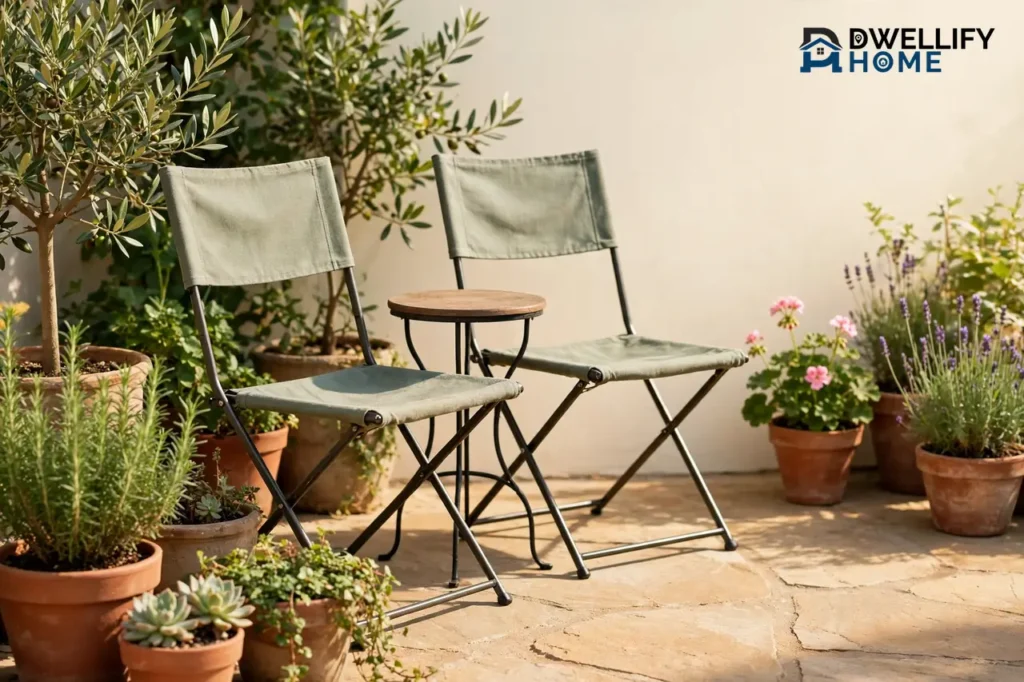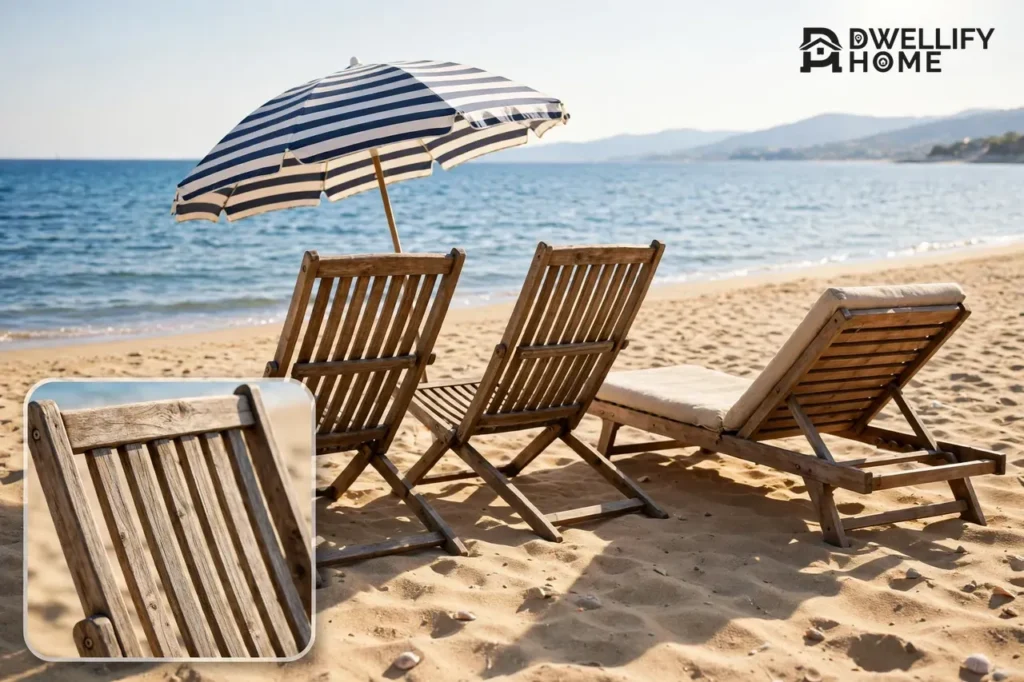
Beach furniture that survives salt, sand, and sun is built from powder-coated aluminum, HDPE poly lumber, all-weather wicker, or teak, with solution-dyed acrylic cushions — and the material matters more at the beach than anywhere else, because salt air corrodes steel within months, sand scours soft finishes, and full sun fades ordinary fabric in a single season. The right beach set is light enough to move, heavy enough not to blow away, and easy to rinse clean. This guide shows you which pieces to buy for the sand and the patio, which materials survive the coast, and how to keep beach furniture looking new year after year.
One material mistake ruins more beach furniture than sun and sand combined, and it hides in the frame. It sits in the materials section below, and most buyers make it because the chair looks identical to the right one in the store. Before that, you need to know what “beach furniture” actually covers, because the search mixes two very different things.
What Counts as Beach Furniture?
Beach furniture is outdoor furniture built for the coast: beach chairs, loungers, umbrellas, and small tables for the sand, plus coastal-style patio furniture — Adirondack chairs, wicker conversation sets, and chaise lounges — for the beach house deck and yard. The two groups share the same enemy, salt air, but they solve it in different ways.
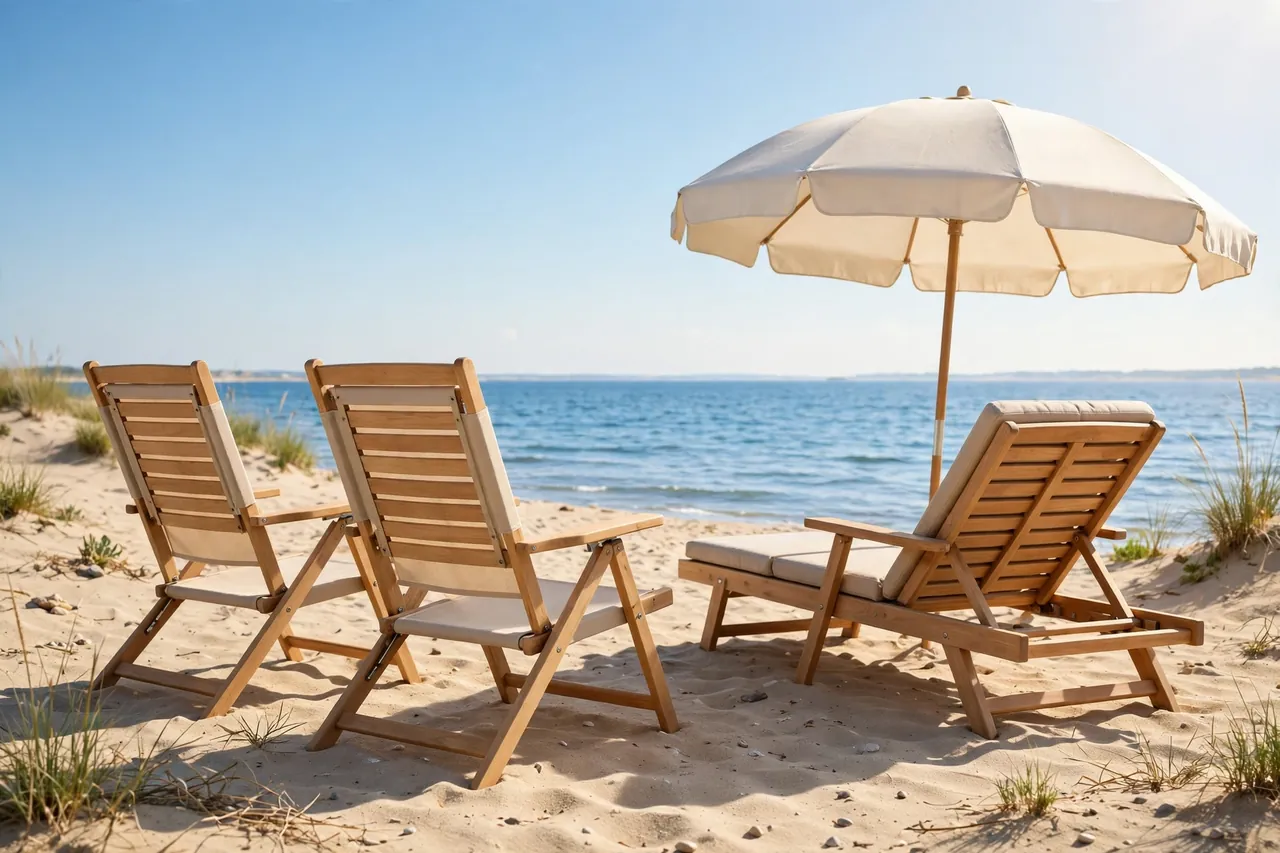
For the sand itself, the pieces are simple and portable: folding beach chairs with slatted backs and wide armrests, sun loungers with adjustable backrests, and umbrellas with a base heavy enough for the wind. For the beach house patio, the pieces look like ordinary patio furniture with a coastal style — whitewashed wood, pale wicker, soft blue and sand cushions — but the good ones are built from the same salt-proof materials as the sand pieces.
The confusion comes from the indoor side. Many “beach furniture” results are indoor coastal decor — beach-themed sofas and bedroom sets that never face weather at all. If the piece cannot be rinsed with a hose and left in the sun, it is not beach furniture, whatever the listing calls it. This guide covers only the outdoor kind: the chairs, loungers, umbrellas, and tables that live with salt, sand, and sun.
If it cannot be hosed down, it is not beach furniture. The coast tests every piece the same way, whatever the style name on the tag.
Which Materials Survive Salt Air?
Powder-coated aluminum, HDPE poly lumber, all-weather wicker, and teak survive salt air best, because aluminum cannot rust, HDPE does not absorb salt water, resin wicker shrugs off moisture, and teak’s natural oils resist salt, rot, and insects. Steel is the material to avoid at the beach — salt air corrodes it fast, and even stainless steel can show surface corrosion within 18 months on a beachfront, according to coastal furniture testing.
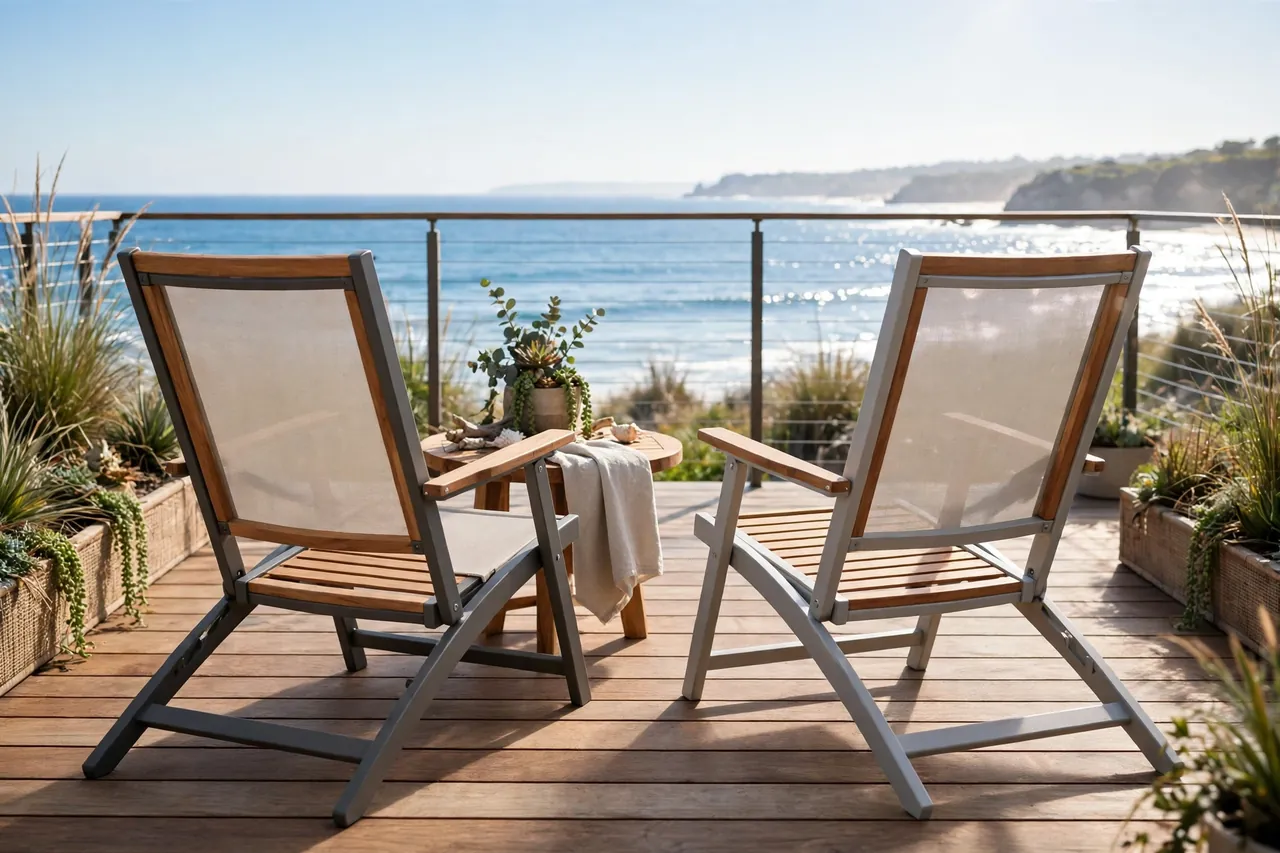
| Material | Salt-air survival | Care | Watch out for |
|---|---|---|---|
| Powder-coated aluminum | Excellent, no rust | Rinse with fresh water | Chipped coating exposes metal |
| HDPE poly lumber | Excellent | Rinse, almost nothing | Heavy, hot in full sun |
| All-weather wicker | Very good | Brush sand out, rinse | Cheap PVC wicker cracks in the sun |
| Teak | Excellent | Soap and water, oil optional | Price, weight |
| Steel | Poor, rusts fast | Constant rust watch | Avoid at the beach |
Rinse metal furniture regularly with fresh water — that is the single most effective habit at the coast, and the Pool Warehouse coastal guide lists stainless steel, marine-grade aluminum, and teak as the safer long-term investments for salt air, with regular fresh-water rinsing for metal. Check the hardware too: stainless steel screws and fittings resist rust far better than zinc-plated hardware, and mixing dissimilar metals near salt water can cause galvanic corrosion, where one metal eats the other.
For cushions, choose solution-dyed acrylic fabrics such as Sunbrella, which resist fading, mildew, and stains, and quick-dry foam inside, so a wet cushion dries instead of growing mildew. The CNKingMake guide to selecting outdoor furniture agrees: powder-coated aluminum and teak are top choices at the coast, HDPE wicker outlasts PVC, and solution-dyed acrylics are the fabric to buy for long-term outdoor use. Our weather-resistant outdoor furniture guide compares every material by climate, and our HDPE patio furniture guide covers the lowest-maintenance beach material in depth.
Aluminum, HDPE, resin wicker, teak — never steel. At the beach, the frame material is the whole purchase.
What Beach Furniture Do You Need for the Sand?
For the sand you need four things: a folding beach chair, a lounger or chaise, an umbrella with a heavy base, and a small side table. Everything else is optional, and the pieces that earn their place are the ones that fold, drain, and rinse clean.
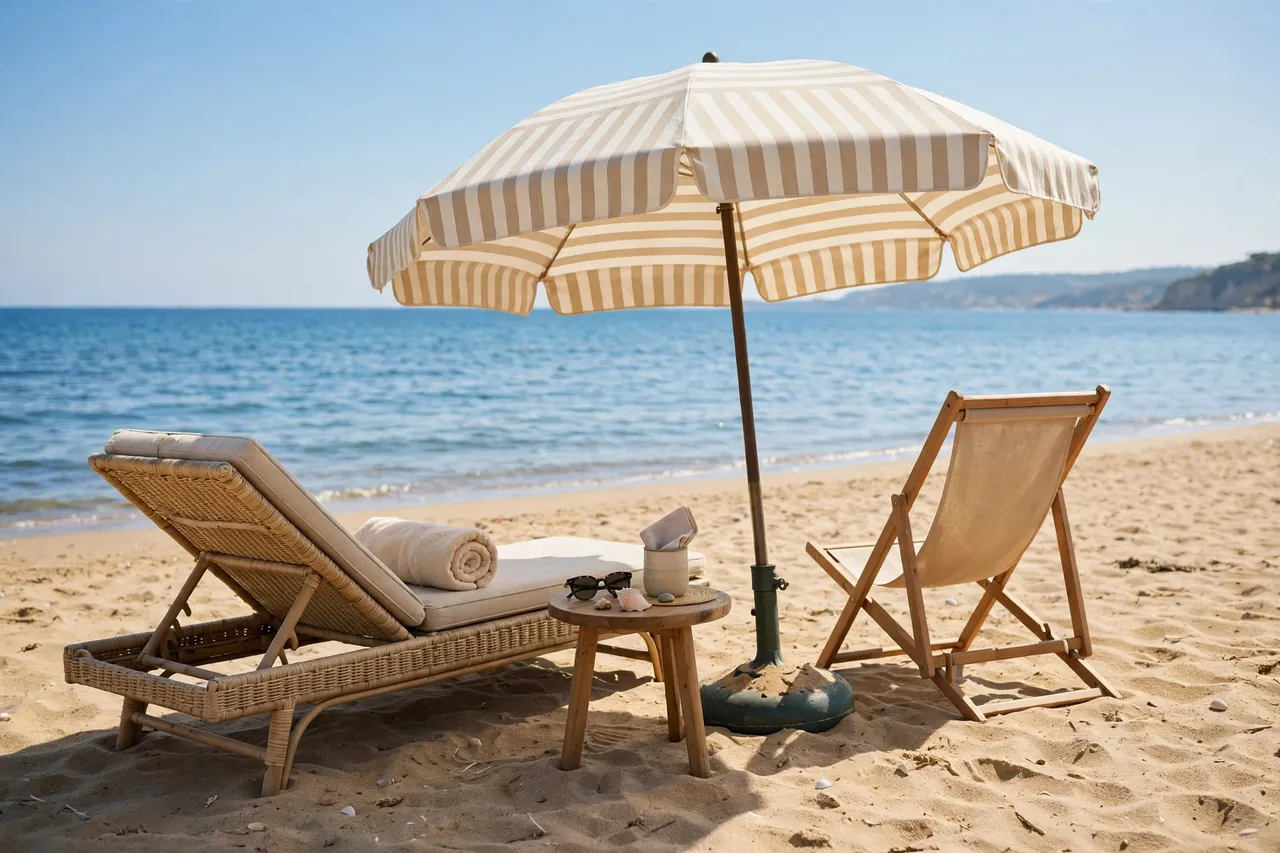
The folding beach chair is the classic: a slatted back, wide armrests, and a frame light enough to carry in one hand. Look for aluminum or HDPE frames, a seat that drains instead of pooling water, and fabric that dries fast — textilene mesh is the best choice for wet swimsuits, because it lets water through instead of holding it. The lounger is the longer version: an adjustable backrest, a flat profile for sunbathing, and wheels or a light frame if you carry it far. Our outdoor chaise guide and our lounger guide cover the poolside and beach versions side by side.
The umbrella is the piece most people underbuy. Compare canopies by size, tilt function, and venting — a vented canopy lets wind through instead of catching it like a sail — and match the base weight to the canopy size and the wind. A base that is too light is the most common beach umbrella failure, and a runaway umbrella is dangerous as well as annoying. Weight is the quiet trade-off at the beach. A chair light enough to carry down a dune is also light enough for a strong gust to move, so the best beach chairs balance the two: light in the hand, but with a low center of gravity and a wide footprint once they sit down. Folding chairs with a locking backrest stay put better than chairs that rely on weight alone, and an umbrella with a vented canopy catches far less wind than a flat one of the same size. Buy for the wind you actually get, not the calm morning you shopped in.
For the table, a small resin or aluminum side table holds drinks and books and rinses clean; a wooden table needs oil to survive the same sand and salt.
Fold, drain, rinse. If a beach piece cannot do all three, it will not survive its second summer on the sand.
How Do You Furnish a Beach House Patio?
Furnish a beach house patio with a coastal-style conversation set in all-weather wicker or teak, pale solution-dyed cushions, and a shade umbrella — and build it from the same salt-proof materials as the sand pieces, because the patio faces the same salt air with less rinsing. The look is coastal, but the materials must be marine.
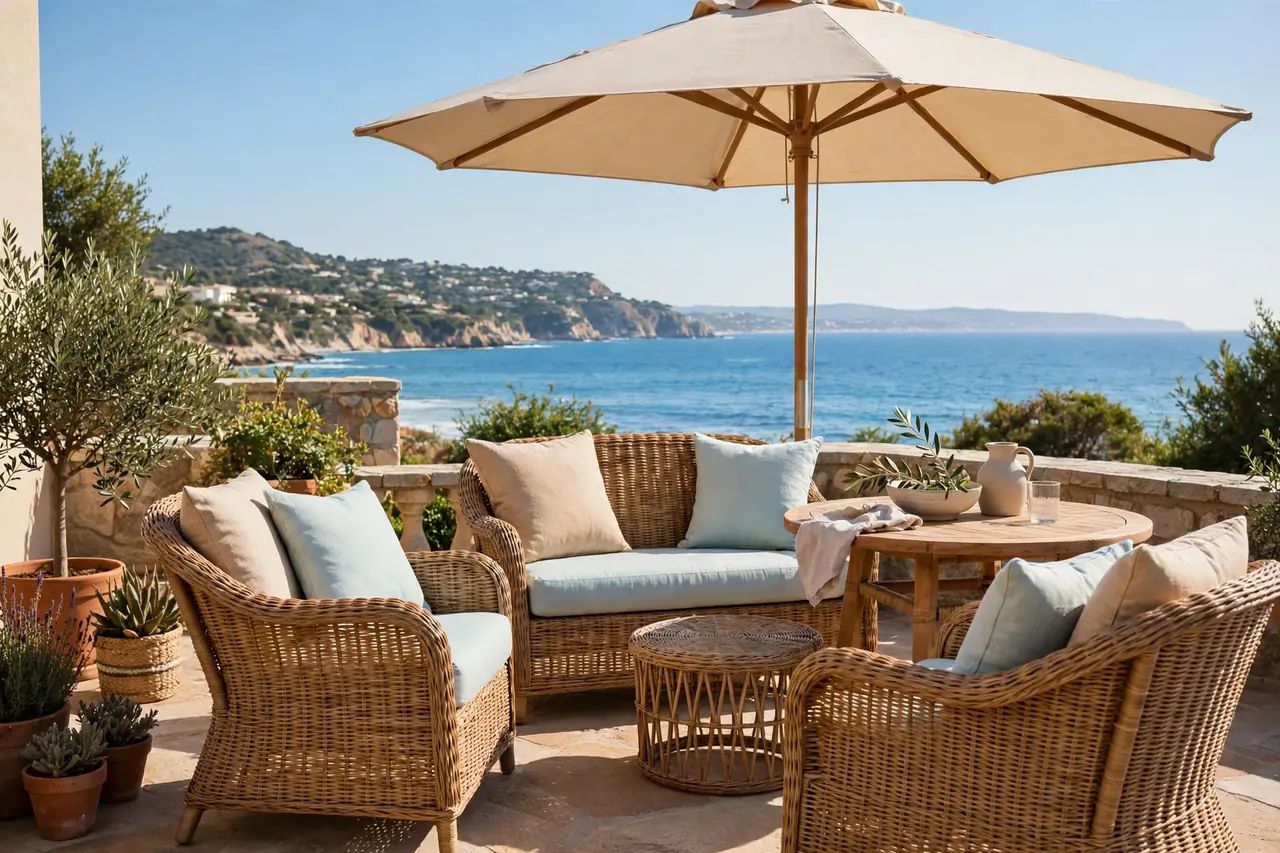
Color and style still matter — a beach patio should feel like the coast, not a warehouse. Whitewashed wood, pale wicker, and soft blue and sand cushions give the breezy look without giving up durability, and they hide salt haze and sand dust better than dark colors, which show every grain. Keep the palette to two or three coastal tones and let the view do the rest; the sea is the decoration, and the furniture just needs to stay out of its way.
Start with seating for the way you gather. A modular outdoor sectional or a pair of cushioned club chairs with a wicker conversation set creates a soft lounge area, while a bistro set keeps a small balcony breakfast nook open without losing the breezy coastal style. Adirondack chairs in HDPE lumber give the classic beach feel with zero painting, and they never rot, split, or need oil. For dining, a teak or aluminum table with sling chairs dries fast after rain and shrugs off sand.
Shade decides how often the patio gets used, so compare patio umbrellas and cantilever umbrellas by canopy size, tilt function, and whether you want extras such as LED lights or a matching base — the Target beach furniture guide makes the same point. Then add storage: a deck box or a covered bin for cushions, because cushions left out in a coastal storm grow mildew overnight. Our outdoor covers for furniture guide covers the covers that actually stay on in wind, and our outdoor furniture for small spaces guide helps a small beach balcony fit the same plan.
Coastal look, marine materials. The style can be soft and pale, but the frame underneath must be salt-proof.
What Most People Get Wrong About Beach Furniture
Most people get beach furniture wrong by buying indoor coastal style for an outdoor coast: a steel-frame chair with pale cotton cushions looks perfect in the showroom and rusts, fades, and mildews within one beach season. The fix is to check the frame and the fabric before the color.
The first mistake is steel. Any steel frame, any steel hardware, any steel umbrella pole will rust at the beach — and a rusted frame stains the deck and weakens the joints. The second mistake is the cushion fabric: ordinary printed fabric fades in full sun within months, while solution-dyed acrylic keeps its color for years. The third mistake is the umbrella base, bought too light for the canopy, so the first strong gust sends it across the deck.
The fourth mistake is sand in the weave. Steel rusts, pale cotton mildews, light bases fly. Sand packs into wicker and fabric, holds salt moisture against the fibers, and grinds the finish every time someone sits down. A weekly brush-out and a fresh-water rinse prevent it, and it takes five minutes. The fifth mistake is storing cushions wet — damp fill is how mildew starts, and no beach breeze dries a cushion that went into a closed box soaking wet.
That fixes the buying errors. The care routine that keeps the good set good is short, and it sits in the next section.
How Do You Care for Beach Furniture?
Care for beach furniture by rinsing it with fresh water after beach days, brushing sand out of wicker and fabric weekly, washing with mild soap when it looks dull, and storing cushions dry under cover. The routine is short, but at the coast it is the difference between a set that lasts 15 years and one that lasts two summers.
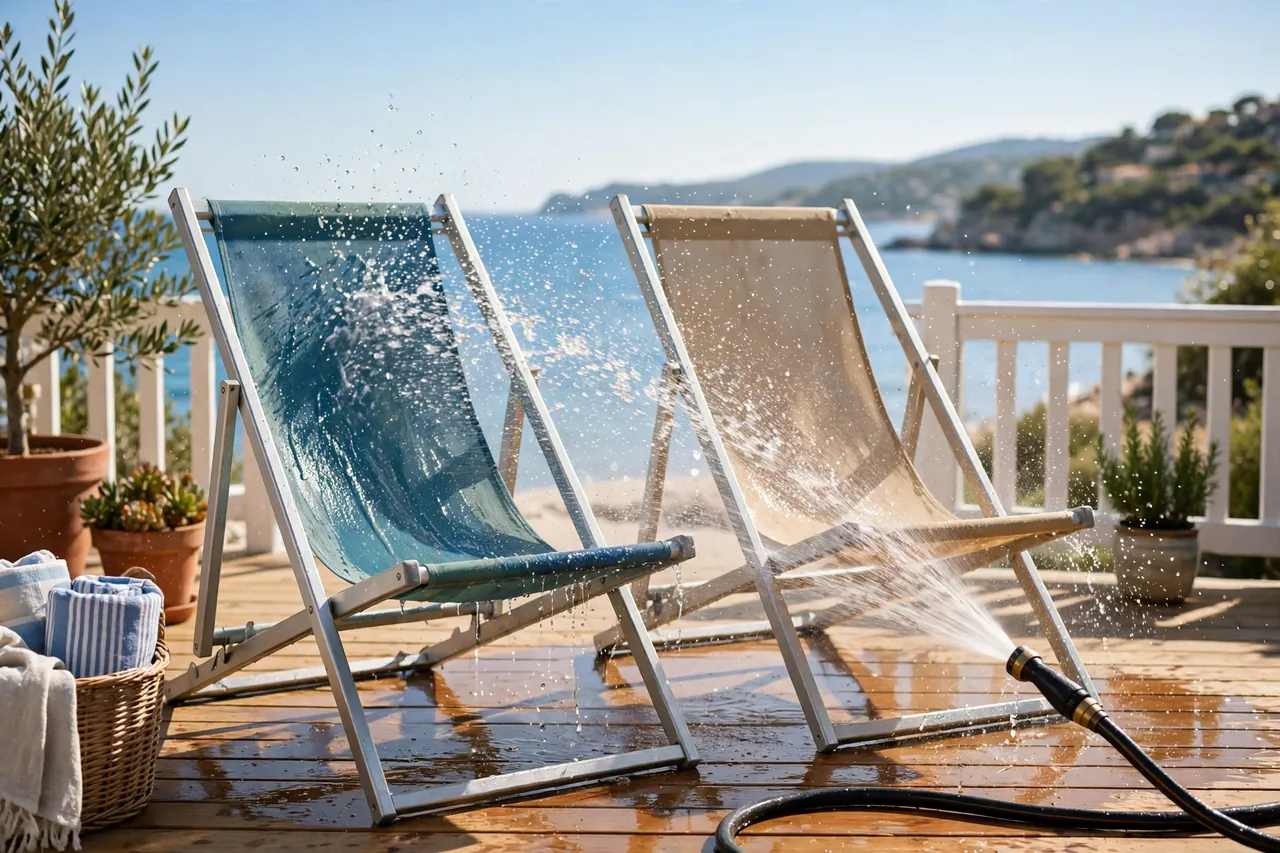
After every beach trip, hose the chairs and the umbrella down with fresh water — salt left on metal and fabric keeps working long after you go inside. Brush sand out of wicker weave before it packs in, and shake out cushion covers before they go back on the chairs. Wash with mild soap and water when the set looks dull, and let everything dry fully in the sun before you cover it or put it away.
At the end of the season, wash the whole set, dry it completely, oil teak if you want the honey color, and store cushions indoors in a dry place. If you keep furniture outside all winter at the coast, cover it with a breathable cover — a plastic tarp traps moisture and grows mildew underneath. Our how to care for outdoor furniture guide walks through the full seasonal routine, and our how to store outdoor furniture guide covers winter storage for coastal sets.
Rinse after every beach day. Five minutes of fresh water buys you years that no cover or oil can replace.
Related Guides
If you are building a full coastal setup, read our outdoor chaise guide next for the best lounger for sand and poolside, then our egg chairs guide for one sculptural accent on the deck. For the patio side, our patio dining set guide covers the table that anchors a beach house patio.
Frequently Asked Questions
What is the best material for beach furniture?
Powder-coated aluminum, HDPE poly lumber, all-weather wicker, and teak are the best materials for beach furniture. They resist salt air, sun, and moisture, while steel rusts fast at the coast and ordinary wood needs constant care.
Can outdoor furniture stay at the beach all year?
Aluminum, HDPE, and teak pieces can stay outside all year at the coast if you rinse them with fresh water regularly and cover them in storms. Cushions should always come inside for winter and during heavy rain.
How do I stop beach furniture from rusting?
Choose aluminum frames with stainless steel hardware, never steel, and rinse the furniture with fresh water after beach days. Rinse off salt spray regularly and check the powder coating for chips where water can reach bare metal.
What size umbrella base do I need for the beach?
Match the base weight to the canopy size and the wind exposure: the larger the canopy, the heavier the base required. A vented canopy helps, because it lets wind through instead of catching it like a sail.
How do I get sand out of outdoor furniture?
Brush sand out of wicker weave and fabric weekly, shake out cushion covers, and rinse the whole piece with fresh water. Sand holds salt moisture against the fibers, so a quick rinse after every beach day prevents most damage.
Buy the frame for the salt, the fabric for the sun, and the umbrella base for the wind — in that order. Do that and your beach furniture will still be the set everyone reaches for in five years, instead of the set you replaced after one season by the sea.