What Is a Monitored Fire Alarm?

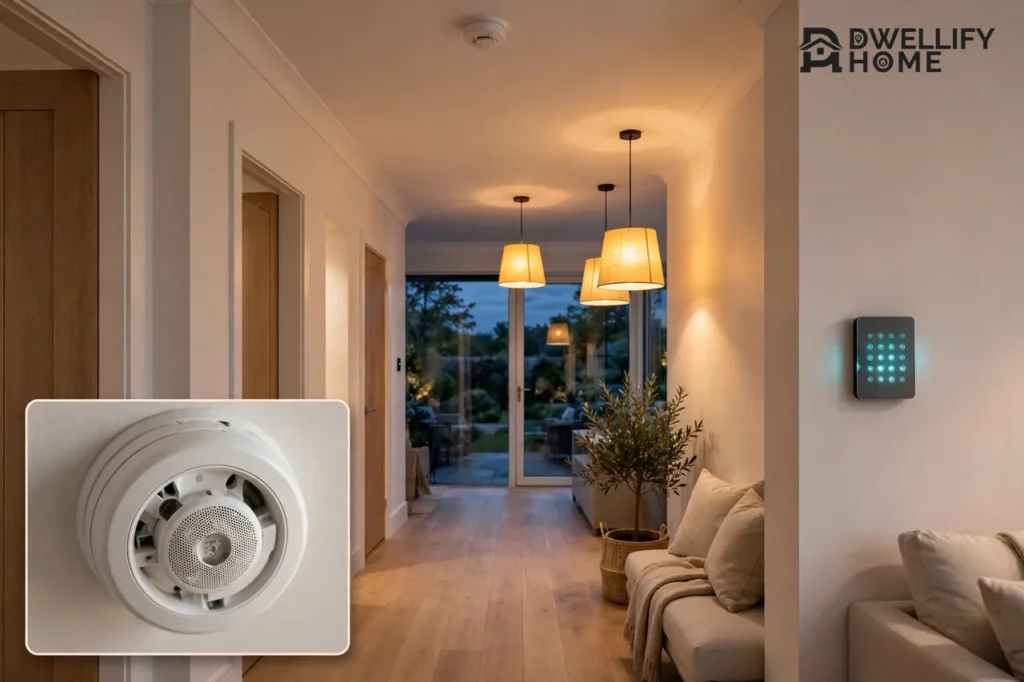
A monitored fire alarm is a fire alarm system connected to a staffed monitoring station that watches it 24 hours a day, 7 days a week. When a detector trips, the system sounds the alarm inside the building and sends a signal to the monitoring station at the same time. A trained operator there verifies the alert and calls the fire department, even when the building is empty, even at 3 a.m.
That is the whole difference, and it matters more than most owners realize. A local-only alarm warns the people inside the building. A monitored alarm also sends help when nobody is there to hear it. Detection warns the people present; monitoring gets help sent.
Monitored vs. Unmonitored: The Key Difference
The two systems look the same on the wall. The difference is what happens after the alarm sounds. An unmonitored system, sometimes called a local alarm, makes noise and flashes lights inside the building and then waits for a person to call 911. If nobody is there, or nobody hears it, nothing else happens.
A monitored system adds a second path. The same signal that trips the horn travels to a central monitoring station, staffed around the clock, where a real person reviews it, confirms it is not a false alarm, and calls the fire department. The monitoring process works through dedicated communication pathways: most systems use cellular networks, internet connections, or traditional phone lines to send the signal.
The comparison is simple:
| Feature | Unmonitored alarm | Monitored fire alarm |
|---|---|---|
| Warns people inside | Yes | Yes |
| Calls the fire department | No, a person must call | Yes, automatically |
| Works when building is empty | No | Yes, 24/7 |
| Reports system faults | Local trouble signal only | Yes, to the station |
| Monthly cost | $0 | About $25 to $100 |
For a home, the choice is personal. For a commercial building, it is usually not a choice at all. If your fire alarm system is required by code, its alarm signals generally must be transmitted automatically to a supervising station. That is the general rule under NFPA 72 and the fire codes that adopt it, and your local authority having jurisdiction confirms the exact requirement.
How a Monitored Fire Alarm Works, Step by Step
The sequence from detector to fire truck takes seconds, and every step has a job. Here is what happens when a monitored system trips.
- A device detects a condition. A smoke detector, heat detector, manual pull station, waterflow switch, or another approved device changes state.
- The control panel evaluates the signal. The fire alarm control unit identifies the exact point and places the system into alarm, supervisory, or trouble status.
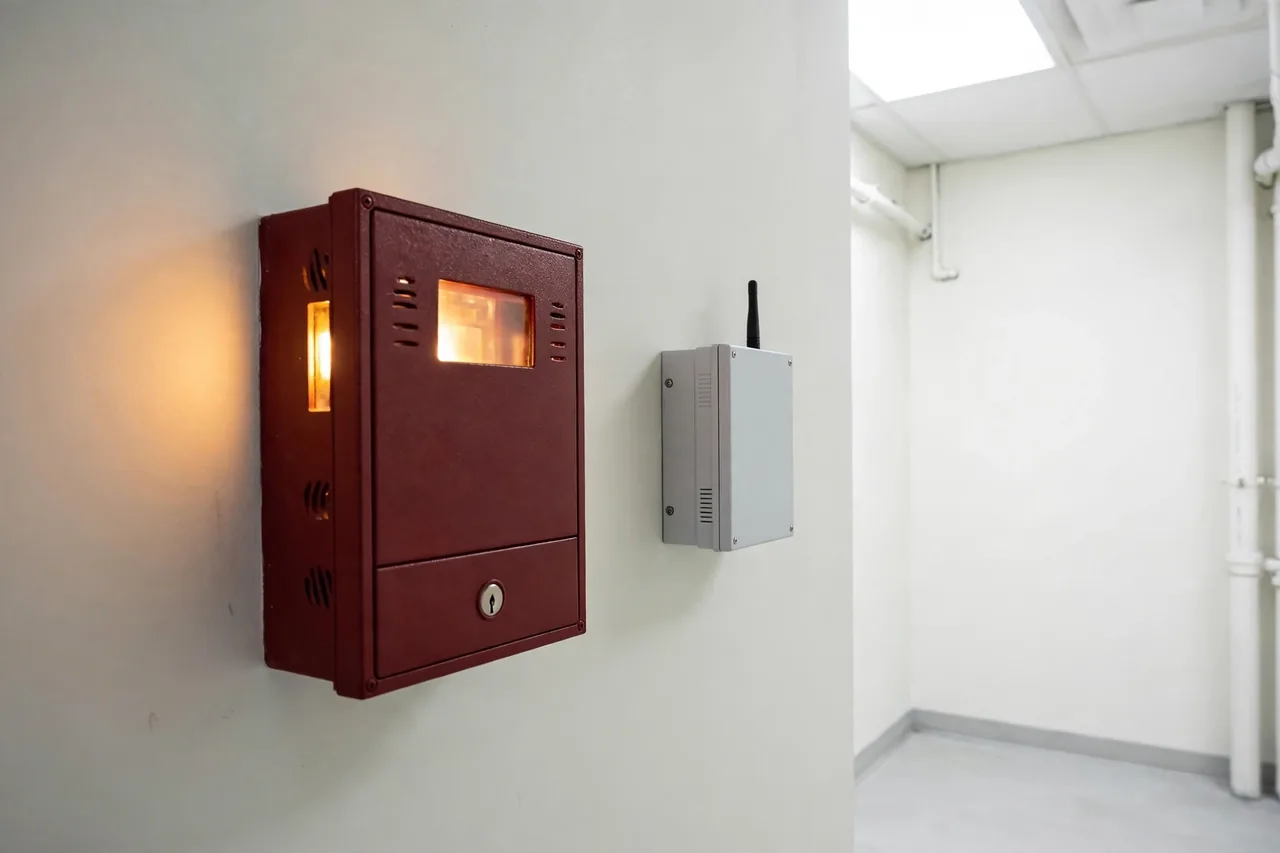
- The communicator transmits the event. The approved communications path, cellular, internet, or phone line, sends the signal to the supervising station.
- An operator verifies the alert. A trained person at the station reviews the signal, calls your designated contacts, and checks whether it looks like a real fire or a false alarm.
- The fire department is called. The operator notifies the fire department and passes on the building address and the alarm location.
- You are notified. The station calls or messages you and your keyholders, so you know what happened even when you are away.
The whole chain matters because each step covers a failure of the step before it. The detector catches the fire. The panel sorts the signal. The communicator reaches the station. The operator makes the call. No single person has to be awake, at home, or near a phone for help to come.
The Three Signals a Monitored System Sends
Monitoring is not just a fire signal. A monitored panel reports three kinds of events, and each one triggers a different response.
Alarm signals mean smoke or heat detection, a pull station, or sprinkler waterflow. These trigger a dispatch. The operator calls the fire department and your contacts right away, because minutes decide how much of the building survives.
Supervisory signals mean a problem with a protective system, such as a closed sprinkler valve or a low sprinkler pressure condition. No fire is burning, but part of your protection is down. The station notifies you so the problem gets fixed before a fire tests it.
Trouble signals mean a fault in the alarm system itself, such as a wiring fault, a low battery, a power loss, or a failed communication path. The system is telling you it cannot protect you properly. The station reports it so you can repair it before the next alarm.
An unmonitored system can show these signals on the panel, but nobody sees them unless someone walks past the panel and reads it. A monitored system turns silent faults into phone calls. That alone prevents many of the dead-system discoveries that follow real fires.
How Much Does Monitored Fire Alarm Service Cost?

Monitoring is a monthly service, and the price depends on whether the system protects a home or a commercial building, and on how the signal travels.
For a home, professional monitoring typically costs $30 to $60 a month, according to Vivint’s May 2026 cost guide, with most homeowners paying around $40 a month. Basic plans can start near $25 to $35 a month. Landline-based monitoring is the cheapest option at $10 to $30 a month, but it is also the most vulnerable, because a cut phone line disables it entirely. Cellular or cloud-based monitoring is the industry standard at $30 to $60 a month.
For a commercial building, monitoring typically costs $30 to $100 a month for a standard system, varying with panel size, transmission method, and provider, according to FireProtectNearMe’s July 2026 commercial guide. Larger or multi-site systems can cost $50 to $200 a month. A cellular communicator, the hardware that sends the signal, costs $300 to $800 one time. Legacy systems that still use two dedicated analog phone lines can pay $60 to $150 or more a month just for the lines, often more than the monitoring itself.
Extra fees exist. Activation fees run $0 to $230 depending on provider and plan. Municipal alarm permits run $25 to $100 or more a year, and many cities require a permit before police or fire will respond to your alarm. Ask for every fee in writing before you sign.
Monitoring can also pay you back. Many insurers offer a 5 to 20 percent premium credit for monitored fire protection, because insurers lose far more on an uncontrolled fire than on a burglary. Ask your insurer what a monitored system earns before you decide the monthly fee is too much.
Who Needs a Monitored Fire Alarm?
Some owners need monitoring by law, and others need it by logic. Both groups are bigger than most people think.
Commercial buildings usually need it by law. If your fire alarm system is required by code, NFPA 72 generally requires its signals to go to a supervising station. Schools, hotels, hospitals, offices, warehouses, restaurants, and multi-family buildings commonly fall in this group. Your authority having jurisdiction gives the final answer for your building.
Homes need it by logic when the house is empty often, when the occupants sleep deeply, when someone in the home cannot get out quickly on their own, or when the home is large enough that a fire in one wing may not wake the other. A monitored smoke and carbon monoxide detector can dispatch the fire department automatically even if you are not home or cannot call.
Vacation homes, rental properties, and homes with attached garages or fuel-burning appliances are strong candidates too. A fire that starts in an empty house burns unchecked until a neighbor notices. A monitored system notices in seconds.
If your building is small, always occupied, and already covered by working alarms, local-only protection may be enough. But if the building ever sits empty, monitoring closes the gap that a local alarm leaves open.
What Happens During a Power Cut or Internet Outage?

A monitored alarm is only as good as its connection, so the first question to ask any provider is what happens when the power or the internet goes down. A good system has an answer for both, and a weak one does not.
Power cuts are covered by design. Fire alarm panels carry backup batteries that keep the system running when mains power fails, and the panel reports the power loss to the monitoring station as a trouble signal. The station then knows your system is on battery and can act if the battery runs low. Keep those batteries fresh and tested, because a dead backup battery turns a power cut into a silent building.
Internet outages depend on the communication path. A system that reports over the internet alone goes quiet when the internet drops, which is why cellular is the industry standard for monitoring. A cellular communicator does not need your broadband, and a fire that burns through a cable cannot cut a cellular signal. Many systems use two paths, cellular plus internet, so one failure does not silence the alarm.
Phone-line systems face a different risk. A cut or damaged phone line disables landline monitoring entirely, and the line can fail without anyone noticing until the next test. That is why landline monitoring, at $10 to $30 a month, is the cheapest option and the most vulnerable one. If your building still uses phone lines, ask your provider about a cellular upgrade and what it costs.
Test the backup paths, not just the alarm. Once a year, ask your provider to confirm a test signal arrived over each path your system uses. A monitoring path you never tested is a path you cannot trust.
How to Choose a Monitoring Provider
Not all monitoring is equal. A cheap plan with a slow station is worse than no plan at all, because it gives you false confidence. Judge providers on five things.
First, the station itself. Look for a UL 827-listed central station, which means the facility meets a recognized standard for staffing, power backup, and response procedures. Ask whether operators are trained specifically on fire signals, not only on burglary alarms, because fire dispatch has different urgency and different questions.
Second, the communication path. Cellular is the current standard because it does not depend on a phone line or a home internet connection that a fire can cut. Ask what happens if the primary path fails: a good provider has a backup path and reports the failure to you as a trouble signal.
Third, the response procedure. Ask exactly what the operator does when your alarm trips: who they call first, how they verify a false alarm, and how fast they dispatch. Get it in writing. A provider that cannot describe its procedure clearly is not ready for your building.
Fourth, the contract. Know the monthly fee, the contract length, the cancellation terms, and what happens if you move or change panels. Some providers lock you into long contracts with high exit fees. A fair contract is one you could leave without pain.
Fifth, testing and records. A monitored system needs regular testing, and your provider should support it: scheduled test windows, test confirmations, and records you can show your insurer and your authority having jurisdiction. Pick the provider whose station, path, and procedure you can describe back in one sentence.
Monitored Fire Alarms and False Alarms

False alarms worry every owner, and monitoring handles them better than a local alarm does. When a monitored alarm trips, the operator calls your contacts and checks the situation before dispatching in many cases, which cuts needless fire truck visits. Some jurisdictions still require dispatch on every signal, so ask your provider and your local fire department how verification works where you live.
You can cut false alarms at the source. Keep detectors clean and dust-free, replace them at 10 years, keep them away from kitchens and steamy bathrooms, and fix any detector that false-alarms twice. A detector that cries wolf trains everyone to ignore it, and that is more dangerous than no detector at all.
Never disable an alarm to stop a false alarm. Fix the cause, move the detector, or replace the unit. If the monitoring station calls about an alarm you believe is false, tell the operator what you know, but let them follow their procedure. They are trained for the case where you are wrong.
Monitoring does not replace working alarms, good placement, or an escape plan. It adds the one thing a local alarm cannot: a person who acts when you cannot. This guide is general information, not code advice for your building. Confirm monitoring requirements with your authority having jurisdiction and a licensed fire alarm professional, and never install or alter a commercial fire alarm system yourself. If your alarm sounds and you smell smoke or see fire, get out and call 911, and never go back inside.
Related Guides
To see the wider system a monitored alarm belongs to, read our guide to cellular home security systems, which explains the cellular path most monitored alarms use. Our best home security systems with cameras guide covers complete monitored setups, and the HomeKit alarm system guide explains how smart-home alarms connect to monitoring and alerts.
Frequently Asked Questions
What is a monitored fire alarm?
A monitored fire alarm is a fire alarm system connected to a 24/7 central monitoring station. When a detector trips, the system sends a signal to trained operators who verify the alert and contact the fire department, even when the building is empty.
How much does monitored fire alarm service cost per month?
Home monitoring typically costs $30 to $60 a month, with most homeowners paying around $40. Commercial monitoring typically costs $30 to $100 a month for a standard system, and $50 to $200 for larger or multi-site systems.
Is a monitored fire alarm required?
For most commercial buildings, yes. When a fire alarm system is required by code, NFPA 72 generally requires its alarm signals to be transmitted automatically to a supervising station. Your local authority having jurisdiction confirms the exact requirement for your building.
What is the difference between monitored and unmonitored fire alarms?
An unmonitored alarm only warns the people inside the building, and a person must call 911. A monitored alarm also sends the signal to a staffed station that calls the fire department automatically, even when nobody is in the building.
How does fire alarm monitoring work?
A detector trips, the control panel evaluates the signal, and a communicator sends it over a cellular, internet, or phone-line path to the monitoring station. An operator verifies the alert, calls the fire department, and notifies you and your keyholders.
Do monitored fire alarms reduce insurance costs?
Often, yes. Many insurers offer a 5 to 20 percent premium credit for monitored fire protection, and monitored fire sensors often earn a larger credit than burglary monitoring alone. Ask your insurer what your system earns before you sign a monitoring contract.
A monitored fire alarm is the difference between an alarm that makes noise and an alarm that sends help. If your building ever sits empty, that difference is worth the monthly fee.