Outdoor metal Christmas decorations give your yard a crisp, glowing look that holds up through rain, snow, and wind. Choose powder-coated steel, galvanized steel, stainless steel, or tin pieces made for outdoor use, anchor each one well, and light it with outdoor-rated lights on a GFCI-protected outlet. Done this way, a metal display can look sharp from the first weekend of December right through New Year’s Day.
The trick is simple: buy metal made for the outdoors, not metal made for a living room shelf. Outdoor pieces have a sealed finish, strong joints, and a way to stake or weigh them down. In this guide, you will learn which metals last longest, which shapes suit each spot in your yard, and how to stop rust and wind from ruining your display.
Why Metal Works So Well Outdoors

Metal holds its shape in cold weather. It does not sag when snow piles on it, and it does not blow flat in a gust the way a light, soft decoration can. A steel reindeer silhouette still stands straight after a storm, and a metal star still points up when the wind picks up.
Metal also glows well at night. Thin frames and open silhouettes let light shine through them, so a lit metal tree or star throws a clean shape onto your lawn, porch, or house wall. During the day, the same piece reads as a neat sculpture, even with the lights off.
Best of all, good metal lasts for years. You buy it once, store it dry over summer, and bring it out again next Christmas. That makes it a smart pick if you hate replacing yard decor every single year.
Choose the Right Metal for Your Weather
Not every metal handles winter the same way. Read the label before you buy, and look for words like powder-coated, galvanized, or stainless. Those finishes protect the metal under them, and they make the difference between a piece that lasts one season and one that lasts ten.
Powder-coated steel is the workhorse of outdoor Christmas decor. Makers bake a dry, colored coating onto the steel, and that coating seals out water. This Old House likewise points to powder-coated metal as a weather-resistant pick, with a fresh protective clear coat reapplied each year to keep it durable. It comes in black, white, gold, red, and green, so it suits almost any theme.
Galvanized steel has a zinc coating that guards against rust, even if the surface gets a small scratch. It looks a bit more rugged and industrial, which suits farmhouse and rustic yards. Stainless steel resists rust best of all, but it costs more, so you often see it in smaller accents like stars, lantern frames, and signs.
Cast iron looks heavy and classic, and it suits lanterns and old-style figures. It weighs a lot, so wind rarely moves it, but you must keep its finish sealed, because bare iron rusts fast once water reaches it. Tin pieces, usually thin coated steel shaped into stars, trees, and signs, look light and charming on porches and fences, but they need shelter from the worst weather.
Use this quick guide when you shop:
Metal types at a glance
| Metal or finish | Best for | Watch out for |
|---|---|---|
| Powder-coated steel | Silhouettes, trees, and yard figures | Chips that expose bare steel |
| Galvanized steel | Frames, stakes, and rustic pieces | Deep scratches down to the steel |
| Stainless steel | Stars, lanterns, and signs | Higher price and salt spots near roads |
| Cast iron | Lanterns and heavy porch figures | Weight and rust if the seal fails |
| Tin | Porch stars, signs, and light accents | Thin metal that dents and needs shelter |
If you live near the coast or a salted road, pick galvanized or stainless pieces first. Salt speeds up rust, so a cheap, thinly coated piece will show orange spots fast in those spots.
Metal Pieces That Make a Yard Glow
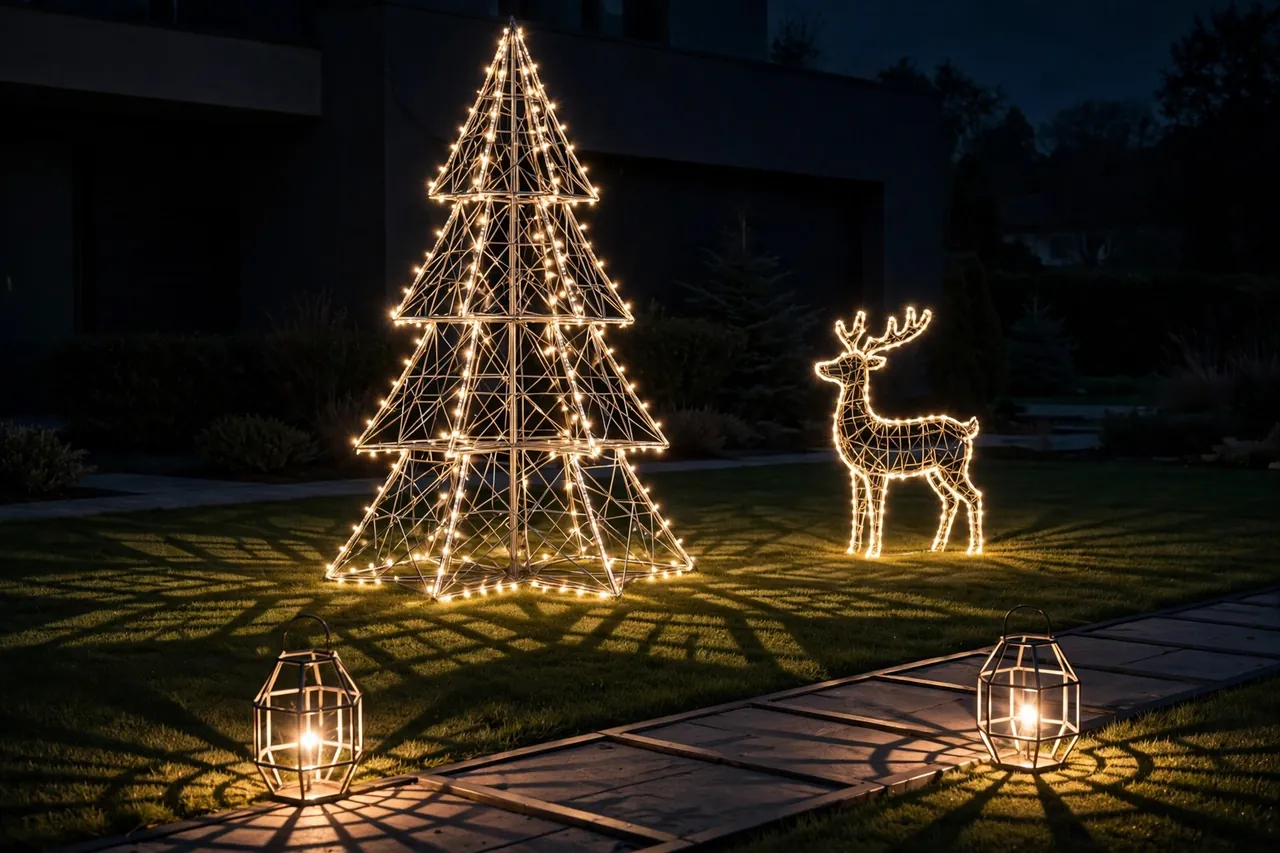
Start with one large focal piece, then add smaller metal accents around it. One strong shape reads better from the street than ten small pieces scattered across the lawn.
Reindeer and Animal Silhouettes
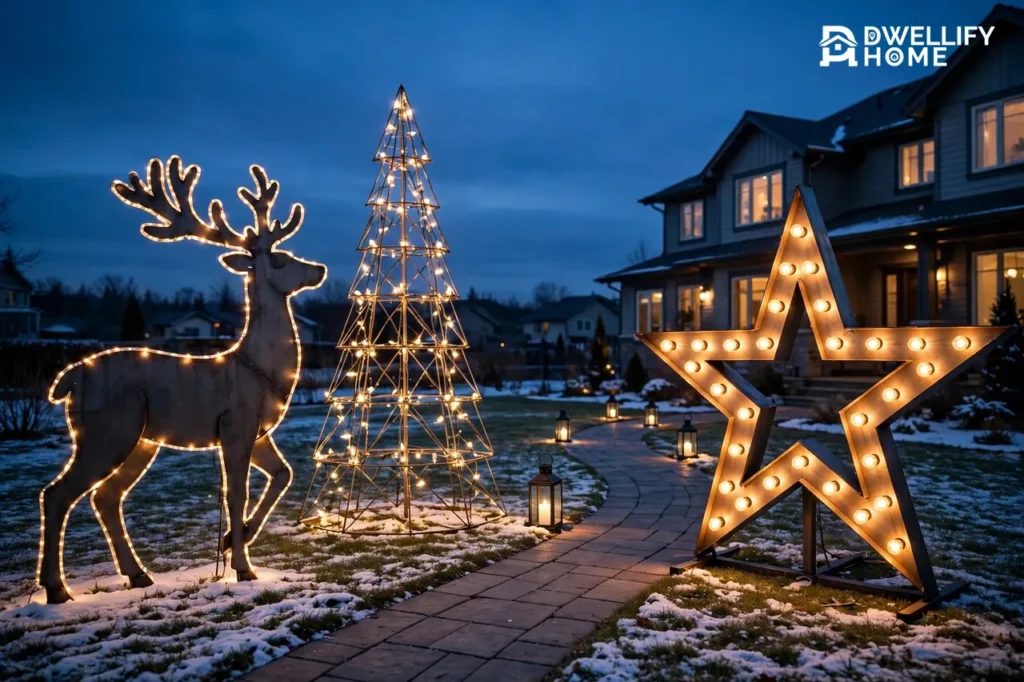
Metal reindeer silhouettes are the classic yard piece for a reason. Their thin legs and antlers read clearly from the road, day or night. Place one or two near the front walk or beside a tree, and wrap them in warm white lights if they do not come pre-lit. Keep them off the walkway itself, so nobody trips over a leg or a stake in the dark.
Metal Trees and Stars
A metal frame tree gives you the shape of a Christmas tree without needles to clean up. You can wrap it in lights, hang a few large metal ornaments from it, and top it with a metal star. Metal stars also work on their own: hang a large one from a porch beam, mount one on a fence, or stake a star-topped tree shape into a garden bed.
Lanterns
Metal lanterns bring a warm, old-style glow to porches, steps, and paths. Set a pair beside the front door, or line three along a walk. Use battery candles or outdoor-rated LED candles inside them, and keep real flames out of any lantern near dry leaves, garlands, or curtains. A lantern with a glass or open panel also shelters its light from wind, so it glows steady all evening.
Signs and Marquee-Style Figures
Metal signs that read “Merry Christmas” or “Joy” add a clear message to your display, and they suit fences, porch walls, and garden beds. Marquee-style metal figures, with bulbs set into a metal frame shaped like a tree, star, or deer, glow like an old theater sign and make a strong focal point after dark. Mount signs flat against a solid surface, so wind cannot catch them like a sail.
Gift Boxes, Bells, and Ornaments
Metal-frame gift boxes, giant bells, and oversized ornaments fill the gaps between your big pieces. A metal-frame gift box stack beside the door, for example, gives your porch a finished look without much work. As a price guide, Home Accents Holiday sells a 4.5-foot Yuletide Lane LED stacked gift box set with a durable pre-wired metal frame and ground stakes for $89.98, checked October 27, 2026. Prices change, so check the current listing before you buy.
How to Light Metal Pieces Without Trouble
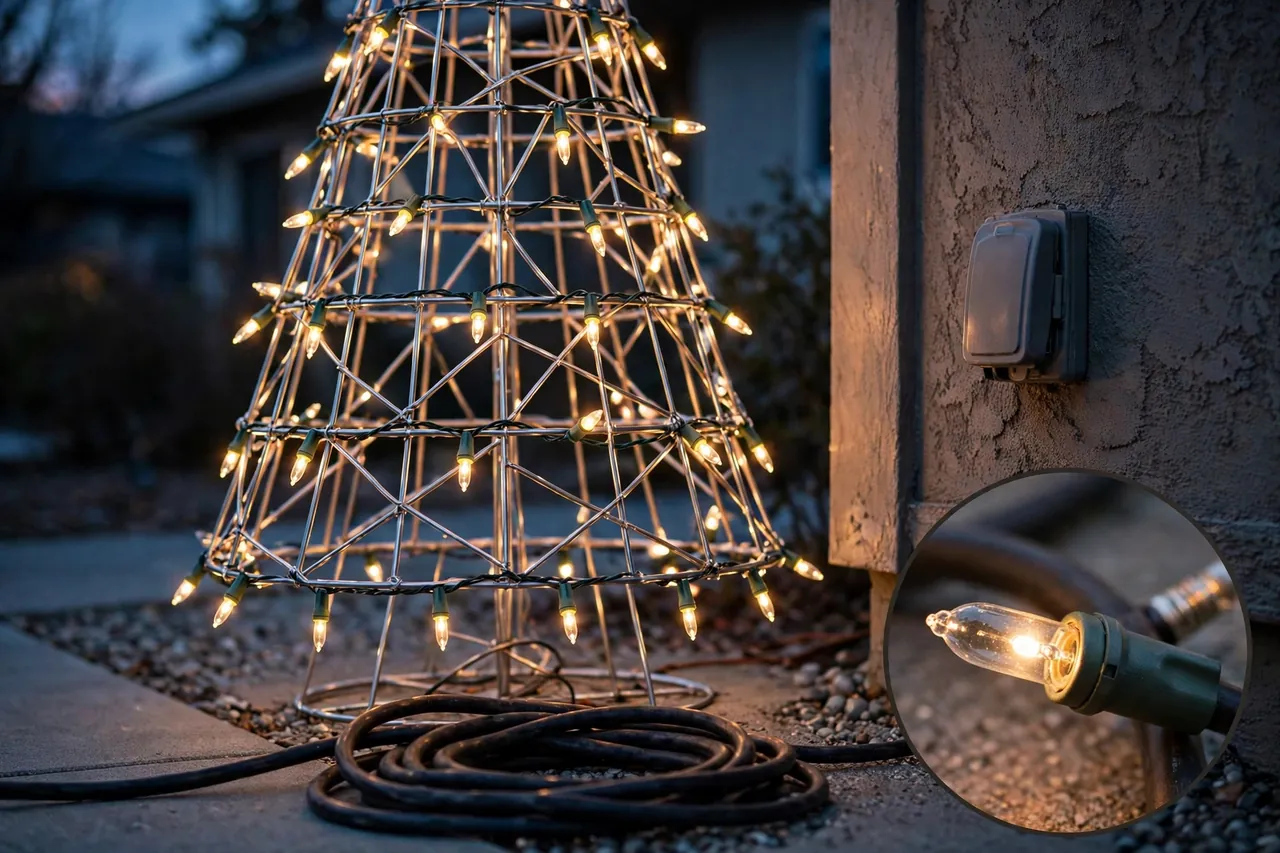
Light makes metal decor shine, but metal and electricity need respect. Follow these rules every time you plug in a lit piece.
First, use only lights rated for outdoor use, and plug them into a GFCI-protected outlet. A ground fault circuit interrupter, or GFCI, cuts power fast if water or a fault creates a shock risk. The U.S. Consumer Product Safety Commission advises that outdoor electric lights and decorations go into circuits protected by GFCIs, and you can buy a portable outdoor GFCI if your outlet lacks one.
Second, check every string before you hang it. Throw out any set with cracked sockets, frayed wires, or loose connections, and replace burned-out bulbs with the same wattage. Never overload one extension cord, and use only outdoor-rated cords that lie flat, away from walkways.
Third, take special care with metal trees. The Consumer Product Safety Commission warns never to use electric lights on a metallic tree, because a faulty light can charge the tree and shock anyone who touches it. If your metal frame tree comes with its own factory-fitted lights, follow the maker’s instructions exactly. If it does not, use battery lights or solar lights that do not connect to your home’s power, or skip lights on that piece and let a spotlight do the work.
Finally, turn lights off when you go to bed or leave the house. A timer or a remote-control outlet makes this easy, and it cuts fire risk while you sleep or travel.
Anchor Metal Pieces So Wind Can’t Move Them
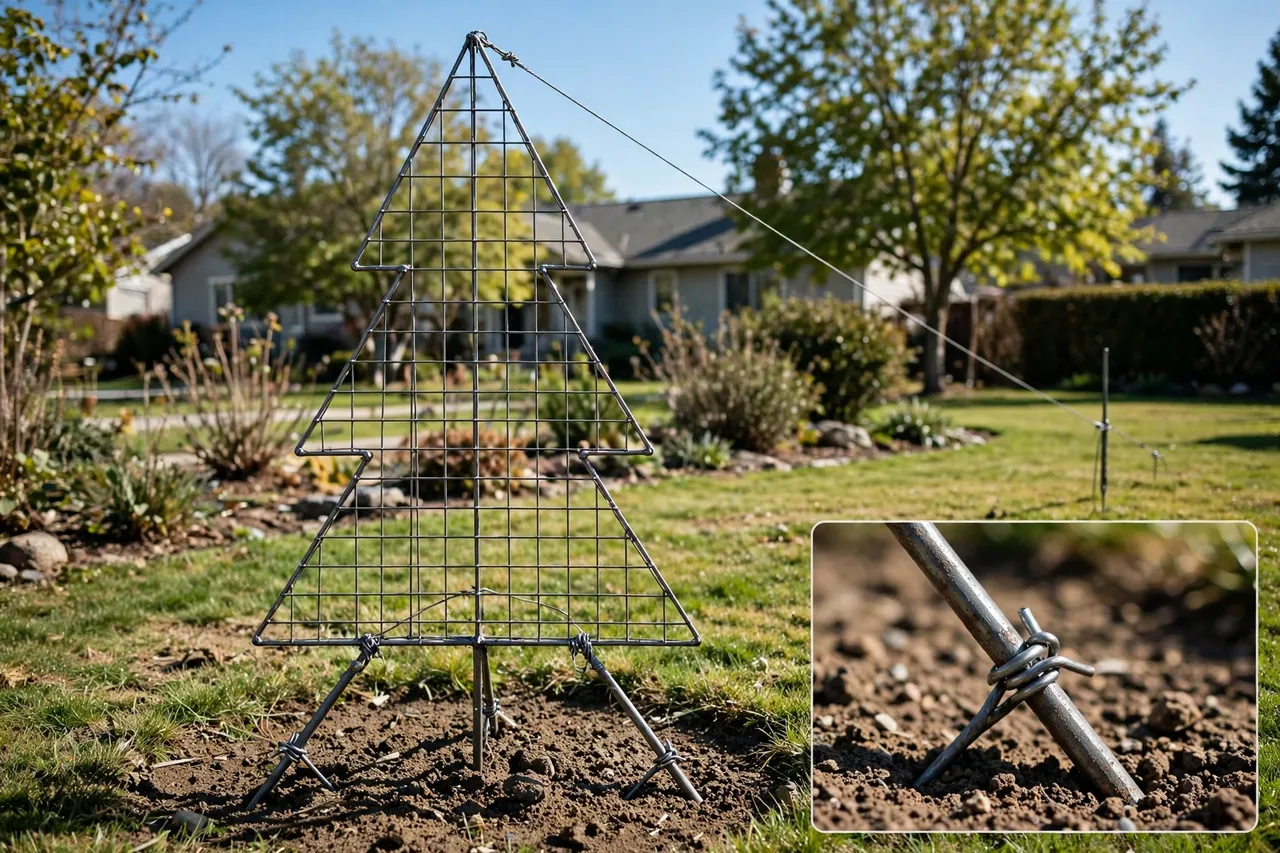
Wind causes most outdoor display damage. A tall, flat silhouette catches wind like a sail, and a light frame can slide, tip, or fly across the yard in one strong gust. Anchor every piece before the first storm, not after it.
Follow these steps for a display that stays put:
- Push the stakes that came with each piece fully into firm soil, not loose mulch. If the soil feels soft, drive a longer steel stake beside each leg and tie the frame to it with zip ties or wire.
- Drive stakes at a slight angle away from the piece, so wind cannot pull them straight out. Tie guy lines from the top of tall pieces down to stakes set a few feet away.
- Add weight where stakes cannot reach. On a porch or driveway, set a heavy metal piece in a weighted base, or tie it to a sandbag tucked behind the frame where guests cannot see it.
- Keep tall pieces near a fence, hedge, or wall that breaks the wind, and leave space behind them so air can pass instead of building up pressure.
- Check anchors after every storm. Tighten loose ties, push stakes back in, and brush snow off frames before it turns to heavy ice.
Take tall or top-heavy pieces inside before a forecast of severe wind or ice. You lose one night of glow, but you save the piece, and you keep neighbors, cars, and power lines safe.
Stop Rust Before It Starts
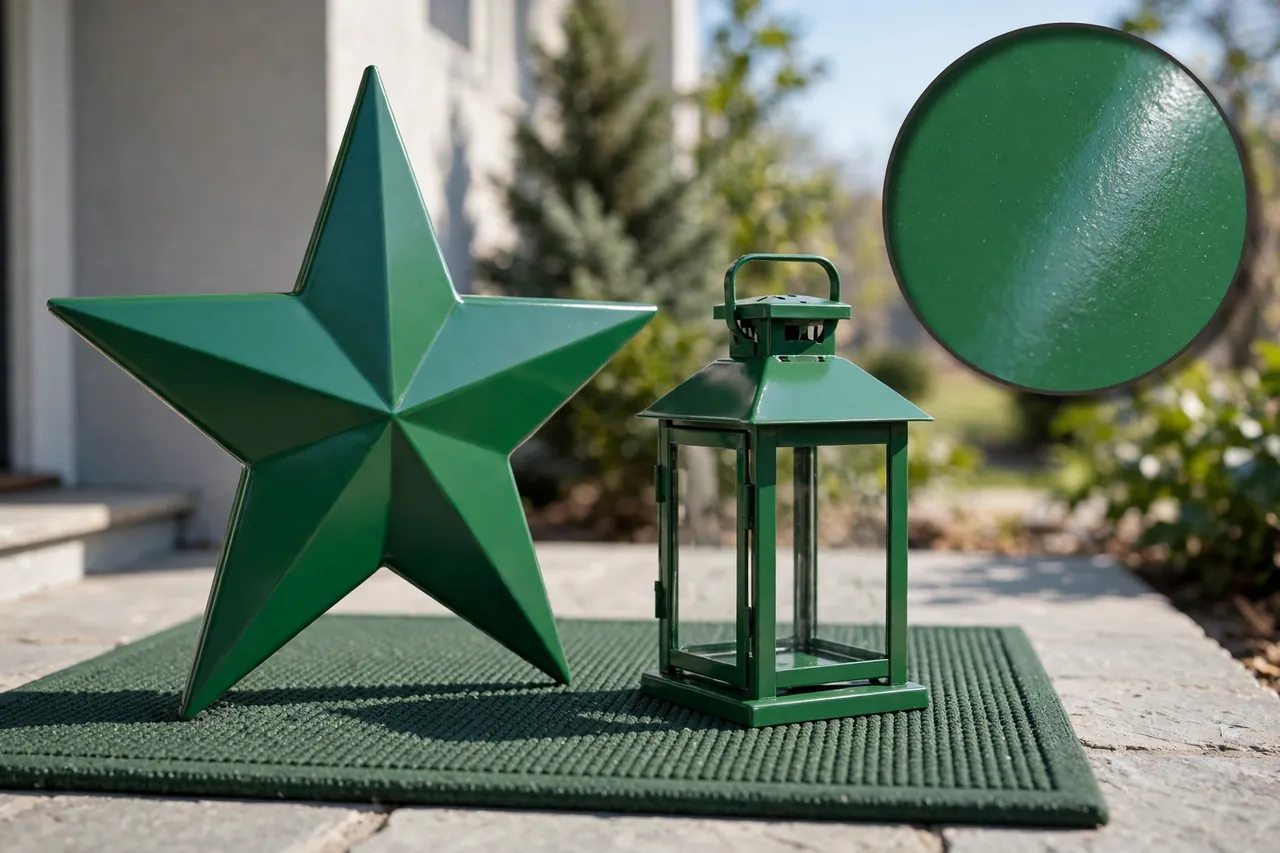
Rust starts where water sits and the finish breaks. It loves joints, welds, screw holes, and the bottom of legs that sit in wet soil or snow. You can slow it way down with a little care before, during, and after the season.
Before you set pieces out, wash them with warm, soapy water and a soft cloth, then dry them fully. Look for chips, scratches, and bubbling paint. Touch up bare spots with a rust-inhibiting primer and exterior metal paint made for the finish you have, and let it dry fully before the piece goes outside.
During the season, wipe pieces down after heavy rain or snow, and clear leaves and snow away from their bases. Do not let a metal leg sit in a puddle or a snowdrift for weeks. Lift porch pieces onto a mat or a small block, so water drains away instead of pooling at the base.
After the holidays, clean each piece again, dry it indoors for a day or two, and store it in a dry place. Hang flat silhouettes on a wall or lay them flat with a cloth between them, so they do not scratch each other. Keep pieces out of damp basements and leaky sheds, because damp storage undoes all your winter care.
If you spot light rust, sand the spot gently with fine sandpaper, wipe away the dust, and repaint it before it spreads. If rust has eaten deep into a leg, joint, or stake, or the metal feels thin and weak, replace that piece. A weak frame can snap in wind and hurt someone.
Plan a Display That Looks Good From the Street
Step back to the street and look at your yard the way a driver or a walker sees it. A good metal display has one clear star, a few supporting pieces, and dark space around them so each shape stands out.
Place your largest piece where eyes land first, often near the front door or at the end of the walk. Put medium pieces, like lanterns and gift boxes, near the porch and path. Save small signs and stars for fences, garden beds, and porch rails, where people see them up close.
Mix heights on purpose. A tall metal tree at the back, a reindeer silhouette in the middle, and low lanterns at the front give your display depth. Stick to one light color, warm white or cool white, across your metal pieces, and let one accent color, like red or gold, appear in just one or two spots. Too many colors at once make a yard look busy instead of festive.
Leave walkways, steps, and the mailbox clear. Guests, mail carriers, and kids in the dark all need a safe path, and a decoration that blocks a path causes trouble fast.
Mistakes That Ruin Metal Displays
Most metal display failures come from small, easy mistakes. Dodge these, and your display will look better and last longer:
- Buying indoor-only metal for the yard, then watching it rust in the first rain.
- Skipping stakes or guy lines and trusting a tall piece to stand on its own.
- Running indoor extension cords outside, or plugging lights into a non-GFCI outlet.
- Letting metal legs sit in standing water, snow, or wet mulch all season.
- Storing pieces wet, stacked, or scratched, so rust starts before next Christmas.
- Packing the yard so full that no single piece stands out from the street.
A Simple Buying Checklist
Take this list to the store or keep it open while you shop online. It helps you compare pieces fairly, instead of buying on looks alone.
- Outdoor rating on the label, plus a sealed finish like powder coating or galvanizing.
- Strong joints and welds, with no wobble when you shake the frame gently.
- Stakes, a base, or a clear way to anchor the piece included in the box.
- Smooth, finished edges, with no sharp points or rough cuts you can feel.
- A size that fits its spot, with room around it for wind, snow, and foot traffic.
- Lights that are outdoor-rated and easy to replace, or a design that works unlit.
Run your hand over edges before you buy, especially on tin signs and cut-metal silhouettes. Sharp edges can cut hands during setup, and they can snag coats, pet fur, and kids’ clothes. File down a rough edge, cover it, or pick a piece with rolled or finished edges instead. Keep sharp-edged pieces out of reach of small children.
Related Guides
If you want to build out the whole yard around your metal pieces, these guides help with the next step: Christmas decor exterior ideas for a yard that glows all season, Christmas decor on your porch, Christmas decorations on your front door, and commercial-grade LED lighting for home exteriors.
Frequently Asked Questions
Can outdoor metal Christmas decorations stay outside all winter?
Yes, if they are made and finished for outdoor use. Powder-coated, galvanized, and stainless pieces handle rain and snow well. Bring thin tin pieces under cover in harsh storms, and take any piece inside before severe wind or ice.
How do I keep metal Christmas decorations from rusting?
Start with a sealed finish, touch up chips before they spread, and keep legs out of standing water. Wipe pieces dry after storms, and store them clean and dry after the holidays. Once rust starts, sand it off and repaint it right away.
How do I anchor metal Christmas decorations in wind?
Push stakes fully into firm soil, angle them away from the piece, and tie tall frames to extra steel stakes or guy lines. Add sandbags behind porch pieces, place tall pieces near a windbreak, and check anchors after every storm.
Are metal Christmas decorations safe with electric lights?
Yes, when you use outdoor-rated lights on a GFCI-protected outlet and check cords for damage first. Never put plug-in lights on a metallic tree, since a fault can charge the metal. Use battery or solar lights on unlit metal trees instead.
Which metal lasts longest outdoors?
Stainless steel and hot-dip galvanized steel last longest, often for many seasons with little care. Powder-coated steel also lasts well if you touch up chips fast. Bare iron and thin, poorly coated steel rust fastest, so they need the most care.
How should I store metal Christmas decorations after the holidays?
Clean each piece, dry it indoors for a day or two, and store it in a dry place. Hang flat silhouettes or lay them flat with cloth between them to stop scratches. Keep them out of damp sheds and basements, where rust starts fast.
Start with one strong metal piece you love, anchor it well, and light it safely. Then add a few smaller pieces around it, one at a time, until your yard glows without looking crowded. Your future self will thank you next December, when the same sturdy pieces come out of storage ready to shine again.
Disclaimer: This guide gives general home decorating advice, not electrical or structural advice. If your outdoor outlet lacks GFCI protection, wiring looks damaged, or a large display needs a new circuit, ask a qualified electrician. If a tall or heavy piece feels unstable, take it down until you can anchor it safely.