To become a minimalist, you change how you decide what stays in your life. You keep what you use, love, or truly need, and you let go of the rest, slowly and on purpose. You do not throw everything away in one weekend, and you do not chase a bare, empty look. You build a simpler life one honest decision at a time, starting with your reasons, not your closets.
That shift matters because minimalism is a way of thinking first and a tidier home second. When you know what enough means to you, every later choice gets easier: what to buy, what to keep, what to refuse, and what to let go. This guide walks you through that journey, from your first reasons to sentimental keepsakes, family pushback, and the small habits that keep a simpler life going.
What Minimalism Really Means
Minimalism is not a contest to own the fewest things. It is the practice of removing what distracts you so you can give more time, money, and attention to what matters. Joshua Fields Millburn and Ryan Nicodemus, known as The Minimalists, describe it in much the same way: minimalism is a tool that clears away excess so you can focus on health, relationships, growth, and contribution. You can read their full explanation on The Minimalists FAQ page.
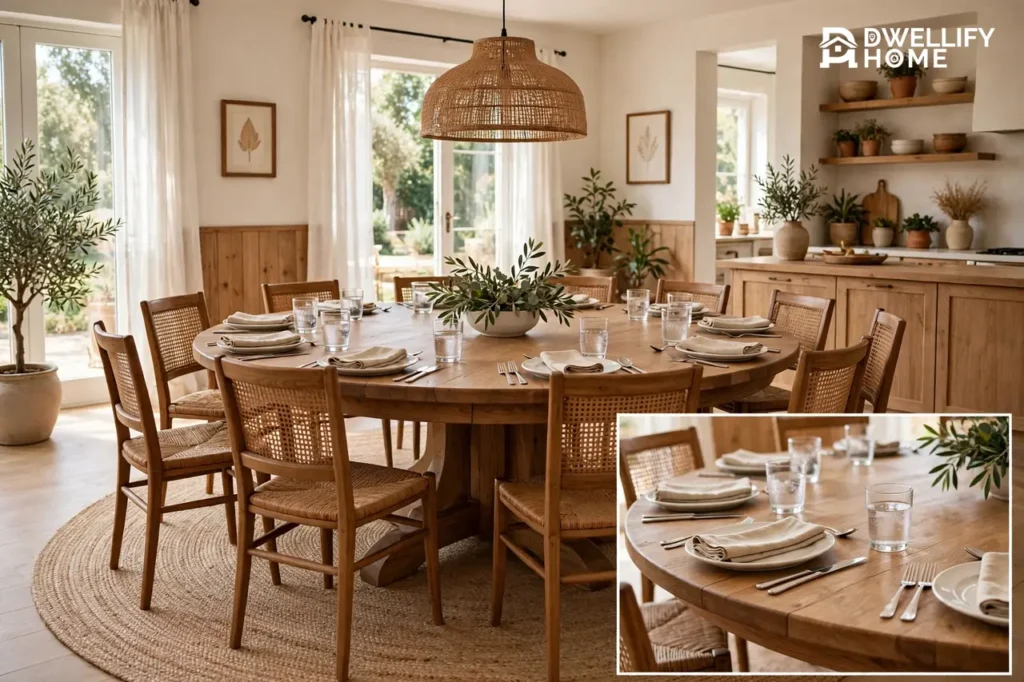
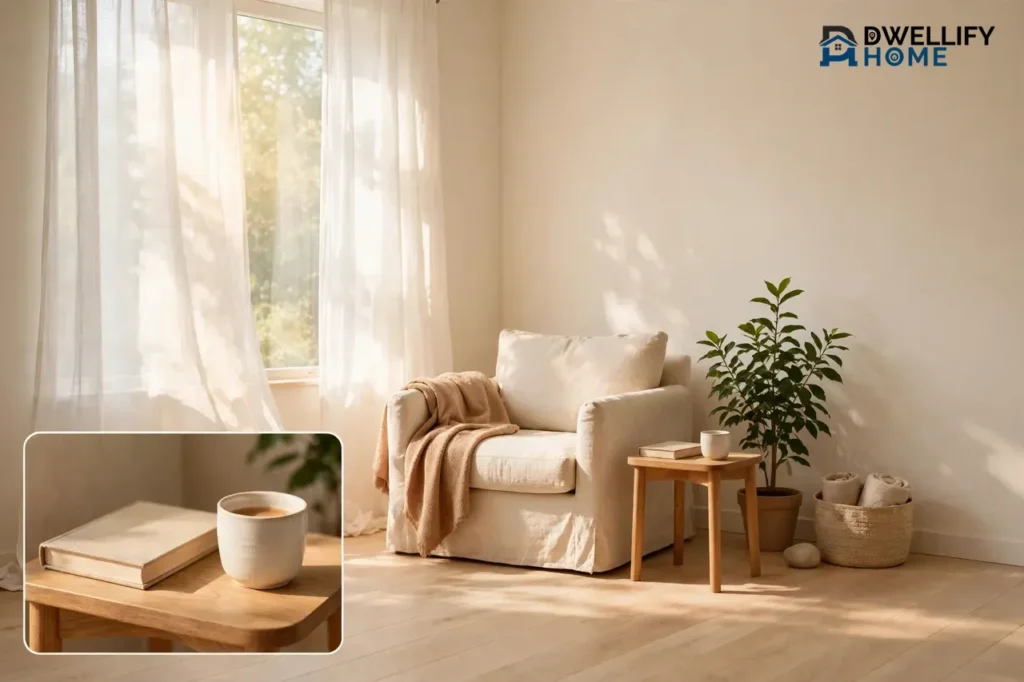
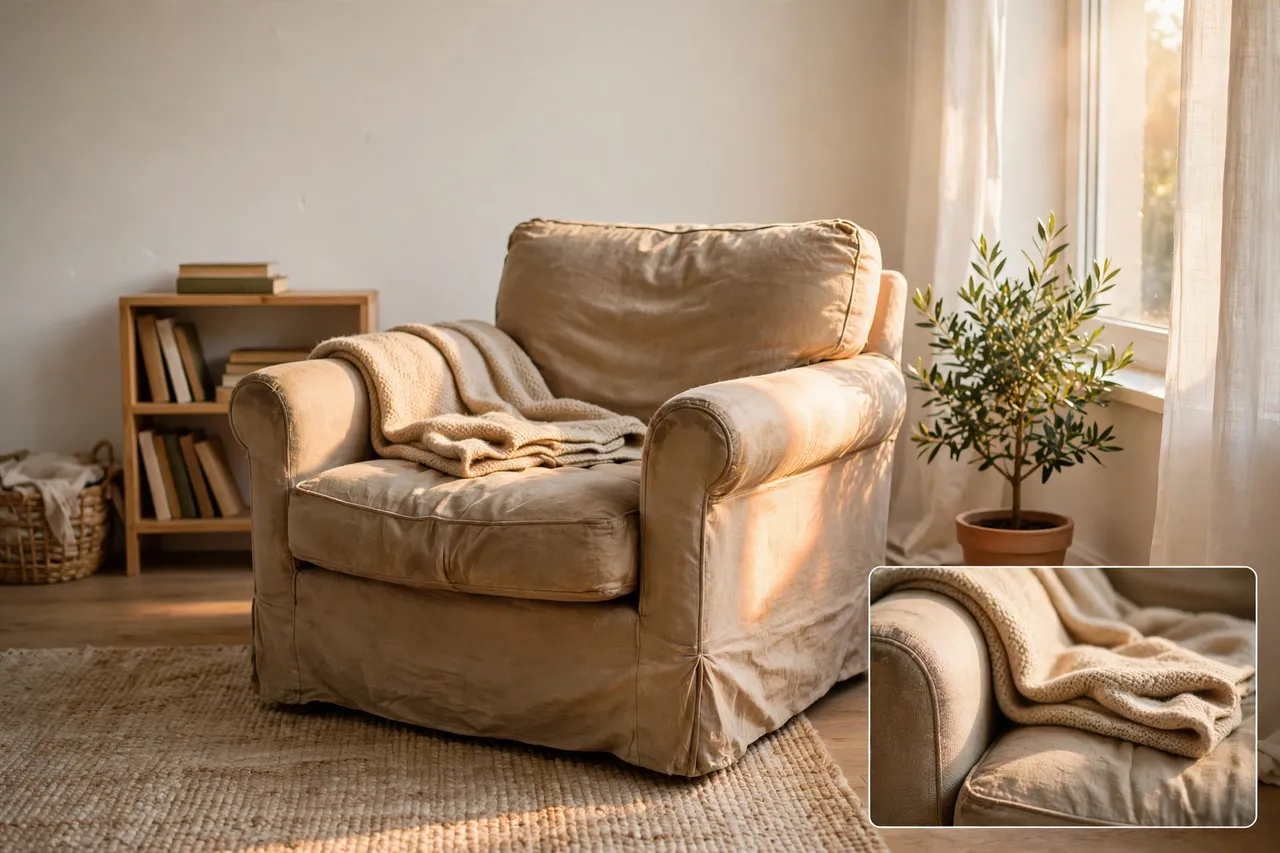
That definition frees you from a lot of pressure. You do not need white walls, matching bins, or a certain number of shirts. A warm, lived-in home can still be a minimalist home, as long as what fills it earns its place. A favorite chair that you sit in every night belongs. A third blender that you never touch does not, no matter how nice it once seemed.
Minimalism also reaches past your shelves. It touches your calendar, your inbox, and your spending. A packed schedule can crowd your life just as surely as a packed closet can. So can a habit of buying on impulse and then finding a place for each new thing. When you see minimalism as a filter for all of it, the whole journey starts to make sense.
Start With Your Why, Not Your Stuff
Most people start minimalism the wrong way round. They grab a trash bag, empty a closet in a burst of energy, and then wonder why the clutter creeps back within a month. The stuff was never the real problem. The habits and reasons behind the stuff were.
So pause before you touch a single drawer. Ask yourself what you actually want from a simpler life. Do you want calmer mornings, with less to search for and less to clean? Do you want more money left at the end of the month? Do you want evenings free for family, rest, or a hobby you keep putting off? Write your answer down in one or two plain sentences and keep it where you will see it.
Your why becomes your test for every later decision. When you pick up an item and feel unsure, you can ask a better question than “Should I keep this?” You can ask, “Does this help the life I described, or does it pull me away from it?” That one question turns a vague urge to tidy into a clear standard you can trust.
Be honest about the hard parts of your why, too. If you shop when you feel stressed, say so. If you keep gifts out of guilt, name that. Minimalism does not ask you to feel ashamed of those patterns. It asks you to notice them, because you cannot change a pattern you keep pretending is not there.
Decide What “Enough” Means for You
Here is the question at the heart of the whole journey: what is enough? Without an answer, you will always feel one purchase short of done. With an answer, you can stop, breathe, and enjoy what you already have.
Enough looks different for every household, and that is the point. A home cook may truly need more pans than a person who rarely cooks. A parent of three needs more towels than a person who lives alone. A crafter needs supplies that a non-crafter would call clutter. Your version of enough should fit your real life, not a photo you saw online.
Try this simple way to find yours. For each part of your life, name the job it has to do, then name the smallest set of things that does that job well. Your kitchen has to feed your household without daily frustration. Your wardrobe has to cover your work, your weather, and your weekends. Your living room has to welcome the people you love. When a category already does its job, you have enough in that category, even if a store could sell you more.
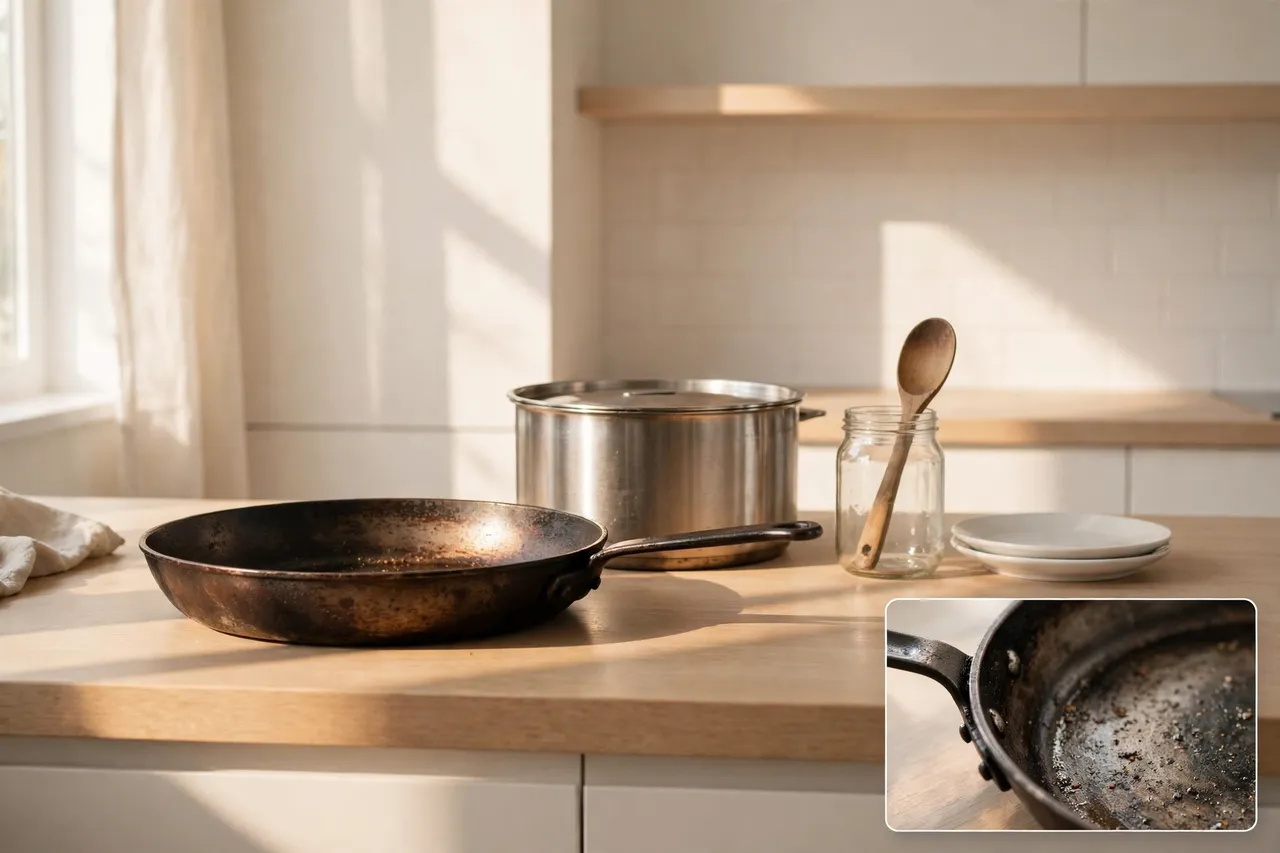
Put your “enough” lines in writing, in plain words. “Four bath towels, not twelve.” “One good pan I reach for daily, plus one large pot.” “Books I will reread or lend, not books I keep to look well-read.” These lines are not rules to punish yourself with. They are promises that protect your time, your money, and your peace from the next sale, gift, or trend.
Expect your lines to move as life moves. A new baby, a new job, or a move to a smaller home will all shift what enough means. That is not failure. That is minimalism doing its real job: adjusting to your life instead of freezing it in place.
Grow Into It Gradually
Minimalism works best as a slow change of direction, not a single dramatic purge. A sudden, whole-house clear-out feels exciting for a day, and then it often ends in regret, exhaustion, or a shopping trip to replace things you tossed too fast. A gradual journey gives your judgment time to catch up with your enthusiasm.
Think of the journey in seasons rather than in tasks. In the first season, you learn to notice. You watch what you reach for, what you step around, and what you buy without thinking. You may clear only one small surface, and that is fine. The win is not the empty shelf. The win is the new habit of noticing.
In the next season, you start to choose. You let go of the easy things first: duplicates, broken items you will never repair, and things you forgot you owned. Each easy release teaches you something useful, which is that letting go rarely hurts as much as you feared. Confidence grows from those small wins, and it carries you into harder choices later. If the hands-on part still feels heavy, our guide to decluttering your home without the overwhelm breaks that work into calmer steps.
Later still, you refine. You revisit categories you already simplified and ask whether they still match your “enough” lines. You notice which purchases still slip past your filter, and you tighten the filter. This season never truly ends, and that is good news. It means minimalism is a way of living, not a project you finish and forget.
Give yourself a pace you can keep for years, not weeks. One small, honest decision a day will change your home more than one frantic weekend ever will. Slow does not mean unserious. Slow means you plan to still live this way next year.
How to Handle Sentimental Items Without Guilt
Sooner or later, every minimalist meets the hardest box in the house: the one full of memories. A child’s drawing, a parent’s dishes, letters from someone you loved and lost. These items feel impossible to judge by use, because their value lives in what they remind you of, not in what they do.
Start by separating the memory from the object. The memory lives in you, in the stories you can tell, and in the people you shared it with. The object only points to the memory. Once you see that difference, you can honor the memory in ways that do not require keeping every single item that points to it.
One gentle approach comes from Joshua Becker of Becoming Minimalist, writing about simplifying sentimental things while still honoring them. He suggests displaying the few items that mean the most, using beloved pieces instead of storing them away, and sharing items with family members who will treasure them. You can read his guidance on how to simplify your stuff and honor your memories. Notice the pattern: keep the best, use it or show it, and pass the rest on with love.
A practical middle path works well for most people. Choose a small, fixed space for keepsakes, such as one box or one shelf, and let that limit do the choosing for you. Photograph items that will not fit, and write down the story that goes with each photo while you still remember it. Then offer the remaining pieces to specific people who would truly want them, rather than handing relatives a surprise box they never asked for.
Watch out for guilt dressed up as loyalty. Keeping a gift you dislike does not honor the giver. It only fills your home with an object you resent a little more each year. A giver who cares about you would rather see you free and happy than see their gift sit unused in a closet. If you need time, give yourself time. Sentimental decisions deserve patience, and a “not yet” box is a kinder choice than a rushed regret.
When Family and Friends Push Back
Minimalism gets harder the moment it meets other people. A partner may love the collections you want to thin out. A parent may keep arriving with gifts. Friends may joke that your home looks bare, or worry that you are giving away things the family will need one day. None of that means you chose wrong. It means change always stirs up feelings in the people around it.
Begin with a boundary that keeps the peace: your minimalism covers your things and your choices, not theirs. Do not clear a shared closet without agreement, and do not toss a partner’s or child’s belongings to prove a point. That kind of purge breaks trust, and trust is worth far more than an empty shelf. Work on what is clearly yours first, and let your calmer home speak for itself.
Talk about your why instead of arguing about stuff. “I feel calmer when mornings are simple” lands better than “You own too much.” People can understand a feeling even when they do not share a philosophy. Invite them to notice the change rather than demanding they join it. Many families come around slowly, once they see less stress and more time together, not because someone won a debate.
For gifts, set kind, clear expectations before the next birthday or holiday. Ask for experiences, time together, or help with something you need, and explain that you value those gifts more than new objects. If gifts still arrive, accept them graciously and decide later, in private, what stays. Gratitude and honesty can live side by side.
With children, keep it age-appropriate and fair. Let them choose what matters to them, and give them their own small keepsake space. A child who learns to choose, rather than being forced to give things up, grows into an adult who can make the same calm choices for themselves.
Simplify What Comes In
Here is a truth most decluttering advice skips: you cannot tidy your way out of a buying habit. If new things keep flowing in faster than old things flow out, your home will fill up again no matter how often you clean. A minimalist journey has to guard the front door, not just the closets.
Build a pause into every purchase that is not urgent. Wait a day for small wants, and a week or more for larger ones. During the pause, ask where the item will live, what it replaces, and whether it serves your “enough” lines. Most impulse buys fail at least one of those questions, and the urge fades on its own. The ones that survive the pause are usually worth owning.
A one-in, one-out habit helps once the pause feels natural. When something new enters your home, something old leaves it. This keeps your totals steady without constant effort, and it forces a small moment of honesty with every arrival. It also slows you down at the store, because you already know the trade each purchase requires.
Watch the quiet ways things enter, too. Free samples, hand-me-downs you never asked for, subscription boxes, and sale items bought “just in case” all add up. A polite “no thank you” is a complete sentence, and unsubscribing from sale emails takes less time than finding a home for the next bargain. Fewer entrances mean fewer exits to manage later. For the things you do keep, strategic storage solutions give each one a clear home instead of a random pile.
Make Minimalism Stick for the Long Run
Staying minimalist is less about willpower and more about gentle systems. Willpower fades on tired days. A simple routine keeps going even when you feel tired, busy, or tempted by a sale.
Pick a small, regular review that fits your life. Once a month, walk through one category with fresh eyes and ask whether it still matches your “enough” lines. Once a season, check the spots where clutter quietly gathers: the entryway, the kitchen counter, and the top of the dresser. Short, regular reviews catch drift early, while it is still easy to fix.
Plan for slip-ups instead of pretending they will not happen. You will buy something you regret. You will keep something out of guilt. You will let a busy month pile up. None of that erases your progress. Notice the slip, release or return what you can, and return to your normal rhythm the next day. Minimalism is a direction, not a perfect record.
Finally, spend the freedom you gain on purpose. Use the calmer mornings, the saved money, and the lighter rooms for the things your why named at the start: rest, people, work you care about, or time outside. When you feel the payoff in your daily life, you will not need to force yourself to keep going. The simpler life will start to defend itself.
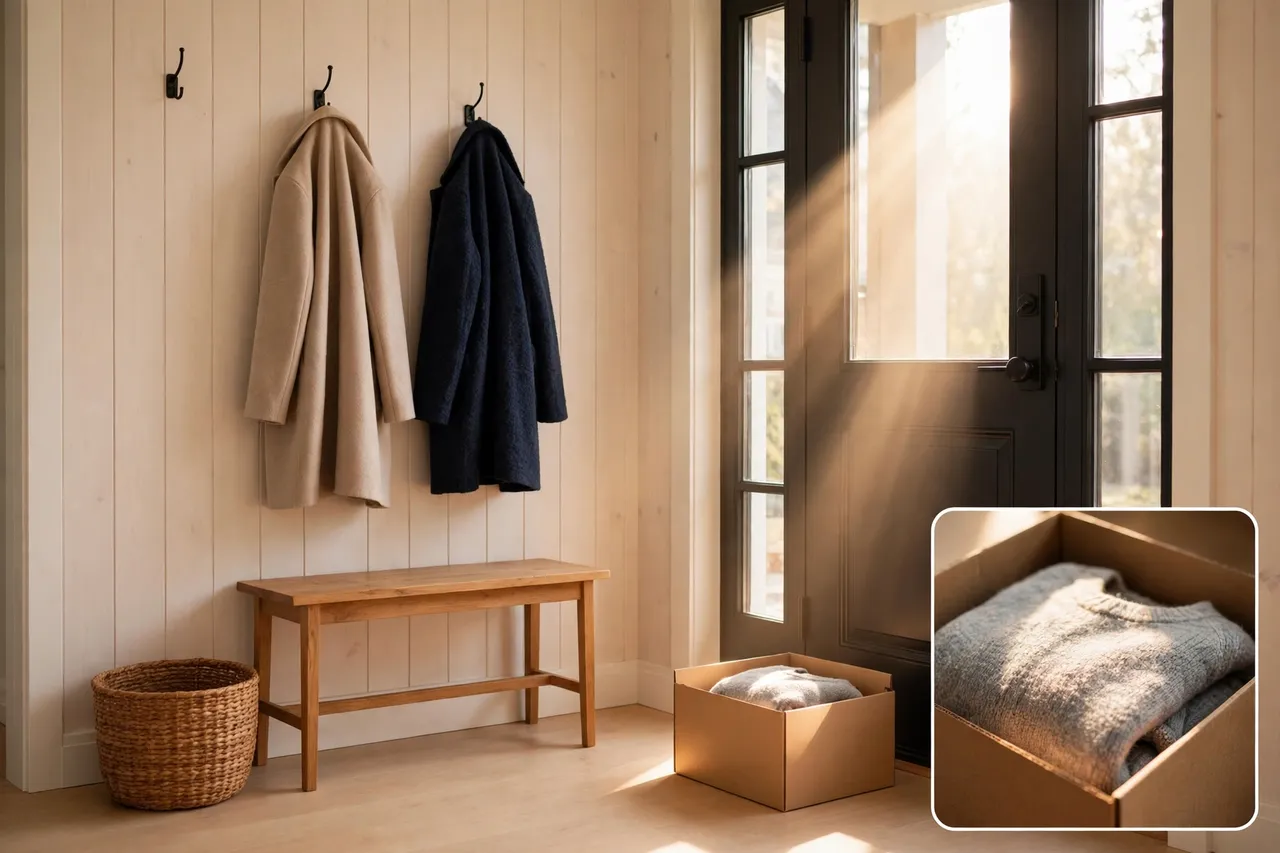
💡 Practical Home Tip: Keep one small donation box in a closet or by the door, and drop in anything you notice you no longer use. When the box fills up, take it to a donation spot right away. This tiny habit keeps clutter moving out of your home all year, without a single big clear-out weekend.
Related Guides
If you want help with the hands-on side of simplifying, these Dwellify Home guides pair well with the mindset shift in this article: 10 Easy Home Organization Tips That Make Everyday Life Simpler for daily systems, and Small Home, Smart Furniture: 9 Space-Saving Solutions That Actually Work if a smaller space has to work harder.
Frequently Asked Questions
What is the easiest way to start a minimalist lifestyle?
Start with one small, contained space, such as a single drawer or shelf, and with your reasons written down first. Small wins build momentum, and a clear why helps you judge every item that follows. Do not try to simplify your whole home in one weekend.
How long does it take to become a minimalist?
There is no fixed timeline, and that is normal. Your mindset can shift within weeks, while lasting habits around buying and keeping usually take several months of steady practice. Judge your progress by calmer days and easier choices, not by a finish date.
Does minimalism mean owning as few things as possible?
No. Minimalism means keeping what adds real value, use, or joy to your life and letting go of the rest. The right number of things differs for every household, because every household does different work and loves different things.
How do I convince my family to try minimalism?
Lead by example rather than by pressure. Simplify your own things, talk about the calm it brings you, and let family members grow curious on their own. Never clear another person’s belongings without their agreement, and respect that each person moves at their own pace.
What are common mistakes minimalist beginners make?
The most common mistakes are clearing too fast and regretting it, comparing your home to polished photos online, and treating minimalism as cold, empty rooms. Aim for intention over image and progress over perfection, and give hard decisions, especially sentimental ones, the time they deserve.
Your minimalist journey does not need a perfect start. It needs an honest one. Name your why, decide what enough means for you, move slowly, and let the simpler life grow around what you love most. Start today with one small, calm decision, and let the next one follow.