
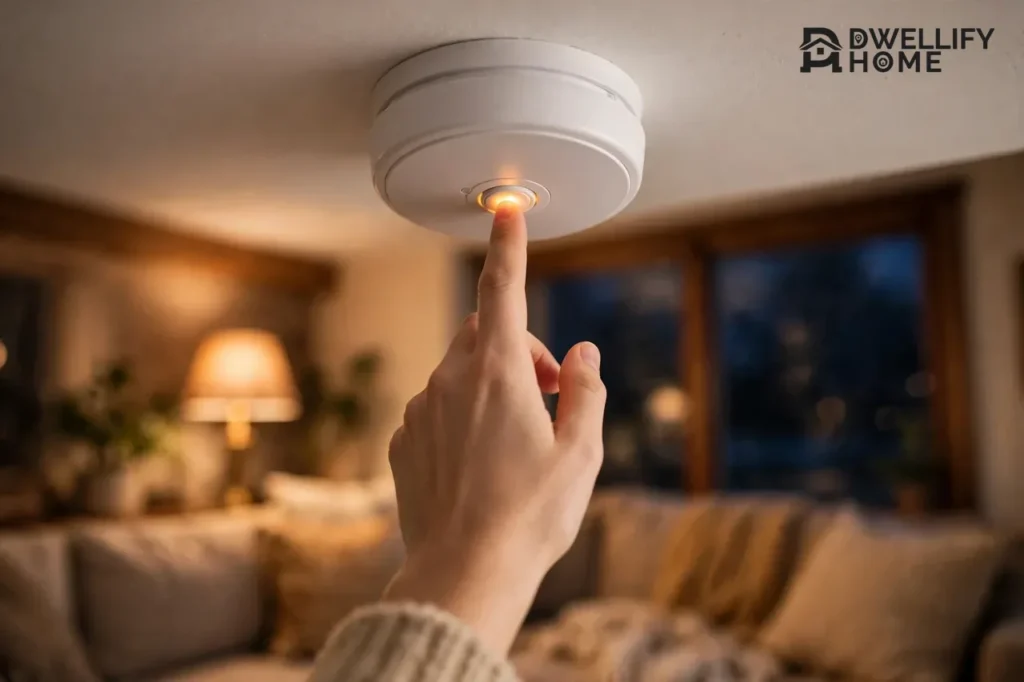
Smoke Alarm Won’t Stop Beeping? Silence It Tonight — and Fix It for Good
A chirp every 30 seconds is your alarm asking for a new battery. Silence it, swap the battery, reset the unit — and know when the alarm itself is done.

A chirp every 30 seconds is your alarm asking for a new battery. Silence it, swap the battery, reset the unit — and know when the alarm itself is done.
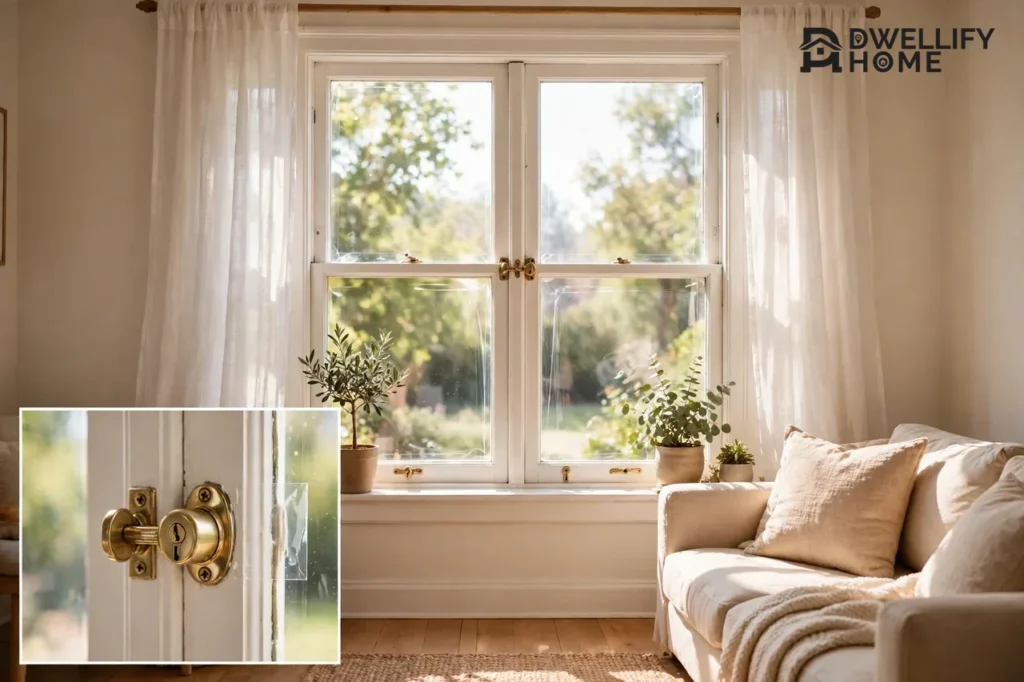
Bars block your fire escape and spoil the look of a home. Locks, security film, alarms, and light protect windows just as well — and the window still works as a window.
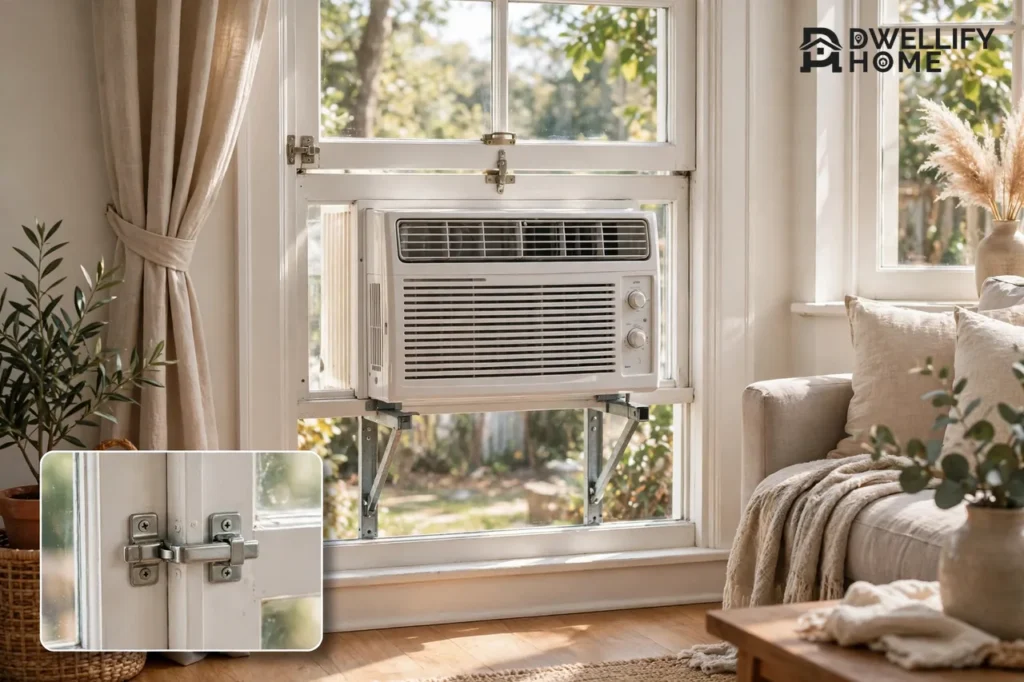
A window AC unit leaves your sash unlocked all summer. Three cheap fixes — a sash lock, a support bracket, and sealed gaps — close that opening in about 30 minutes.
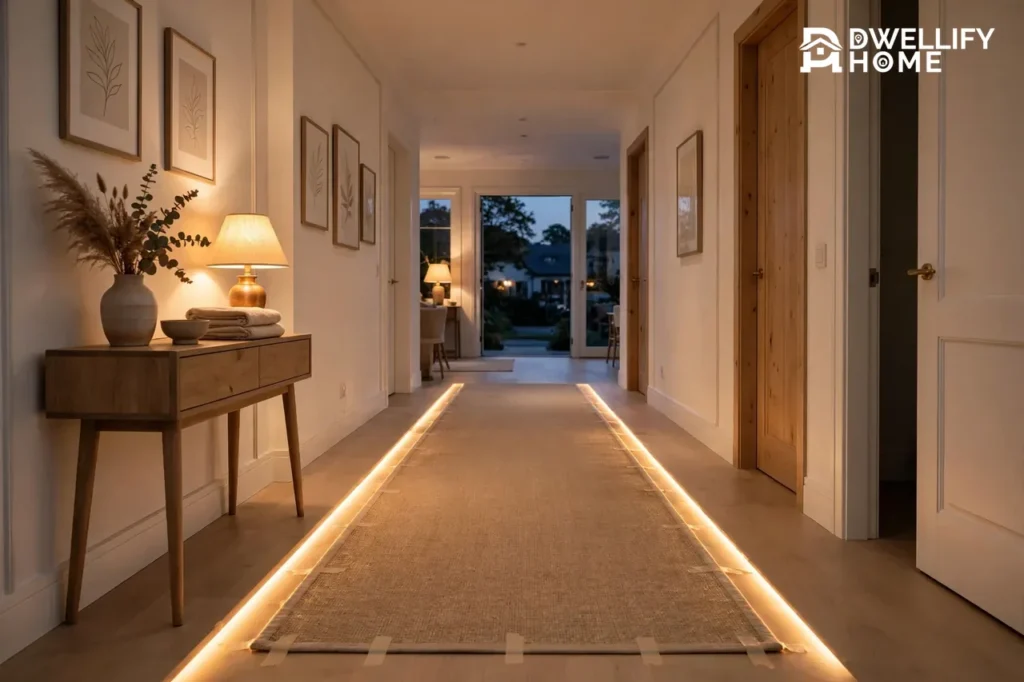
Clear walkways, better light, and grip where floors get wet. These room-by-room fixes prevent most slips and falls at home, starting tonight.
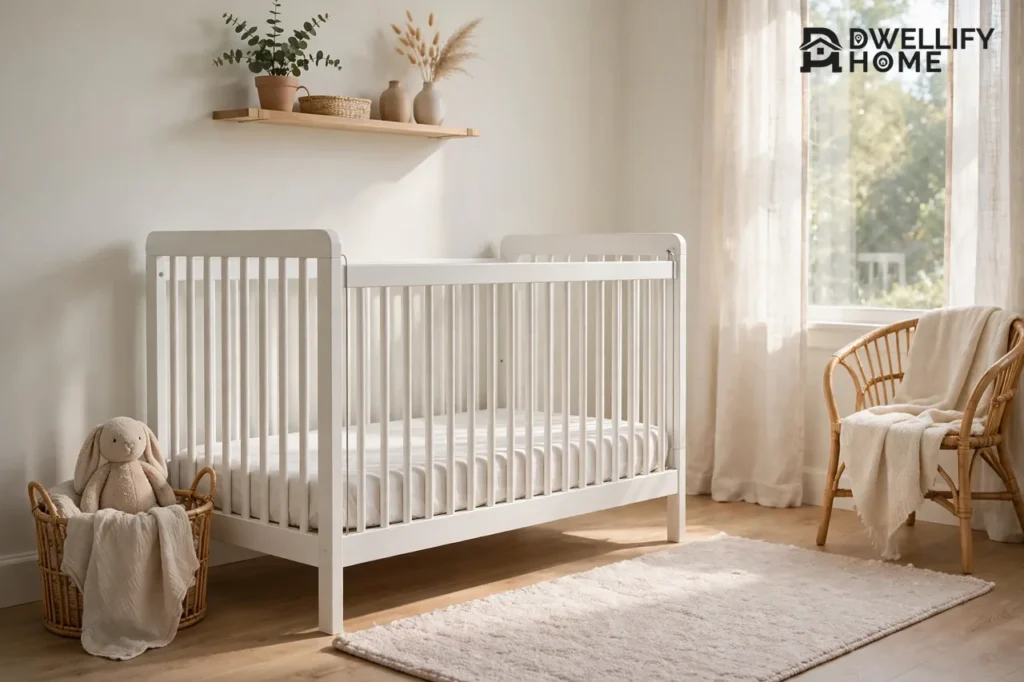
A baby can cross a bed in seconds, so prevention means a safe sleep setup and never stepping away from a baby on a high surface. Here is the plan by age.
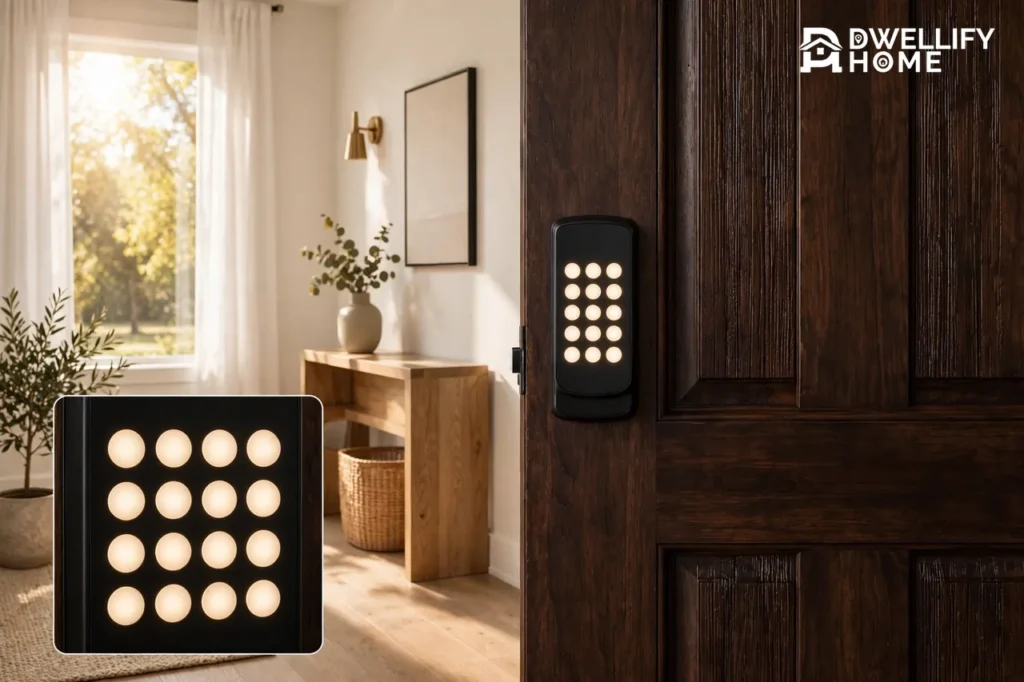
Changing a keypad lock code takes five minutes: find the programming code, delete the old code, add the new one twice, and test it with the door open. Schlage, Kwikset, and Yale steps inside.
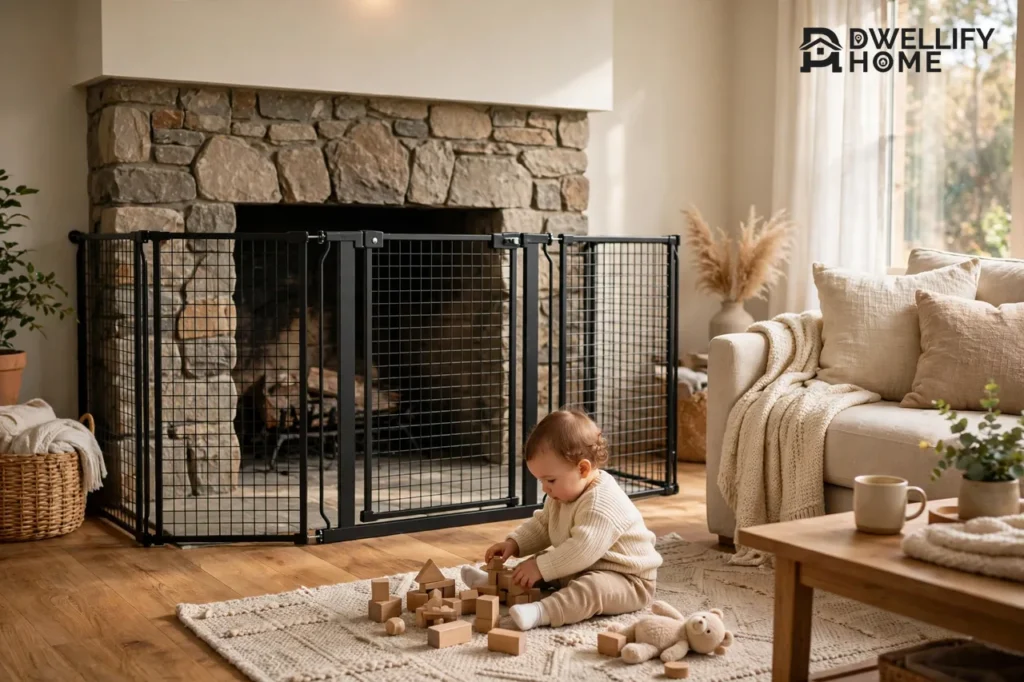
Baby proof a fireplace in layers: a mounted gate around the hearth, locked doors and controls, padded edges, and stored tools. Here is the full step-by-step plan.
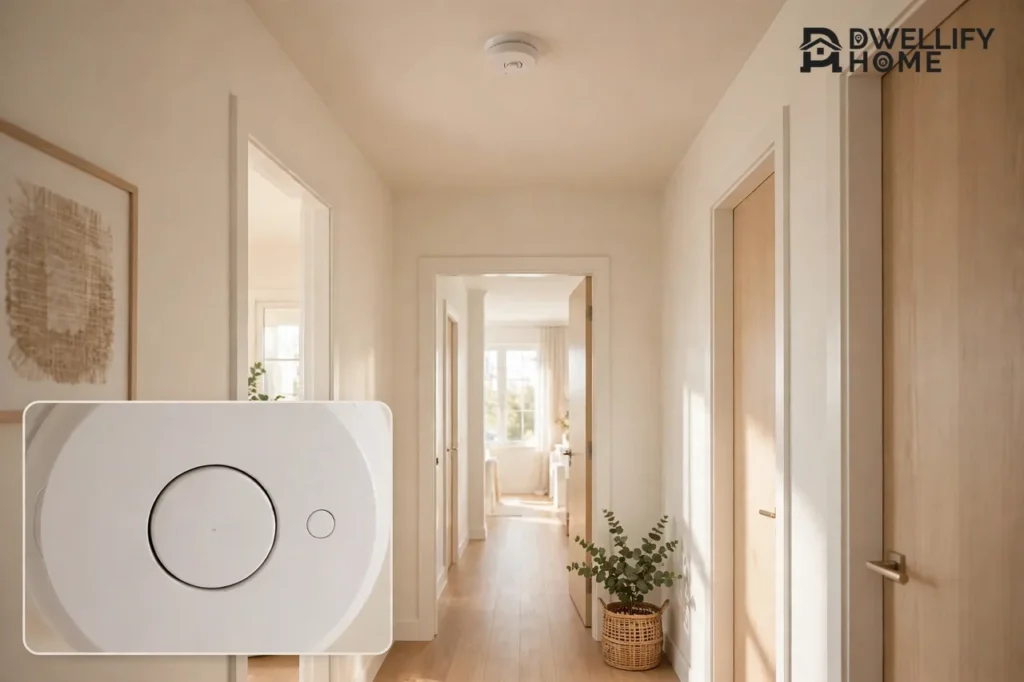
Test your smoke alarm once a month, change the battery once a year, and replace the unit every 10 years. This guide gives you the NFPA calendar, the 60-second test, and what every beep and chirp means.
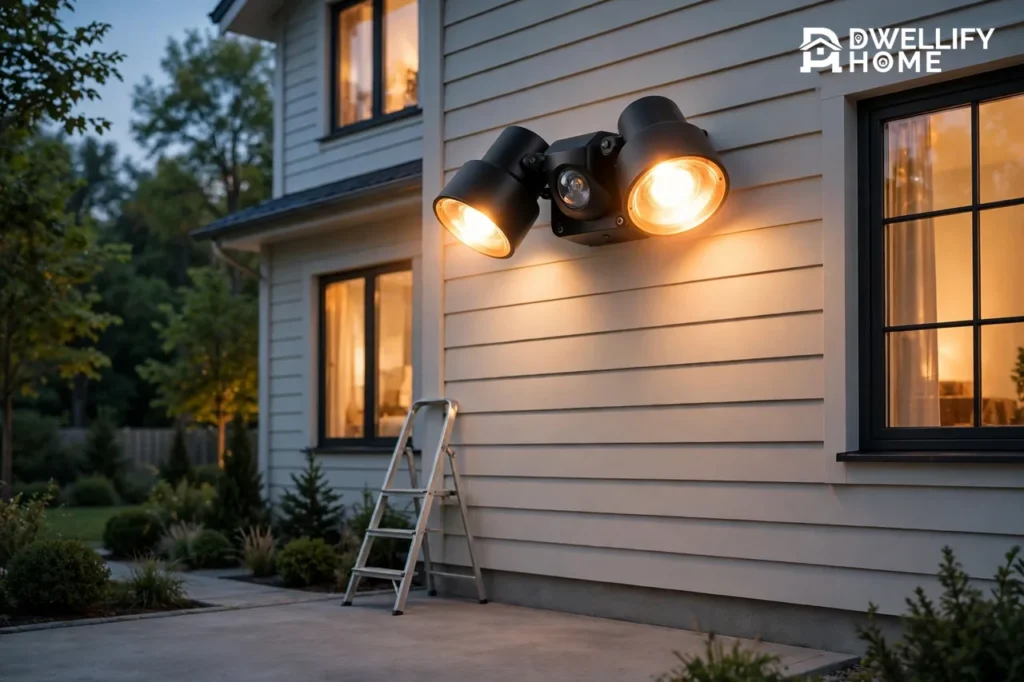
Stuck on, won’t turn on, or firing at shadows — the reset, the three dials, and the aiming fixes that solve nearly every motion sensor light.
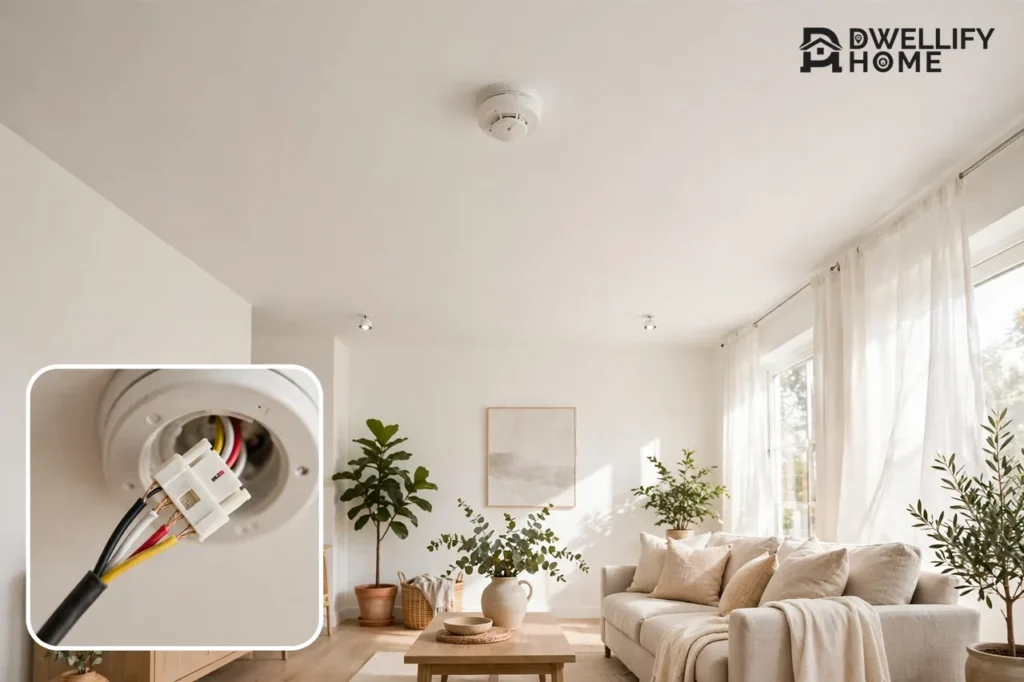
Fire alarm installation runs $1–$4+ per sq ft commercially and $1,500–$6,000 for a typical home. This guide breaks down equipment, labor, permits, timelines, and the DIY line you should not cross.