How Much Does Fire Alarm System Installation Cost?
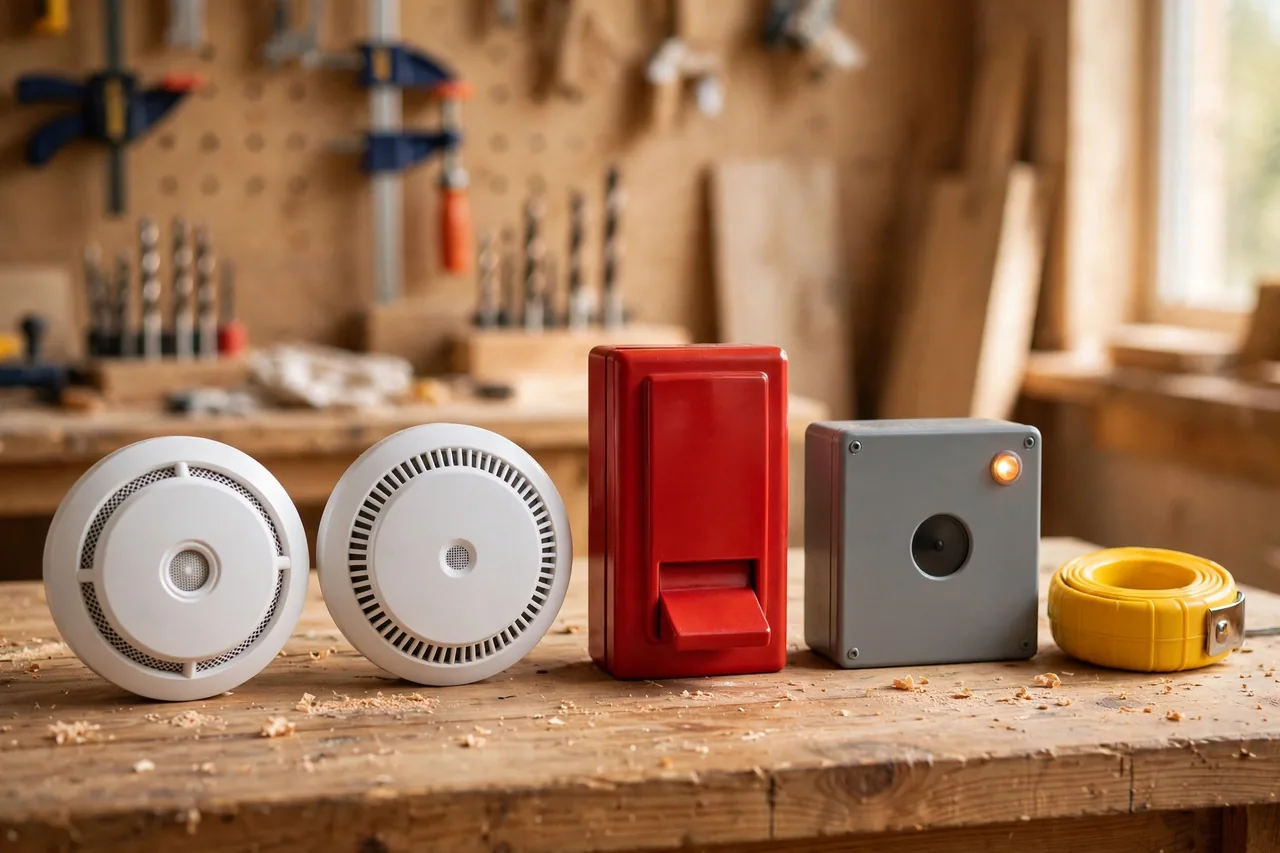
Fire alarm system installation costs $1 to $4 or more per square foot for most commercial buildings, while a typical home system runs roughly $1,500 to $6,000 all in. A basic system in a 5,000-square-foot retail space runs $5,000 to $12,500, and an addressable system with voice evacuation in a 50,000-square-foot office runs $75,000 to $200,000. Those are the short-answer ranges from CodeReady Safety’s 2026 cost guide, and the rest of this guide breaks down exactly what you pay for, step by step.
Installation cost is not one number. It is equipment plus labor plus permits plus testing, and each piece moves with your building. A home with open attic access costs far less than the same home with finished ceilings everywhere. Read on to see the full breakdown, the install process, and how to keep the bill honest.
Fire Alarm System Installation Cost at a Glance
The table below pulls together the most useful planning numbers from current guides. Use it to check whether a quote you received is in the right neighborhood before you dig into the details.
Installation cost by building type, 2026 planning figures:
| Building type | Cost per sq ft | Example total |
|---|---|---|
| Small office or retail, basic hardwired | $0.50 to $1.50 | 3,000 sq ft: $2,000 to $4,500 |
| Standard commercial, conventional | $1.00 to $2.50 | 5,000 sq ft retail: $5,000 to $12,500 |
| Large facility, addressable | $2.00 to $5.00 | 15,000 sq ft: $20,000 to $50,000 |
| Multi-story office, addressable | $1.50 to $4.00 | 50,000 sq ft: $75,000 to $200,000 |
| Specialized, voice evacuation or healthcare | $3.00 to $8.00+ | 25,000 sq ft hospital: $75,000 to $200,000 |
For a home, the math is simpler. A single-story home system with 5 to 7 devices typically runs $1,200 to $3,000, and a 2 to 3 bedroom home runs $2,000 to $5,000, according to a 2026 installation cost guide. A single hardwired smoke detector installed by a pro costs $70 to $150, per Angi’s May 2026 guide, while a simple alarm replacement runs $25 to $50 per alarm. Per-device pricing is the fastest way to spot a padded quote.
These are planning ranges, not quotes. Your building, your local code, and your authority having jurisdiction set the final number, so always get itemized bids.
What Is Included in an Installation?
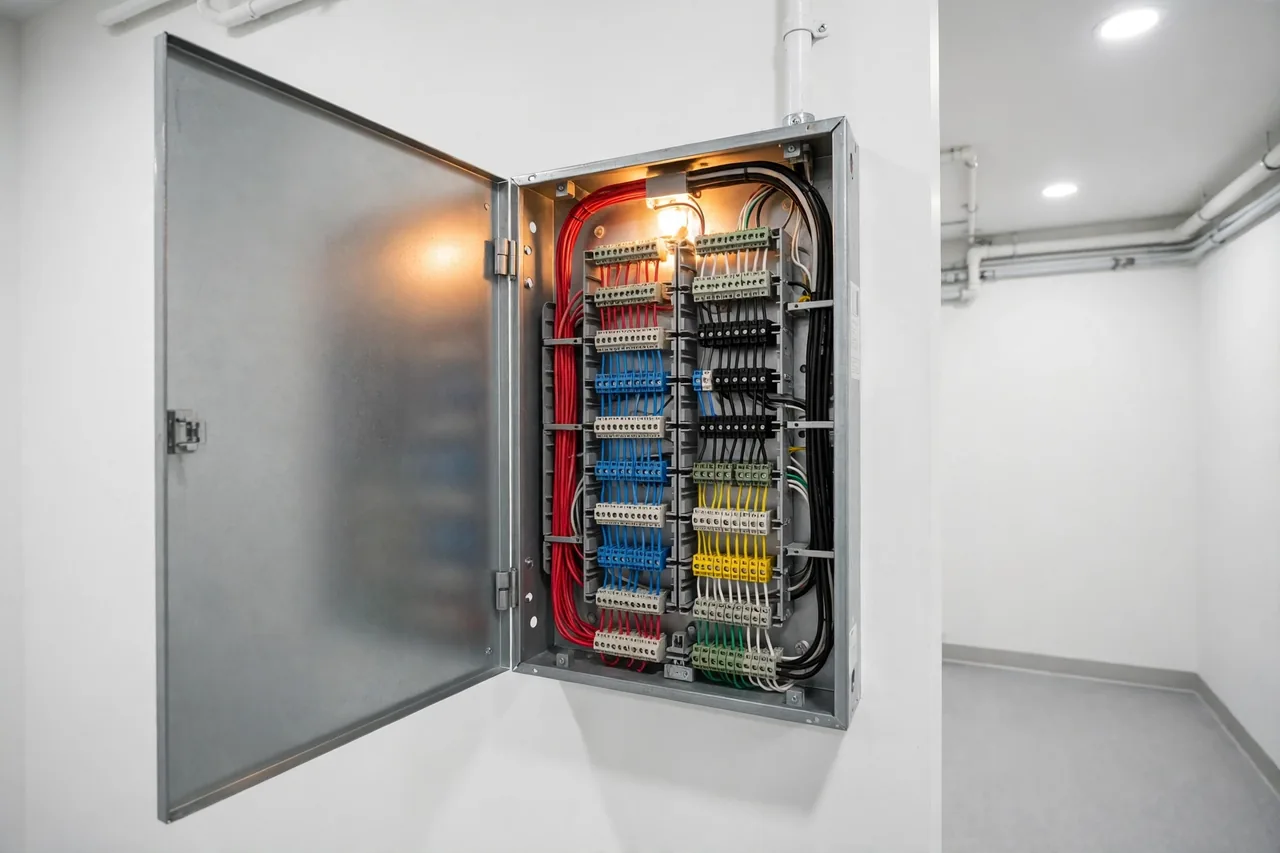
A proper installation covers far more than screwing detectors to ceilings. When you compare bids, check that each one includes the same full scope, or the cheapest bid will grow later.
The baseline installation includes the fire control panel, detection devices such as smoke, heat, and carbon monoxide detectors, manual pull stations, notification devices like strobes, horns, and speakers, input and output modules, wiring and conduit, system design and engineering, installation labor, programming and testing, code compliance inspections, and documentation. That is the full list CodeReady Safety sets out for a baseline commercial install.
Several items are typically separate, and they surprise owners. The monitoring service contract, usually $25 to $75 a month, backup power or UPS units, integration with building automation or fire suppression, voice evacuation equipment, wireless devices, permits and inspection fees, building modifications such as cutting walls for conduit, and wire concealment for appearance are often billed apart from the install price.
Ask your contractor to label every line as included or separate. A quote that hides the separate items is not cheaper, it is incomplete. Get the full list in writing before work starts, and confirm who pays for the permit and the final acceptance test.
Cost Breakdown: Equipment, Labor, Permits
Every installation bill splits into three big buckets: materials, labor, and permits. Knowing the normal split helps you see where a quote is heavy.
Materials typically run $300 to $4,000 for a home job, covering detectors, pull stations, wiring, and the panel. Per-device prices run about $20 to $120, depending on the detector type. A basic panel costs $150 to $400 for a home, while a commercial addressable panel runs $2,000 to $8,000.
Labor is usually the biggest bucket. Typical regional rates run $60 to $120 per hour for licensed electricians or fire system technicians. An average residential install uses 6 to 14 labor hours, depending on device count and ceiling height. In high-rise or complex commercial projects, crews may double that time. Overall labor on a home job commonly runs $600 to $5,000, and on a commercial job it is often 40 to 60 percent of the total.
Permits and inspections run $100 to $2,000 depending on your jurisdiction, with $150 to $500 as a common average. Add a contingency of $300 to $1,000 for unexpected wiring or code changes, especially in older buildings. Labor, not hardware, is where most installation budgets are won or lost.
One more cost to expect: the acceptance test. After install, the system must be tested device by device and signed off by your authority having jurisdiction. Confirm that testing and the inspection visit are inside the quoted price, not billed later as extras.
New Construction vs. Retrofit Installation
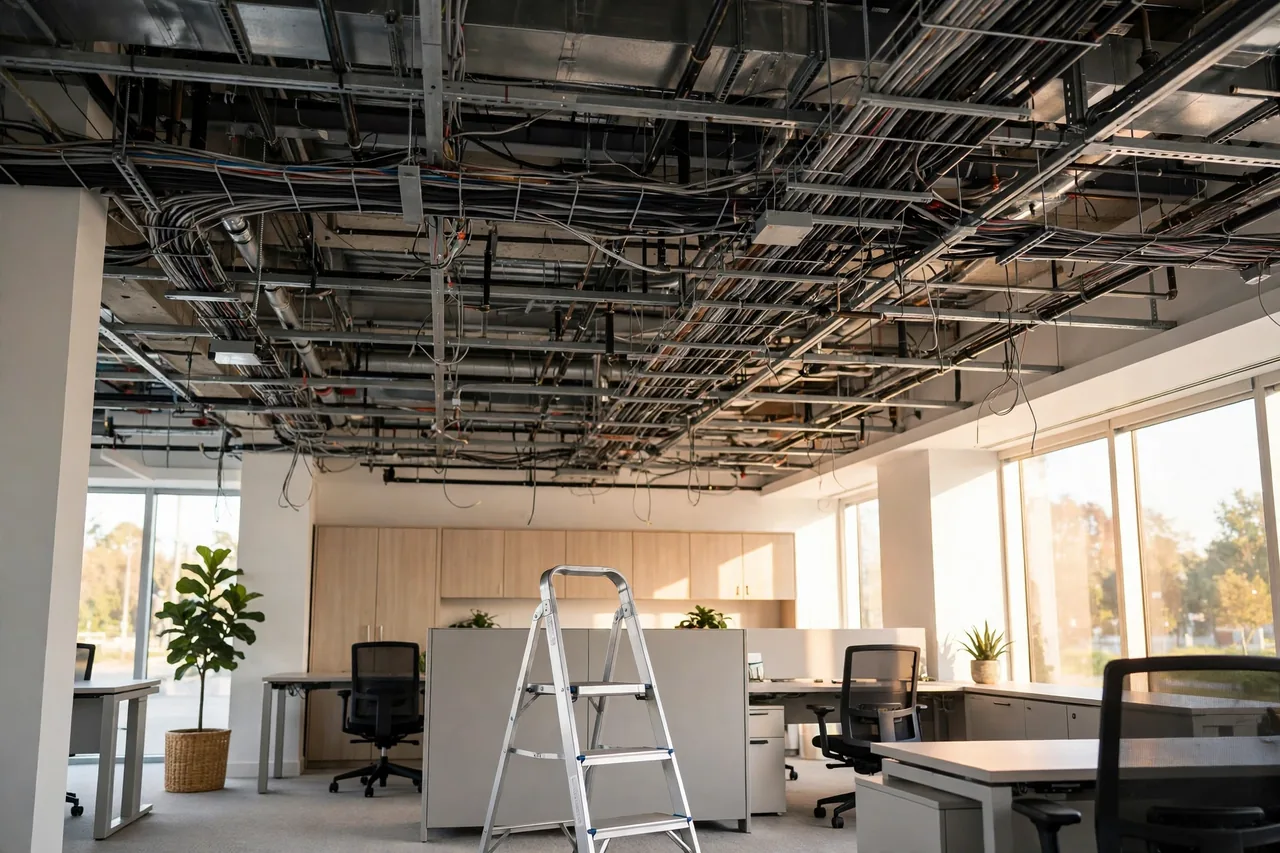
Whether your walls are open decides how hard the install is, and therefore how much it costs. This is the same gap that drives total system cost, and it hits installation labor hardest.
In new construction, installation runs about $0.75 to $2.00 per square foot. Wiring goes in before walls close, crews coordinate with other trades, and there is no business disruption. A typical timeline is two to four weeks for a standard commercial building.
In a retrofit, crews fish wire through finished walls and ceilings, work around furniture and people, and often find old wiring that must be replaced. The work takes longer, needs more skill, and often happens after hours. That is why retrofit installs land at $4 to $12 per square foot, several times the new-construction rate.
Wireless devices can cut retrofit labor sharply, because they skip most of the conduit. They cost more per device and need a battery replacement schedule, but in a historic building or a finished space, the saved labor often pays for the upgrade. Ask your contractor to price a wireless option side by side with a wired one.
If you are renovating anyway, time the alarm work with the renovation. Open walls are the cheapest installation discount that exists, and once the drywall is back up, that discount is gone for years.
How Fire Alarm Installation Works, Step by Step
Knowing the process helps you judge whether a contractor is doing it right, and it tells you what to expect at each stage. A professional install follows the same sequence on nearly every job.
- Site survey and risk assessment. The contractor walks the building, finds high-risk zones, counts the devices your occupancy requires, and checks the existing wiring and panel.
- Design and engineering. Drawings show every device location, wire path, and panel connection. Most authorities having jurisdiction require stamped drawings before work starts.
- Permits. The contractor files for the permit and schedules the plan review. Permit fees vary by jurisdiction.
- Rough-in. Crews run conduit and wire, mount back boxes, and set the panel location. In new construction this happens before drywall.
- Device install. Detectors, pull stations, strobes, and speakers go in, and each one is addressed and labeled.
- Programming. The panel is programmed so each device reports correctly and the right notification devices sound for each zone.
- Testing and acceptance. Every device is tested, the monitoring connection is verified, and the authority having jurisdiction inspects and signs off.
- Documentation and training. You receive as-built drawings, the device list, test records, and a walkthrough of how to use and silence the panel.
Do not skip the final steps. A system that was never acceptance-tested is not a finished system, and an owner without documentation cannot maintain it. The acceptance test is the moment your system becomes real protection.
What Makes Installation Cost More?
Several factors push an install above the average, and most of them are visible before work starts if you know where to look.
Ceiling height is a big one. High ceilings mean lifts, longer wire runs, and more time per device. A warehouse with 20-foot ceilings costs far more per device than an office with 9-foot ceilings. Detector type matters too: ionization, photoelectric, and specialty sensors each carry different prices, and heat detectors for kitchens and garages add their own cost.
Panel features change the price as well. A conventional panel is cheap and simple. An addressable panel costs more but tells you exactly which device tripped. Voice evacuation, sprinkler monitoring, and elevator recall each add hardware and programming time.
Occupied buildings cost more to work in. Crews coordinate around your staff, protect finished surfaces, and often work nights or weekends. Existing infrastructure helps when it can be reused: good conduit and a compatible panel save real money, while an incompatible old system forces a full replacement.
Region matters as well. Labor rates, permit fees, and code strictness vary by city and state. Get local bids rather than trusting a national average, and compare bids from contractors who work in your jurisdiction every week.
Can You Install a Fire Alarm System Yourself?
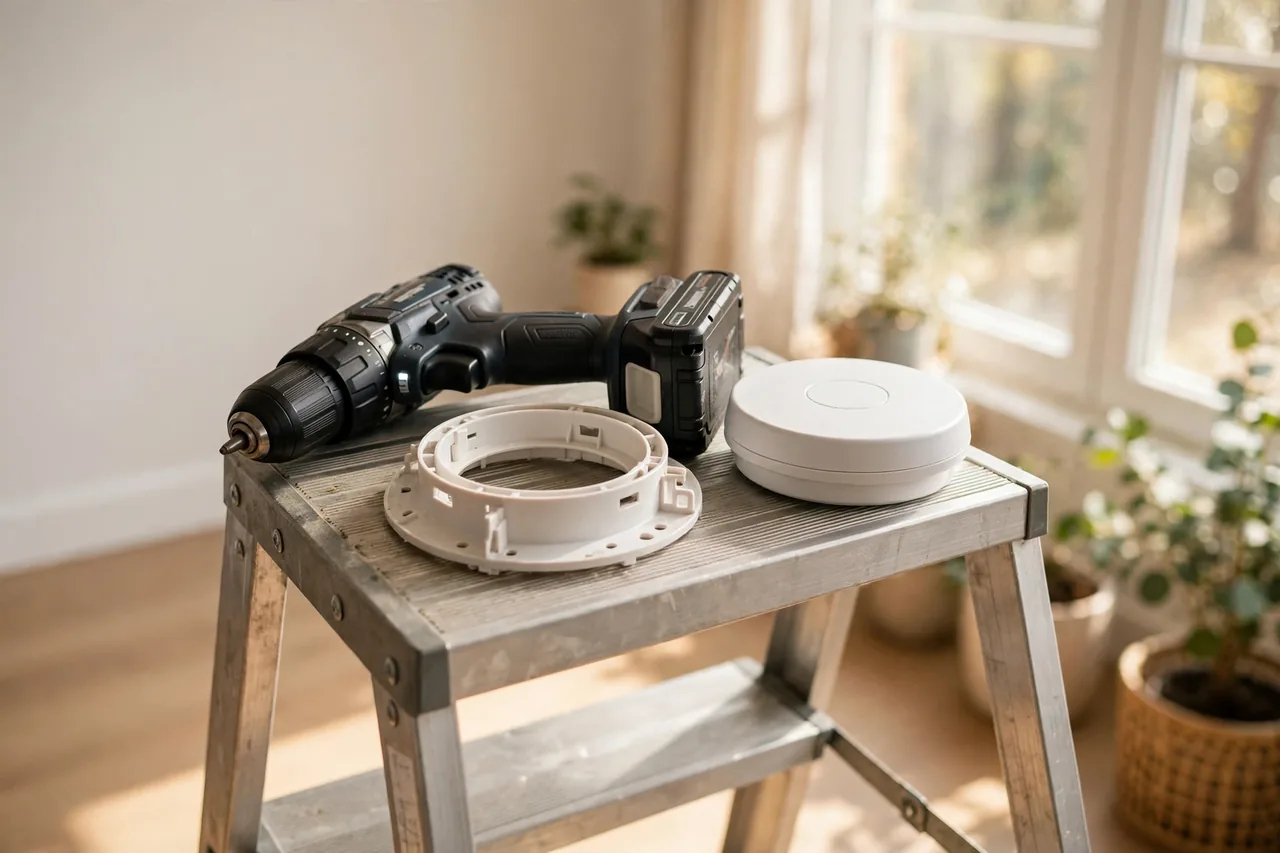
For a commercial building, no. NFPA 72 requires fire alarm installation by qualified professionals, and most jurisdictions require a licensed fire alarm contractor. A commercial system must be designed, installed, programmed, tested, and accepted to code, and a do-it-yourself install will fail inspection and can void your insurance.
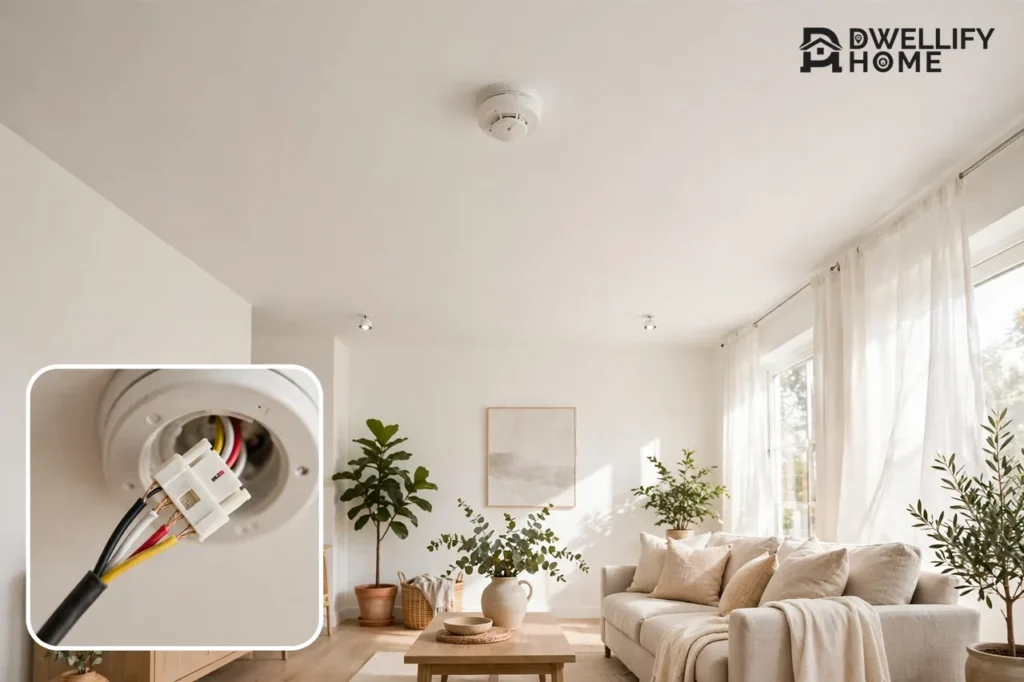
For a home, the line is different. Battery-operated smoke alarms are a simple do-it-yourself job: mount, insert the battery, test, done. Replacing a hardwired smoke detector is also manageable for many homeowners, especially with a compatible wire harness or adapter, and it takes about 15 minutes per alarm. Angi’s guide puts a simple replacement at $25 to $50 per alarm in parts, and notes that firefighters in most areas will install battery-operated smoke alarms free of charge.
A full hardwired home system is another matter. It involves mains wiring, interconnected alarms, and code placement rules, and a mistake can leave a bedroom unprotected. If you are not confident with electrical work, hire a licensed electrician. The pro install for one hardwired device runs $70 to $150, and a whole-home system of 4 to 8 detectors runs $500 to $1,000 from a local electrical contractor.
The rule is simple. If the job touches mains wiring or a commercial code requirement, hire a licensed pro. Battery alarms are yours to fit. Everything else deserves a professional.
Residential vs. Commercial Installation: What Changes?
A home install and a commercial install share the same parts, but almost nothing else. The rules, the paperwork, and the crew are different, and knowing the differences keeps you from comparing a home quote with a commercial one.
A home system is usually a set of interconnected smoke and carbon monoxide alarms, sometimes with a small panel. The placement rule comes from NFPA 72 and your local code: alarms inside every bedroom, outside each sleeping area, and on every level. The work is often done by a licensed electrician in a day or two, and the permit, where one is required, is simple.
A commercial system is a designed system. An engineer or a licensed fire alarm designer draws device locations, wire paths, and panel connections, and the authority having jurisdiction reviews the drawings before work starts. The panel is bigger, the devices are addressable, and the system ties into sprinklers, HVAC, elevators, and monitoring. The crew is a licensed fire alarm contractor, not a general electrician, and the acceptance test at the end is a formal inspection with records.
The cost gap follows the complexity gap. A whole-home system of 4 to 8 detectors runs $500 to $1,000 from a local electrical contractor, and a smart detector system runs $800 to $1,500. A small commercial office starts around $4,000 and climbs fast with size and system type. Never judge a commercial quote by home prices, or a home quote by commercial ones.
One thing stays the same in both worlds: the system must be tested after install, and the owner must get documentation. Ask for the test records and the as-built drawings whatever the size of the job, and keep them where you can find them when the inspector or the insurer asks.
How Long Does Installation Take?
Timelines depend on size, system type, and whether the building is occupied. Current guides give these typical ranges, and they are worth putting in your contract as a schedule, not just a promise.
A small office under 5,000 square feet typically takes one to two weeks. A standard commercial building of 5,000 to 20,000 square feet takes two to four weeks. Large, multi-story, or specialized buildings take longer, and occupied retrofits stretch further because crews work around your operations.
Permits add time before work starts. Plan review can take days or weeks depending on your jurisdiction, so file early. The acceptance inspection also needs scheduling with your authority having jurisdiction, and that visit can add a week at the end.
Ask your contractor for a written schedule with milestones: survey, design, permit, rough-in, device install, programming, testing, and acceptance. If a milestone slips, you will know early, while there is still time to fix it.
Fire alarm installation is life-safety work, and it is governed by NFPA 72 and your local fire code. This guide gives general planning information only. Confirm every requirement with your authority having jurisdiction and a licensed fire alarm contractor, and never install or alter a commercial fire alarm system yourself. If your current system is out of date or untested, call a licensed professional for a survey before you budget a replacement.
Related Guides
Pair this guide with our cost overview of cellular home security systems, which explains the monitoring connection your new panel will use. If you are choosing the wider security setup, our best home security systems with cameras guide covers complete systems, and the best smoke alarm and carbon monoxide detector guide helps you pick the right alarms for a home.
Frequently Asked Questions
How much does it cost to install a fire alarm system?
Fire alarm installation costs $1 to $4 or more per square foot for most commercial buildings. A typical home system runs $1,500 to $6,000, a 5,000-square-foot retail space runs $5,000 to $12,500, and a 50,000-square-foot office with voice evacuation runs $75,000 to $200,000.
How much does it cost to install a smoke detector?
A professional install of one hardwired smoke detector costs $70 to $150, according to Angi’s May 2026 guide. A simple battery alarm replacement costs $25 to $50 per alarm in parts, and many fire departments install battery-operated alarms free of charge.
Can I install a fire alarm system myself?
No, not a commercial one. NFPA 72 requires qualified professionals, and most jurisdictions require a licensed fire alarm contractor. At home, battery-operated alarms are a do-it-yourself job, but hardwired systems and anything touching mains wiring should go to a licensed electrician.
How long does fire alarm installation take?
A small office under 5,000 square feet takes one to two weeks, and a standard commercial building of 5,000 to 20,000 square feet takes two to four weeks. Permits and the final acceptance inspection can add extra time, so file early.
What is included in fire alarm installation cost?
A baseline install includes the panel, detectors, pull stations, notification devices, wiring, programming, testing, and documentation. Monitoring contracts, permits, building modifications, and voice evacuation are often billed separately, so check every line.
Is a permit required to install a fire alarm system?
Yes, in most jurisdictions. Permits and inspections typically cost $100 to $2,000, with $150 to $500 as a common average. Your contractor usually files the permit and schedules the plan review and the final acceptance inspection.
Installation cost comes down to three things: how many devices your building needs, how hard the wiring is, and whether the walls are open. Price those three honestly, get itemized bids, and the right number will show itself.