
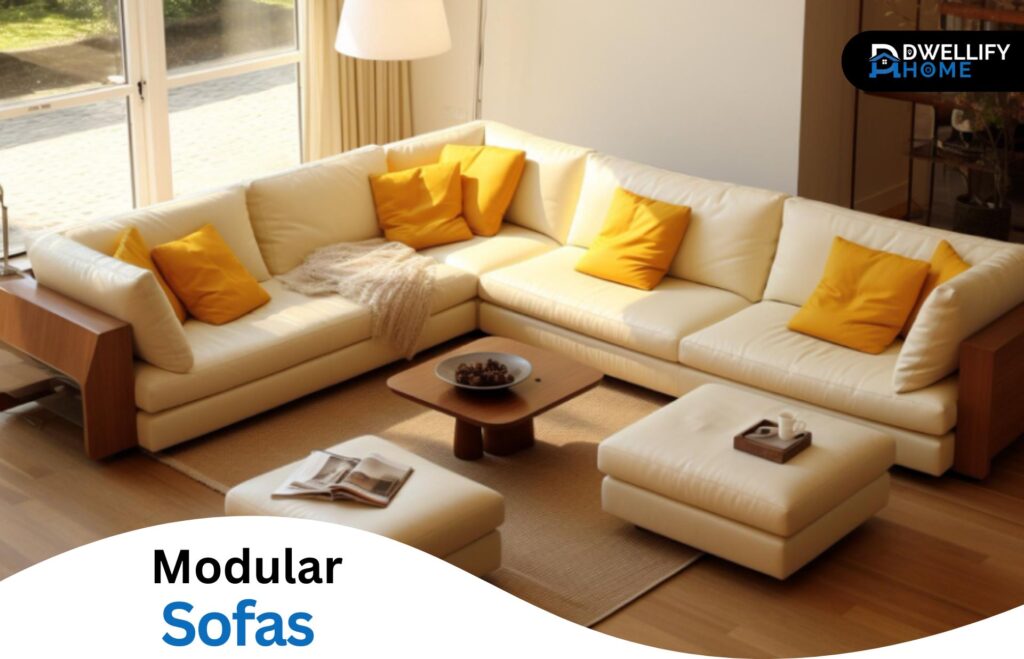
Living rooms today do a lot more than just host a sofa and a TV. They’re where families gather in the morning, where kids do homework in the afternoon, and where friends settle in for a long evening. That kind of daily variety puts real demands on furniture — and a single rigid sofa often can’t keep up. That’s a big part of why modular lounges in Perth homes have seen such steady growth in popularity. They’re built around the idea that your furniture should work around your life, not the other way around.
Understanding What Makes Modular Sofas Different
A modular sofa is made up of individual sections — commonly called modules — that connect together to form one cohesive piece. Each module serves a specific purpose, and you can combine them in whatever configuration suits your space.
What makes modular sofas stand out is their adaptability. Some of the common components found in modular designs include:
- Corner sections that maximise seating capacity
- Chaise modules that provide additional comfort
- Armless seats that create seamless configurations
- Ottomans that can function as footrests or extra seating
- Extendable modules that allow future expansion
Unlike a traditional three-seater, a modular sofa isn’t locked into one shape. You can start with a compact L-shape and add a chaise later. You can move the ottoman to a different corner entirely. That kind of adaptability is genuinely useful — not just a marketing point.
Why Flexibility Matters in Modern Living Spaces
Modern households need furniture that can handle multiple roles throughout the day. A living room that works for a quiet Tuesday morning should also work for a packed Saturday night with guests.
Modular sofas accommodate these changing demands by allowing seating arrangements to be adjusted as needed. A layout that works perfectly for everyday family use can be modified quickly when hosting guests or creating additional floor space.
Key benefits of this flexibility include:
- Easier adaptation to changing room layouts
- Greater seating capacity when required
- Improved functionality in multi-purpose living areas
- Better use of available floor space
- The ability to refresh a room’s appearance without purchasing new furniture
As open-plan living continues to grow in popularity, modular sofas offer a practical way to define spaces while maintaining an open and welcoming atmosphere. They give a room a sense of structure without closing it off.
How Modular Sofas Adapt to Changing Lifestyle Needs
Customisation Options for Every Home
One of the strongest aspects of modular sofas is how much you can tailor them to your specific situation. You’re not choosing from two or three preset configurations — you’re selecting the number of sections, the seating depth, the fabric, the colour, and the overall shape.
This matters because no two homes are identical. A narrow apartment in the city has different requirements than a sprawling open-plan house in the suburbs. Modular designs allow the sofa to fit the home rather than forcing the home to accommodate the sofa.
Whether you prefer a minimal, low-profile look or something more generous and plush, there’s a configuration that can deliver it.
Enhancing Comfort Without Sacrificing Style
Comfort is non-negotiable for most buyers, and modular sofas are designed with that firmly in mind. Generous seat depths, well-structured cushioning, and the ability to add a chaise or recline section all contribute to a sofa that’s genuinely comfortable for daily use.
Features that contribute to their comfort include:
- Deep seating areas for relaxation
- Supportive cushioning for long-term comfort
- Adjustable headrests in selected designs
- Chaise sections for stretching out
- Spacious seating arrangements for families and guests
The styling side is equally well considered. Most modular sofas are available in a range of fabrics and finishes that work across different interior styles — from contemporary minimalism to warmer, more traditional aesthetics.
Making Better Use of Available Space
Space planning is one of the more practical reasons people choose modular furniture. In a smaller apartment, you can arrange modules in a compact configuration that maximises seating without crowding the room. In a larger open-plan space, the same sofa can be spread out to define a lounge zone separate from the dining or kitchen area.
This kind of flexibility gives you real control over how a room feels and functions. A well-placed modular sofa can make a large room feel more intimate or help a small room feel more intentional — depending entirely on how you arrange it.
A Practical Solution for Growing Families
Family households change constantly. A couple becomes a family of four. Kids grow up and invite friends over. Elderly relatives visit for extended stays. Each of these shifts changes how a living room needs to function.
Modular sofas handle this well because they can be reconfigured rather than replaced. Need more seating? Add a module. Rearranging the room? The sofa adapts. This kind of longevity makes the initial investment more worthwhile over time.
Pairing a modular lounge with a coffee table also rounds out the living area practically — a central surface for drinks, books, or remotes brings the whole arrangement together without adding visual clutter.
Ideal for Entertaining Guests
Hosting guests puts immediate pressure on seating. A modular sofa makes that much easier to manage because you can rearrange sections to suit the occasion.
Depending on the occasion, seating can be arranged to suit:
- Casual family gatherings
- Movie nights
- Social events with friends
- Holiday celebrations
- Relaxed weekend entertaining
That kind of flexibility means you’re not scrambling for extra chairs or awkwardly squeezing people into corners. The sofa works with you rather than against you.
Conclusion
Modular sofas have earned their place in modern homes for straightforward reasons — they adapt, they last, and they don’t force you to choose between comfort and practicality. Their ability to be reconfigured over time means they remain useful through different life stages rather than becoming outdated when your circumstances change. For households looking for seating that’s both considered and flexible, a modular sofa is a solid, well-reasoned choice.
Frequently Asked Questions
Are modular sofas suitable for small living spaces?
Yes, modular sofas are a strong option for smaller rooms. Because each section is independent, you can arrange them in compact configurations that maximise seating while keeping the floor plan open. You’re not stuck with a one-size shape — the layout works around the room.
Can a modular sofa be reconfigured after purchase?
Most modular sofas are specifically designed to be rearranged as often as needed. Individual modules can be repositioned, removed, or reordered to suit a new layout, a different room, or simply a fresh look without any significant effort.
What are the main benefits of a modular sofa?
Modular sofas offer flexibility, personalisation, space efficiency, and long-term value. They can be adjusted over time to accommodate changing household needs, and their broad range of configurations means they work in a variety of room sizes and interior styles.
Are modular sofas good for families?
Yes, they’re well-suited to family homes. The ability to add sections, rearrange the layout, and accommodate varying numbers of people makes them practical for households that change over time.
Can modular sofas work in large living rooms?
Absolutely. In larger spaces, modular sofas can be used to define distinct zones — a seating area, a reading nook, or an entertainment corner — without making the room feel cluttered or over-furnished.
Thank you for reading and being a part of our community! Please note that this article may contain affiliate or sponsored links. Any commissions earned through your purchases come at zero additional cost to you and directly support our ability to publish helpful content. The opinions and recommendations in this post belong solely to the author and are not an official reflection of Dwellifyhome.com.