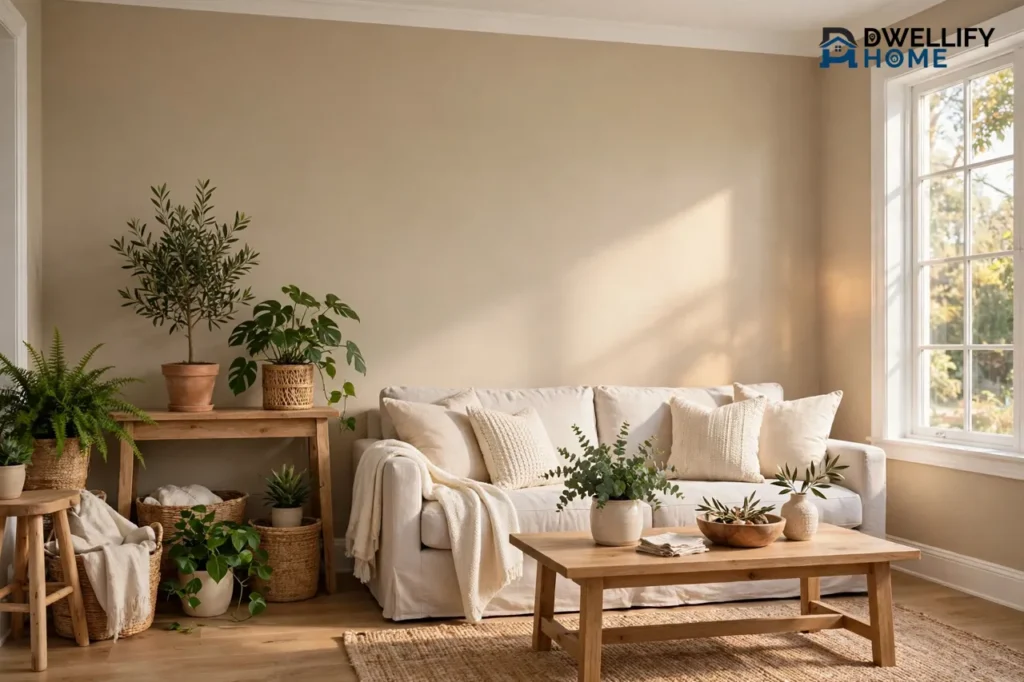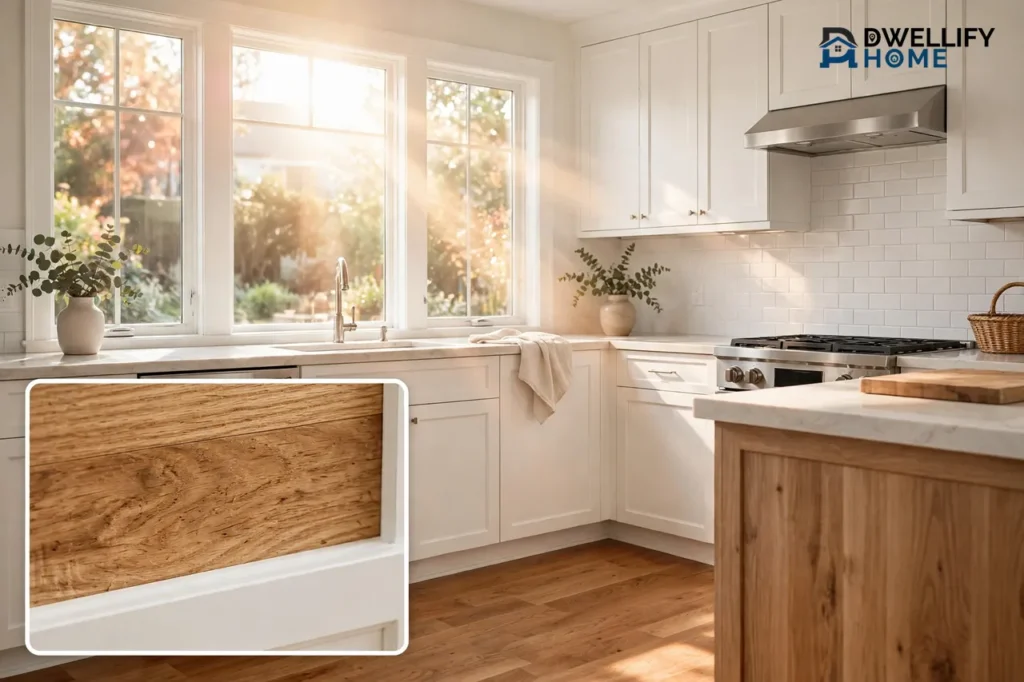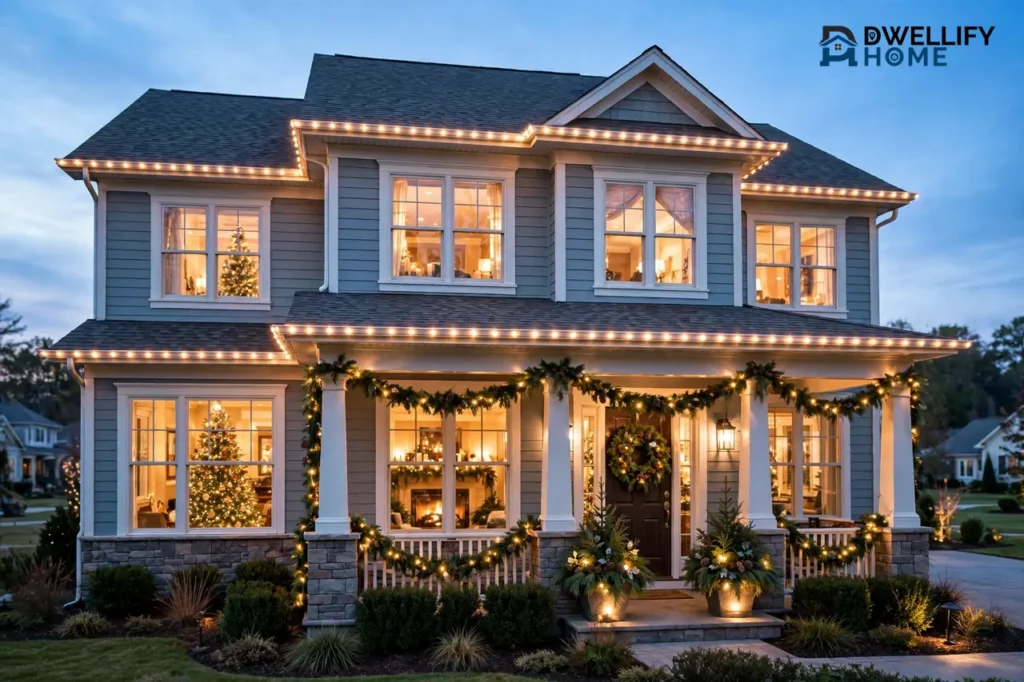
Homes decorated for Christmas feel magical when one clear style runs through the whole house, not when one room shines and the rest looks forgotten. Pick one style, repeat its colors, textures, and warm light from the front door to the back rooms, and let the outside set up what guests will find inside. Then plan the work in small steps, room by room, so you enjoy the season instead of rushing it at the last minute.
This guide shows you how fully decorated homes pull that look together. You will learn how to choose a style, carry it room to room, link the indoors and outdoors, place a few showpiece moments, and plan the whole job on a budget and a timeline. You do not need a big house, a designer, or a new set of decorations every year.
What Makes a Fully Decorated Home Feel Magical
A decorated home puts everything in one room and stops there. A magical home carries the feeling everywhere, in small doses. A wreath on the front door, greenery on the stair rail, a small tree in a quiet corner, and a warm glow in the main gathering space all tell one story.
Consistency does most of the work. When the same palette and the same kind of light appear again and again, the eye relaxes and the house feels planned, even if each touch is simple. That is why decorated homes at Christmas often look expensive without a huge budget: they repeat a few good ideas well.
Memory does the rest. Mix in the ornament your child made, the stocking from your grandmother, or the star that has topped your tree for years. Those pieces make a home feel lived in, not staged. Beauty draws the eye, but meaning makes people want to stay.
Pick One Style and Carry It Room to Room
Start with one direction and commit to it. A home holiday decor plan works best when every room answers the same question: does this fit the style we chose? If it does not fit, leave it in the box this year.
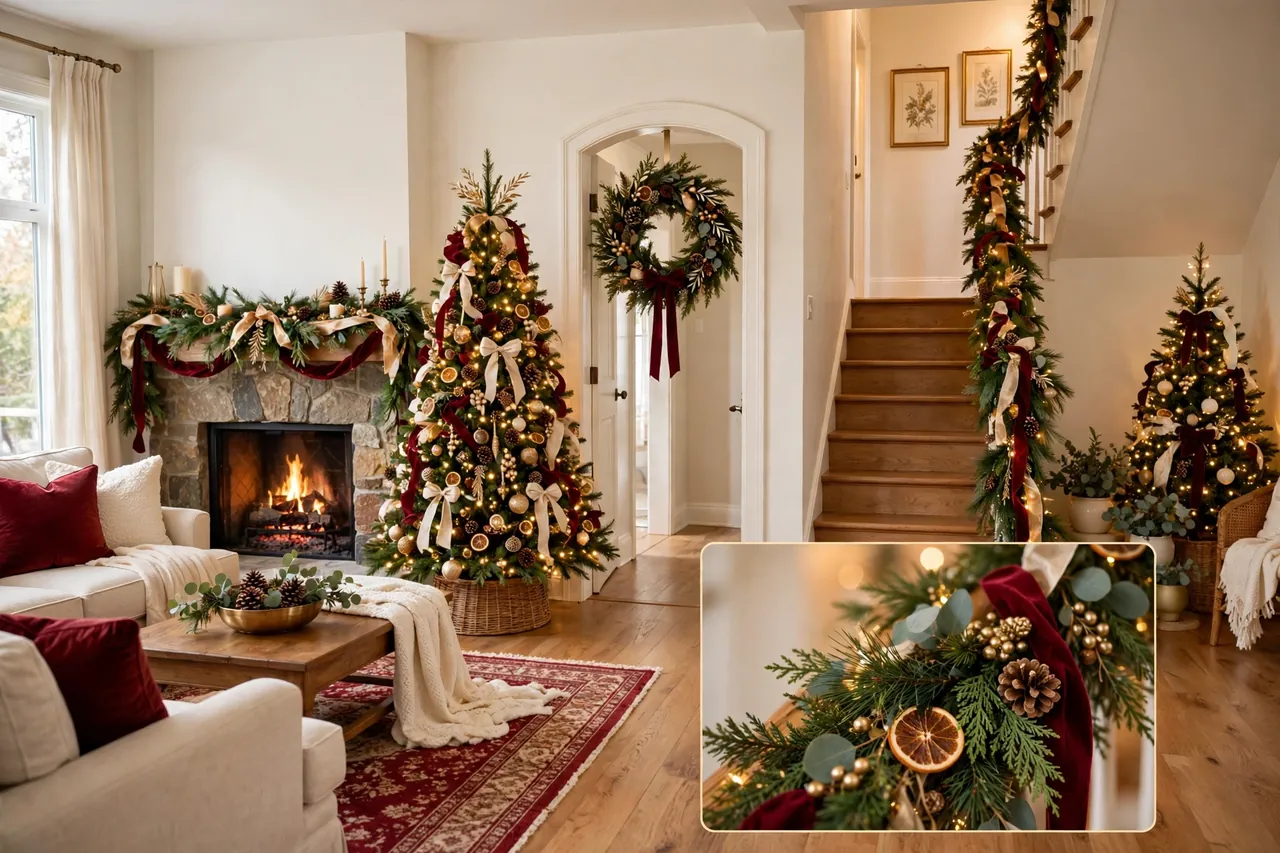
Choose two main colors and one metal, then add three textures. For example, deep red and cream with soft gold, plus wood, wool, and greenery, gives a classic look that works in almost any home. White, silver, and soft blue with glass and faux snow gives a calm winter look. Natural wood, burlap, and fresh greenery gives a rustic look.
Use this simple test in each room. Keep the palette, keep the light warm, and keep one texture from your set in view. A red throw in one room, red napkins in another, and a red ribbon on the wreath tie rooms together without matching sets. Small repeats beat big, costly changes every time.
| Style | Colors and metal | Textures to repeat | Best for |
|---|---|---|---|
| Classic | Deep red, green, and gold | Velvet, wool, and fresh greenery | A warm, traditional home |
| Winter white | White, silver, and soft blue | Glass, faux snow, and knit | A calm, bright home |
| Rustic | Warm brown, cream, and aged gold | Wood, burlap, and pinecones | A cozy, cabin-like home |
| Modern simple | White, soft gray, and one accent | Smooth wood, linen, and plain glass | A small home or a clean look |
If you love two styles, check whether they share a color or a texture. Rustic and classic share greenery and warm tones, so they blend well. A bold, playful look and a strict modern look clash, so pick one and save the other for next year.
For help choosing the look for your main tree, which sets the tone for the whole house, read our guide to Christmas tree themes. Once the tree style is set, repeat its colors in smaller ways through the rest of the home.
The Showpiece Rooms That Anchor the Whole Home
You do not need to decorate every corner with the same force. Fully decorated homes work because a few showpiece rooms anchor the look, and the rooms between them echo it softly. Think of it as loud, soft, loud, soft as you walk through the house.
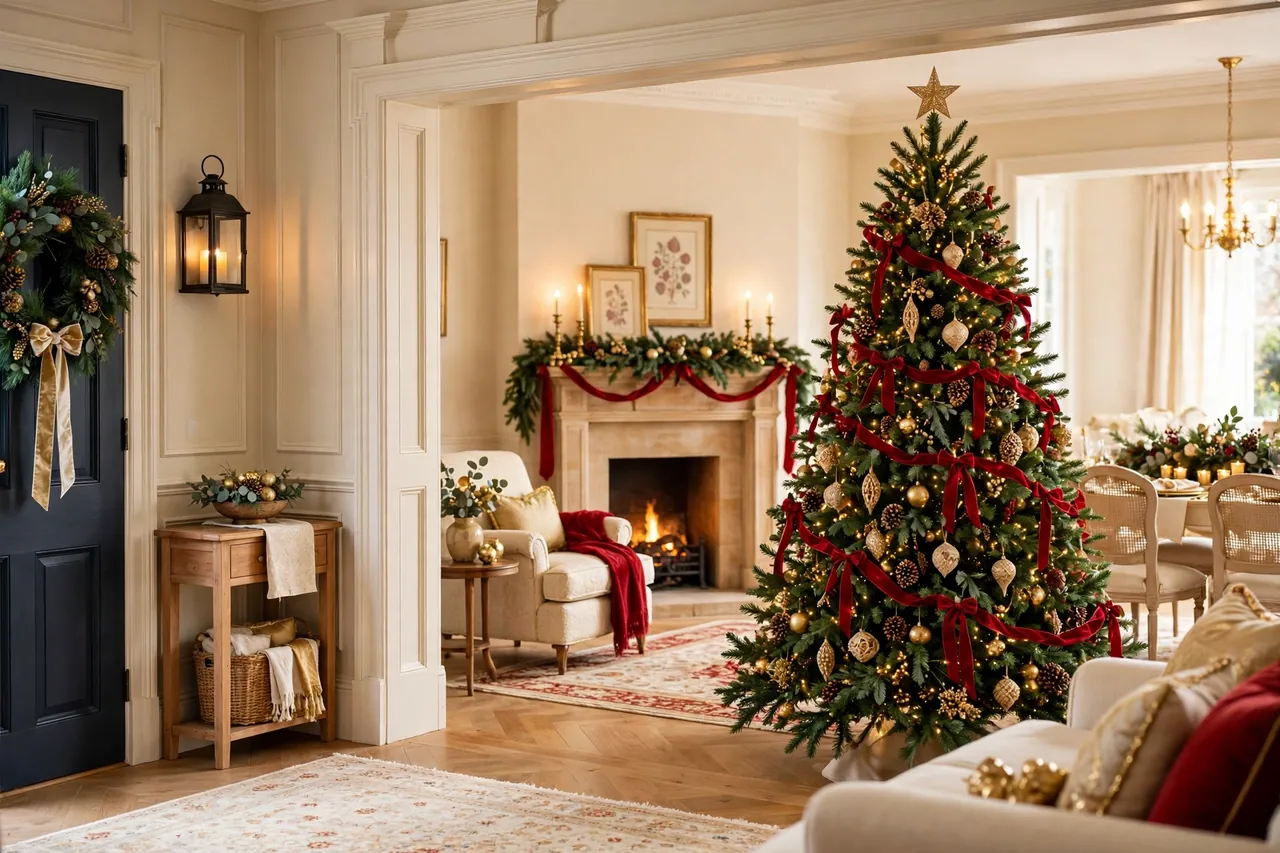
Your entry sets the promise. A wreath, a lit planter or lantern, and a clear path tell guests what to expect inside. Your main gathering space carries the biggest moment, usually the tree and the fireplace, if you have one. Your dining space carries the celebration, with a low centerpiece that lets guests see each other across the table.
The rooms between them need only a touch. A sprig of greenery on a mirror, a candle on a shelf, or a small bowl of ornaments keeps the story going without blocking daily life. Kitchens and bedrooms work best this way too: one or two festive touches, in your palette, and the rest stays useful.
Stairs and halls are the links that make a house feel whole. Greenery on a rail or a small wreath at a landing turns a walk from room to room into part of the display. Our guide to how to decorate stairs for Christmas shows safe, simple ways to do this without blocking the handrail.
Keep showpiece moments low, safe, and clear of exits. A tall display looks great in a photo but fails in real life if it blocks a walkway, a door, or a view across the table. Step back from each showpiece and ask one question: can people move, sit, and talk with ease here?
Indoor-Outdoor Flow: Let the Outside Set Up the Inside
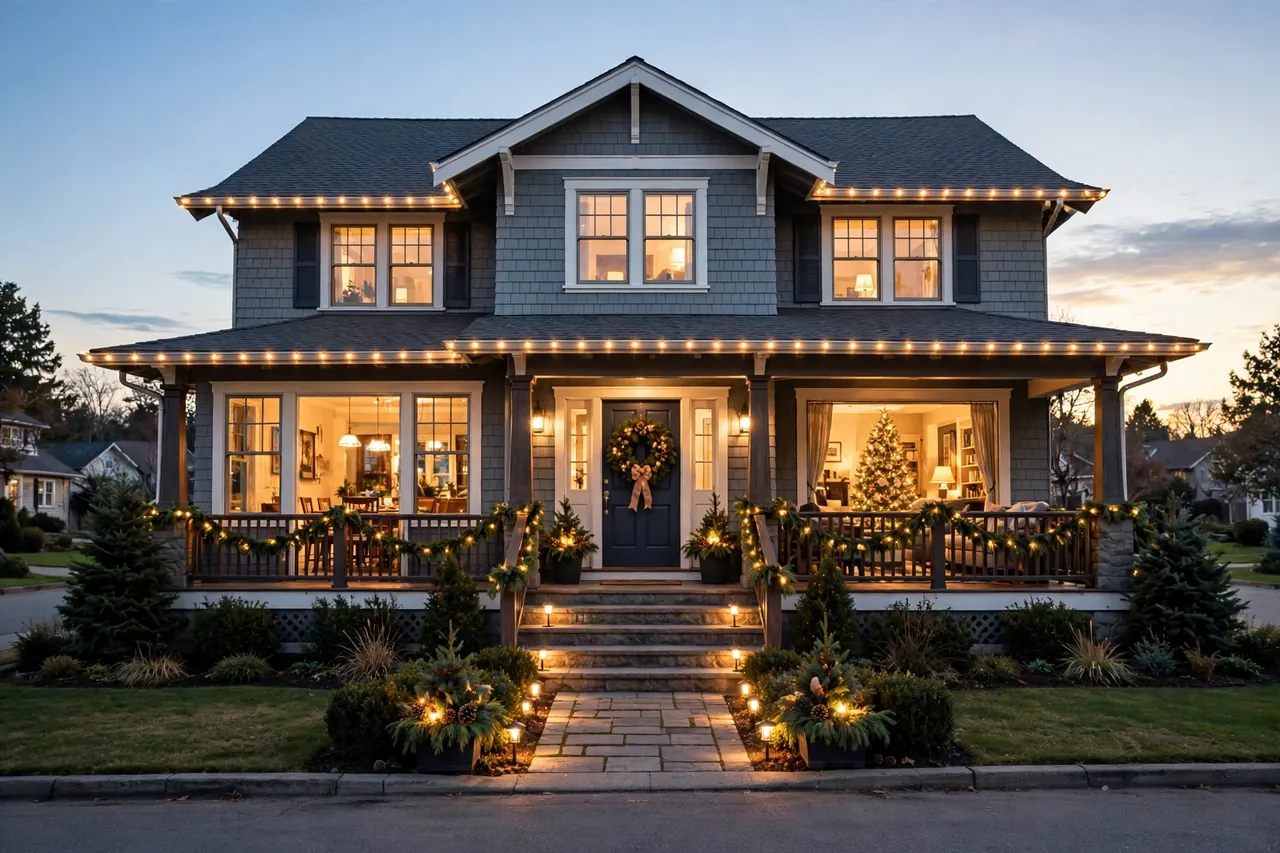
The magic should start before anyone reaches your door. When the porch, the front door, and the entry share colors and light, guests walk in already expecting something lovely. When the outside looks bare and the inside bursts with decor, the house feels split in two.
Start at the street and walk toward your door as a guest would. Fix the first thing you notice, then the next. A pair of lit planters, a full wreath you can see from the walk, and warm light along the path do more than a dozen small items scattered across the yard.
Carry one element straight inside. If your porch uses fresh greenery and gold ribbon, use the same greenery and ribbon on the entry table. If your outdoor lights are warm white, keep your indoor lights warm white too. Mixed light colors, cool white beside warm white in the same view, break the whole-home feel fast.
For the front of the house, see our guides to Christmas decorations on the front door, Christmas decor on the porch, and Christmas decor exterior ideas. Use them for the details, and use this article for the whole-home plan that ties them together.
End the outdoor work early in the day, while you can see clearly and work safely. Put lights on timers so the house glows at dusk without a nightly chore, and bring outdoor cords and lights inside after the season so they last longer.
Plan Your Whole Home in Four Weeks
A fully decorated home rarely happens in one frantic weekend. It happens in layers, and each layer makes the next one easier. The plan below fits a busy home and still finishes before the rush of late December.
- Week 1: Sort and choose. Pull out last year’s boxes. Keep timeless pieces and items you love, set aside pieces that need better styling, and donate pieces you no longer enjoy. Choose your style, palette, and light color now.
- Week 2: Set the big pieces. Put up the tree, the outdoor lights, and the porch display. Fix anything broken while shops still stock replacements. Finish one space fully before you start the next.
- Week 3: Carry it through. Add greenery, textiles, and small touches room by room. Repeat your colors and textures, and leave daily work spaces clear.
- Week 4: Finish and enjoy. Set the table, add scent and music, place family pieces last, and walk through the house at night to check the light. Fix only what truly bothers you.
| Week | Main job | Done looks like |
|---|---|---|
| 1 | Sort, choose, and shop with a list | One style chosen, gaps listed |
| 2 | Tree, porch, and outdoor lights | The big pieces stand and glow |
| 3 | Room-by-room touches | Every room echoes the style |
| 4 | Table, scent, and final walk-through | The home feels ready, not rushed |
If you start late, shrink the plan, do not drop it. Do week 1 in one evening, the big pieces on one weekend day, and the room touches in short bursts. A finished entry, tree, and table beat five half-done rooms every time.
For a deeper room-by-room companion to this whole-home plan, read indoor Christmas decorations. It covers room details; this article keeps the whole house in one plan.
Decorate on a Budget Without Looking Cheap
A small budget changes what you buy, not how good the home looks. Light, repetition, and natural texture do the heavy lifting, and all three cost little. Start with what you own, then buy only the gaps on your list.
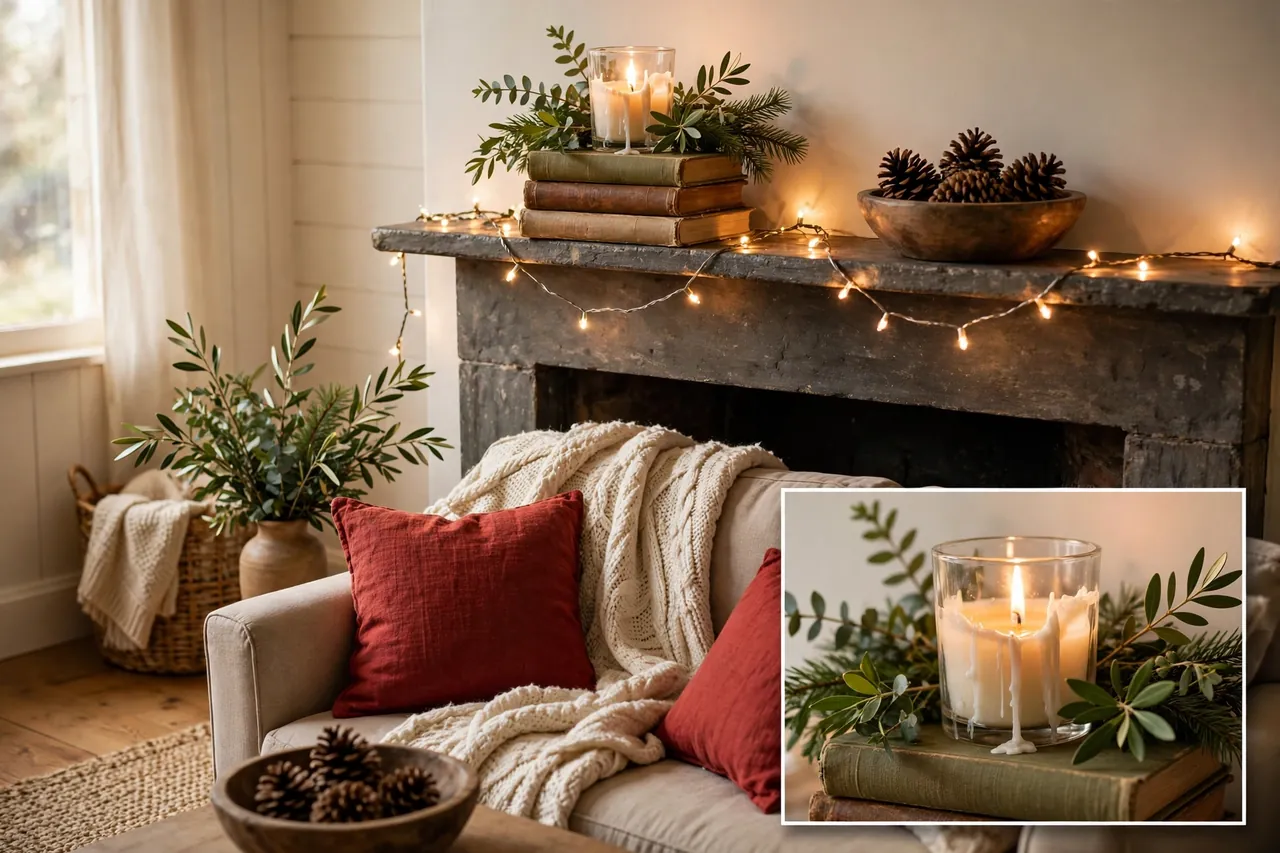
First, shop your own home. Pull out candle holders, glass jars, trays, wooden bowls, books, and ribbon you already own. Stack books, set a candle on top, add a few branches in a vase, and you have a styled corner for free. Move lamps and candles to the places where you sit in the evening, and turn off harsh overhead lights.
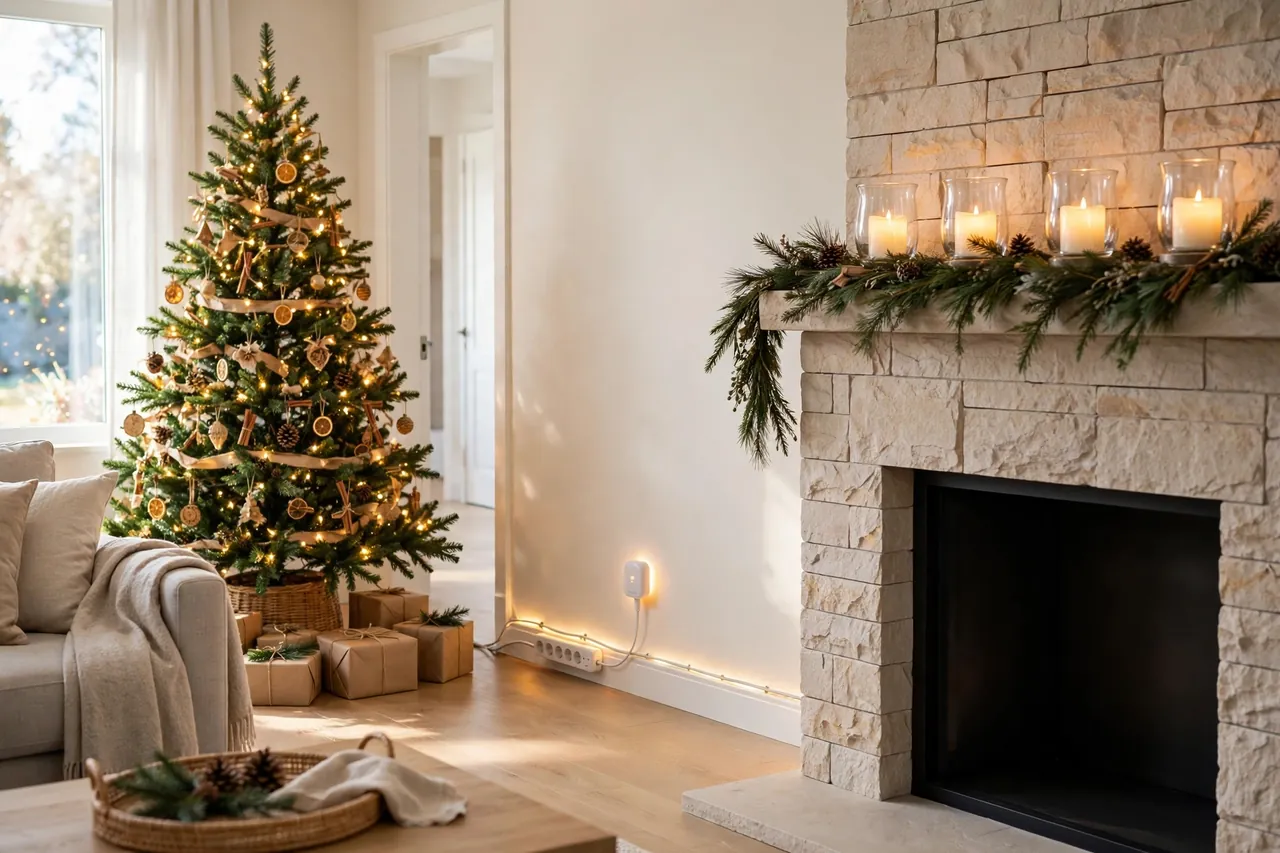
Next, fix the light. Warm white light, often labeled 2700K, flatters wood, skin, and greenery. One strand along a mantel, a window, or a shelf changes a room at once. Add timers or battery lights in places with no outlet, so every room glows without a tangle of cords.
Then add nature and texture. Fresh or faux greenery, pinecones, dried orange slices, and a knit throw cost little and look rich in your palette. Two pillow covers in one of your colors can carry a whole sofa, and a simple runner can carry a whole table. Buy fewer, better pieces that you will reuse, not a pile of small items that fight for attention.
Professional help is a separate choice, not a must. Angi’s 2026 data, updated August 4, 2026, puts professional Christmas decorating services between $200 and $3,500 for a home, based on scope and size, and notes that home size, roof height, and outdoor trees raise labor time (Angi). If you hire help, hire it for the hard, high, or outdoor work, and decorate the inside yourself. That hybrid plan often gives the best value.
Finally, plan next year now. Shop after-holiday sales in January for lights and storage, and label every box by room when you pack up. A clear box list stops you from buying the same garland twice.
Light, Scent, and Texture: The Three Layers People Feel
People remember homes decorated for Christmas by how they felt, not by a list of items. Three layers create that feeling: light, scent, and texture. Get all three right, and even simple decor feels rich.
Light comes first. Use warm light in every decorated room, and dim or switch off overhead lights in the evening. Place light at different heights: low candles or lamps, mid-level tree lights, and a soft glow near a window. That mix makes rooms feel deep and calm.
Scent comes next, and it should stay gentle. Fresh greenery, a simmer pot, or one candle gives a home its Christmas smell. Do not mix five strong scents in one room. Pick one, and let it fade into the background.
Texture makes rooms touchable. A knit throw, a velvet pillow, a wood tray, and soft greenery invite people to sit down and stay. If a room looks festive but feels cold and hard, add one soft layer and step back. You will feel the change at once.
Music helps too, at a low volume, as a background layer. Keep it soft enough for talk. The goal is a home that feels alive, not a show that demands attention.
Mistakes That Break the Whole-Home Look
Most whole-home plans fail in the same few ways, and all of them are easy to fix.
- Too many styles at once. A classic tree, a modern mantel, and a playful porch fight each other. Pick one style and repeat it.
- Mixed light colors. Cool white and warm white in the same view look like a mistake, even with costly decor. Match the light color through the house.
- Every surface covered. A kitchen you cannot cook in and a table you cannot eat at feel stressful, not festive. Leave work space clear.
- One loud room, silent halls. A small touch in halls, stairs, and entries links the loud rooms together. Without it, the house feels unfinished.
- Showpieces that block life. Tall centerpieces, blocked exits, and tangled cords ruin the welcome. Keep paths, exits, and views clear.
- Buying before sorting. New items on top of old clutter look busy. Sort first, list the gaps, and then shop.
Do a night walk-through before you call the house done. Turn on the lights, walk from the street to the back rooms, and note only the first thing that feels wrong in each space. Fix those few things, and stop. A home that feels calm beats a home that feels crammed.
Stay Safe While the Whole Home Glows
A fully decorated home uses more lights, cords, and candles than a normal week, so safety is part of the plan, not an afterthought. Check every light strand before you hang it, and replace any strand with a worn cord, a broken bulb, or a loose connection.
Keep a real tree at least 3 feet from heat sources such as fireplaces, radiators, candles, heat vents, and lights, and add water to the stand every day. The Illinois Office of the State Fire Marshal, citing National Fire Protection Association data, gives the same 3-foot rule and daily-water rule, and warns never to use candles to decorate a tree (Illinois State Fire Marshal). Turn tree lights off before bed and before you leave the house, and do not overload outlets or power strips.
Keep candles away from curtains, greenery, and trees, and never leave a burning candle alone. Use battery candles where a flame would sit close to fabric or where children and pets pass often. Keep exits clear, and take a dry tree down promptly: a dried-out tree is a fire hazard and should not sit in a garage or against the house.
Outside, use lights rated for outdoor use, keep cords out of walkways, and use a stable ladder with someone nearby when you hang high lights. If a job needs a roof or a tall tree, that is the right job to hire out.
Short safety note: this article shares general home decorating guidance, not professional electrical or fire-safety advice. If your wiring, outlets, or lights show damage, or if you feel unsure about a high or outdoor job, ask a qualified professional before you continue.
Pack Up So Next Year Starts Easy
The last step of a whole-home plan happens in January, and it saves you hours next year. Take a photo of each showpiece before you take it down, so you can rebuild it fast. Label boxes by room, not by item type alone, so the entry box goes straight to the entry.
Wrap fragile ornaments in tissue, coil lights on cardboard so they do not tangle, and store trees in sturdy bags. Note what broke, what you never used, and what you still need, on one short list inside the first box you will open. When you pack up well, you also protect your budget, because you buy only true gaps next year. For storage detail, see our guide to Christmas tree storage bags.
Related Guides
If you want detail for one part of this whole-home plan, these live Dwellify Home guides go deeper without changing the plan: Christmas tree themes, decorating your fireplace at Christmas, and ideas for Christmas table settings.
Frequently Asked Questions
How do I make my whole house look decorated for Christmas without buying everything new?
Start with what you own, pick one style and two main colors, and repeat them room to room. Fix the light first with warm white strands and timers, add greenery and one soft texture in each space, and place family pieces last. Repetition, not new items, makes the house look planned.
When should I start decorating my whole home for Christmas?
Start sorting and choosing your style in early November, set the tree and outdoor lights next, and finish room touches and the table in the weeks that follow. A four-week plan works well, but if you start late, finish the entry, tree, and table first. Five half-done rooms feel worse than three finished spaces.
How do I keep homes Christmas decorations looking cohesive from room to room?
Use the same palette, the same warm light color, and the same three textures in every room, even in small doses. Carry one element from the porch straight inside, and echo it on stairs, halls, and shelves. If a piece breaks the palette or the light color, leave it out this year.
How much does it cost to decorate a whole home for Christmas?
A do-it-yourself home can look festive for little money by reusing decor, adding warm light, and buying only gaps on a list. Hiring help costs far more: Angi’s 2026 data, updated August 4, 2026, puts professional decorating services between $200 and $3,500, based on scope and size. Hiring only the high or outdoor work keeps costs down.
What should I decorate first in a fully decorated home?
Decorate the entry first, because it sets the promise for guests, then the main gathering space and its tree, then the dining table. After those anchors stand, add small touches to halls, stairs, and quiet rooms. That order gives you a finished-looking home early, even if the smaller touches take days.
How do I decorate a small home for Christmas without clutter?
Choose a simple style, one small tree or a tabletop tree, and one showpiece per room. Use vertical spots such as windows, shelves, and rails, keep kitchen and table work space clear, and remove one item for each new item you add. In a small home, light and scent do more work than extra objects.
Start this week with one simple step: walk through your home, pick your style, and sort one box. Once that choice is made, every later choice gets easier, and your home will feel like Christmas the moment someone opens the door. Pick the entry, the tree, and the table first, and let the rest of the house follow their lead.