
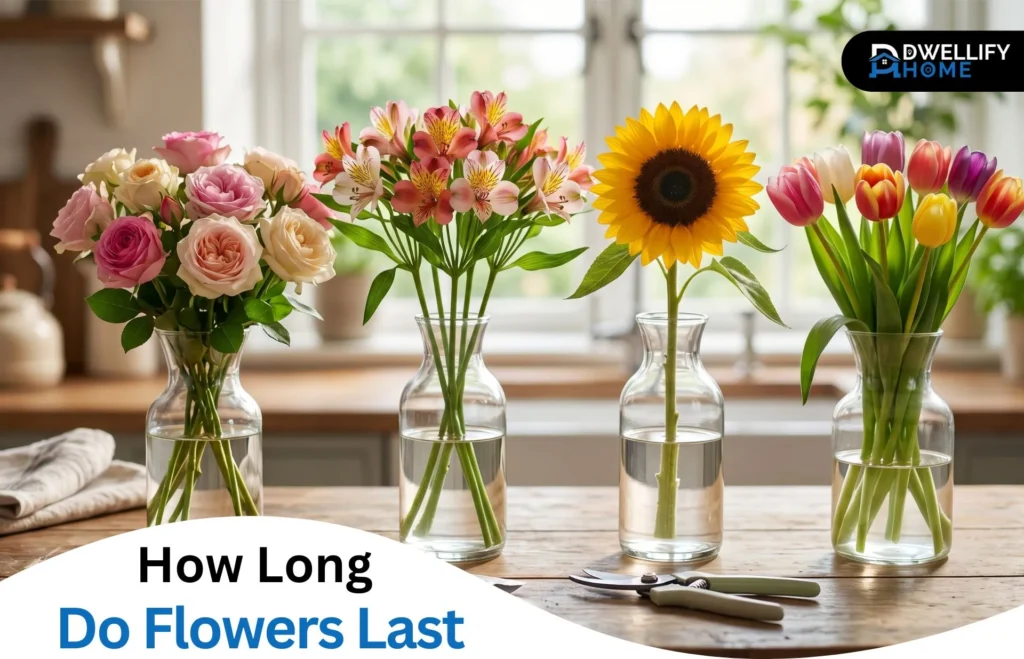
Most people set a fresh bouquet down on the kitchen counter and quietly hope it’ll last two weeks. Some do. Most don’t. After years of prepping flowers for clients, weddings, and weekly home deliveries, the pattern is pretty clear — how long do flowers last comes down to two things, and only two things, no matter what anyone tells you. The variety you brought home, and what you do with it in the first hour. Everything else is just supporting detail.
The realistic range is anywhere from three days to two weeks. A grocery-store mixed bunch with no care might call it quits by day four. A well-conditioned florist bouquet with clean water and a cool spot can easily push past ten days. The good news is that the gap between those two outcomes isn’t talent or luck — it’s a handful of small habits anyone can pick up.
Whether your bouquet comes from a local florist or a flower delivery service like Avas Flowers, following a few simple care tips can help keep your blooms looking fresh for longer.
Snippet-Ready Definition
Most fresh-cut flowers last 5 to 10 days at home. Hardy varieties like carnations and chrysanthemums can reach 2 to 3 weeks, while delicate blooms like tulips and peonies often fade within 3 to 5 days, depending on care.
Mission Statement
At Dwellify Home, we help homeowners make practical, stylish, and informed décor decisions — turning everyday spaces into homes that feel intentional, comfortable, and truly their own.
How Long Do Flowers Last? The Honest Answer
Most fresh-cut flowers last between five and ten days at home. Hardy varieties like carnations and chrysanthemums can stretch to two or three weeks. Delicate ones like tulips and gerbera daisies often start fading by day four or five.
That’s the realistic window. Anyone promising you a guaranteed two weeks on every bouquet is either selling something or hasn’t watched enough flowers wilt on real kitchen counters. Some bouquets just won’t make it that long, and that’s not a failure — it’s the nature of the flower.
Quick Vase Life Reference Table
| Flower Type | Typical Vase Life | |
| Chrysanthemums | 2 to 4 weeks | |
| Carnations | 14 to 21 days | |
| Orchids | 14 to 21 days | |
| Alstroemeria | 10 to 14 days | |
| Roses | 7 to 10 days | |
| Lilies | 8 to 10 days | |
| Sunflowers | 7 to 10 days | |
| Tulips | 4 to 7 days | |
| Hydrangeas | 5 to 8 days | |
| Gerbera Daisies | 4 to 7 days | |
| Peonies | 5 to 7 days | |
| Daffodils | 3 to 5 days |
Key Habits That Extend Vase Life
- Start with a clean vase and lukewarm water
- Recut stems at a 45° angle every couple of days
- Use the flower food packet (or a simple sugar and bleach mix)
- Change the water every 1 to 2 days
- Strip leaves below the waterline
- Keep the vase cool, shaded, and away from ripening fruit
What Really Decides How Long Your Flowers Last
Three things drive the entire outcome. Get these right and the rest takes care of itself.
Flower Type and Natural Vase Life
Every flower has its own built-in clock. A tulip is a sprinter — it opens fast, stretches toward the light, and bows out in under a week. A carnation is a marathon runner. Same vase, same water, completely different timelines.
This is why mixed bouquets often look uneven by day five. The shorter-lived blooms drop out first while the tougher ones keep going. That’s not a problem with care — that’s just biology.
Freshness at Harvest and the Cold Chain
A flower’s life starts ticking down the moment it’s cut. By the time it reaches a grocery store shelf, it may already be four or five days into its lifespan. A florist that gets daily deliveries from a cooled supply chain is handing you a flower that’s days fresher.
Florists call this the cold chain — keeping stems cold from the field to the shop. Warm gaps in that chain burn through vase life invisibly. The flower looks fine on day one and then collapses on day four for reasons you can’t see.
Care During the First Hour at Home
The first hour after you bring flowers home matters more than the next seven days combined. A stem that sits dry on the counter for an hour while you find a vase is already healing over and air-locking. Get them in clean water with a fresh angled cut quickly, and you’ve already added two or three days.
How Long Do Flowers Last in a Vase (By Flower Type)
Here’s a realistic breakdown based on what actually happens in homes — not a lab, not a florist cooler.
Long-Lasting Flowers (2+ Weeks)
These are the workhorses. With clean water and basic care, they keep going long after most bouquets are in the compost.
- Carnations — 14 to 21 days
- Chrysanthemums — 2 to 4 weeks
- Alstroemeria (Peruvian lily) — 10 to 14 days
- Orchids (cymbidium, dendrobium) — 14 to 21 days
- Zinnias — up to three weeks
Mid-Range Flowers (7–10 Days)
The middle tier is where most popular flowers sit. They’re satisfying for a full week and usually start showing their age in the second.
- Roses — 7 to 10 days
- Lilies — 8 to 10 days
- Sunflowers — 7 to 10 days
- Lisianthus — around 10 days
- Snapdragons — 7 to 10 days
Short-Lived Flowers (3–5 Days)
Some flowers are simply built for a brief, beautiful run. Buying these expecting a two-week show is a setup for disappointment.
- Tulips — 4 to 7 days (and they keep growing in the vase, which is part of the charm)
- Gerbera daisies — 4 to 7 days
- Hydrangeas — variable, often 5 to 8 days, longer with proper conditioning
- Peonies — 5 to 7 days once they fully open
- Daffodils — 3 to 5 days
How Long Do Roses Last in a Vase
A good-quality rose lasts about a week to ten days. Florist-grade roses, kept cool and well-fed, can stretch closer to two weeks. The supermarket rose that’s already four days old and warm? You’re often looking at four or five days, and there’s nothing care alone can do to fix that head start.
How Long Do Flowers Last Without Water
Once a stem leaves water, the countdown speeds up dramatically. Soft-stem flowers like tulips can wilt within an hour. Hardier woody-stem varieties like roses and carnations can hold for several hours, sometimes longer if they’re cool and wrapped properly.
In a Bouquet During Transport
Wrap the cut ends in a damp paper towel and seal that with plastic wrap. This usually buys you four to six hours for most flowers, longer for tougher varieties. The enemy isn’t the lack of vase — it’s the air drying out the cut surface.
In the Car
A car interior swings between extremes, and flowers hate both. On a hot day, soft blooms can start drooping in twenty to thirty minutes. Keep them on the floor of the back seat in the shade, never in the trunk in summer or winter. If the drive is over an hour, bring water.
In the Fridge Overnight
A regular kitchen fridge isn’t ideal — it sits around 37–40°F, which works fine for one night but isn’t quite as cold as a florist cooler. The bigger issue is fruit. Apples, bananas, avocados, and tomatoes all release ethylene gas, which ages flowers fast. Clear a shelf, move the produce out, and the fridge becomes a useful trick for stretching a bouquet through a special evening.
How Long Do Flowers Last in a Bouquet After Delivery
A bouquet delivered fresh from a real florist usually lasts seven to ten days at home with reasonable care. The clock started the morning the flowers were prepped, not the moment they arrived at your door.
If a bouquet looks tired by day three, the issue almost always traces back to the supply chain — long transit, warm trucks, or extended grocery shelf time. A flower delivered from a local studio that conditions properly will outperform a same-priced grocery bouquet nearly every time.
How Long Do Flowers Last in the Ground
Cut-flower lifespan is one question. How long flowers last in the garden is a different one entirely.
Annuals, Perennials, and Biennials at a Glance
Annuals complete their full cycle in one season — they sprout, bloom, set seed, and finish. Perennials come back year after year from the same roots, and some, like peonies, can outlive the gardener who planted them. Biennials sit in the middle, putting down roots in year one and flowering in year two.
Bloom Window vs Plant Lifespan
This is where people get tripped up. A daylily plant might thrive for years, but each individual bloom only opens for a single day. A peony plant can live 50 years or more, yet its bloom window is just a couple of weeks each spring. Knowing the difference between how long the plant lives and how long it actually shows color is what separates a satisfying garden from a disappointing one.
How to Make Flowers Last Longer — Step by Step
None of this is complicated. It’s just consistent.
Start With a Clean Vase
Bacteria from the last bouquet survives in the vase. Wash it with warm water and dish soap before refilling. This single step matters more than any additive you put in the water afterward.
Recut Stems at a 45° Angle
Use sharp scissors or shears, not a dull kitchen pair that crushes the stem. Cut at least an inch off at an angle so the stem can drink properly. A flat cut sitting flush against the bottom of the vase is one of the most common reasons flowers wilt early.
Use Flower Food (Or a Simple Homemade Mix)
The packet that comes with the bouquet isn’t a gimmick. It’s a balanced mix of sugar, an acidifier, and a mild antibacterial. If you don’t have one, a teaspoon of sugar plus a few drops of bleach in a quart of lukewarm water works reasonably well.
Change the Water Every 1–2 Days
Cloudy water means bacteria, and bacteria clogs stems from the inside. Dump it, rinse the vase, recut the stems slightly, and refill. Two minutes of work that adds days.
Remove Leaves Below the Waterline
Submerged leaves rot fast, foul the water, and feed bacteria. Strip them before the bouquet goes in.
Place the Vase in the Right Spot
A cool, shaded spot away from direct sunlight, heating vents, and ripening fruit is the sweet spot. Kitchen counters are convenient but often the worst place — they’re warm, sunny, and usually sit next to a fruit bowl.
What Shortens a Flower’s Life (and What to Avoid)
A few quiet flower-killers most people don’t notice:
- Direct afternoon sun pulling moisture out of petals
- A vase next to the fruit bowl (ethylene gas accelerates aging)
- Warm air from radiators, vents, or appliances
- Cold drafts from AC units
- Cloudy, untouched water that’s been sitting for four days
- Leaves rotting below the waterline
- Crushed stems from dull scissors
Fix these and you’ve handled 90% of what shortens vase life.
Common Flower-Care Myths That Don’t Actually Work
A lot of grandma’s advice doesn’t hold up. Aspirin in the water has been tested in real studies and shown no measurable benefit. A penny in the vase is folklore — modern pennies barely contain copper, and even the older ones don’t do much. Vodka, hairspray, and lemon-lime soda all float around online but mostly create more bacteria or do nothing useful.
The boring truth is that a clean vase, fresh water, an angled cut, and a packet of flower food beat every kitchen hack. There’s no clever trick that outperforms the basics.
How to Tell Your Flowers Are Fading — and How to Revive Them
Drooping heads usually mean dehydration, often from an air-blocked stem rather than thirst. Recut the stem underwater and let the bouquet rest in deep cool water for thirty minutes. Hydrangeas in particular respond well to a full head-dunk in cool water for fifteen to twenty minutes.
Browning petal edges and crispy tips point to heat exposure or low humidity — move the vase. Cloudy, sour-smelling water means start over with a clean vase, fresh water, and recut stems. Mushy, slimy stem ends are the point of no return — once a stem turns to slush, that flower’s done.
How to Choose Flowers That Last the Longest
Choosing well at the start saves all the troubleshooting later.
Florist vs Grocery vs Farm-Direct vs Subscription
A real florist works with stems that arrived within the last day or two. Grocery flowers may have been in transit and on display for a week before you ever see them. Farm-direct and subscription services often outperform both, since they cut to order and ship fast. The price difference between the cheapest and freshest options is often less than people assume — and the lifespan difference is significant.
Best Long-Lasting Flowers for Gifting and Events
For a gift that needs to look good for at least a week, lean into carnations, alstroemeria, chrysanthemums, lisianthus, or orchids. For weddings or weekend events, the same list works, plus high-quality roses if they’re properly conditioned. Avoid relying on tulips or peonies as the lasting backbone — they’re stunning, but their window is short.
Florist-Backed Tips Most People Don’t Know
A few details that genuinely add days, learned the hard way:
- Use lukewarm water, not cold. Stems drink warm water faster, which helps closed buds open evenly.
- Cut the stems underwater if you can. It prevents air bubbles from getting drawn into the stem channel, which is one of the silent reasons roses droop early.
- Hydrangeas like a deep dunk. The whole flower head, not just the stem. They drink through their petals too.
- For roses that arrive looking tired, wrap the heads loosely in damp paper, recut underwater, and rest the bouquet in deep cool water for an hour. They often perk up completely.
- Refrigerate overnight on day three or four for a noticeable extension — but only if you can clear the produce out first.
Frequently Asked Questions
Do flowers last longer in warm or cold water?
Lukewarm water is best for most flowers. It absorbs faster than cold and helps closed buds open. Cold water can shock soft-stem flowers, while hot water speeds aging.
Can wilted flowers be revived?
Often, yes — if the stem hasn’t turned mushy. Recut underwater, use deep cool water, and give them an hour somewhere cool. Hydrangeas, roses, and tulips respond especially well to this kind of rescue.
How long do dried flowers last?
Properly dried flowers can hold their color and shape for a year or more if kept out of direct sunlight and away from humidity. Pressed flowers can last decades inside a closed book.
Why do my flowers die so fast even with care?
Usually one of three things: the flowers were already old when you got them, the vase wasn’t truly clean, or the spot is warmer or sunnier than it seems. Move the bouquet, scrub the vase, and try fresh stems from a different source — that combination solves most cases.
What is the 3-5-8 rule for flowers?
It’s a popular florist guideline for arranging bouquets — group flowers in odd numbers (3, 5, or 8 stems of the same variety) for a more natural, balanced look. It applies to design, not vase life.
How long before a flower goes bad?
Most cut flowers start showing real decline between day 5 and day 7. Dirty water, heat, or ripening fruit nearby can shorten that to just a few days.
Can immunocompromised people have flowers?
Generally yes, though some hospitals and care settings discourage fresh flowers due to bacteria in vase water and mold around soil. Following medical guidance is the safest route.
How long do most flowers last?
Most fresh-cut flowers last 5 to 10 days with reasonable care. Hardier varieties can reach 2 to 3 weeks, and delicate ones may only last 3 to 5 days.
Do flowers last longer in warm or cold water?
Lukewarm water works best for most flowers. It absorbs faster than cold water and helps closed buds open at a steady pace.
Conclusion
How long flowers last comes down to two things you actually control — what you bring home, and how you treat it in the first hour. Pick varieties built to go the distance, start with a clean vase and an angled cut, keep them cool and away from fruit, and refresh the water every couple of days. That’s the whole craft, more or less. Do those few things consistently and you’ll get the kind of bouquet that quietly outlasts every one you’ve had before.
Disclaimer
This article is for general informational purposes only. Flower lifespan, care results, and personal preferences vary based on variety, environment, and handling. Use this guide as a helpful reference rather than a guaranteed outcome.