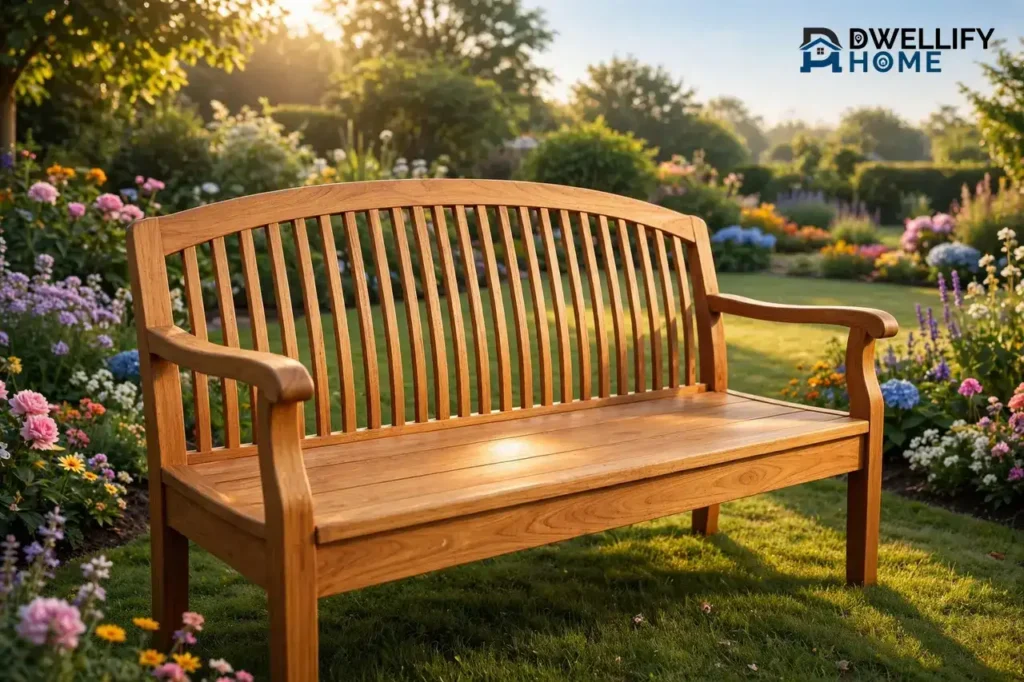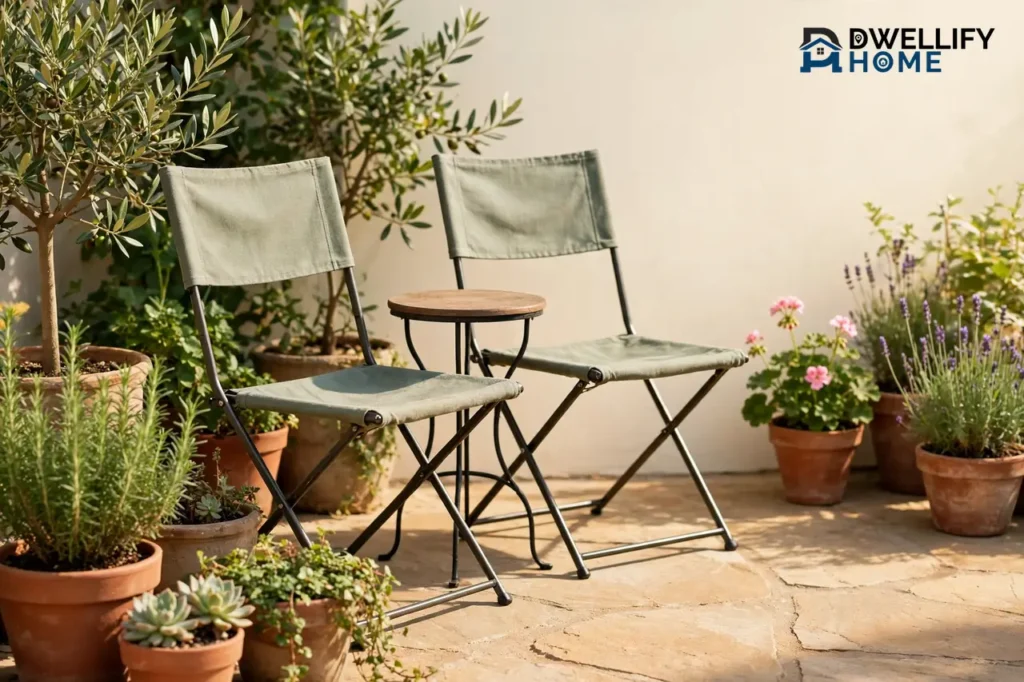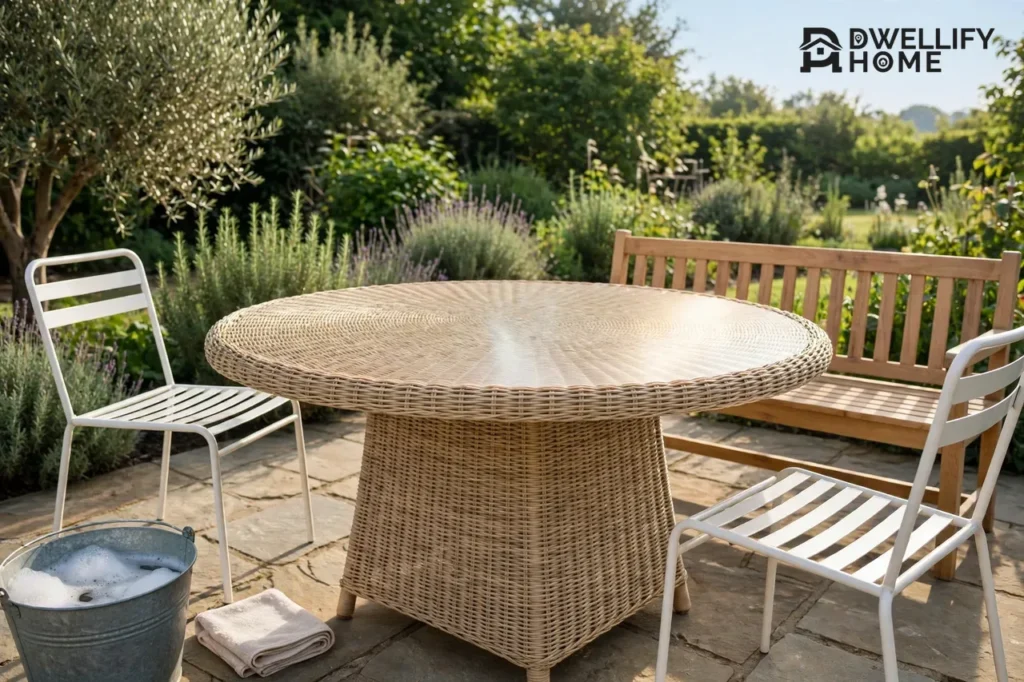
The best patio furniture cleaner for most outdoor furniture is a bucket of warm water with 1 tablespoon of dish soap and 1/4 cup of white vinegar, because that simple mix lifts pollen, dust, sap, and light mildew from plastic, metal, resin wicker, and fabric in about 20 minutes per piece, with no trip to the store. The catch is that one cleaner does not fit every material, and the wrong one can dull plastic, strip paint, or feed mildew. This guide matches the cleaner to the material, gives you three homemade recipes, and names the products to skip.
One mistake in the list below ruins more patio sets than a whole winter outside, and it has nothing to do with the cleaner you buy. It sits in the drying step, and most owners make it every single time they clean. Before that, you need the recipe right, because the right mix on the wrong material is still the wrong clean.
What Is the Best Patio Furniture Cleaner?
The best patio furniture cleaner is the one matched to your material, and for most pieces that is warm water with mild dish soap, with a little white vinegar added for grime. The Everyday Cheapskate cleaning guide gives the base recipe plainly: 1 gallon of warm water, 1 tablespoon of Dawn dish soap, and 1/4 cup of white vinegar, used with a soft cloth or sponge. That mix handles routine dirt on plastic, resin, metal, and synthetic wicker, and it costs pennies a bucket.
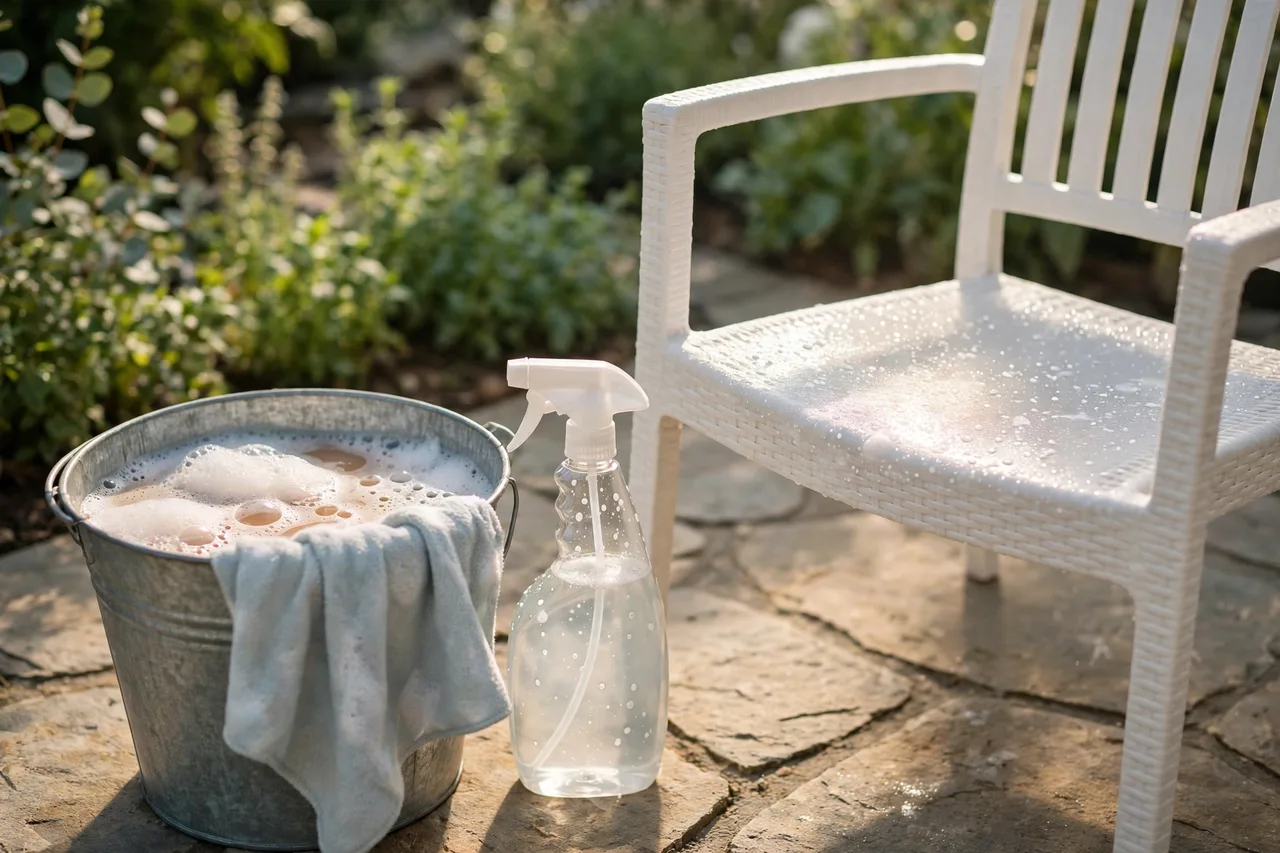
Start every clean the same way, whatever the material. Brush or hose off loose dirt first, because grit ground into a finish under a scrub brush scratches it. Then wash with the soap mix, rinse with a garden hose, and let the piece dry fully in the sun before cushions go back on. That dry-first order matters more than the recipe itself, and it is the step most people skip.
Skip the vinegar when you have a natural stone tabletop nearby, or when the furniture maker warns against acidic cleaners. When in doubt, plain dish soap and water works fine on its own. Vinegar is a helper, not a requirement, and a clean rinse matters more than any single ingredient.
For a store-bought option, the AL-NEW Outdoor Cleaner lists at $9.95 for a 32-ounce bottle and the AL-NEW Patio Cushion Cleaner at $15.95, both checked November 16, 2026, from the MyCleaningAngel cleaning guide. A bottle like that makes sense when you want one ready-made cleaner for frames and a separate one for cushions, instead of mixing your own.
The 3 Homemade Recipes That Actually Work
Three homemade patio furniture cleaner recipes cover almost every job, and each one uses things already in most kitchens. Pick by the stain, not by habit, and never stack them on top of each other without a full rinse between.
Recipe 1: The Everyday Wash
Mix 1 gallon of warm water, 1 tablespoon of mild dish soap, and 1/4 cup of white vinegar in a bucket. Use a soft cloth or sponge, wash one section at a time, and rinse with a garden hose. This is your routine clean for plastic, resin, metal, synthetic wicker, and outdoor fabric, and it takes about 20 minutes per piece.
Recipe 2: The Mildew Paste
Mix baking soda with a little water into a thick paste, dab it on the stain, wait 10 minutes, then scrub gently with a soft brush. The paste lifts set-in grime and mildew spots that the everyday wash leaves behind, and it is gentle enough for plastic and painted metal. Rinse well so no white residue dries on the surface.
Recipe 3: The Cushion Bleach Mix (Sunbrella Only)
Mix 1 cup of bleach with 1 gallon of warm water and 1 tablespoon of dish soap, but use it only on solution-dyed acrylic fabrics like Sunbrella. Bleach fades other fabrics, strips paint, and harms plants in the soil below, so check the care tag first. Never mix bleach with vinegar or any other cleaner, and rinse the fabric fully before you switch methods.
One safety rule governs all three recipes: never mix cleaning chemicals. Bleach plus vinegar or ammonia can make toxic gas. Use one method at a time, rinse completely, and let the piece air out before you try another. The Pro Housekeepers cleaning guide states the same warning plainly, and it is the most important line in this whole article.
Cleaner by Material: One Table, Every Surface
Every patio furniture cleaner choice starts with the material, because the cleaner that revives plastic can ruin teak, and the mix that saves wicker can strip iron. The table below is the whole decision in one place, and the sections after it give the steps for each material.
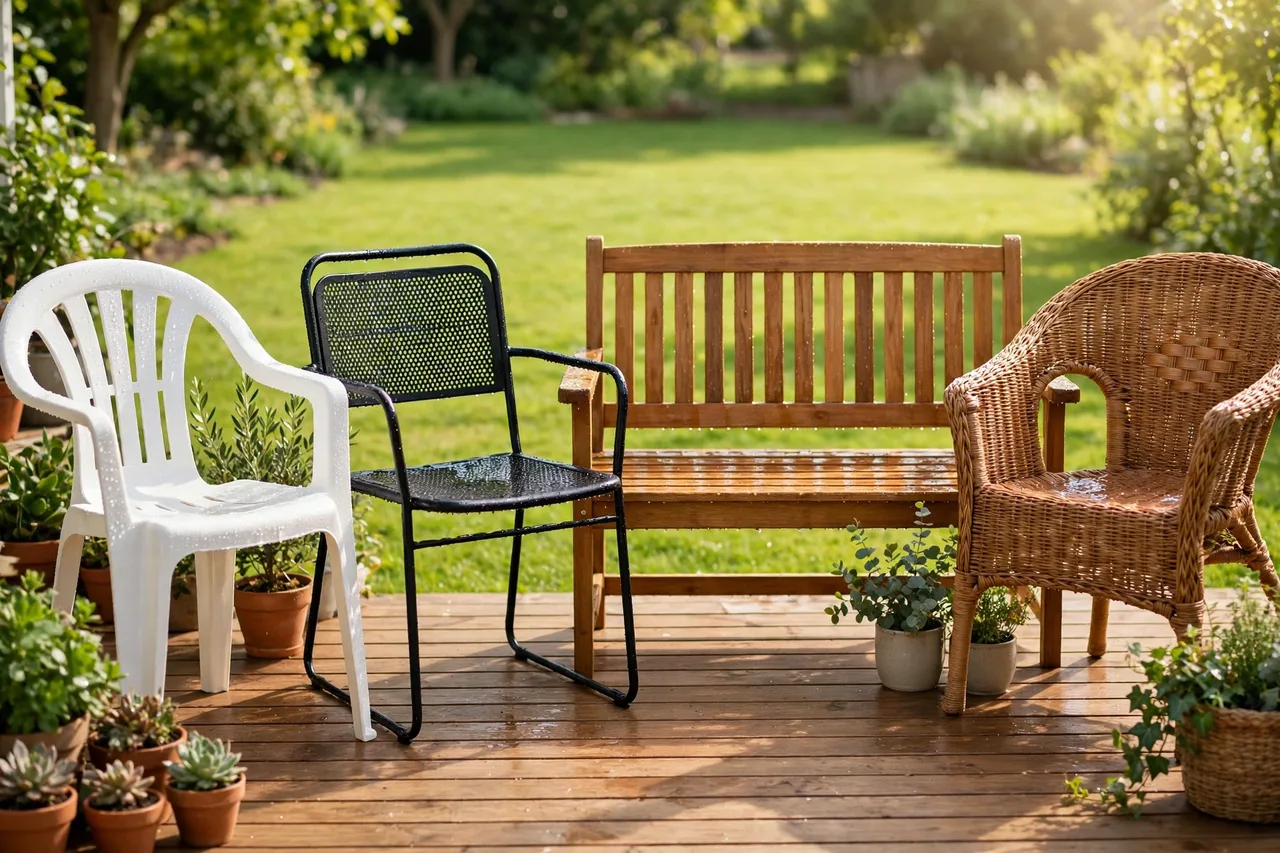
| Material | Best cleaner | Tool | Never use |
|---|---|---|---|
| Plastic and resin | Dish soap + water, vinegar for mold | Soft brush or cloth | Bleach on colored plastic |
| Metal (aluminum, steel) | Mild soap + water | Soft cloth | Steel wool, wire brush |
| Wrought iron | Soapy water + a little vinegar | Soft brush, toothbrush | Harsh abrasives on paint |
| Wood and teak | Mild soap, grain direction | Soft-bristle brush | Bleach, pressure washer |
| Natural wicker | A few drops of soap, damp cloth | Soft brush, toothbrush | Soaking, hosing hard |
| Synthetic wicker | Mild soap + cold water | Hose, soft brush | Harsh solvents |
| Cushions and fabric | Mild detergent, spot clean | Soft cloth or brush | Bleach unless tag allows |
Guess which material most owners clean wrong before you read the sections below, because the answer surprises people who have owned the same set for years. The material that looks toughest is the one that needs the gentlest hand.
Plastic and Resin: The Easiest Clean
Plastic patio furniture cleans up fastest of all. Hose off heavy dirt, scrub with warm water and white vinegar or the everyday soap mix, and rinse. For chalky, sun-faded plastic, rub a baking soda paste on with a damp cloth and it brings back a surprising amount of color. Skip bleach on colored plastic, because it fades the color unevenly.
Resin wicker follows the same method, with one extra tool: an old toothbrush in the weave. Work the soap mix into the grooves, rinse with a hose, and let the piece dry fully. Our guide to weather-resistant outdoor furniture explains why resin holds up so well outside, and why it still needs that rinse.
Metal: Gentle on the Finish, Tough on Rust
Metal furniture needs a soft hand, because the finish is the only thing standing between steel and rust. Wash aluminum and painted steel with mild soap and water and a soft cloth, rinse, and dry. Never use steel wool or a wire brush, because scratches invite rust on steel and iron and dull the finish on aluminum.
For wrought iron, scrub dirty spots with soapy water plus a little vinegar, firm but not aggressive on the paint, and use a toothbrush on ornate scrollwork. Check for rust while you clean: lift light rust with vinegar-and-water or fine sandpaper, then touch up the paint the same day. Our metal outdoor furniture guide shows how that one habit adds years to an iron set.
Wood and Teak: With the Grain, Never Against It
Wood is the material most owners damage while cleaning, because they scrub across the grain. Brush off dirt, wash with mild soap and a soft-bristle brush, and scrub along the grain, never across it. Rinse lightly and dry with a towel. Never hose wood down hard, because driven water invites mold and mildew into the grain.
Teak gets the same gentle treatment with one difference: use equal parts water and mild detergent, or a dedicated teak cleaner, and never oil it after cleaning, because oil traps moisture and feeds mold. A teak sealer, not teak oil, holds the honey-brown color if you want it. Our acacia wood furniture guide covers the same grain-first rule for the other popular outdoor hardwood.
Wicker and Rattan: Damp Cloth, Never a Soak
Natural wicker and rattan are the most fragile materials in this guide, and they punish a heavy hand. Brush or vacuum debris from the crevices first, then clean with a few drops of mild soap in a gallon of water, using only enough solution to dampen a soft cloth. Rinse with a light misty spray and dry immediately with a soft towel.
Synthetic or resin wicker is far tougher: hose it down, scrub with mild soap and cold water if it is filthy, and dry it fully. The difference matters, because soaking natural wicker weakens glue joints and splits the weave, while synthetic wicker shrugs off the same wash. If you are not sure which one you own, treat it as natural until you know. Our wicker outdoor furniture guide shows how to tell them apart, and our rattan guide in this series covers the PE rattan weave in full.
How to Clean Outdoor Furniture Cushions
Cushions are where most patio cleaning jobs fail, because the cover looks clean while the foam inside is still damp and growing mildew. Treat the cover and the foam as two separate problems, and dry both fully before the cushion goes back outside.
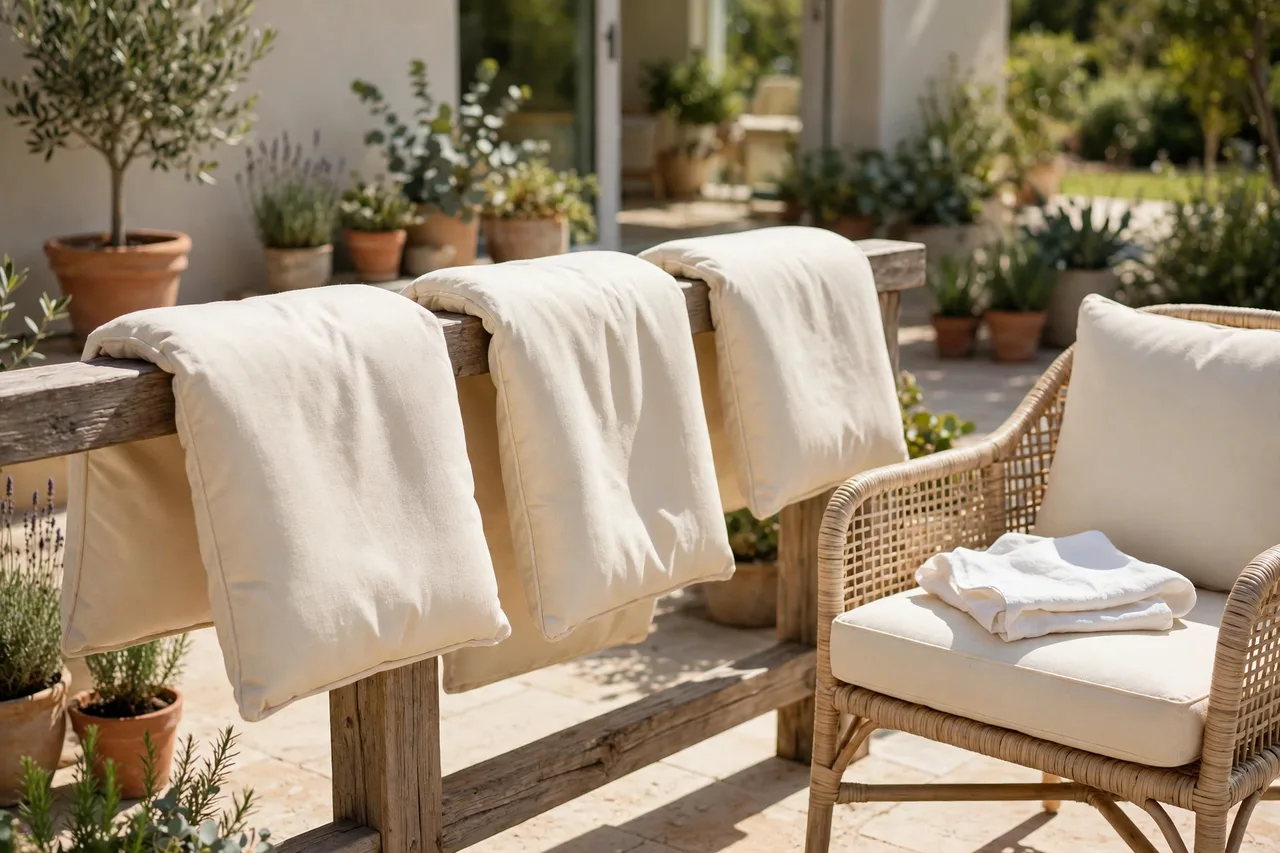
Start with the care tag, because it settles the whole question. Removable covers that allow machine washing go in on a gentle cycle and air-dry. Covers that do not allow it get spot-cleaned with 1/4 cup of mild detergent per gallon of water, blotted with a clean cloth, and left to dry in the sun. Never put a damp cushion back on a chair or into storage, because trapped moisture is what grows mildew in a week.
For mildew on solution-dyed acrylic like Sunbrella, the bleach mix from the recipe section works: 1 cup of bleach per gallon of warm water with a tablespoon of dish soap, used alone, rinsed fully, and only after you have rinsed off any vinegar cleaner first. For every other fabric, stick to mild detergent and sunlight, because bleach fades dye and damages the water-resistant finish.
Our guide to replacement cushions for patio furniture shows how to measure and pick new ones when cleaning no longer saves the old set, and our outdoor bench with storage guide gives you a dry place to keep cushions between uses. A cushion stored dry lasts years longer than one left out in the rain.
Mold and Mildew: The 30-Minute Fix
Mold and mildew are the single most common reason a patio set looks older than it is, and they are almost always a moisture problem rather than a dirt problem. The fix takes about 30 minutes per piece, and the drying step matters more than the cleaner.
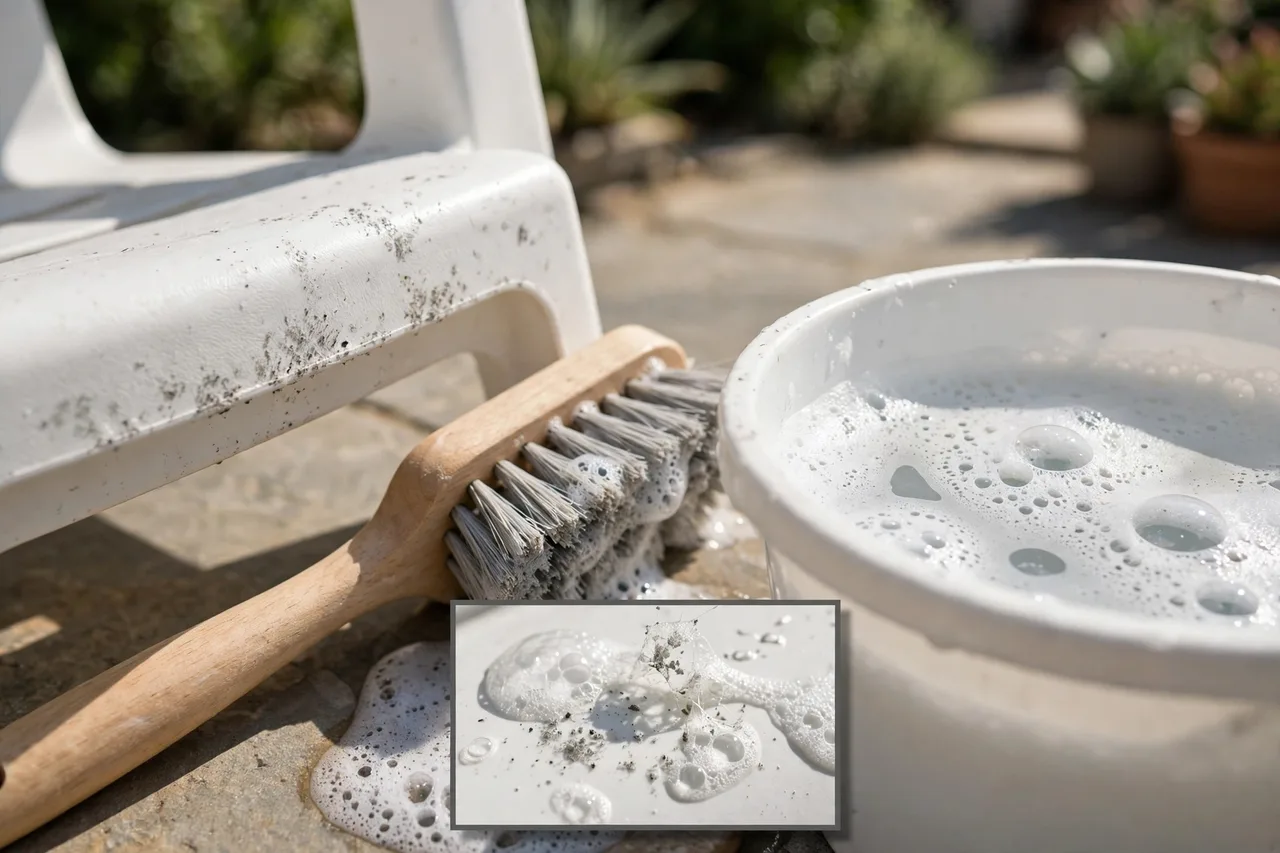
Move the piece into open air and full sun first, because sun and airflow kill more mildew than any spray. Brush off the loose growth with a dry soft-bristle brush before adding water, so you are not spreading spores into a paste. Then wash with the mild soap solution suited to the material, using the method from the section above.
For stubborn spots, spray equal parts vinegar and water, wait about 30 minutes, then rinse and let the piece dry completely, including the underside and any joints or seams. Then fix the cause: check that the piece is not sitting in a low spot where water pools, and that it was fully dry the last time you covered it. A cover over a damp cushion is a greenhouse, and it grows more mildew in a week than an uncovered piece grows in a season.
Here is the problem with cleaning mildew and stopping there. If the piece goes back into the same damp spot, the mildew comes back in weeks. The real fix is airflow and dry storage, and the next section covers the cleaners that make the problem worse instead of better.
What Never to Use on Patio Furniture
Some cleaners damage patio furniture faster than a winter outside, and the worst ones are sitting in most garages right now. Skip them all, and your set will outlast the neighbors’ by years.
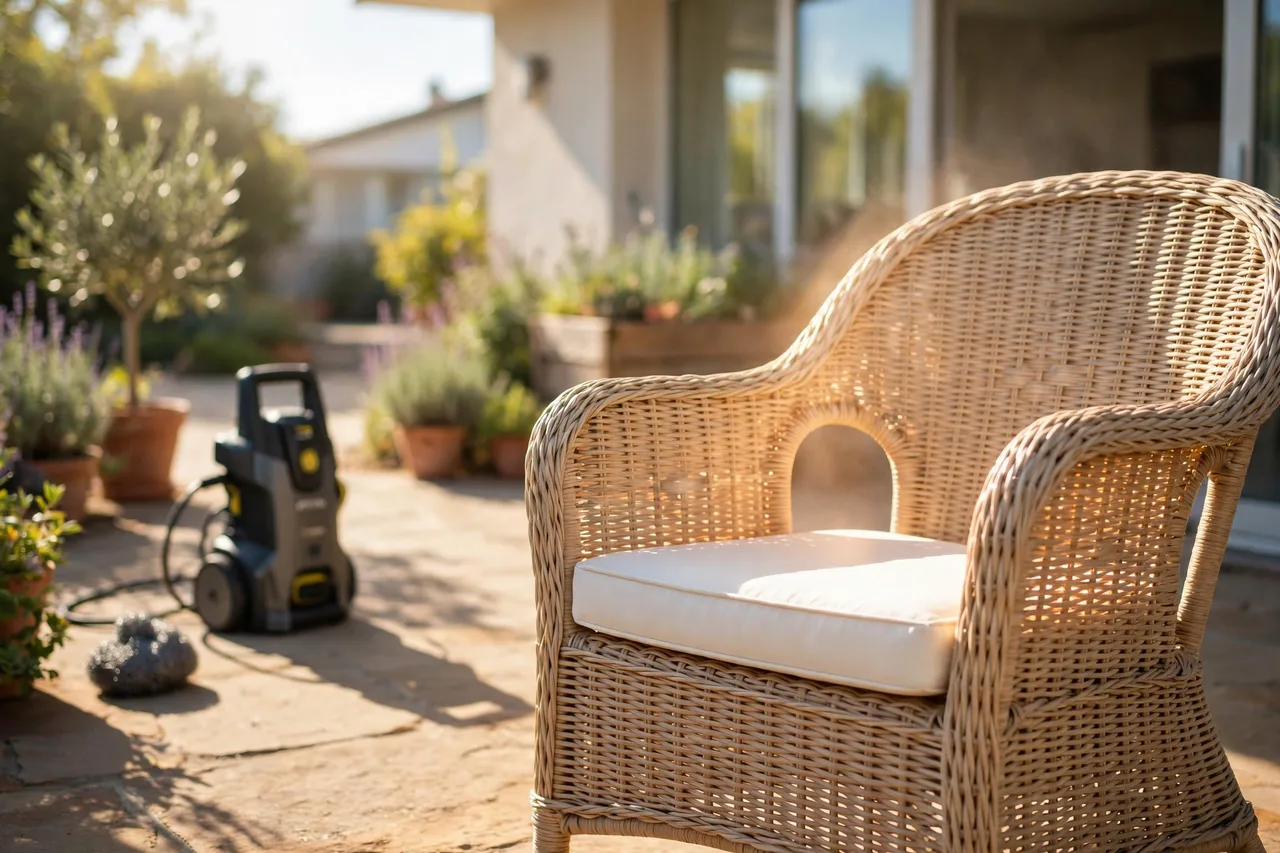
Skip bleach on anything except bleach-safe Sunbrella-type fabric, because it fades cushion dye, strips paint from metal, and drains into soil where it harms plants. Skip a pressure washer on most furniture, because it strips paint, forces water into joints, and shreds fabric. The MyCleaningAngel guide notes that in Lowe’s 2026 pressure washer guide, light-duty machines up to 1,899 PSI with a 40-degree nozzle are the safer starting point, and even then only on sturdy surfaces, kept well back. For most pieces, a garden hose does the safest work.
Skip abrasive pads, steel wool, and wire brushes on every material, because scratches are where rust, mildew, and fading start. Skip harsh solvents and acidic bathroom or glass cleaners on natural stone tops, because acid eats the surface. Skip vinegar on natural stone for the same reason. And skip any cleaner the furniture maker warns against, because the warranty often depends on it.
One more thing to skip: the habit of cleaning on a hot sunny day and letting soap dry on the surface. Clean on a cloudy day or in the shade, and rinse before the soap dries, because dried soap leaves a film that attracts dust and dulls the finish. That one timing change makes the same cleaner work twice as well.
Best Store-Bought Patio Furniture Cleaners
Homemade mixes handle most jobs, but a store-bought patio furniture cleaner earns its place when mildew is deep, the set is large, or you want one bottle that does the measuring for you. Prices checked November 16, 2026.
AL-NEW Outdoor Cleaner at $9.95 for 32 ounces covers frames, and AL-NEW Patio Cushion Cleaner at $15.95 covers cushion fabric, from the MyCleaningAngel guide. An oxygen-powered outdoor cleaner, about half a cup per gallon of warm water with a dual-sided sponge and brush, lifts mold, mildew, pollen, and bird droppings from wood, plastic, vinyl, wicker, and canvas without bleach, according to the FamilyGoody eco-friendly cleaning guide, with a 5 to 10 minute dwell time before rinsing.
Simple Green and Dawn Powerwash also work for routine washing on most plastic, resin, aluminum, and outdoor fabric surfaces, but always spot-test outdoor fabric first. Whichever bottle you buy, read the label for the materials it names, because a cleaner made for decks can be too harsh for cushions, and a cleaner made for fabric can be too weak for mildew on frames. Buy the cleaner for the job you actually have.
What Most People Get Wrong About Cleaning Patio Furniture
Most people get one thing wrong about cleaning patio furniture: they believe a stronger cleaner means a cleaner set. It does not. A stronger cleaner usually means a damaged finish, faded fabric, or a mildew problem that comes back faster, because the finish that protected the piece is gone.
The second wrong belief is that a pressure washer is a shortcut. It is a shortcut to a repaint, because it blasts coating off joints, drives water into hollow frames, and shreds fabric at close range. A garden hose, a soft brush, and 20 minutes a piece beat a pressure washer on every material except bare concrete.
The third wrong belief is that drying does not matter. It matters most of all. A piece put away damp grows mildew under its cover, a cushion stored damp goes musty in days, and a frame stacked wet rusts at the joints. Dry everything fully before stacking or storing, and the clean you just did lasts all season. That drying step is the mistake from the intro, and now you know where it hides.
Related Guides
If your set is clean and you want it to stay that way, these guides answer the next questions most owners ask. Start with our outdoor covers for furniture guide to pick a vented cover that keeps rain off without trapping moisture, then read our how to store outdoor furniture guide for the full winter routine. For the frame itself, our metal outdoor furniture guide covers rust care, and our weather-resistant outdoor furniture guide compares the materials that stay clean longest. For small spaces, our outdoor furniture for small spaces guide shows layouts that keep a set aired out instead of crowded and damp.
Frequently Asked Questions
What’s the best homemade cleaner for most outdoor furniture?
Warm water with mild dish soap and a little white vinegar. Mix 1 gallon of warm water, 1 tablespoon of dish soap, and 1/4 cup of white vinegar, wash with a soft cloth, and rinse with a hose. Use one approach at a time and never stack chemicals without a full rinse between them.
Oil or varnish for wooden furniture?
Both protect wood. Oil is quicker and cheaper to apply, while varnish lasts longer between coats. Choose based on how much maintenance you want to do. For teak, use a sealer instead of oil, because oil traps moisture and feeds mold in the grain.
Can I pressure wash cushions?
Sometimes, on a moderate setting and from a safe distance. High pressure can drive water into foam and damage stitching, so a garden hose and a soft brush are safer for most cushions. Never pressure wash natural wicker, old paint, or any cushion you cannot dry fully afterward.
When should I paint instead of deep clean?
When frames are solid but tired-looking. A fresh coat of outdoor paint revives a sound frame in an afternoon. Heavy rust or rot means replace the piece, because paint over a failing frame only hides the problem for one season.
How do I keep the set looking good all season?
Use covers between uses, wipe spills promptly, and clean thoroughly before winter storage. Give everything a light cleaning at least once a month, even if it does not look dirty, and dry every piece fully before it goes under a cover or into storage.
Clean your patio set this weekend, starting with the dirtiest chair and the everyday soap mix, and finish by letting every piece dry fully in the sun before the cushions go back on. Twenty minutes a piece, one bucket, and a dry finish are all it takes to make a set look new again and stay that way all season.
Note: This guide gives general cleaning advice for outdoor furniture. Check the maker’s care label before using any cleaner, never mix bleach with vinegar or ammonia, and keep cleaning products away from children and pets.