The best driveway alarm for most homes in 2026 is the HTZSafe solar driveway alarm kit. Bob Vila tested five leading alarms for a week in October 2026 and named the HTZSafe its top pick, scoring it 4.4 out of 5 for reliable detection, long range, and 35 alert sounds. The two-sensor solar kit costs $52.99, as listed by PicksLab on 1 November 2026.
A driveway alarm is a simple pair of devices: a motion sensor outside and a chime box inside. When a car or person passes the sensor, the receiver lights up and plays a sound, so you know someone is coming before they reach your door. This guide compares the five best driveway alarms for 2026, with dated prices, real specs, and the trade-offs that matter.
The Short Answer: Which Driveway Alarm Should You Buy?
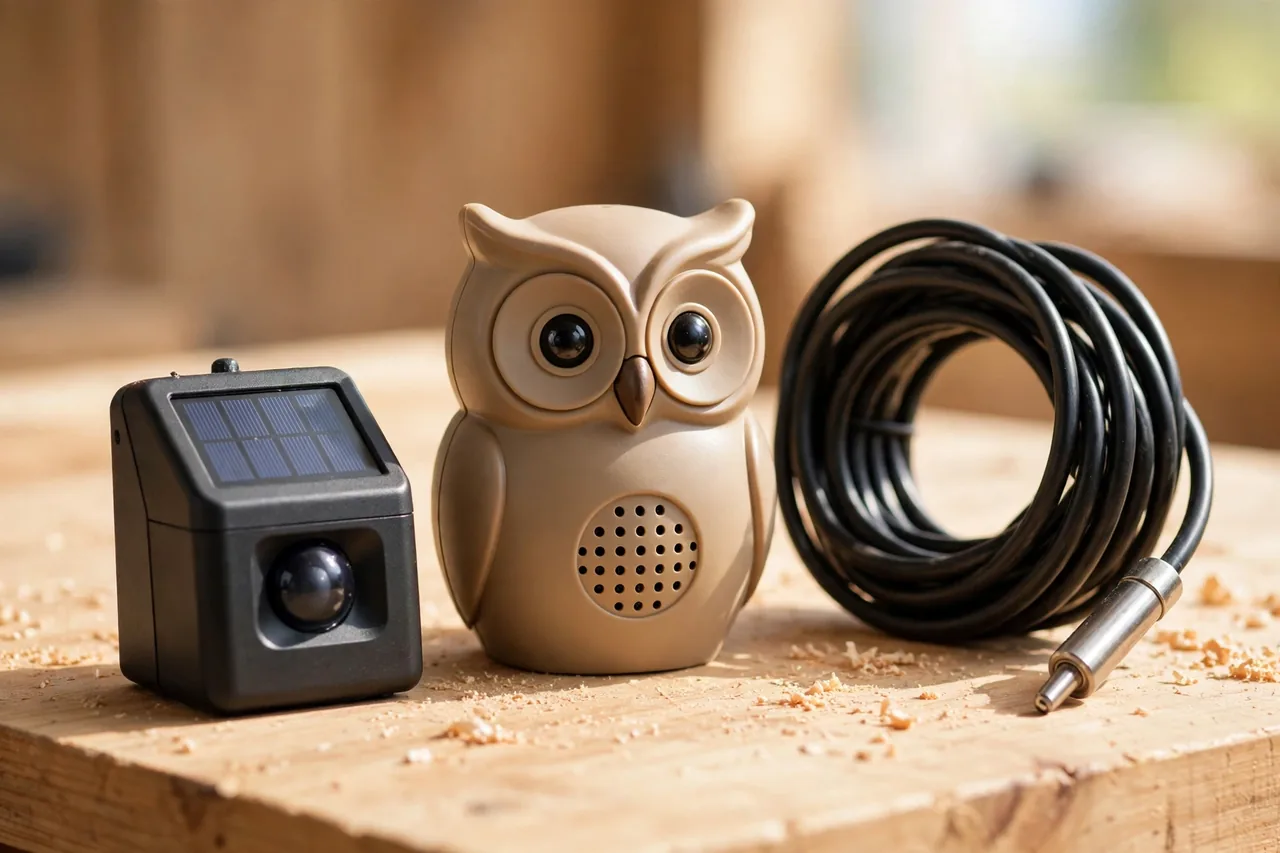
Buy the HTZSafe solar kit if you want the best all-round driveway alarm. Its solar sensors never need battery changes, it covers two approaches, and Bob Vila’s tester called it accurate with one of the longest ranges they tested.
Buy the Dakota Alert DCMA-4000 if you want to hear about people as well as cars on a long driveway. Buy the YoLink SpeakerHub kit if you want phone alerts and spoken announcements. Buy the Mighty Mule FM231 if false alarms drive you mad and you only care about vehicles. Buy the Dakota Alert DCPA-4K Plus if you have a very long rural driveway and want a buried probe that only vehicles can trigger. The table below makes the choice fast.
Best Driveway Alarms at a Glance
Caption: Best driveway alarms compared — prices as listed 1 November 2026.
| Alarm | Detection | Range | Price | Best For |
|---|---|---|---|---|
| HTZSafe 807A solar kit | PIR motion | Up to 1/2 mile | $52.99 | Most homes |
| Dakota Alert DCMA-4000 | PIR motion | Up to 1 mile claimed | $69.99 | Long driveways |
| YoLink SpeakerHub kit | PIR motion | Up to 1/4 mile | $89.99 | Phone alerts |
| Mighty Mule FM231 | Magnetic probe | Up to 400 ft | $72.37 | Vehicles only |
| Dakota Alert DCPA-4K Plus | Magnetic probe | Up to 1/2 mile | $259.99 | Rural properties |
Prices change with sales, so check the live price before you buy. The prices above are the observed US offers listed by PicksLab, checked 1 November 2026, without coupons or Prime-only discounts.
How We Picked These Driveway Alarms
A good driveway alarm has to do three jobs at once. It must spot a car or person every time, reach the receiver inside your house, and stay quiet when nothing is there. We judged every pick on detection reliability, transmission range, false-alarm control, power source, and expandability.
Detection comes first. A sensor that misses cars is useless, and one that cries wolf gets unplugged within a week. Look for adjustable sensitivity and at least three detection settings, so you can tune out animals and passing traffic. Range comes second. Most sensors claim 500 feet to half a mile, but walls, trees, and hills cut that number down fast, so real-world range matters more than the box claim.
Power decides your chores. Solar sensors charge themselves, battery sensors need new batteries, and plug-in receivers need an outlet. Smart features decide how the alarm fits your life: a plain chime works fine, but phone alerts help when you are away from home.
1. HTZSafe 807A Solar Kit — Best Overall
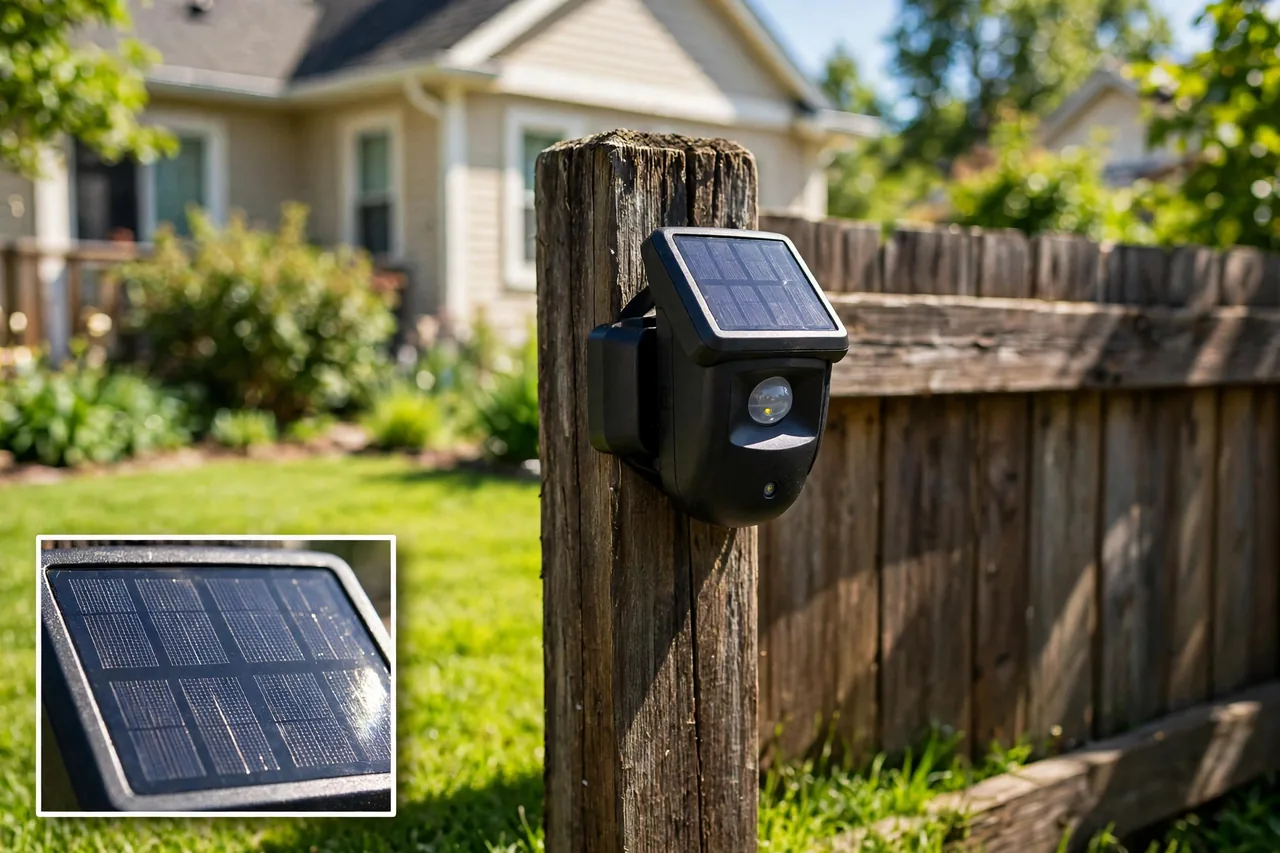
The HTZSafe 807A with two T504 solar sensors is the best driveway alarm for most homes because it covers two approaches for about $53 and never asks you to change a battery. Bob Vila tested it for a week and named it the best of the five alarms they tried, praising its accurate detection, long range, and 35 sound options.
Caption: HTZSafe 807A solar driveway alarm kit key specs.
| Spec | Detail |
|---|---|
| Price | $52.99 for receiver plus two solar sensors, listed 1 November 2026 |
| Detection | PIR motion, 25/50/70 ft sensitivity settings |
| Range | Up to 1/2 mile sensor to receiver |
| Power | Solar sensors with rechargeable battery; plug-in receiver with backup battery |
| Expandability | Up to 32 sensors, each with its own sound |
| Alerts | 35 sounds, including spoken location names |
Bob Vila’s tester found the HTZSafe worked reliably up to about a quarter mile away, even with houses and hills in the way, and its three sensitivity settings helped cut false alarms from animals and passing traffic. The receiver supports up to 32 sensors, and you can give each sensor its own sound, so you can tell which part of the property triggered the alert. Read the Bob Vila test of the best driveway alarms for the full week-long results.
Owners like the same things the testers did: the solar charging, the long range, and the fun owl-shaped design with eyes that light up when the alarm sounds. The common complaint is the one every PIR alarm shares — animals and wind-blown branches can still set it off on the highest sensitivity. Read the PicksLab price and owner comparison before you decide.
Pick the HTZSafe kit if you want the best value and two approaches covered. Skip it if you need phone alerts, because this kit only chimes indoors.
2. Dakota Alert DCMA-4000 — Best for Long Driveways
The Dakota Alert DCMA-4000 is the best driveway alarm for a long driveway because it pairs a sensitive PIR sensor with one of the longest radio links in this guide. It alerts you to people and vehicles alike, which is what most homeowners actually want to know.
Caption: Dakota Alert DCMA-4000 key specs.
| Spec | Detail |
|---|---|
| Price | $69.99, listed 1 November 2026 |
| Detection | PIR motion, people and vehicles |
| Range | Long radio link, claimed up to 1 mile in open air |
| Power | Battery sensor; plug-in receiver |
| Alerts | Local chime receiver |
The DCMA-4000 is the sensible starting point when you want to know about both a car arriving and someone walking toward the house, and its long radio link holds up better than most through trees and outbuildings. Headline range figures assume open ground, so expect less through brick walls and metal siding, but this kit keeps its signal further than budget rivals. See the PicksLab comparison of long-range driveway alarms for the full price table.
Pick the DCMA-4000 if your driveway is long and you want people alerts too. Skip it if you want phone notifications, because this kit has no app.
3. YoLink SpeakerHub Kit — Best for Phone Alerts
The YoLink SpeakerHub kit is the best driveway alarm for people who want alerts on their phone. It is the only pick here with a mobile app, and its LoRa wireless technology reaches a quarter mile while its sensors run for two years or more on a charge.
Caption: YoLink SpeakerHub driveway alert kit key specs.
| Spec | Detail |
|---|---|
| Price | $89.99 for two outdoor sensors plus SpeakerHub, listed 1 November 2026 |
| Detection | PIR motion, 20 ft detection range |
| Range | Up to 1/4 mile via LoRa |
| Power | Rechargeable battery sensors |
| Alerts | Spoken announcements, push notifications, email, SMS |
| Works with | Alexa, Google Assistant |
Bob Vila rated the YoLink sensor 4.3 out of 5 and highlighted its phone alerts and long battery life. The SpeakerHub speaks the alert out loud, so everyone in the house hears which sensor fired, and the app sends a push notification when you are away. The catch is setup: it needs a hub, internet for remote alerts, and protected sensor placement. Read the Bob Vila driveway alarm test for how it scored against the simpler chime kits.
Pick the YoLink kit if you want your phone to tell you someone is coming. Skip it if you want the simplest possible setup, because a plain chime kit needs no hub or app.
4. Mighty Mule FM231 — Best Vehicle-Only Alarm on a Budget
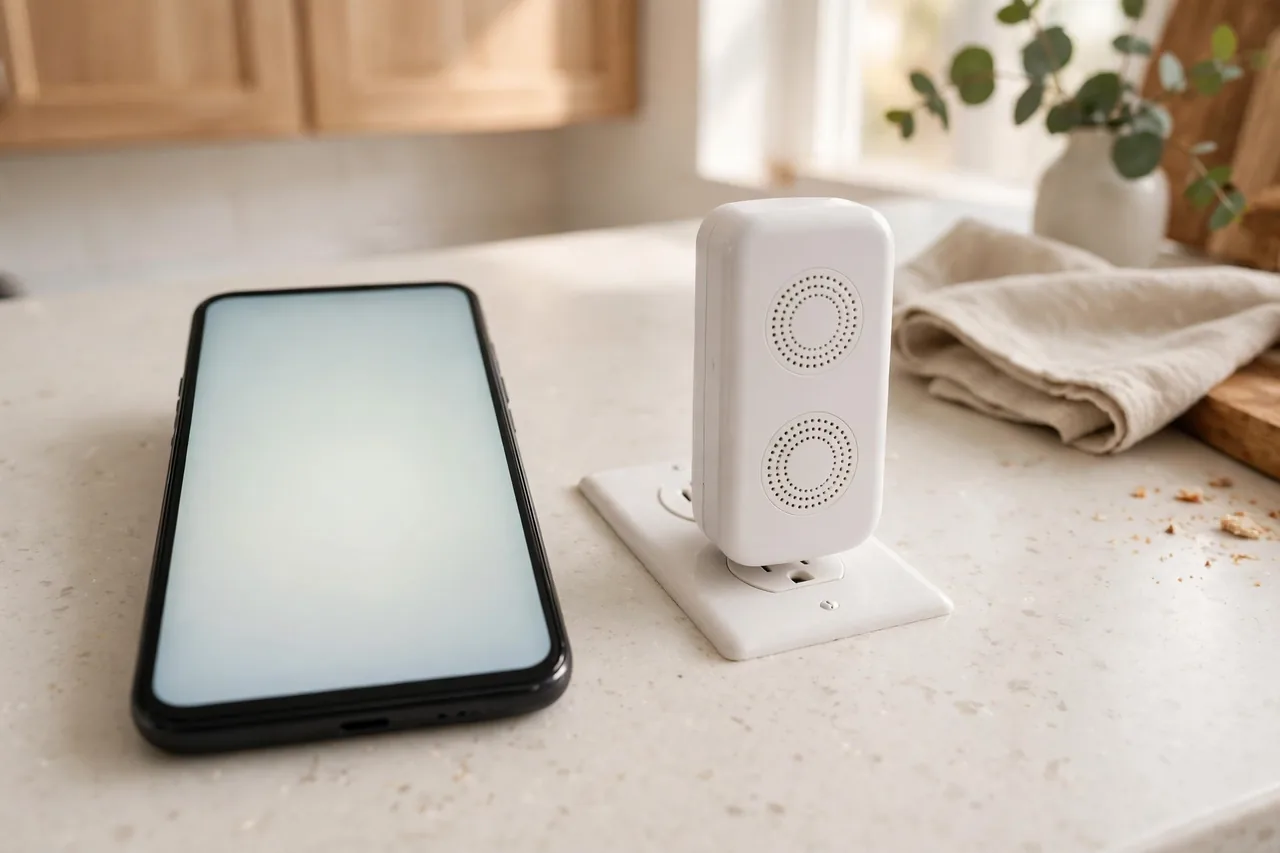
The Mighty Mule FM231 is the best driveway alarm for homes plagued by false alerts because its buried magnetic probe sees only metal. Cars and trucks trigger it, while wildlife, weather, and pedestrians do not.
Caption: Mighty Mule FM231 key specs.
| Spec | Detail |
|---|---|
| Price | $72.37, listed 1 November 2026 |
| Detection | Buried magnetic probe, vehicles only |
| Range | Up to 400 ft sensor to receiver |
| Power | Battery transmitter; plug-in receiver |
| Alerts | Local chime receiver |
A magnetic probe is a different tool from a motion sensor: it sits buried beside the driveway and senses the metal of a passing vehicle, so a swaying branch or a deer can never set it off. The trade-off is real — walking visitors will not register, and the 400-foot radio link is shorter than the PIR kits above. For a home where every false alarm erodes trust in the system, that trade is worth it.
Pick the FM231 if you only care about vehicles and hate false alarms. Skip it if you want to know about people on foot, because the probe cannot see them.
5. Dakota Alert DCPA-4K Plus — Best for Rural Properties
The Dakota Alert DCPA-4K Plus is the best driveway alarm for a rural property because it combines a buried vehicle-only probe with a long radio link and relay outputs. It costs $259.99, which is far more than the other picks, but it is the only one built for a half-mile driveway with no neighbors in sight.
Caption: Dakota Alert DCPA-4K Plus key specs.
| Spec | Detail |
|---|---|
| Price | $259.99 with 50 ft probe cable, listed 1 November 2026 |
| Detection | Buried magnetic probe, vehicles only |
| Range | Up to 1/2 mile claimed |
| Power | Buried probe with transmitter; plug-in receiver |
| Alerts | Local chime plus relay outputs for other devices |
The DCPA-4K Plus costs about $187 more than the Mighty Mule probe kit, and you pay that for the longer radio reach and the relay outputs that can trigger lights or a gate opener. Installation takes more work because you bury the probe beside the driveway, but once it is in, it ignores animals, wind, and weather completely. See the PicksLab long-range comparison for the side-by-side price gap.
Pick the DCPA-4K Plus if your driveway is very long and you only want vehicle alerts. Skip it if your driveway is short, because the cheaper Mighty Mule probe does the same job.
How to Choose a Driveway Alarm
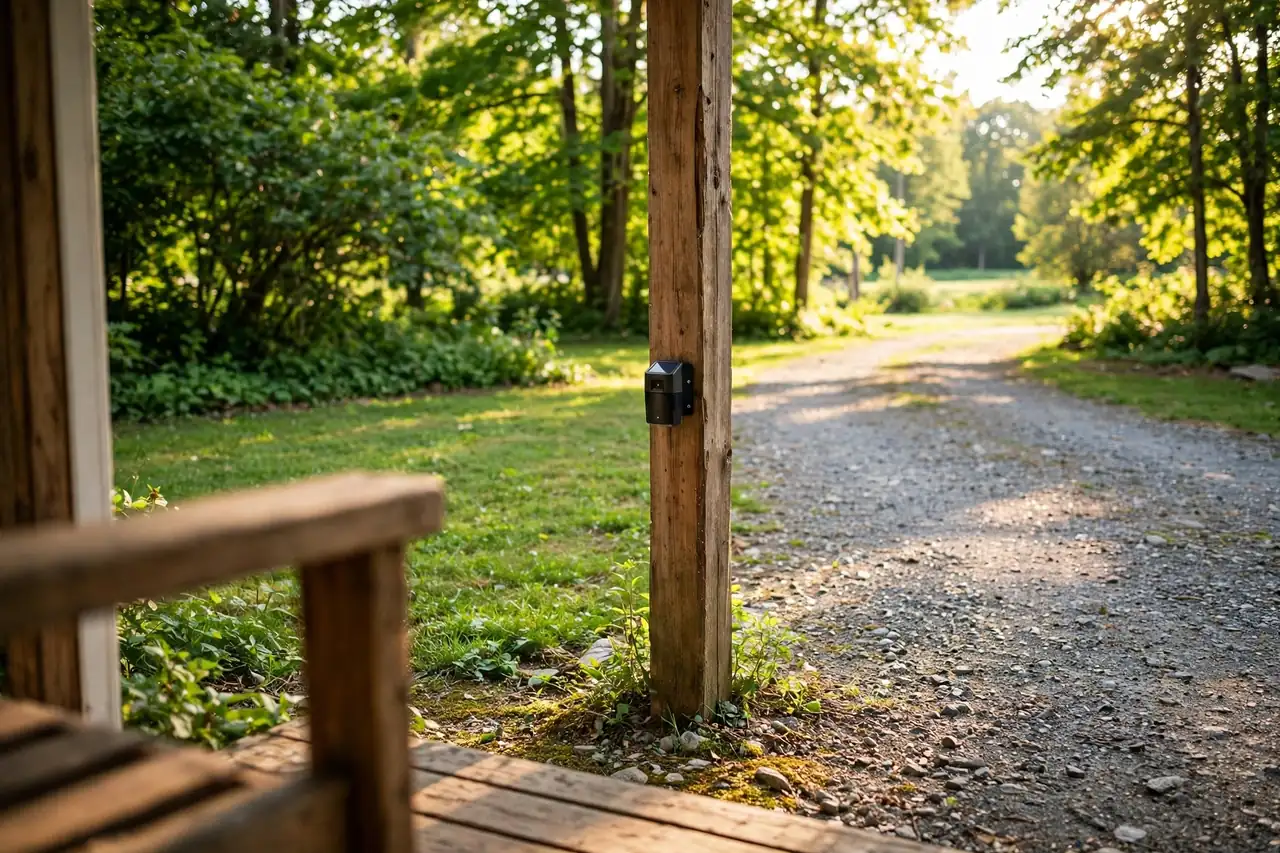
Start with what you want to detect. If you want to know about every person and car, buy a PIR motion sensor kit. If you only care about vehicles and hate false alarms, buy a magnetic probe kit. The two types solve different problems, and most bad purchases come from picking the wrong type.
PIR, Active Infrared, or Magnetic Probe?
PIR sensors watch for heat movement and catch people, animals, and cars, which makes them the most useful for most homes. Active infrared beams watch one narrow line across the driveway and miss anyone who walks around the beam. Magnetic probes catch only vehicles, so they never false-alarm on animals or weather. Guess which type fits your property before you buy: a busy street needs a probe or tight sensitivity, while a quiet rural lane suits a PIR sensor fine.
How Much Range Do You Really Need?
Measure the distance from your sensor spot to the receiver inside your house, then add 50 percent for walls, trees, and hills. Most homes need 500 to 1,000 feet of claimed range to cover a real 200-foot driveway, because headline figures assume open ground. If your driveway is longer than a quarter mile, only the long-range kits above will hold a signal.
Do You Need Phone Alerts?
A plain chime works when you are home, and most people are home when a visitor arrives. Phone alerts matter when you want to know about deliveries or visitors while you are out, or when the receiver sits too far from where you spend your evenings. Only the YoLink kit here offers them, so do not pay extra for smart features you will not use.
Where to Install a Driveway Alarm
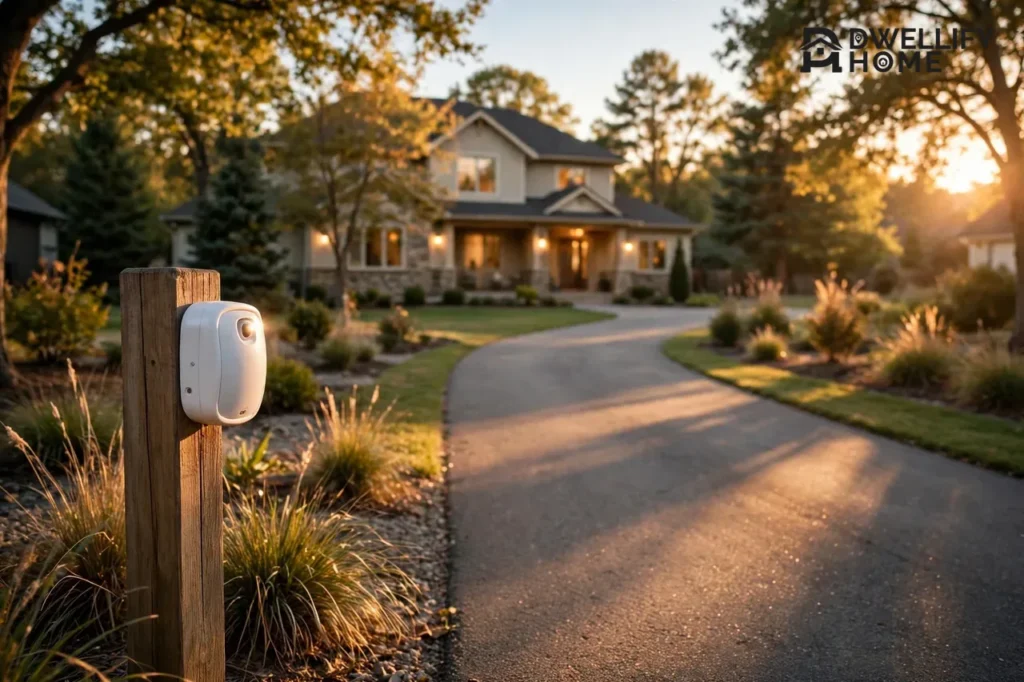
Mount the sensor 3 to 4 feet high on a sturdy post or tree beside the driveway. That height catches cars and people while missing most small animals. Put the sensor at least 25 feet back from the road so passing traffic does not set it off, and test the radio link before you screw anything down.
Point the sensor across the driveway, not down its length, so a car crosses the detection zone quickly and cleanly. Aim it away from the sun, because direct sunlight on the lens is the most common cause of false alarms. Hide the sensor in landscaping if you can, so a visitor cannot spot it and avoid it. A driveway security camera pairs well with an alarm: the alarm tells you someone is coming, and the camera shows you who it is.
Place the receiver where you will hear it — near the kitchen or living room, not in a spare bedroom. If your house is large, check whether the kit supports extra receivers before you buy, because one chime box may not reach every room.
What Most People Get Wrong About Driveway Alarms
Most people buy for the headline range and ignore the detection type, then wonder why the alarm fires at every squirrel. Range is the least important number on the box. The detection type and the sensitivity setting decide whether you trust the alarm or unplug it.
The second mistake is mounting the sensor too low or too close to the road. A sensor at knee height sees every dog and cat, and a sensor near the road sees every passing car. Both mistakes are fixed in ten minutes with a new mounting spot and a lower sensitivity setting. Our guide to PIR motion sensor sensitivity explains how to tune the sensor so it catches cars and ignores the rest.
The third mistake is expecting a driveway alarm to replace a camera or a lock. An alarm tells you someone arrived. It does not show their face, and it does not stop them. Pair it with a front porch camera at the door and a garage security camera at the back, and you have a real early-warning system instead of a noisemaker.
Driveway Alarm Mistakes to Avoid
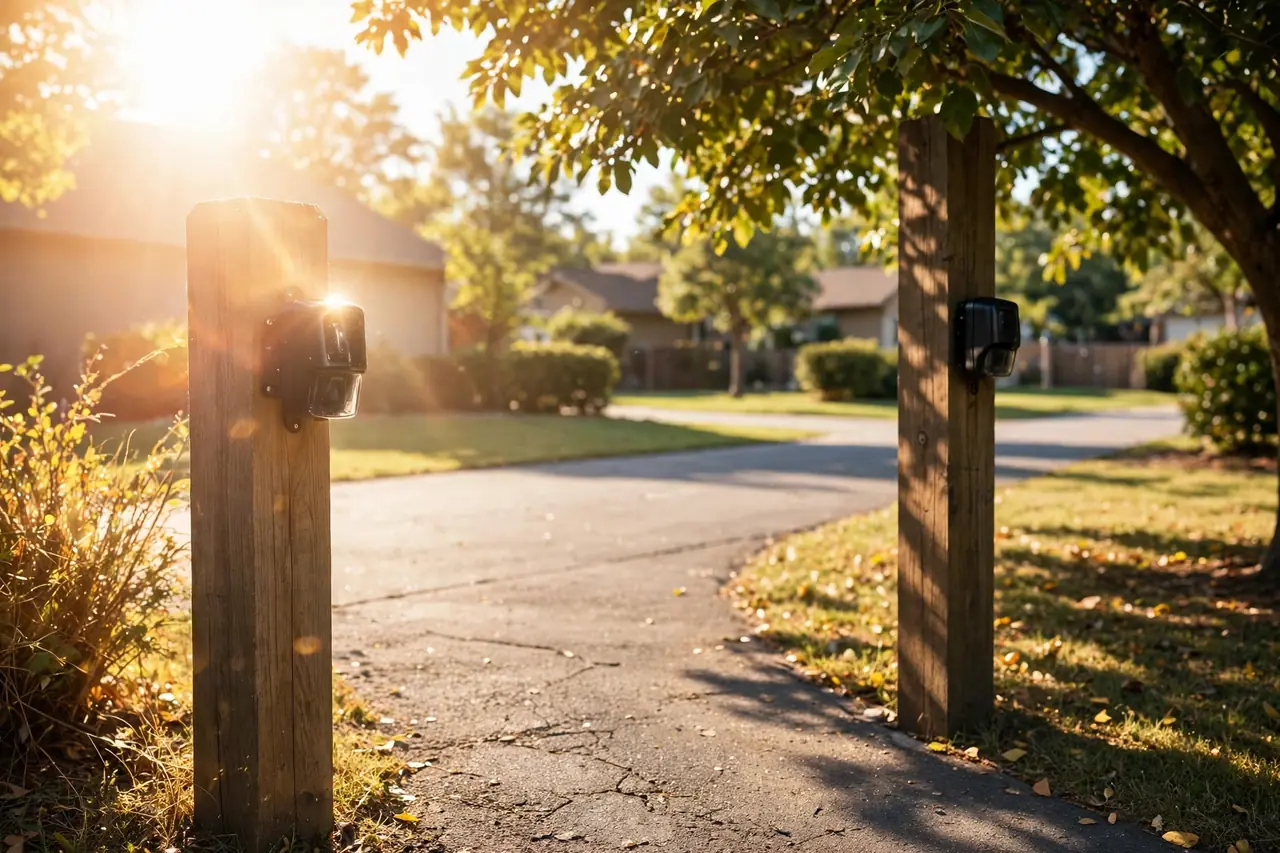
Do not mount the sensor where the sun hits it directly at dawn or dusk, because the heat shift reads as movement. Do not point it at a busy road, a swaying tree, or a heating vent. Do not skip the battery check: low voltage makes sensors trigger randomly, and a fresh battery fixes more “broken” alarms than any setting change.
Do not buy a kit you cannot expand if you have more than one approach to cover. A receiver that supports extra sensors costs little more now and saves you buying a second system later. And do not forget winter: snow glare and cold snaps change how PIR sensors behave, so re-check your sensitivity setting when the seasons turn. Battery-powered cameras have the same cold-weather limits, as our battery operated security camera guide explains, and our wireless outdoor security camera guide covers Wi-Fi range at the far end of a long driveway.
Related Guides
If you are building a full early-warning setup, start with a driveway security camera to see who the alarm heard, then read our best home security systems with cameras guide to compare full systems. A camera and an alarm together beat either one alone.
Frequently Asked Questions
What is the top rated driveway alarm?
The HTZSafe solar driveway alarm kit is the top-rated pick after Bob Vila’s week-long test in October 2026, scoring 4.4 out of 5. The two-sensor solar kit costs $52.99 as listed 1 November 2026, with 35 alert sounds and up to 32 sensors per receiver.
Are driveway alarms worth it?
Yes, if you have a long driveway, live in a rural area, or want to know about visitors before they reach your door. They cost far less than a camera system, install in under an hour, and work well as an early warning. They do not replace a camera or a lock.
What is a wireless driveway alarm for home security?
A wireless driveway alarm pairs a battery or solar-powered motion or magnetic sensor outside with a plug-in chime box inside, using radio signals. When a vehicle, person, or animal enters the detection zone, the indoor receiver lights up and plays a sound.
Why does my driveway alarm keep going off when no cars are there?
False triggers usually come from direct sunlight on the sensor lens, swaying branches, small animals, or low battery voltage. Lower the sensitivity setting, move the sensor out of direct sun, mount it 3 to 4 feet high, and replace the batteries first.
How do I install a motion sensor driveway alarm on a long gravel driveway?
Mount the sensor 3 to 4 feet high on a sturdy post or tree beside the lane, at least 25 feet back from the road. Test the radio link to the indoor receiver before you fix the mount, then tune the sensitivity down until passing traffic stops triggering it.
What does a magnetic probe driveway alarm detect?
A magnetic probe detects moving metal, so it alerts you to cars, trucks, motorcycles, and ATVs passing the buried probe. It ignores people, animals, and weather, which makes it the best choice when false alarms are your main problem.
Start with the HTZSafe solar kit if you want the best value, or the Dakota Alert DCMA-4000 if your driveway is long. Mount the sensor 3 to 4 feet high, keep it 25 feet from the road, and test the signal before you drill. Then add a driveway security camera so you can see who the alarm heard.