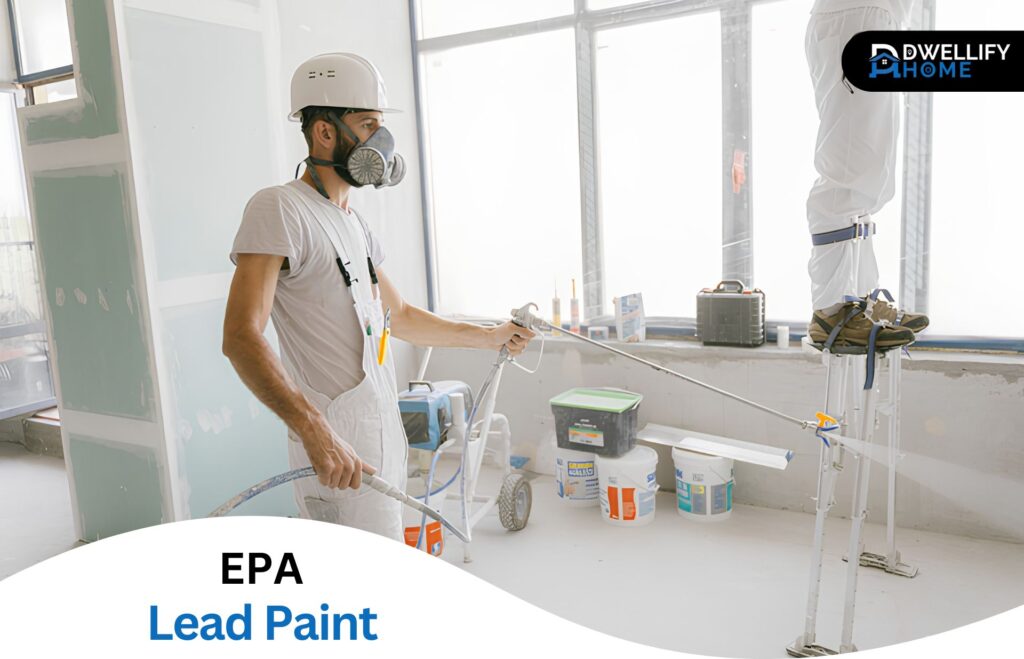
Working on older homes teaches you quickly that lead paint isn’t something to guess about. Contractors, painters, remodelers, landlords, and maintenance crews who handle pre-1978 properties run into this reality all the time. Houses, childcare centers, and older buildings often hide lead-based paint under newer coats, and the moment a surface gets sanded, scraped, or cut into, that old paint can turn into hazardous dust.
That dust carries real health risks, especially for young children and pregnant women, which is why federal rules treat the issue as far more than a box to tick. Getting EPA Lead Paint Certified means learning how to seal off a work area, clean up the right way, and renovate without putting anyone in harm’s way. It also tells clients you take their safety seriously and handle every job legally and responsibly.
Who Needs Certification and What Projects Require It
Certification applies to anyone who disturbs painted surfaces in structures built before 1978. That covers far more trades than most people expect, including painters, electricians, plumbers, carpenters, window installers, flooring specialists, and general handyperson services. If your work touches old paint in homes, schools, or childcare facilities, the lead-safe rules very likely apply to you.
A lot of professionals assume this is a requirement only for big construction firms, and that’s where trouble starts. The deciding factor isn’t the size of your company. It’s the age of the building and whether your work disturbs paint.
Think about a plumber cutting into a wall to reach a pipe, or a window installer pulling out old frames. Both can release lead dust without realizing it. Knowing where the rules apply before you start saves you from steep fines, stalled projects, and jobs that slip away to a competitor. For many businesses, the credential is also what unlocks larger contracts that demand proof of compliance.
How to Get EPA Lead Paint Certified Quickly
Most approved training can be finished in a single day. The common belief that certification drags on for weeks simply isn’t accurate. Courses are built to move efficiently while still covering the core safety material, so you can often register, train, and walk away qualified within one scheduled session.
The training itself focuses on the practical parts of the job. You’ll cover how to spot lead hazards, control dust during the work, protect the people living in the space, and complete cleanup the way regulations require.
Speed comes down to preparation. A few things help you move faster:
- Register early so you get a seat that fits your schedule
- Gather any required documentation before the class date
- Choose approved providers that offer flexible timing
Quick certification is realistic when you prepare first. Just keep in mind that understanding the material matters more than rushing through it, since the knowledge is what keeps you compliant long after the course ends.
How Certification Helps Grow Your Business
Certification does more than satisfy the law. It becomes a selling point. Plenty of property owners now look specifically for certified professionals because they understand the dangers of lead exposure and want someone who follows proper safety practices.
Showing the credential on your website, service pages, and marketing materials sets you apart from contractors without it. When you can walk a client through your lead-safe process and explain why each step matters, you come across as the expert in the room, and that builds trust fast.
That trust tends to pay off through repeat work, stronger referrals, and access to projects reserved for qualified pros. As regulations keep shifting, holding this credential keeps your business steady and protects both your reputation and the people you serve.
In the end, certification is an investment that strengthens safety, builds credibility, and opens up more opportunities. Working with a trusted training provider like Lead Classes makes the process smoother while making sure you actually absorb what you need to stay compliant. Take it seriously, act early, and you give yourself a real edge in a field where safety and compliance genuinely matter.
We sincerely hope this article was useful and informative for you! As a note of transparency, this post may contain affiliate or sponsored links. Any purchases made through these links may result in a small commission for us, helping to support our website. The opinions shared here are exclusively those of the author and do not represent Dwellifyhome.com.