
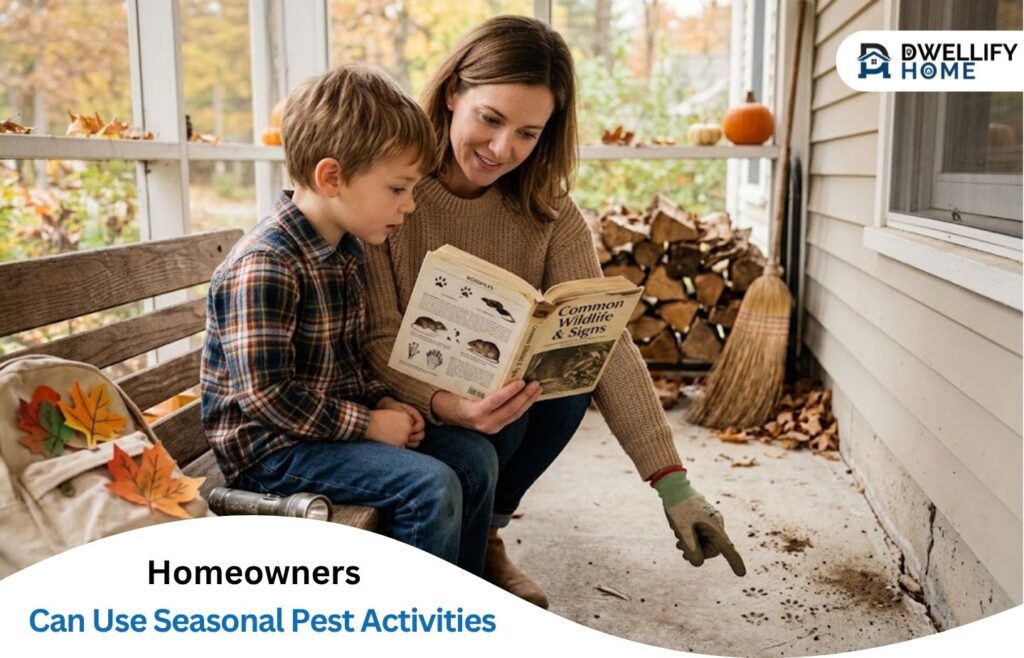
Cooler evenings send more than people indoors. As temperatures fall, rats and mice start looking for warm, quiet places with food nearby, and a garage, pantry, or crawl space can fit the description. Autumn also fills the calendar with crafts, family traditions, and activities that happen to give parents a natural opening for teaching.
A child who colors a picture on the kitchen table is already relaxed and curious, which makes it a good moment to talk about why rodents sneak in and what households can do about it. The ideas below show how to turn seasonal creativity into short, age-appropriate lessons that build habits without frightening anyone.
Why Autumn Is a Good Time to Talk About Rodents
Rodent activity tends to rise when weather cools, because outdoor food sources shrink and shelter becomes more valuable. Mice can slip through gaps about the width of a pencil, and rats need only slightly more. Fallen fruit, birdseed, pet food, and open compost give them reasons to stay close to homes, and a warm garage or attic offers a place to settle in for winter.
That timing lines up with a season full of family projects, from pumpkin carving to holiday preparation. Children are already in a hands-on frame of mind, so lessons attached to an activity stick better than a lecture would. Parents also benefit, since explaining a concept to a child tends to sharpen their own habits. Keeping the tone calm matters. Rodents should come across as animals following simple rules, such as seeking food, water, and warm hiding places, instead of as monsters. A child who understands those rules can help spot the conditions that attract rodents without developing a fear of every rustle in the walls.
Turning a Creative Activity Into a Lesson
Art projects open conversation easily. A dia de los muertos rat coloring page, for instance, can serve as a creative way into the topic during the days around the holiday, which honors remembered loved ones and is celebrated with bright colors and symbolic imagery. Activities like this give children a friendly picture of a rat before any practical discussion begins, which lowers anxiety and invites questions.
Once the crayons are out, parents can ask simple prompts. Where do you think a rat would sleep? What would it want to eat? What does it need to stay warm? Children often answer with imaginative guesses, and each answer provides a chance to add one real fact. Rats like dark, sheltered spots near food. They gnaw constantly because their front teeth never stop growing. They follow edges and walls instead of crossing open floors. Keep each fact short, and let the child finish the picture before moving to the next idea. The goal is curiosity, not memorization, and a drawing left on the fridge keeps the conversation alive for days.
Simple Home-Safety Conversations That Fit a Child’s Attention Span
After a coloring session, a short home-safety talk feels like a natural follow-up. A dia de los muertos rat coloring page can double as a visual reference, since children can point to the parts of the drawing and connect them to real habits, such as where the rat would hide in their own house. Parents might ask which rooms hold food and which corners stay dark and undisturbed.
Plain explanations work best. Food left out overnight, crumbs under couch cushions, and open bags of pet food make an inviting buffet. Trash that stays uncovered for days does the same. Children can take on small, concrete jobs that put the lesson into practice, such as closing cereal boxes, returning pet bowls to a shelf after meals, or helping carry recycling to the outdoor bin. Praise helps. A child who feels like a helper tends to repeat the behavior, and a household with consistent habits gives rodents fewer reasons to stay. Avoid graphic details about disease or damage, which can frighten younger children without improving their behavior.
Supervised Checks of Storage Areas
A walk through storage areas turns abstract lessons into something visible. Adults should lead, with children observing from a safe distance and a flashlight in hand. Pick a calm time of day and treat it like a scavenger hunt. Questions worth exploring together include:
- Are food items stored in sealed plastic or metal containers instead of open bags?
- Do cardboard boxes touch the floor, creating cozy nesting material and hiding places?
- Are there gaps around pipes or in the garage door seal where a small animal could squeeze in?
- Is birdseed or pet food stored where rodents could reach it?
- Do any shelves hold clutter that has not moved in months?
Children enjoy finding “problems” to fix, and the activity gives them ownership of the solution. Move boxes onto shelves, swap cardboard for lidded bins, and note any gaps that need sealing by an adult. If anyone spots droppings, gnawed packaging, or a nest, the adult should handle it. The child’s job is to report what they see, not to investigate further.
Keeping the Lessons Age-Appropriate and Safe
Teaching rodent awareness only works if safety rules are clear. Children should understand that wild rodents are not pets and should never be touched, even if they look small or cute. Droppings, urine, and nesting material can carry germs, so children should leave cleanup to adults. Health authorities advise wet-cleaning droppings with disinfectant and wearing gloves, and they discourage dry sweeping or vacuuming, which can stir particles into the air. Handwashing after any outdoor or storage-area activity should be routine.
Adapt lessons to the child’s age. Preschoolers can learn that food belongs in containers and that trash goes in the bin. Elementary-aged children can understand why gaps matter and help check shelves. Older children can learn to inspect for signs and keep a simple checklist. Whatever the age, keep the mood light and avoid framing rodents as disgusting or evil. Respect for animals sits comfortably next to practical prevention. If an infestation does appear, involve a licensed professional, and explain to children that grown-ups have tools and training for that part of the job.
End Note
Seasonal activities give parents a gentle way to introduce pest awareness without turning the house into a lecture hall. A coloring sheet, a flashlight tour of the garage, and a few simple rules about food and trash build habits that protect the home well beyond one autumn. Children learn that rodents are animals with predictable needs, that most problems begin with accessible food and shelter, and that prevention is a shared household job. Adults handle cleanup and professional contact, while kids contribute eyes, questions, and routines. Keep the mood curious, the lessons short, and the safety rules firm, and the whole family ends up better prepared.
Please note that certain links in this article may be affiliate or sponsored links. Dwellifyhome.com may earn a small commission from qualifying purchases made through these links. This support helps us continue maintaining our website and sharing helpful resources with our readers.



