
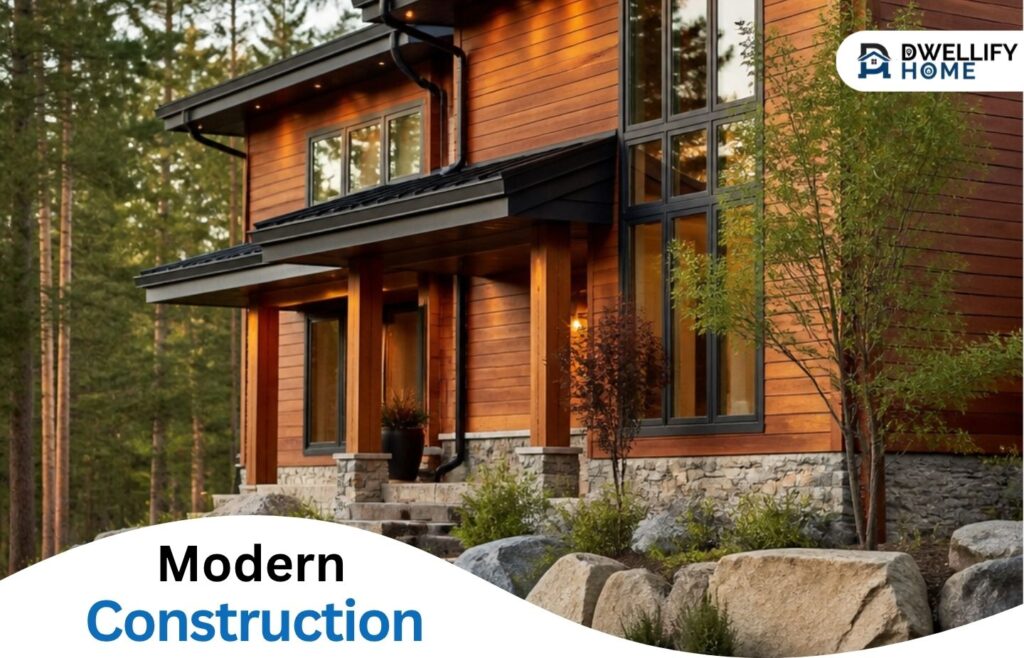
Western red cedar has long been recognized as one of the most versatile and reliable materials in the construction industry. Its unique combination of natural durability, aesthetic beauty, and workability makes it a preferred choice for architects, builders, and homeowners alike.
From exterior siding and decking to interior paneling and trim, this remarkable wood species continues to prove its worth in both residential and commercial applications. Understanding what makes Western red cedar exceptional can help you make informed decisions for your next building or renovation project.
Natural Durability and Resistance Properties
One of the most compelling reasons builders choose Western red cedar is its inherent resistance to decay, moisture, and insect damage. The wood contains natural oils called thujaplicins, which act as preservatives that protect against rot and insect infestation.
Unlike treated lumber that requires chemical processing to achieve similar protection, cedar offers these benefits naturally. This makes it an environmentally conscious choice for outdoor applications where exposure to the elements is constant. The wood’s cellular structure also allows it to absorb and release moisture gradually, reducing the likelihood of warping, splitting, or checking that commonly affects other wood species.
The dimensional stability of Western red cedar sets it apart from many alternatives. It has a low shrinkage factor, which means it maintains its shape and size throughout seasonal changes better than most softwoods. This stability is particularly valuable in applications like exterior siding, where gaps and buckling can compromise both appearance and weather protection. For projects requiring precision joinery and tight tolerances, cedar’s predictable behavior makes it easier to work with and produces more consistent results over time.
Aesthetic Versatility and Visual Character
The visual appeal of Western red cedar extends beyond its warm, rich coloration. The wood naturally ranges from light amber to deep reddish-brown, with subtle grain patterns that add depth and character to any surface.
This natural variation means no two pieces are identical, giving projects a distinctive, organic quality that manufactured materials cannot replicate. Cedar accepts stains and finishes beautifully, allowing homeowners to either enhance its natural color or transform it to match specific design visions. Even when left untreated, cedar weathers to an elegant silver-gray patina that many find appealing for rustic or coastal aesthetics.
Interior Applications and Millwork
Inside the home, Western red cedar brings warmth and sophistication to living spaces. Its fine, straight grain makes it ideal for intricate millwork, including crown molding, baseboards, window casings, and custom cabinetry.
When homeowners partner with a custom millwork supplier, they gain access to precisely milled cedar components that elevate interior design with both beauty and craftsmanship. The wood’s natural aromatic properties also make it popular for closets and storage areas, where its pleasant scent can help deter moths and other pests. Cedar paneling creates inviting accent walls that add texture and visual interest without overwhelming a room’s design scheme.
The workability of cedar makes it a favorite among craftsmen for detailed trim work and built-in features. It cuts cleanly without splintering, holds nails and screws securely, and can be shaped with standard woodworking tools. This ease of manipulation allows for complex profiles and custom details that would be difficult or impossible to achieve with harder, denser woods. Whether creating traditional or contemporary interiors, cedar provides the flexibility to execute virtually any design concept.
Comparing Cedar to Alternative Wood Species
While pressure-treated lumber serves important structural purposes in construction, particularly in foundation and framing applications where ground contact occurs, Western red cedar occupies a different niche focused on finish work and exposed surfaces. Understanding the distinctions between various lumber types helps builders select the right material for each application.
For instance, pressure-treated dimensional lumber offers economical structural support with chemical protection, but lacks the aesthetic refinement and natural decay resistance that makes cedar ideal for visible components. Each material serves its purpose within the broader scope of construction projects.
The relationship between structural framing and finish materials illustrates the importance of selecting appropriate wood species for specific functions. Where strength and load-bearing capacity are paramount, engineered lumber or treated dimensional stock may be the right choice.
For elements that define a space’s character and face constant exposure to weather or view, cedar’s combination of performance and appearance makes it difficult to surpass. This complementary relationship between different wood products allows builders to optimize both structural integrity and aesthetic outcomes.
Environmental Sustainability and Responsible Sourcing
The sustainability profile of Western red cedar deserves attention in an era of increased environmental awareness. Cedar forests are primarily located in the Pacific Northwest, where responsible forestry practices and replanting programs help ensure long-term availability.
The wood’s natural durability means cedar structures and components last longer than those made from less resistant species, reducing replacement frequency and associated resource consumption. When sourced from certified sustainable forests, cedar represents a renewable building material with a smaller environmental footprint than many alternatives. The characteristics and properties of Western red cedar make it not only a practical choice but an environmentally responsible one when obtained through proper channels.
Long-Term Performance and Maintenance
The longevity of Western red cedar installations contributes significantly to their overall value proposition. Properly installed cedar siding can last 30 years or more with minimal maintenance, while interior applications often outlast the buildings that house them.
This durability stems from cedar’s natural preservative oils and its ability to resist the biological degradation that affects less resilient woods. Even in harsh climates with extreme temperature fluctuations and high moisture levels, cedar maintains its structural integrity far better than most competitors.
Maintenance requirements for cedar vary depending on the application and desired appearance. Exterior cedar can be left to weather naturally, requiring only periodic cleaning to remove dirt and debris. Homeowners who prefer to maintain the wood’s original color can apply clear sealers or semi-transparent stains every few years. Interior cedar needs even less attention, typically requiring only occasional dusting and very infrequent refinishing. This low-maintenance character makes cedar an economical choice when lifecycle costs are considered rather than just initial material expenses.
Trusted Sources for Premium Cedar Products
Quality begins with material selection, and working with established suppliers ensures access to properly graded and processed cedar lumber. Liberty Cedar has built a reputation for providing architects, builders, and homeowners with premium Western red cedar products that meet exacting standards.
Their expertise in the species extends beyond simple lumber supply to include custom milling services and technical support that helps customers achieve optimal results. Whether a project calls for standard dimensional stock, specialty profiles, or custom-milled components, having a knowledgeable partner streamlines the specification and procurement process while ensuring material quality.
Making the Right Choice for Your Project
Selecting Western red cedar for construction and millwork applications represents an investment in quality that pays dividends throughout a building’s lifespan. Its natural resistance to decay, dimensional stability, aesthetic appeal, and workability combine to create a material that performs exceptionally across diverse applications.
Whether you’re planning exterior siding that will withstand decades of weather exposure, interior trim that adds warmth and character to living spaces, or custom millwork that showcases fine craftsmanship, cedar delivers reliable performance with timeless beauty. The wood’s sustainability credentials and low maintenance requirements further enhance its appeal for environmentally conscious builders and homeowners who value long-term value over short-term savings.
As construction practices evolve and building codes become more stringent, materials that offer multiple benefits without compromise become increasingly valuable. Western red cedar’s proven track record across centuries of use, combined with modern understanding of its properties and optimal applications, positions it as a material that bridges traditional craftsmanship with contemporary performance standards. For projects where excellence matters and longevity is expected, cedar remains an unmatched choice that continues to justify its reputation as one of nature’s finest building materials.
To help fund our content and website operations, some links in this article may be affiliate or sponsored links. Dwellifyhome.com may receive a small commission when a qualifying purchase is completed through one of these links.



