
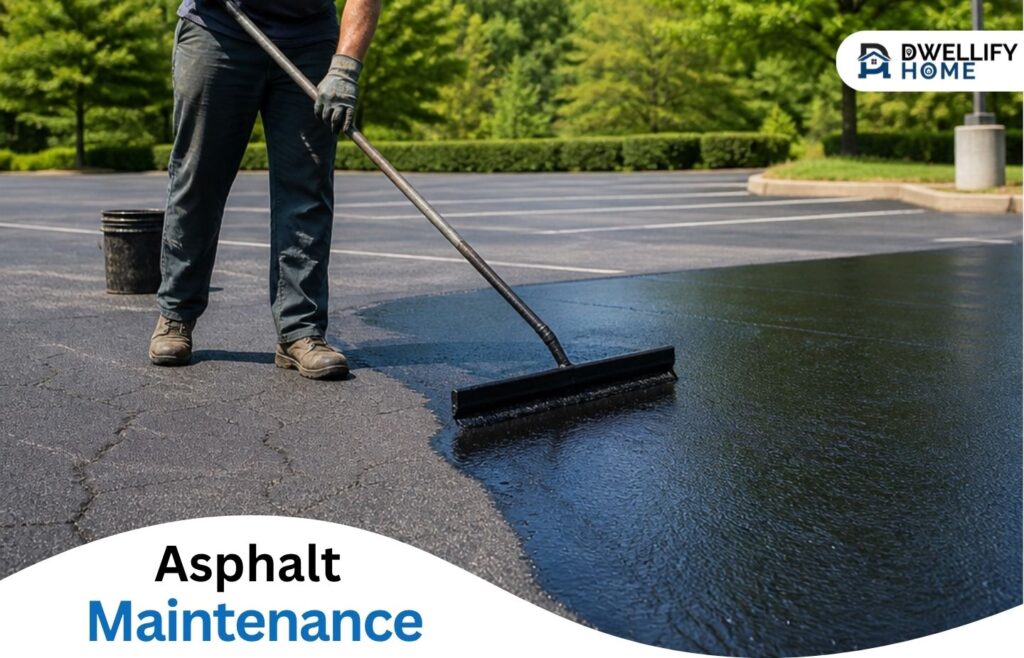
Asphalt surfaces represent a significant investment for both residential and commercial property owners. Whether it’s a driveway, parking lot, or private road, proper maintenance of these surfaces can extend their lifespan dramatically while preventing costly repairs down the line. Understanding the science behind asphalt deterioration and the preventive measures available empowers property owners to make informed decisions about their pavement management strategies.
The Composition and Vulnerability of Asphalt Surfaces
Asphalt pavement consists of aggregate materials bound together with a petroleum-based binder. This combination creates a durable, flexible surface that can withstand significant traffic loads and environmental stresses. However, the very properties that make asphalt desirable also render it vulnerable to specific forms of degradation. The binder that holds everything together is susceptible to oxidation when exposed to ultraviolet radiation from sunlight, leading to brittleness and cracking over time.
Temperature fluctuations pose another substantial challenge. As asphalt expands in heat and contracts in cold, stress develops within the material structure. In regions experiencing freeze-thaw cycles, water penetrating small cracks can freeze, expand, and force the crack wider—a process that accelerates deterioration exponentially. Understanding these fundamental vulnerabilities helps explain why proactive maintenance proves far more cost-effective than reactive repairs.
Common Signs of Asphalt Deterioration
Recognizing early warning signs of asphalt damage allows property owners to intervene before minor issues escalate into major problems. Fading color represents one of the first visible indicators that the asphalt binder is oxidizing. What begins as a rich black surface gradually transitions to gray, signaling that the protective oils within the binder are evaporating and the material is becoming more porous and vulnerable.
Cracking Patterns and Their Implications
Different crack patterns indicate different underlying issues. Alligator cracking, which resembles reptile skin, typically signals structural failure in the base layers beneath the asphalt surface. Linear cracks running parallel or perpendicular to the pavement edge often result from thermal stress or inadequate joint construction. Block cracking creates large rectangular segments and usually indicates the asphalt has become too brittle due to oxidation or aging. Each pattern requires a different remediation approach, making accurate diagnosis essential.
Surface Deterioration Beyond Cracking
Raveling occurs when the aggregate stones begin separating from the binder, leaving loose gravel on the surface. This typically starts at the edges and gradually works inward. Potholes represent the final stage of deterioration, where the pavement structure has failed completely, creating hazardous depressions. Depression areas that hold standing water after rainfall indicate either settlement of base materials or inadequate drainage design—both requiring attention before water infiltration causes further damage.
Protective Coating Solutions
Sealcoating represents the most common and cost-effective preventive maintenance strategy for asphalt surfaces. This protective layer shields the underlying pavement from oxidation, water penetration, and chemical damage from petroleum products. Working with an experienced asphalt contractor in Aurora, CO ensures that sealcoating is applied correctly and at appropriate intervals to maximize protection. The process involves cleaning the surface thoroughly, repairing existing damage, and then applying a specialized emulsion that bonds with the asphalt surface.
The frequency of sealcoating depends on traffic volume, climate conditions, and the current condition of the pavement. Residential driveways typically benefit from sealcoating every two to three years, while commercial parking lots with heavier traffic may require more frequent applications. The investment in regular sealcoating can extend pavement life by up to 300 percent compared to unprotected surfaces, making it one of the highest-return maintenance activities available to property owners.
Climate Considerations in Pavement Management
Regional climate patterns significantly influence asphalt maintenance requirements. In areas experiencing extreme temperature swings, pavement undergoes greater stress cycles that accelerate deterioration. Properties in regions with harsh winters face additional challenges from freeze-thaw cycles and the corrosive effects of de-icing chemicals. Extreme summer heat presents its own set of challenges, as elevated temperatures can soften the asphalt binder, making surfaces more susceptible to deformation under load.
Moisture management proves critical regardless of climate. Proper drainage design ensures water flows away from pavement surfaces rather than pooling or infiltrating through cracks. Even in arid regions, occasional rainfall can cause significant damage if the pavement structure has become compromised. Addressing drainage issues during initial construction or renovation prevents many future maintenance headaches.
Technical Standards and Best Practices
Professional asphalt maintenance adheres to established industry standards that ensure quality and longevity. Understanding the technical specifications of asphalt materials helps property owners evaluate contractor proposals and maintenance plans. Specifications cover everything from aggregate gradation and binder composition to compaction requirements and thickness standards. Proper installation following these guidelines creates a foundation for successful long-term performance.
Quality control during application separates professional work from substandard results. Temperature monitoring ensures materials are applied within optimal ranges. Surface preparation removes contaminants that would prevent proper bonding. Application rates must fall within specified ranges—too little provides inadequate protection while too much can lead to tracking and aesthetic issues. These technical details matter significantly to outcome quality.
Choosing Professional Services
Selecting qualified contractors for asphalt maintenance requires evaluating several factors beyond price alone. Established companies bring experience with local climate conditions and soil characteristics that influence pavement performance. They maintain proper insurance coverage protecting property owners from liability. Professional contractors also invest in commercial-grade equipment that ensures uniform application and superior results compared to consumer-grade alternatives.
Requesting references and viewing completed projects provides insight into workmanship quality. Reputable contractors readily provide detailed proposals explaining the scope of work, materials to be used, and expected outcomes. They also offer realistic timelines and communicate clearly about weather dependencies and curing requirements. A professional approach to customer service often correlates with professional execution of technical work.
Long-Term Value of Preventive Maintenance
The financial logic of preventive asphalt maintenance becomes clear when comparing costs over time. Sealcoating and minor crack repair represent modest investments that preserve the underlying pavement structure. Neglecting these measures allows small problems to compound until expensive reconstruction becomes necessary. Complete pavement replacement costs ten to fifteen times more than a comprehensive maintenance program spanning the same period.
Beyond direct cost savings, well-maintained pavement enhances property values and creates positive impressions for visitors and customers. Cracked, deteriorating pavement suggests neglect and can negatively impact property marketability. For commercial properties, pavement condition directly affects customer perceptions and potentially influences business success. These intangible benefits add to the compelling case for proactive maintenance strategies.
Property owners who view asphalt maintenance as an investment rather than an expense position themselves for long-term success. By understanding deterioration mechanisms, recognizing warning signs, and implementing timely protective measures, they maximize the return on their pavement investment while avoiding the disruption and expense of major repairs or premature replacement.
Disclosure: This page may contain affiliate or sponsored links. Dwellifyhome.com may earn a commission from qualifying purchases made through these links. Your support helps us maintain the website and continue publishing informative content.



