How Much Does a Commercial Fire Alarm System Cost?
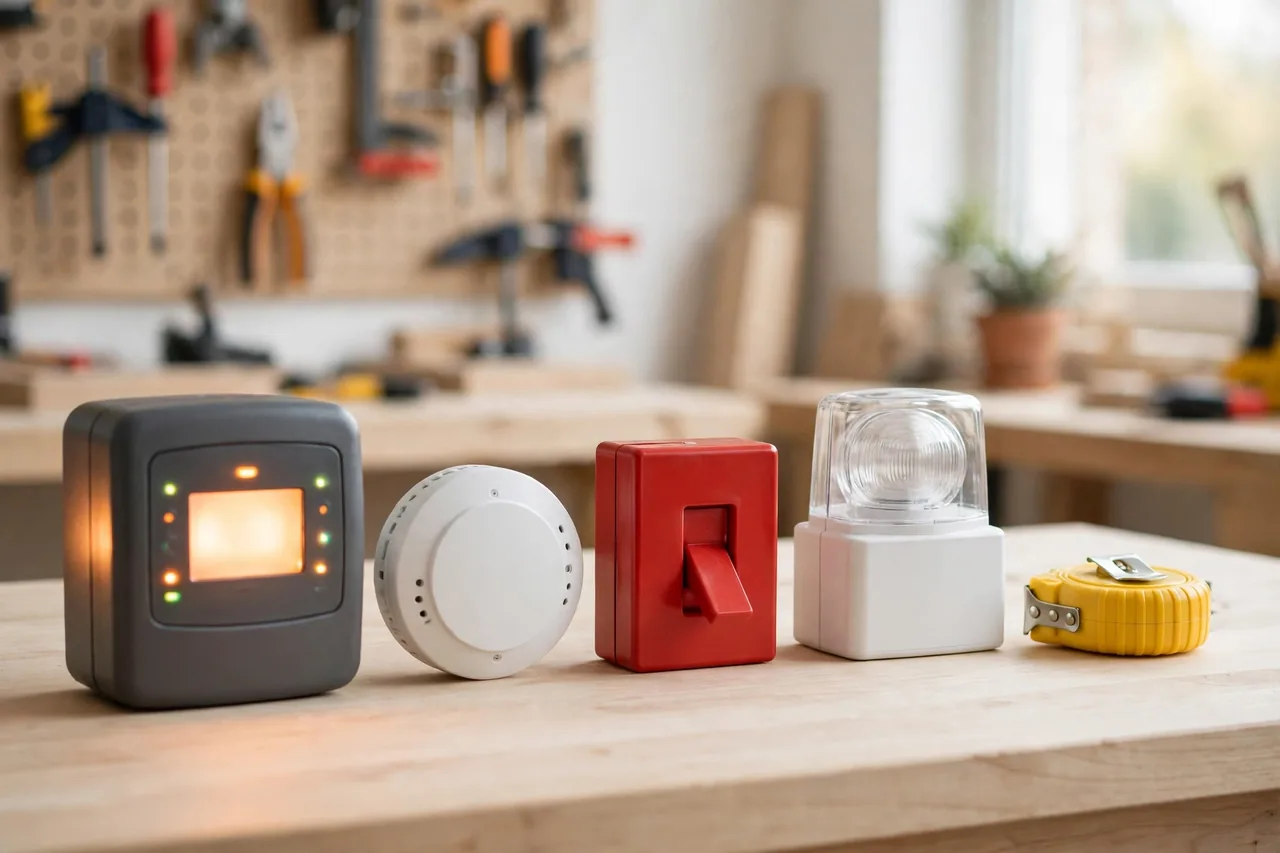
A commercial fire alarm system costs about $1 to $5 per square foot for a standard installation, while a difficult retrofit in a finished, occupied building can reach $4 to $12 or more per square foot. That puts a 10,000-square-foot building at roughly $10,000 to $50,000 for a standard job, or $40,000 to $120,000 and up when finished walls, voice evacuation, and tricky wiring enter the picture. These are 2026 planning ranges from current cost guides, not quotes, and the final number always comes from your building, your local code, and your authority having jurisdiction.
Square footage only starts the conversation. A contractor prices the control panel, every detector and pull station, the horns and strobes, the wiring, the power supplies, the monitoring communicator, the engineering drawings, the permits, and the final acceptance test. Two buildings of the same size can land thousands of dollars apart, and this guide shows you why, what each piece costs, and how to read a quote without getting burned.
Commercial Fire Alarm System Cost at a Glance
Most commercial projects land inside a wide band, and the band is honest. A small shop can cost a few thousand dollars. A school, hotel, hospital, warehouse, or high-rise can reach hundreds of thousands. The table below gives you the planning ranges that current 2026 guides agree on, so you can sanity-check any bid in seconds.
Cost ranges for a commercial fire alarm system, 2026 planning figures:
| Project type | Typical installed cost | Per square foot |
|---|---|---|
| Small commercial space, under 5,000 sq ft | $2,000 to $12,000 | About $1 to $3 |
| Mid-size building, 5,000 to 25,000 sq ft | $12,000 to $60,000 | About $2 to $6 |
| Large or occupied retrofit, 25,000+ sq ft | $60,000 to $250,000+ | About $4 to $12 |
| Large or complex facility, 50,000+ sq ft | $100,000 to $400,000+ | Varies widely |
One real project shows how the math works in practice. A 16,000-square-foot school in Tampa Bay, fitted with an addressable system and voice evacuation, cost about $50,000 all in, or roughly $3.13 per square foot. That job, described by TSS USA, included a Silent Knight 6808 panel, 32 speaker-strobes, 11 heat detectors, 5 smoke detectors, 6 pull stations, duct detectors, relays, engineering plans, permits, and the acceptance inspection. Per-square-foot pricing is a planning tool, not a price.
Use these ranges to build your first budget, then get three itemized bids. If a bid lands far outside the band with no clear reason, ask what is different. The answer is usually device count, wiring difficulty, or a code requirement the other bidders missed.
What Is Included in the Price?
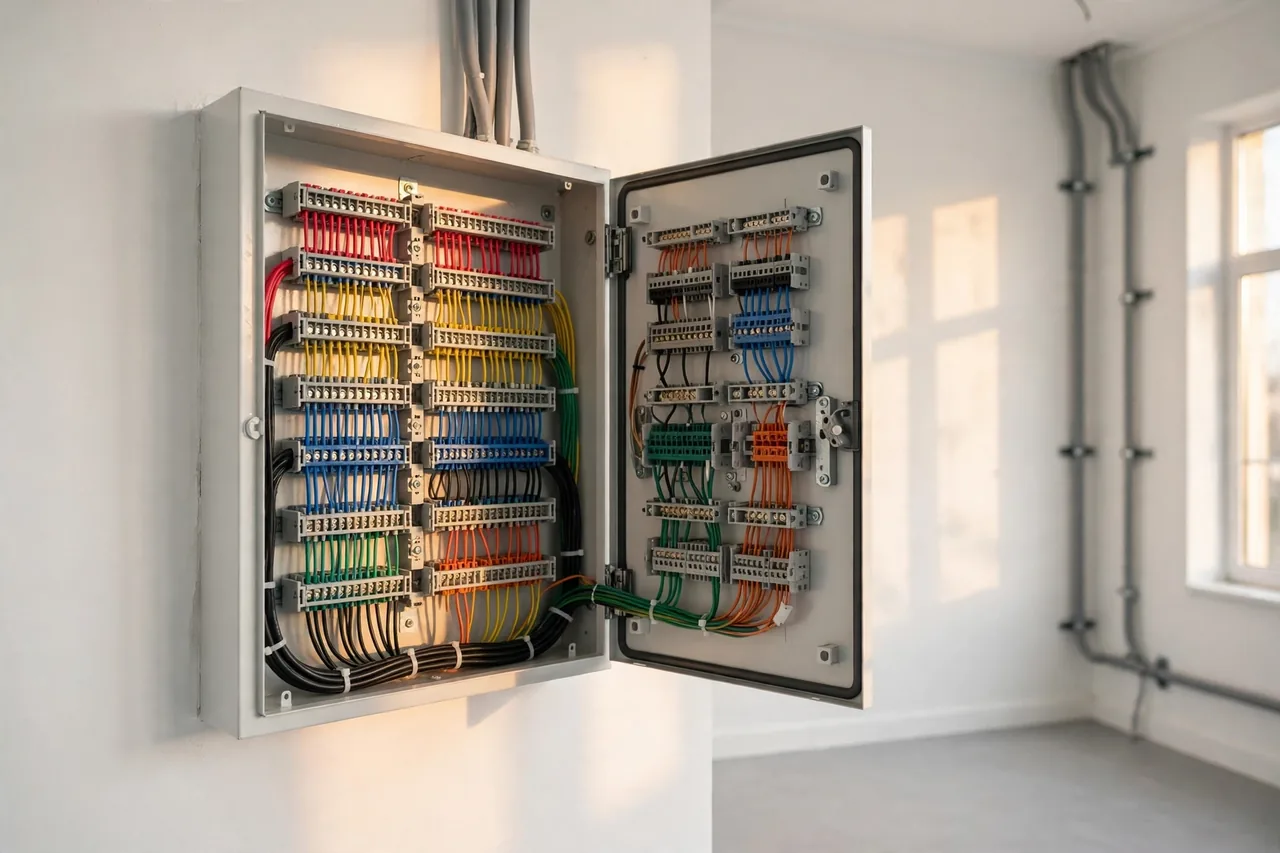
A commercial fire alarm system is more than a panel and a few detectors. Every quote should cover the same set of parts, and when one bid looks much cheaper, something on this list is usually missing. Walk through each item before you sign.
The control panel is the brain of the system. It watches every device, sounds the alarm, and talks to the monitoring station. Panel hardware alone runs about $2,500 to $6,000 or more for an addressable panel, according to current 2026 pricing guides, before programming, wiring, and commissioning. Conventional panels cost less, roughly $500 to $1,000, but they suit only small, simple buildings.
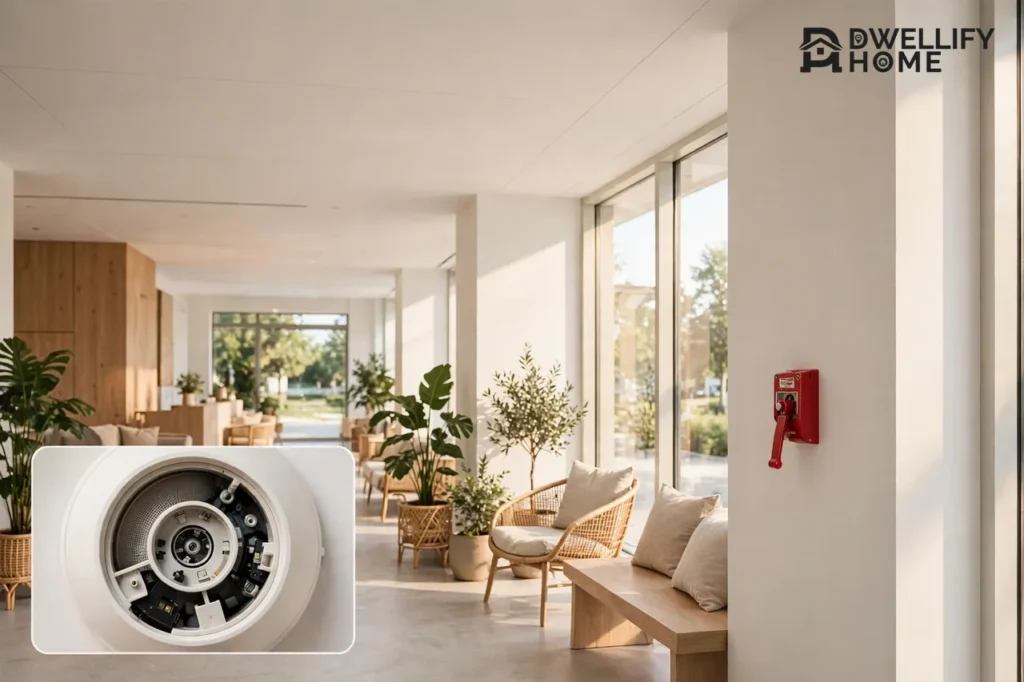
Detection devices come next. Smoke detectors typically cost $15 to $90 each, heat detectors $20 to $160 each, and manual pull stations $25 to $110 each, based on the device price ranges published by Grice Systems in 2026. Notification devices, the horns, strobes, and speakers that warn people, run about $45 to $250 each. A communicator that sends signals to the monitoring station adds roughly $300 to $900 in hardware.
Then comes the work you cannot see. Wiring and conduit, power supplies and batteries, modules that connect the alarm to sprinklers and HVAC, system programming, engineering drawings, permits, testing, and the final acceptance inspection all carry real cost. Labor is typically 40 to 60 percent of the total project cost, which is why the same building prices so differently before and after the drywall goes up.
New Construction vs. Retrofit: The Biggest Price Gap
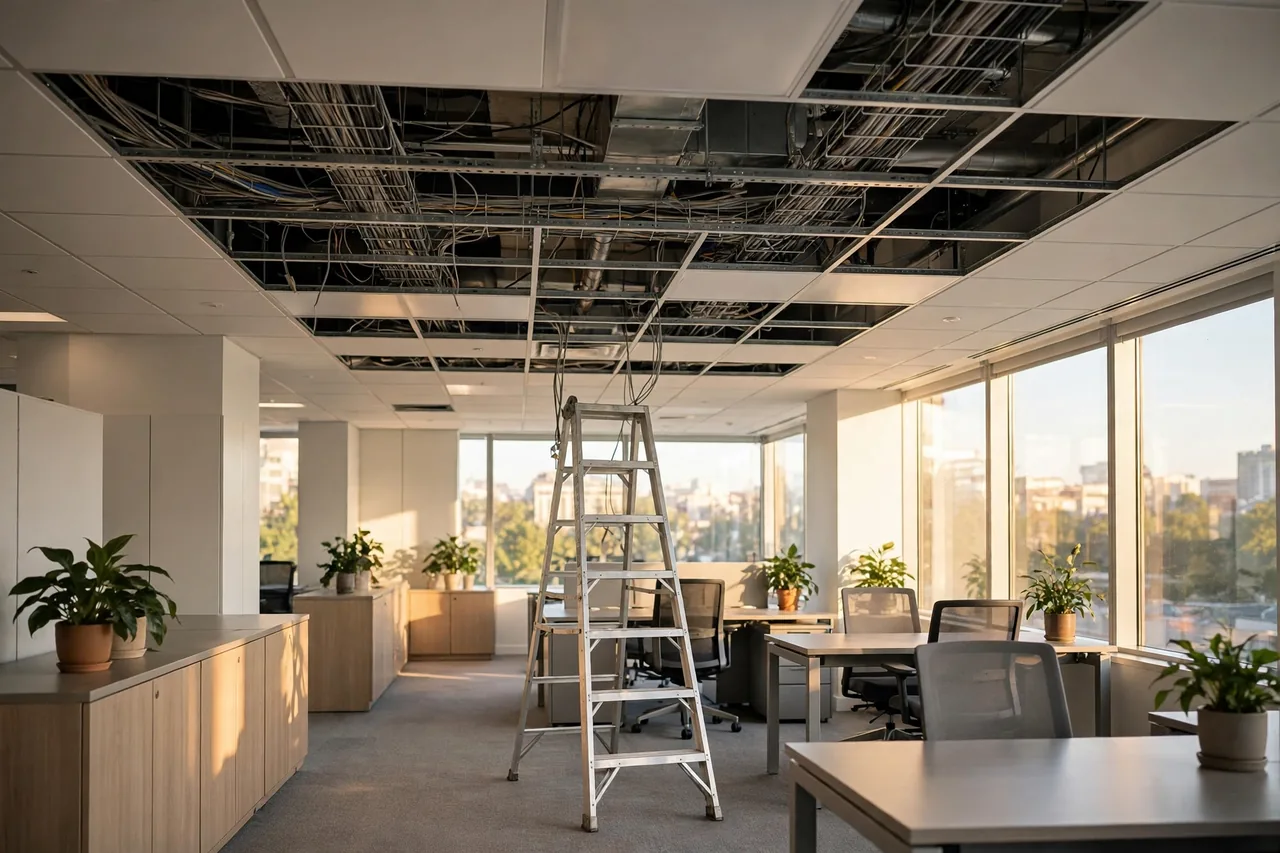
The single biggest swing factor is not your building’s size. It is whether the walls are open. In new construction, crews pull cable before the drywall goes in, and the work is fast and cheap. In a finished, occupied building, crews fish wire through closed walls, work around your business hours, and often upgrade old infrastructure at the same time.
New construction typically runs $1 to $3 per square foot, according to the November 2026 guide from Commercial Security Quotes. A retrofit of an occupied building runs $4 to $12 per square foot. That gap explains why two quotes for the same square footage can differ by a factor of three or four.
Retrofits also hide surprises. Old wiring may not meet current code. An existing panel may not talk to new devices, which forces a full replacement instead of an add-on. Asbestos, plaster walls, high ceilings, and phased cutovers that keep your building open during the work all add hours. If your building is occupied during the install, expect after-hours work in the price.
Before you budget, ask your contractor one question: is this priced as new construction or as a retrofit? The retrofit label alone can double or triple your cost, so the answer shapes everything that follows.
Conventional vs. Addressable vs. Wireless Systems
The system type you choose sets both the upfront cost and how useful the system is on the day it matters. There are three main types, and each fits a different building.
Conventional systems
A conventional system divides your building into zones. When a detector trips, the panel tells you which zone has the problem, not which device. These systems cost about $0.50 to $2.00 per square foot installed, per CodeReady Safety’s 2026 cost guide. They fit small buildings under 5,000 square feet with simple layouts, and they are the cheapest way to meet code.
Addressable systems
An addressable system gives every device its own address, so the panel pinpoints the exact detector that tripped. These systems run about $1.50 to $4.00 per square foot, and they typically cost 40 to 60 percent more than a comparable conventional system. For buildings over 10,000 square feet, multi-story buildings, or complex layouts, that pinpoint accuracy makes fire response faster and is worth the premium.
Wireless systems
Wireless systems skip most of the conduit, which helps in historic buildings or spaces where running wire is hard. They run about $2.00 to $5.00 per square foot. The devices cost more, and batteries need a replacement schedule, but the install is faster and far less disruptive.
Voice evacuation is the premium add-on. Instead of horns alone, speakers deliver spoken instructions to different areas of the building. Voice evacuation systems run about $3.00 to $8.00 or more per square foot, and they are common in schools, hospitals, hotels, and high-rises where a simple horn cannot tell people what to do.
What Drives the Cost Up or Down?
Five factors decide most of the price, and you control some of them. Knowing them helps you read a quote and push back where it makes sense.
Device count comes first. Every pull station, smoke detector, heat detector, duct detector, and horn-strobe is a line item, and your occupancy type sets how many you need. A warehouse with high ceilings needs different coverage than an office with small rooms. More devices mean more hardware, more wire, and more labor.
Building size and layout come second. Larger buildings get some economy of scale, but multi-story buildings, odd shapes, and high ceilings push the price back up. Ceiling height matters because taller ceilings mean longer wire runs, lifts, and more time on site.
Your local code and authority having jurisdiction come third. The required scope comes from the locally adopted code and the authority having jurisdiction, not from your preferred budget, as The Pricer notes in its August 2026 guide. Some jurisdictions require voice evacuation, sprinkler monitoring, or extra notification coverage that others do not.
Integration is fourth. Tying the alarm into sprinklers, HVAC shutdown, door holders, elevators, and building automation adds modules and programming time. Each interface is a cost, and each one must be tested at acceptance.
Finally, timing and access matter. A job done while the building is empty costs less than one done around your staff and customers. Ask for the price difference between normal-hours and after-hours work before you commit to a schedule.
Monthly Monitoring and Ongoing Costs

The install price is only the first bill. A commercial fire alarm system keeps costing money every month and every year, and smart owners budget for it from day one.
Monitoring connects your panel to a staffed central station that calls the fire department when an alarm trips, even when the building is empty. Commercial fire alarm monitoring commonly costs about $25 to $110 per month, according to 2026 guides, with most standard systems landing between $25 and $75. The exact number depends on the communication method and the service level. A cellular communicator, the hardware that sends the signal, costs roughly $300 to $800 one time.
Annual inspection and testing is required under NFPA 72, the National Fire Alarm and Signaling Code. Small systems typically cost $300 to $1,000 a year to inspect and test, while very large systems can run $7,000 to $15,000 or more, based on examples in The Pricer’s 2026 guide. Budget $500 to $2,000 a year for maintenance and repairs on a typical commercial system, and more for a large one.
Put the ongoing costs together and most commercial systems cost $800 to $3,500 a year to own after install, per CodeReady Safety. That covers monitoring, annual testing, and routine maintenance. It does not cover a panel replacement or a major repair, so keep a reserve for the year a big part fails.
Monitoring is not optional in most cases. If your fire alarm system is required by code, its alarm signals generally must be transmitted automatically to a supervising station. Check with your local authority having jurisdiction before you decide to skip it.
How to Get Quotes and Avoid Overpaying
Three itemized bids are the minimum, and the word itemized matters. A lump-sum number tells you nothing. Ask each bidder to break out the panel, each device type and count, wiring and conduit, programming, engineering, permits, monitoring setup, and testing, so you can compare line by line.
Watch for red flags. Quotes that differ by more than 50 percent with no clear scope difference mean someone missed something or padded something. A bid with no engineering or permit line will grow later. A bid that skips the acceptance test is not a finished job. And a contractor who cannot name the code edition your jurisdiction adopted is not the contractor to trust.
Check credentials before you sign. Look for NICET certification and authorized-distributor status for the panel brand they propose. Ask for two recent jobs of similar size and call those owners. Ask who does the programming, who does the testing, and who answers the phone at 2 a.m. when the panel shows a trouble signal.
Get the monitoring contract in writing too. Know the monthly fee, the contract length, the cancellation terms, and what happens if the communication path fails. A cheap install with an expensive monitoring contract costs more over five years than a fair install with a fair contract.
Is a Commercial Fire Alarm System Required?

Yes, in nearly every case. NFPA 72 sets the standard for fire alarm design, installation, and testing, and local building and fire codes adopt it. Whether your building needs a full system, and how big it must be, depends on your occupancy type, your building size, and your local authority having jurisdiction.
Small retail spaces, offices, restaurants, schools, hotels, warehouses, and multi-family buildings each carry different requirements. Some need only detection and notification. Others need voice evacuation, sprinkler monitoring, and elevator recall. Your fire marshal or building official makes the final call, so talk to them early, before you sign a construction contract or a lease.
Insurance plays a role too. Many insurers require a monitored, code-compliant system, and some offer premium credits for monitored fire protection. Ask your insurer what they require and what discount a monitored system earns. The answer can change your payback math.
If you already own a building, do not assume the old system still meets code. Codes change, occupancies change, and a renovation can trigger a requirement to upgrade. A licensed fire alarm contractor can survey your system and tell you what, if anything, must change.
This guide gives general planning information, not code advice for your building. Fire alarm requirements are local and specific, so confirm every requirement with your authority having jurisdiction and a licensed fire protection professional before you buy. Never skip a required system to save money, and never install or alter a commercial fire alarm system yourself: NFPA 72 work must be done by qualified professionals, and most jurisdictions require a licensed fire alarm contractor.
Related Guides
If you are planning the wider safety setup for a building or a home, these Dwellify guides help with the next steps. Our guide to cellular home security systems explains how cellular communicators keep alarms connected when phone lines fail. The best home security systems with cameras guide covers full security setups that pair with fire protection. And our glass break alarm guide explains one more layer of building protection that often shares a panel with fire devices.
Frequently Asked Questions
What is the average cost of a commercial fire alarm system?
About $1 to $12 per square foot installed, which puts most projects between $2,000 and $50,000, with large or complex buildings well beyond that. New construction sits near $1 to $3 per square foot, while an occupied retrofit runs $4 to $12 per square foot.
How much does a commercial fire alarm system cost per square foot?
Published 2026 guides quote roughly $1 to $12 per square foot installed, depending on system type and building complexity. Square footage is only a rough guide. Device count, wiring paths, and local code requirements set the real number.
What is the difference between a conventional and an addressable fire alarm system?
A conventional system reports only the zone where a device tripped, while an addressable system pinpoints the exact device. Addressable systems typically cost 40 to 60 percent more up front, and they suit buildings over 10,000 square feet, multi-story buildings, and complex layouts.
Does a commercial fire alarm system have to be monitored?
In most cases, yes. When a fire alarm system is required by code, its alarm signals generally must be transmitted automatically to a supervising station. Your local authority having jurisdiction confirms the exact requirement for your building.
How much does commercial fire alarm monitoring cost per month?
Commercial fire alarm monitoring commonly costs about $25 to $110 per month, with most standard systems between $25 and $75. The price depends on the communication method, cellular or internet, and the service level in your contract.
How long does a commercial fire alarm installation take?
A small office under 5,000 square feet typically takes one to two weeks, while a standard commercial building of 5,000 to 20,000 square feet takes two to four weeks. Large, multi-story, or occupied retrofit jobs take longer, especially when work must happen after hours.
Getting the price right starts with knowing what you are buying. Budget $1 to $5 per square foot for a standard job, expect more for a retrofit, and get three itemized bids before you sign anything. The cheapest quote is rarely the cheapest system once monitoring, testing, and five years of ownership are counted.