
Yes, it is legal to GPS track your child in the United States when you are the child’s parent or legal guardian and the child is under 18. The US Supreme Court has recognized a parent’s fundamental right to direct the care, custody, and control of their children, and the National Conference of State Legislatures notes that many state tracking laws include explicit exceptions for parental monitoring of a minor child.
That short answer comes with real limits. Custody disputes, the child’s age, tracking during the other parent’s time, and listening to conversations all change the picture, and state laws vary widely. This guide explains the general rule, the limits, and the practical steps to track your child legally and openly, based on the law as it stands in 2026. It is general information, not legal advice.
The Short Answer: Can a Parent Legally GPS Track Their Child?

A parent or legal guardian can legally use GPS to track their minor child in all 50 states. LegalClarity, a law firm guide to the rules by state, states this directly, and bases it on the Supreme Court’s decision in Troxel v. Granville (2000), which confirmed that the Fourteenth Amendment protects a parent’s liberty interest in directing the upbringing, care, and custody of their children.
That authority lasts until the child reaches the age of majority, which is 18 in most states. Alabama and Nebraska set it at 19, and Mississippi sets it at 21, according to the Legal Information Institute. Until that birthday, a parent does not need the child’s consent to use a GPS device or a location-sharing app, because the law assumes a parent acts in the child’s best interest when keeping track of where the child goes.
The key point is who does the tracking: a parent tracking their own minor child is legal, while tracking someone else’s child, or an adult, without consent is not. The rest of this guide covers where that line sits, and the situations where parents get into trouble even with good intentions.
Why Parents Are Allowed to Track: The Legal Basis
Parents have a legal duty to supervise their children, and knowing where they are is a basic part of that job. FindLaw, in its guide to tracking children with GPS, explains that the law generally runs in the parent’s favor: parents have the legal right to extensive control over their children, including the right to govern where they go, and those rights are taken away only in cases of parental neglect or abuse.
Children do have privacy rights, but those rights are limited by their minority status. The Supreme Court said in Bellotti v. Baird (1979) that children are different from adults when it comes to rights, and that there is a tradition in the United States of enforcing parental authority unless there are exceptional circumstances. GPS tracking for safety is a modern extension of that supervisory duty.
Federal law does not ban parental tracking. The Children’s Online Privacy Protection Act, known as COPPA, limits how websites collect data from children under 13, but it protects children from outsiders, not from their parents. In fact, COPPA gives parents control over their young child’s data, which supports a parent’s authority to monitor a child under 13. No federal law tells private citizens when they may track a car or a phone, so the rules come from state law, and state law is where the details live.
State Laws: At Least 26 States Have Tracking Laws, and Most Exempt Parents

At least 26 states and the District of Columbia have enacted laws dealing with the private use of location tracking devices, according to the National Conference of State Legislatures. In about half of those states, the tracking rules live inside stalking or harassment laws. In the rest, standalone laws make it a crime to place a tracker on someone or their property without consent.
The good news for parents is that many of these laws carve out explicit exceptions for parental monitoring. The National Conference of State Legislatures notes that states like Delaware, Michigan, and Tennessee specifically permit a parent or guardian to place a GPS tracker on a minor child’s vehicle. Even in states without an explicit parental exception, the general parental authority described above provides the legal footing.
State rules still vary in ways that matter, so check your own state’s law before you track. Tennessee’s exception applies only when the parent owns or leases the car and tracks it solely to monitor the minor. Kentucky ties its exception to a parent-owned or leased vehicle the minor drives. Louisiana requires both parents to consent when they are separated or divorced, unless one has sole custody. Once a child turns 18, the parental exception generally ends, and tracking an adult child without consent can be illegal.
What Most People Get Wrong About Tracking Their Child
Most people get child GPS tracking wrong by thinking the parent rule covers everything, but it covers only the parent’s own minor child. Tracking your child’s friend, your child’s teacher, or another adult without consent is illegal in most states, and it can be a felony in some. A tracker on a shared family car can also cross the line if it follows another adult who drives that car.
The second mistake is thinking a tracker on a child is the same as a tracker on a car. They are different under the law. Tracking your child’s phone or backpack is parental supervision. Placing a tracker on a car you do not own, or on a car co-owned with a spouse, follows different rules: Tennessee and Missouri require consent of all owners, and Rhode Island requires the driver and every occupant to consent when the purpose is to monitor the people inside.
The third mistake is listening in. A GPS tracker that only shows location is one thing. A device or app that records conversations is another, and 12 states require two-party consent for recording conversations. California and Nevada are among the strictest. If your tracking app has a listen-in feature, check your state’s recording law before you use it, because recording a conversation without consent can be a separate crime even when tracking itself is legal.
Custody Disputes: The Situation Where Parents Get Into Trouble

Tracking your child during the other parent’s custodial time is legally risky even when your intentions are purely about safety. LegalClarity warns that a GPS tracker or phone app that follows your child also reveals where the other parent goes, eats, sleeps, and socializes, and courts in most jurisdictions treat that as surveillance of the other parent, not just monitoring of the child.
Your custody order matters more than your good intentions. Some orders explicitly permit electronic monitoring under certain conditions, and some prohibit it entirely. Others include broad language about respecting the other parent’s time and autonomy that a judge could interpret as barring tracking. If your order says nothing about tracking, silence does not mean permission, and if you share legal custody, placing a tracker on the child without agreement may be treated as overstepping your authority.
If you are in a custody dispute, get the other parent’s agreement or a court order before you track, and talk to a family lawyer first. A tracker used during a custody fight can also hurt you in court: it can be seen as controlling behavior, and evidence from it can be thrown out. The safest path is to agree on tracking together, in writing, with clear limits on who sees the location and when.
Age Matters: Young Kids, Teens, and Adult Children
Age changes the legal picture, even though the parent rule lasts until 18. For a young child, tracking is clearly within a parent’s supervisory duty, and no court will question a GPS watch on a seven-year-old walking to school. For a teenager, tracking is still legal, but it raises practical and family questions that the law does not answer.
A teenager who finds a hidden tracker may feel spied on, and that can damage trust at the age when trust matters most. Many family experts suggest telling a teen you track them, explaining why, and agreeing on limits, such as checking location only when they are late or in an unfamiliar place. The law does not require a teen’s consent, but a family agreement works better than a secret.
At 18, the picture flips. Your child is an adult, and the parental exception ends. Tracking an adult child without their consent can violate state tracking and stalking laws, even if you pay for the phone or the car. If your adult child lives at home and you want to track them for safety, ask for their consent and get it in writing. If they say no, respect it, because the law is on their side once they turn 18.
How to Track Your Child Legally and Openly: A Practical Checklist
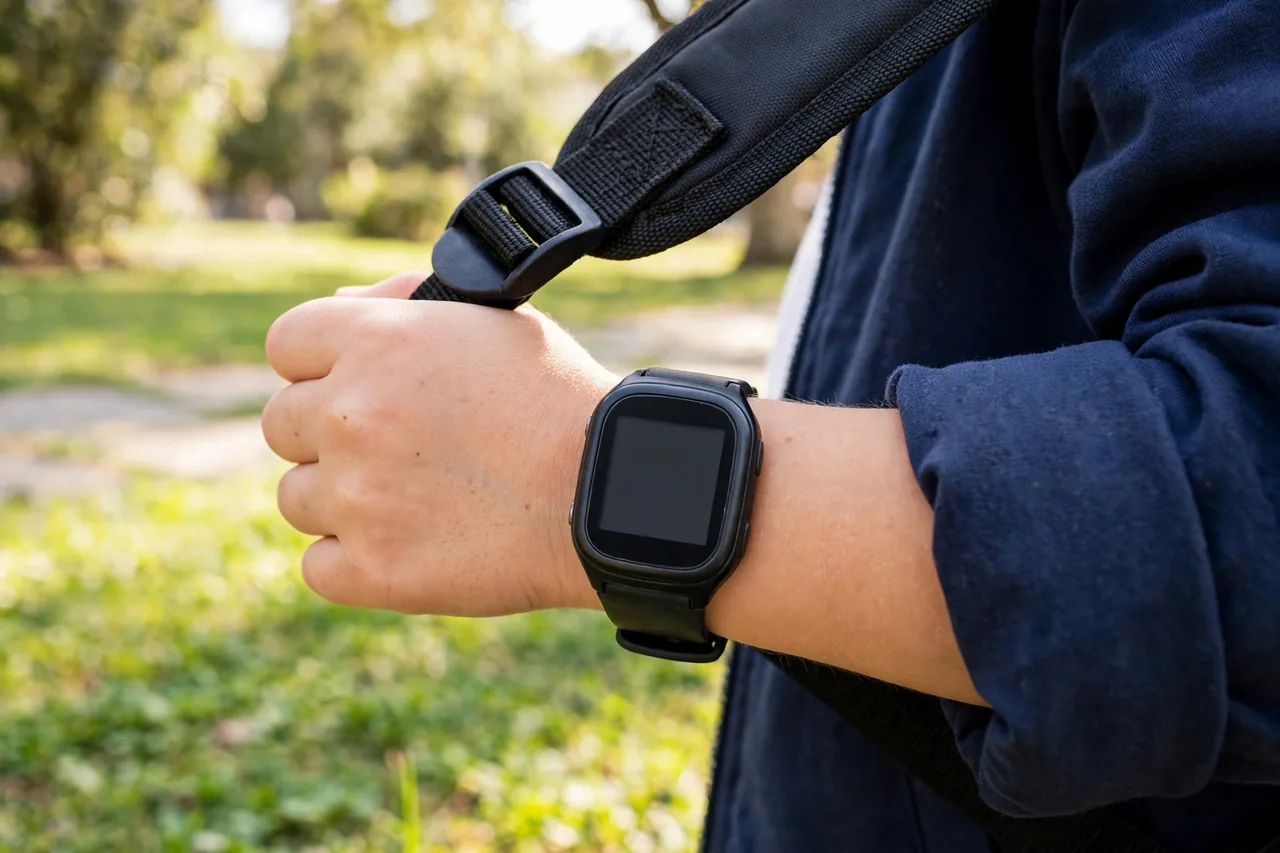
Track your child legally by following a simple checklist: track only your own minor child, use a device or app that shows location only, tell your child you track them, and check your state law first. Openness is not a legal requirement for a minor child, but it is the choice that keeps you safe and keeps your family trusting each other.
Caption: Legal child GPS tracking checklist.
| Step | What to do |
|---|---|
| Confirm your role | You are the parent or legal guardian of a minor child |
| Check state law | Look up your state’s tracking statute and any parental exception |
| Choose location only | Use a tracker that shows location, not one that records conversations |
| Tell your child | Explain that you track them for safety, and agree on limits |
| Check custody orders | Make sure no order bans tracking during the other parent’s time |
| Limit who sees data | Share location only with people who need it for safety |
| Stop at 18 | End tracking or get consent when your child becomes an adult |
Choose a tracker made for children, such as a GPS watch or a family location app, rather than a hidden device. A visible device tells your child you are open about it, and it tells anyone else that the tracking is parental, not secret. Keep the location data private: do not share it on social media, and do not give access to people who do not need it. And remember that a tracker is a safety tool, not a substitute for talking to your child about where they go and who they are with.
GPS Trackers vs. Phone Apps: What Is the Difference?
A GPS tracker and a phone location app do the same basic job, but they differ in what they collect and who controls the data. A dedicated GPS tracker, such as a child’s GPS watch, shows location only, runs on its own battery, and works even when the child has no phone. A phone app, such as a family location-sharing app, shows location plus phone activity, and it depends on the phone being charged and turned on.
For a young child, a GPS watch is often the better choice: it is simple, it cannot be used to browse the internet, and it has an SOS button the child can press. For a teenager who already has a phone, a family location app is often enough, and it is easier to agree on together. Either way, read the app’s privacy policy before you install it, because some apps sell location data, and a parent should know where their child’s location goes.
Pick a tracker from a company that states plainly that it does not sell children’s location data, and turn off any listen-in or recording feature unless you have checked your state’s recording law. AngelSense, a GPS tracker made for children with special needs, states that its device complies with privacy regulations and does not record conversations, which is why it is legal in all 50 states for a legal guardian to use. That is the standard to look for.
A Note on This Guide: General Information, Not Legal Advice

This guide is general information about GPS tracking law in the United States as it stands in 2026, based on the National Conference of State Legislatures, FindLaw, and LegalClarity, and it is not legal advice. State laws change, and new tracking laws took effect in Ohio in October 2026 and in Nebraska in July 2026, so the law in your state may have changed since this guide was written. If you are in a custody dispute, if your child is 18 or older, or if you are unsure about your state’s law, talk to a licensed family lawyer in your state before you track. A short consultation costs far less than a legal problem.
Related Guides
For the wider safety picture, read our best home security camera system guide to protect your home, and our security cameras for apartments guide if you rent. If your teen drives, our best home security systems with cameras guide covers the systems that watch the home while you watch the road.
Frequently Asked Questions
Is it legal to GPS track your child?
Yes, when you are the parent or legal guardian of a minor child under 18. The Supreme Court has recognized a parent’s right to direct their child’s care, and most state tracking laws include exceptions for parental monitoring.
Can I track my child’s phone without them knowing?
Legally, a parent can track a minor child’s phone without the child’s consent in most states. In practice, telling your child you track them works better, because a hidden tracker can damage trust, especially with a teenager.
Is it legal to put a GPS tracker on your child’s car?
Yes, in most states, when you are the parent or guardian, you own or lease the car, and you track it only to monitor your minor child. Tennessee, Kentucky, and Louisiana add conditions, so check your state’s law first.
Can a parent track a child during the other parent’s custody time?
It is legally risky, because the tracker also reveals the other parent’s movements. Check your custody order first, get the other parent’s agreement or a court order, and talk to a family lawyer before you track.
At what age can a child refuse to be tracked?
At 18, when the child becomes an adult and the parental exception ends. Tracking an adult child without consent can violate state tracking and stalking laws, even if you pay for the phone or car.
Is it legal to track your child with an AirTag?
An AirTag or similar Bluetooth tracker used by a parent on their own minor child is generally legal for the same reason a GPS tracker is. Using one to follow another adult without consent is illegal in most states.
Track your own minor child, use a location-only device, tell your child you track them, and check your state law and custody order first. That is the legal path, and it is also the path that keeps your family’s trust intact.