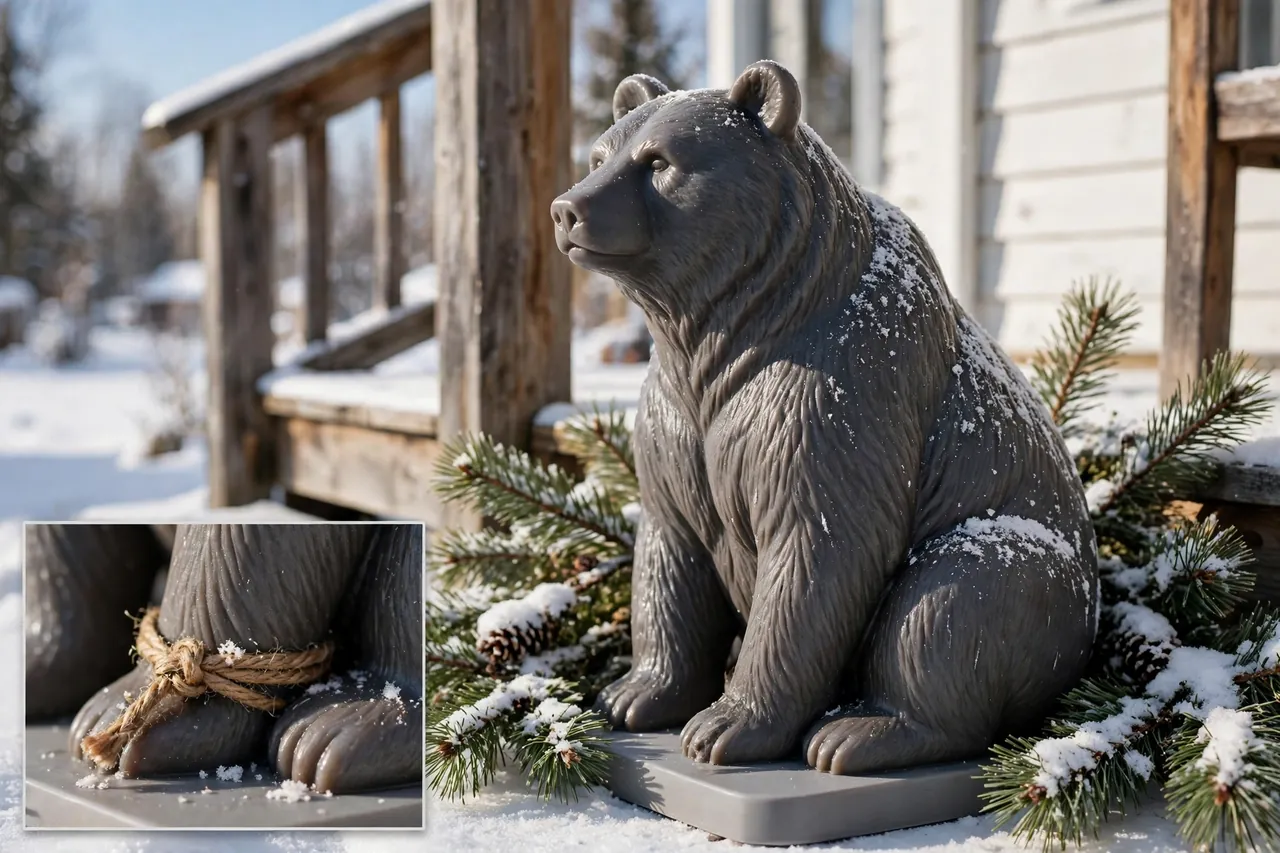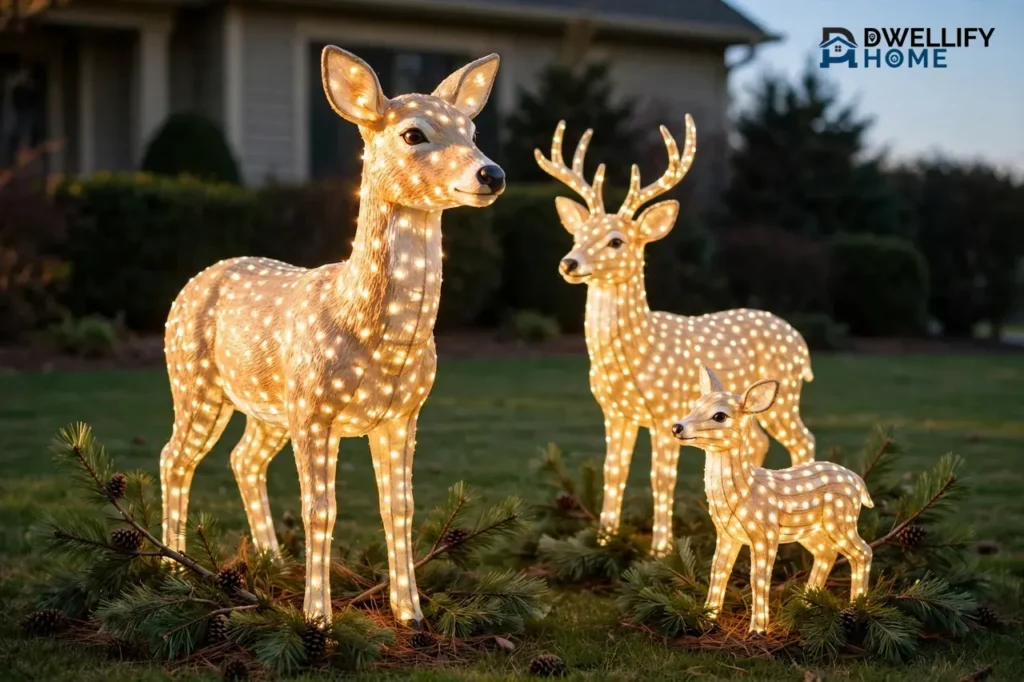
Outdoor animal Christmas decorations turn a plain front yard into a warm holiday scene, and the best way to use them is to pick one clear focal animal or family, size it to your yard, and anchor and power it safely. A glowing deer family on an open lawn, a sturdy wooden bear by the porch, or a cheerful penguin near the walkway can each carry a whole display. You do not need a yard full of figures to make an impact. You need the right figure, in the right spot, with a safe setup that still looks good after dark.
Start with your yard, not the store shelf. Measure the spot you want to fill, check where your outdoor outlet sits, and look at the display from the street. A figure that looks charming in a shop can look lost on a wide lawn or crowded on a small porch. When you match size, light color, and placement to your home, outdoor animal Christmas decorations feel planned, not piled up.
What Outdoor Animal Christmas Decorations Include
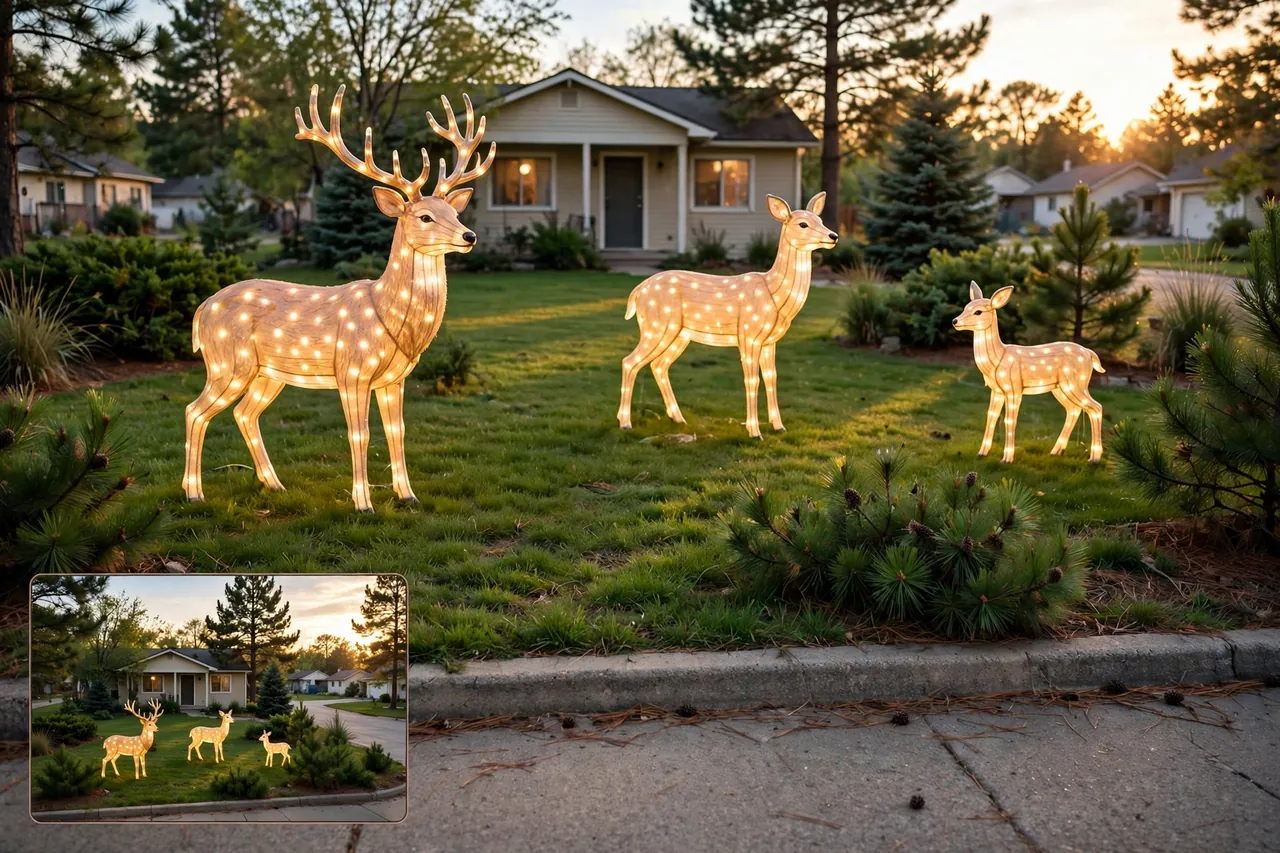
Outdoor animal Christmas decorations cover a wide family of yard figures. Deer and reindeer lead the group, and they suit almost any style, from a classic woodland scene to a bright Santa display. Woodland animals such as bears, foxes, owls, and moose add a cozy forest feel. Penguins, polar bears, and other winter animals bring a playful, snowy touch that works well near a porch or along a path.
Figures also differ in how they stand and shine. Lighted wire-frame figures glow after dark and read clearly from the street. Solid resin or polyresin figures hold their shape in wind and look good in daylight, even when you leave the lights off. Wooden cutouts give a handmade, rustic look. Inflatables make a big splash fast, but they need more anchoring and a steady power supply. Each style can work well, so choose the one that fits your yard, your weather, and the amount of setup time you have.
If you want a feline figure specifically, see this guide to outdoor cat Christmas decorations on Dwellify Home. The rest of this guide covers the broader animal figures that suit most yards, with deer and reindeer at the center.
Choose the Right Animal for Your Yard
Think of your yard as a stage, and give it one star. A single large deer, a deer family, or one bold woodland animal draws the eye and gives neighbors something to remember. When you add three or four competing focal points, the eye jumps around, and the display starts to look busy. Small yards look best with one or two figures. Large lawns can hold a family group, but even then, leave breathing room around each figure.
Match the figure to the space around it. A tall reindeer needs open lawn and a clear view from the street. A small penguin or owl suits a porch step, a garden bed, or the edge of a path. A wooden bear looks natural beside a tree, a fence, or a stack of firewood. Step back to the sidewalk and check the view before you commit. If a bush hides half the figure, or a mailbox cuts it in half, move the figure a few feet and check again.
Scale matters more than size alone. A four-foot deer family can anchor a modest lawn, while a six-foot figure may suit a wide, open front yard. Measure height, width, and depth, not just height. Three-dimensional figures need floor space in every direction, while flat silhouettes and wooden cutouts hug a wall or fence and need far less depth. Write the measurements down before you shop, and take a tape measure to the yard. Guessing leads to returns.
Pick a Theme Before You Buy
A theme keeps your animal figures from clashing. A woodland theme pairs deer, owls, and bears with pine greenery and warm white lights. A North Pole theme pairs reindeer with a sleigh, snow, and cool white or multicolor lights. A playful theme mixes penguins and polar bears with bright colors and a snowman or two. Pick one theme, then let every new figure earn its place in it.
Color ties a theme together. Warm white lights feel soft and classic. Cool white lights feel crisp and snowy. Multicolor lights feel festive and fun, but they can fight with a calm woodland look. If your roofline and shrubs already use warm white lights, choose warm white animal figures too. A mixed display can still work, but only when you plan the mix on purpose.
Lighted or Unlit: Which Style Suits Your Home
Lighted figures do the heavy lifting after dark. They glow, they guide the eye, and they turn a dark lawn into a scene. Most lighted deer and reindeer use LEDs, which stay cool to the touch, use less energy than old incandescent bulbs, and let you connect more strands within the maker’s limits. Check the box for the outdoor rating, the bulb count, and the power type before you buy. A figure rated for indoor use only does not belong outside, even on a covered porch.
Unlit figures earn their keep in daylight. A well-made resin bear, a wooden moose, or a metal fox looks good at noon, when lighted wire frames can look thin or empty. Unlit figures also simplify your setup, because you skip cords, timers, and outlet limits. You can still light them from outside with a spotlight or a nearby string of lights, and that trick often looks richer than built-in lights alone. For ideas on lighting the whole yard, see our guide to LED Christmas decor.
Many yards do best with a mix. Use one lighted focal figure for the night view, then add one or two unlit figures for daytime charm. Keep the light colors consistent, and keep unlit figures close enough to catch light from the porch or a spotlight. That balance gives you a display that looks good at every hour, without a tangle of cords.
Solar, Plug-In, or Battery Power
Plug-in figures give the brightest, most reliable light, and they suit a main focal figure near an outlet. Solar figures free you from cords, but they need direct winter sunlight to charge, and short December days can leave them dim. Battery figures work well for a small figure far from an outlet, but you must check and change batteries through the season. For a big display, plug in the star figure and save solar or battery power for small accents.
Think about timers too. A timer or smart plug turns the display on at dusk and off at bedtime, so you never leave lights running all night. The U.S. Consumer Product Safety Commission advises turning holiday lights off when you go to bed or leave the house, because lights can short and start a fire. A timer makes that habit automatic, and it saves energy as well.
Materials That Survive Winter Weather
Winter tests every outdoor figure. Rain soaks it, snow piles on it, wind pushes it, and freeze-and-thaw cycles crack weak materials. Powder-coated metal frames resist rust and hold lighted wire figures steady. Polyresin and sealed resin figures handle cold well and keep their paint through rain and snow. Wooden figures last when you seal them and store them dry, but raw wood soaks up water and warps. Thin, hollow plastic looks fine in the shop and cracks fast in a hard freeze, so tap a figure before you buy it. A solid thunk suggests sturdy walls, while a hollow ring warns you to keep looking.
Check the joints, not just the surface. Wiggle the legs, ears, antlers, and tail. Look for loose wires, cracked sockets, and peeling paint at the seams. Those weak spots fail first in wind and wet weather. Read the label for the outdoor rating and the care notes, and follow the maker’s storage advice. A figure that survives five winters beats a cheap figure you replace every year, even when the sturdy one costs more up front.
Light quality matters as much as frame quality. Look for sealed LED wiring and a clear outdoor rating. ENERGY STAR certified LED holiday lights use far less energy than traditional incandescent lights and last much longer, according to Hydro-Québec’s guide to ENERGY STAR certified LED holiday lights. That efficiency helps when you run several figures at once, and cool-running LEDs lower the fire risk around dry greenery and wooden figures.
Where to Place Animal Figures for the Best View
Place your focal figure where people naturally look. An open patch of lawn beside the driveway, the garden bed near the porch steps, or the lawn in front of a large window all work well. Avoid spots where cars, snow piles, or trash bins block the view. Keep figures clear of walkways, steps, and driveways, so guests never trip over a leg, a stake, or a cord in the dark.
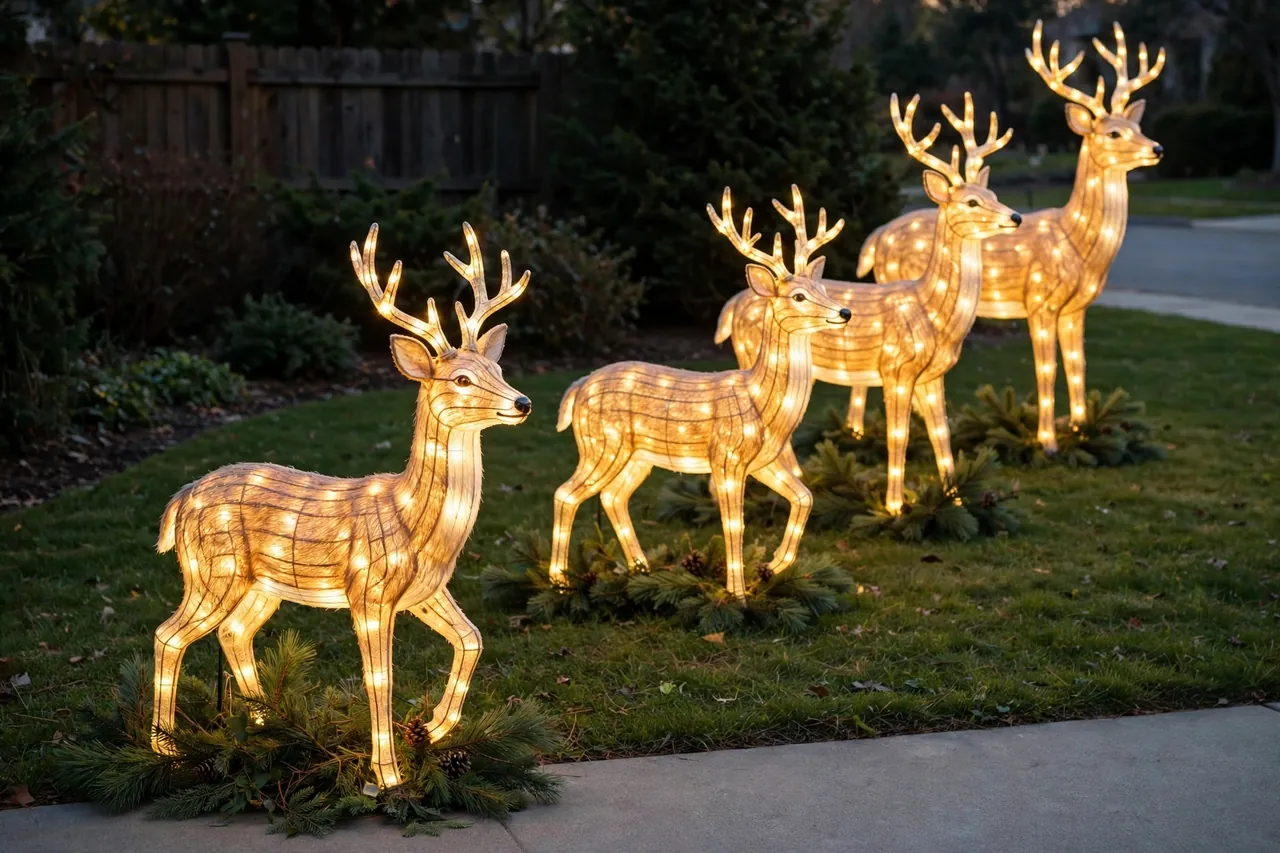
Use the house as a backdrop. A dark shrub, a fence, or a plain wall makes a lighted deer stand out, while a busy background of signs and shrubs swallows it. Angle the figure slightly toward the street, not straight ahead, so viewers see its face and body at once. For a family group, stagger the figures instead of lining them up in a row. Put the tallest figure at the back, vary the heights, and leave a little space between each animal, the way a real herd spreads out.
Pair animals with greenery for a finished look. Pine boughs, wreaths, and potted evergreens soften the base of a figure and hide stakes and cords. Our guide to outdoor Christmas greenery shows how to layer boughs without smothering the figure. If your display runs along the drive, our guide to decorating your driveway for Christmas helps you keep the path clear and bright at the same time.
How to Set Up Outdoor Animal Figures Step by Step
Set up in daylight, and work in order. A calm, planned setup takes less time than a rushed one, and it keeps you safe on a ladder or in cold weather. Gather your tools first: a tape measure, a mallet, stakes or weights, zip ties or cord, an outdoor-rated extension cord, a timer, and a helper for large figures.
- Mark the spot with the tape measure, then step back to the street and confirm the view.
- Assemble the figure on flat ground, following the maker’s instructions, and test the lights before you place it.
- Set the figure in place, level the feet, and check that it stands steady on its own.
- Anchor the figure with stakes or weights, using at least two anchor points for any tall figure.
- Run cords along the ground, away from walkways, and cover connections with a weatherproof cover.
- Plug into a GFCI-protected outdoor outlet, set the timer, and step back for a final daylight check.
- Wait until dusk, switch the display on, and adjust the angle and spacing while you can see the glow.
Test the lights before you anchor anything. A dead section is easy to fix on a workbench and hard to fix once you have staked the figure into frozen ground. Check every bulb, socket, and connection, and replace damaged strands instead of patching them. If a figure wobbles, fix the footing before you add lights or greenery. A steady base makes every later step easier.
Anchor Figures So Wind Cannot Topple Them
Animal figures catch wind like sails. A tall deer with a broad body, raised head, and antlers gives the wind plenty to push against, while slender legs give it little to hold on with. That shape explains why a figure that feels steady on a calm day can tip in a gust. Anchor every freestanding figure, even in a sheltered yard, because one strong gust can bend a frame, snap a wire, or send a figure into a walkway.
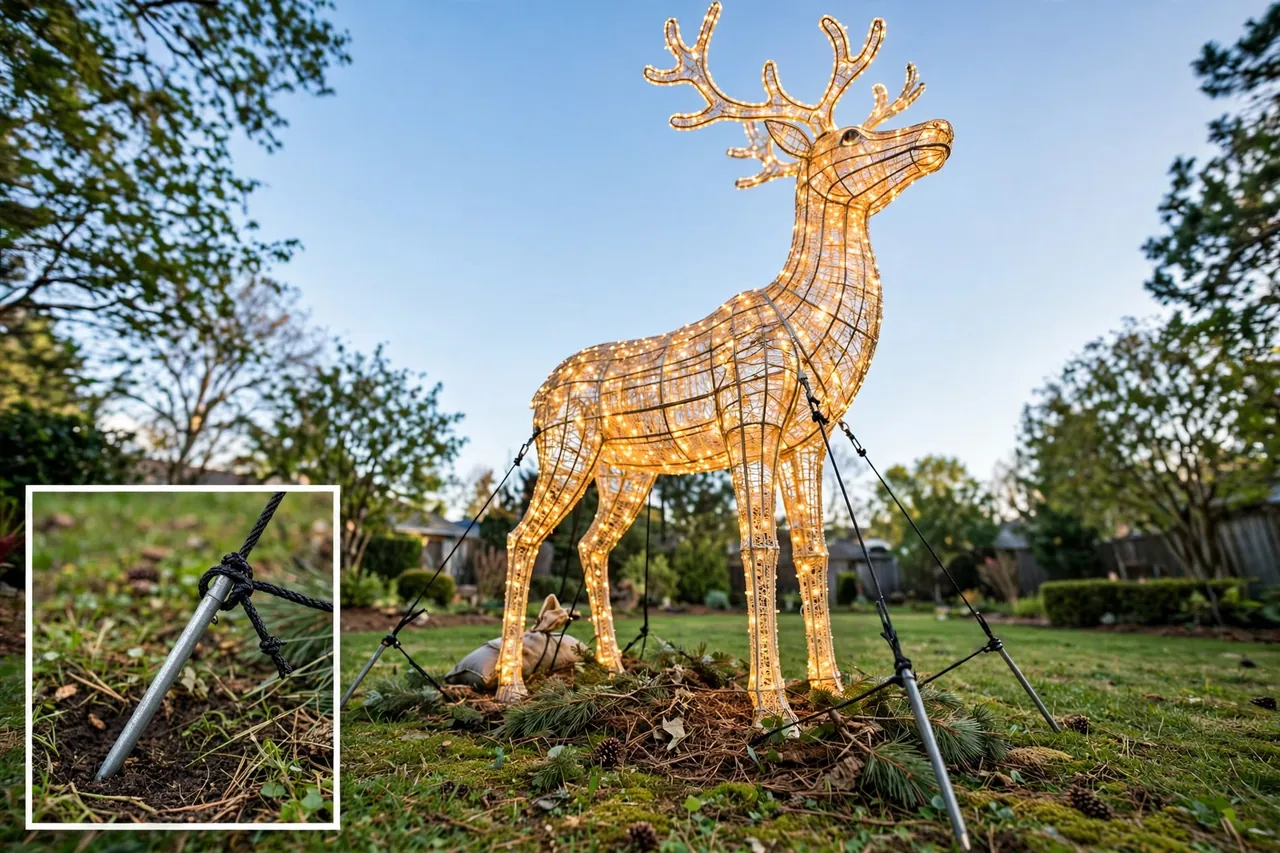
Use the stakes or tethers that come with the figure as a starting point, not the whole plan. Drive sturdy steel stakes at an angle away from the figure, and tie the frame to each stake with cord or wire. Add weight at the base for tall or top-heavy figures: sandbags, concrete blocks, or water-filled jugs tucked behind the legs work well. Hide weights with mulch, pine boughs, or a fabric cover so the base still looks natural. Our guide to weights for outdoor Christmas decorations compares weight options by surface and figure size.
On hard surfaces, skip ground stakes and use weights alone. On grass or soil, push stakes deep enough to grip, and check them after rain, when soft ground loosens its hold. After every strong wind, walk the display and re-tighten cords, straighten leaning figures, and replace bent stakes. A five-minute check after a storm saves a broken figure and a dark lawn later.
Never anchor a figure to a gutter, a railing, or a young tree that cannot hold the load. Those supports bend, break, or pull loose, and they can damage your home. Anchor to the ground or to a solid, fixed post that you know can hold the pull. Keep guy lines low and tight, and mark them with a bright tie or a small flag during setup so nobody trips over them.
Power Lighted Figures Safely
Before you plug in any lighted figure, check the cord, the plug, and the outlet. Use only lights tested by a recognized testing laboratory, such as UL or ETL, and use only products rated for outdoor use. The U.S. Consumer Product Safety Commission’s holiday safety tips warn you to discard sets with cracked sockets, frayed wires, or loose connections, and to plug outdoor lights into GFCI-protected circuits for protection against electric shock.
Caution: inspect every cord and connection before you plug anything in, and never touch a damaged cord with wet hands. If you find a cracked socket, a bare wire, or a plug that feels hot, unplug the figure at once and replace the damaged part or the whole set. Do not tape over damage and hope it holds through December.
Keep connections off the ground and out of puddles. Raise each connection on a small block or inside a weatherproof cover, and point the cover opening downward so rain runs off instead of pooling inside. Use an outdoor-rated extension cord, and never run an indoor cord outside, even under a porch roof. Do not overload a cord or an outlet: follow the maker’s limit for connected strands, spread figures across circuits when you can, and unplug the display when you leave the house or go to bed.
Route cords where feet never go. Run them along garden beds, fence lines, or the edge of the lawn, and cross a walkway only with a flat cord cover rated for foot traffic. A cord across a path trips guests, wears through faster, and invites damage from snow shovels. If you need power far from the house, move the figure closer to the outlet instead of stretching a long cord across the yard.
Style Ideas That Make Animal Figures Shine
A woodland scene suits most homes. Group a deer family with pine boughs, a few lanterns, and warm white lights, and let the greenery do the decorating. Add a wooden owl or bear only when the scene still has room to breathe. The goal is a quiet forest corner, not a crowded zoo.
A Santa scene centers on reindeer. Pair a reindeer team with a sleigh, and keep the rest of the yard simple so the team stays the star. Our guide to Santa and sleigh yard decorations shows how to size the sleigh to the team. If you prefer a handmade look, wooden figures pair well with reindeer too, and our guide to wooden Christmas yard art covers sealing and care for wood in winter.
A playful scene works well for families with young children. Mix penguins, polar bears, and bright lights, and add a snowman or a candy cane path for color. Keep the playful figures near the porch or the front walk, where children can see them up close. For small, glowing accents that pair with animal figures, see our guide to outdoor lit Christmas gifts.
Daylight matters as much as night light. Choose figures with good color and shape for daytime, and add texture around them: mulch, pinecones, birch logs, or a dusting of artificial snow. A figure that looks good at noon and glows at night gives you twice the value, and it keeps the yard looking cared for even when the lights stay off.

Care, Storage, and Troubleshooting
Care starts with a quick weekly check. Brush snow off figures before it melts and refreezes on the frame. Wipe mud off bases, tighten loose ties, and replace any bulb that goes dark. If a figure leans after rain or wind, reset its stakes before the lean bends the frame. Small fixes now prevent big repairs in January.
Store figures dry and protected. Unplug and clean each figure, remove batteries from battery figures, and let wooden figures dry fully before you pack them. Wrap lighted wire frames in soft cloth or bubble wrap so wires do not snag, and store resin figures where heavy boxes cannot crush ears, antlers, or tails. Label each box with the figure name and the spot it belongs in next year. That label turns next December’s setup into a quick job.
| Problem | Fix to Try First |
|---|---|
| Figure tips in wind | Add a second anchor point and weight at the base, then re-check after the next gust. |
| Some lights stay dark | Check the plug, fuse, and each socket, then replace the damaged strand. |
| GFCI trips when you plug in | Unplug the figure, dry the connection, and test the outlet before you reconnect. |
| Figure looks lost on the lawn | Move it closer to the house or path, add greenery at the base, and check the view from the street. |
| Paint peels after rain | Dry the figure, touch up the paint, and seal it before the next wet spell. |
When a figure keeps tripping a GFCI, keeps leaning, or shows cracked wiring, take it out of service. A display with one fewer figure still looks good. A figure that shocks, smokes, or falls on a guest does not. Call a qualified electrician for outlet or circuit problems, and do not open sealed light sets or power supplies yourself.
Disclaimer: this guide shares general decorating advice, not electrical or structural advice for your specific home. Outdoor wiring, outlets, and heavy or tall displays can create real hazards. When you feel unsure about power, anchoring, or a damaged figure, stop and ask a qualified professional for help before you continue.
Related Guides
Santa and Sleigh Yard Decorations: How to Choose, Place, and Light Them · Wooden Christmas Yard Art: Cutouts, Silhouettes, and Painted Figures for Your Front Yard · Outdoor Christmas Greenery: Garlands, Wreaths, and Swags That Last the Season
Frequently Asked Questions
Are outdoor reindeer decorations lighted or unlit?
Most outdoor reindeer decorations are lighted, and many use LEDs in warm white or multicolor. You can also find unlit resin, wood, and metal deer that look good in daylight. Check each product description for its lighting, power needs, and outdoor rating before you buy.
How do I keep my deer lawn decorations from blowing over?
Anchor each figure with sturdy stakes or weights, using at least two anchor points for tall figures. Angle stakes away from the figure, add weight at the base, and keep figures out of open wind paths. Check anchors after rain and strong wind, and re-tighten any loose cords.
Which lighting style is safest for outdoor deer displays?
Weatherproof, UL- or ETL-listed LED lighting is the safest choice for outdoor deer displays. LEDs stay cool, use less energy, and handle cold better than incandescent bulbs. Keep connections elevated, covered, and plugged into a GFCI-protected outlet, and turn lights off at bedtime.
Can I use solar energy for lighted deer figures?
Yes, solar-powered deer figures work well as small accents, and they free you from cords. Give the panel direct winter sunlight, and expect dimmer light on short, cloudy days. For a large focal figure, plug-in power gives a brighter and more reliable glow all evening.
What materials yield the best longevity in snowy conditions?
Powder-coated steel, sealed polyresin, and sealed wood hold up best through snow and freeze-and-thaw cycles. Look for sturdy joints, sealed LED wiring, and a clear outdoor rating. Avoid thin, hollow plastic, which cracks in hard cold, and store figures dry between seasons.
Start with one animal figure you love, place it where the street can see it, and build around it slowly. A steady base, safe power, and a clear theme turn a simple deer or bear into the heart of your Christmas yard. Check your display at dusk, fix what leans or stays dark, and enjoy a yard that welcomes every guest home.