What Is a Strike Plate? The Short Answer
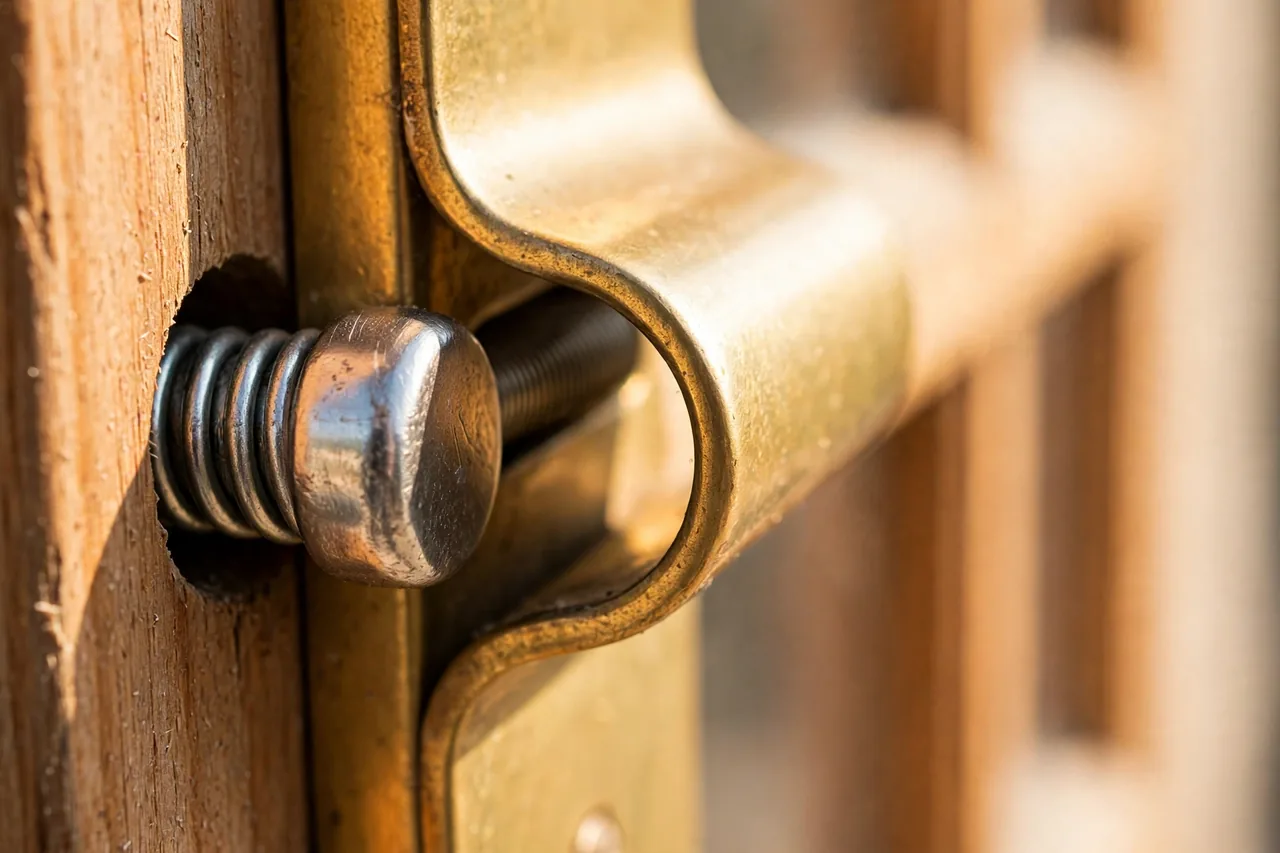
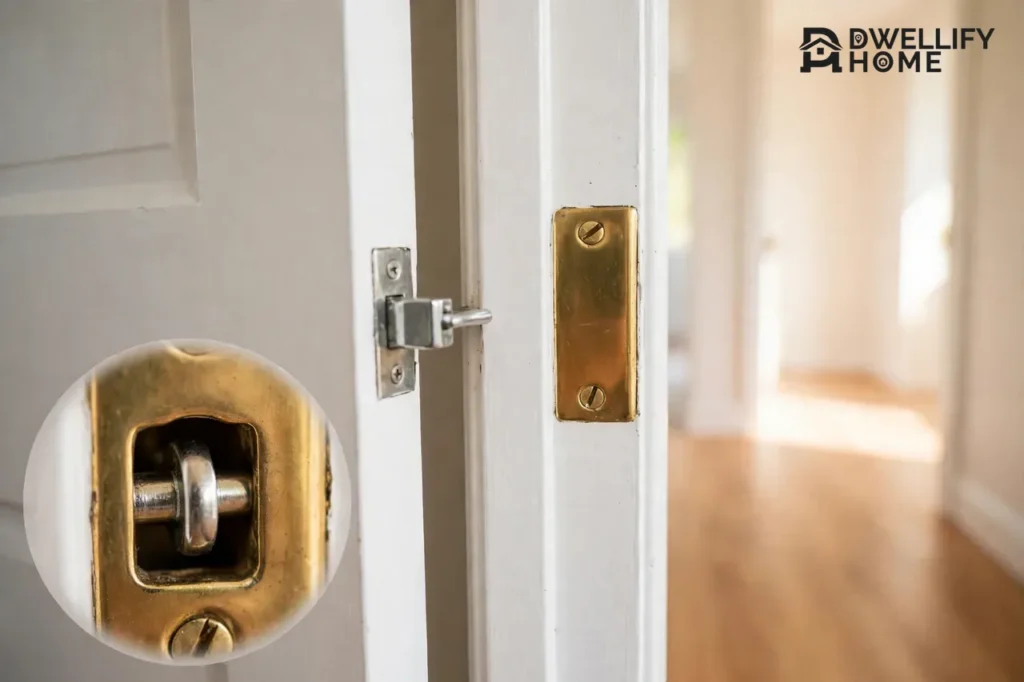
A strike plate is the small metal plate on the door frame that catches the latch or deadbolt and holds the door shut. It sits flush in the door jamb, directly across from the lock, with an opening the bolt slides into when the door closes. Without it, the bolt would chew into bare wood every time the door shut.
The plate does three jobs at once. It guides the latch in as the door closes, it takes the load of every slam and pull, and it protects the soft wood frame from wear. It is the cheapest part of the door to get wrong and the part that decides whether your lock works at all, as the hardware specialists at Security Parts put it: a strike plate costs a fraction of what the lock costs and decides whether the lock works.
This guide explains how it works, the types you will meet, why it matters for security, and how to tell when yours needs replacing. If you already know you need a new one, our install guide walks through the job step by step.
How a Strike Plate Works
Close a door and watch the latch. When you turn the knob, the spring-loaded latch bolt pulls back into the door edge. Let go, and the spring pushes it back out. As the door swings shut, the angled face of the latch meets the curved lip of the strike plate and slides along it, pushing the bolt back in. The moment the latch reaches the opening, it springs out again and the door is latched.
A deadbolt works differently. It has a flat, solid end with no spring and no angled face. You close the door first, then turn the key or thumb turn to drive the bolt straight into the strike plate opening. Because the deadbolt cannot guide itself in, it needs to line up closely with the plate, which is why a deadbolt that misses its strike by a hair feels stiff or refuses to turn.
Every push and pull on a locked door lands on the strike plate and its screws. The plate and the screws transfer that force into the door jamb and, if the screws are long enough, into the wall stud behind it. That transfer is the whole secret of door security: the lock is only as strong as the plate and screws behind it.
The Lip, the Opening, and the Box
Every strike plate has the same three parts. The faceplate is the flat metal you see, screwed flush into the frame. The opening is the hole the bolt enters. The lip is the curved tab that extends over the frame edge and ramps the latch in. Some plates add a box, or dust box, a small metal cup behind the opening that keeps debris out and adds resistance against force.
The Different Types of Strike Plates
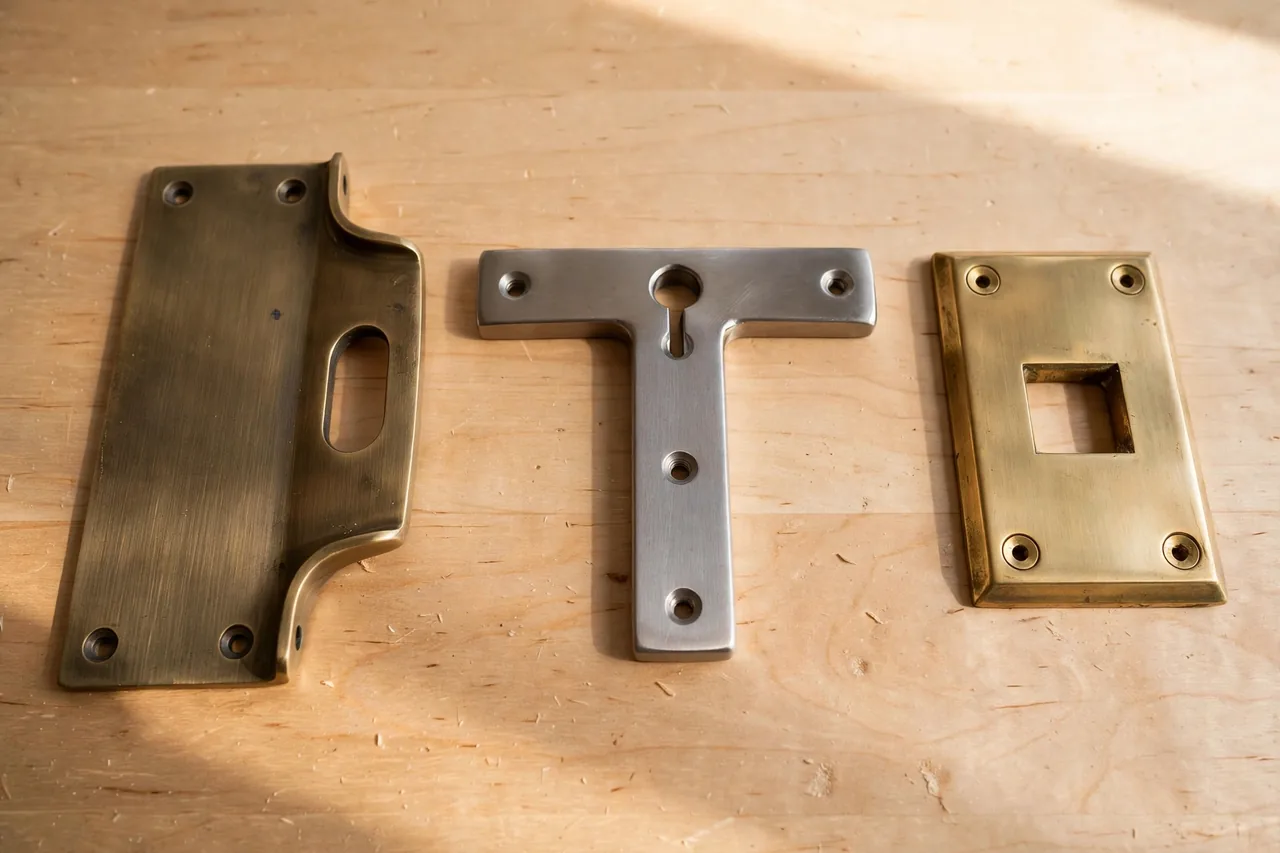
Strike plates are listed by shape, by faceplate size, and by whether a box is included, so the part number carries all three. Pick by the lock and the frame, not by looks. A plate that looks close but does not line up will stop the lock from working properly.
The full-lip or standard strike is the most common residential plate. It has a curved lip that wraps over the jamb edge and gives the latch the most surface to slide on, so it suits interior doors and standard entry handles. The T-strike is narrower at the ends and suits drive-in latches and jambs where a full rectangle will not fit.
Deadbolt strikes are bigger, squarer, and built for the solid bolt. A box strike or deep box strike wraps the deadbolt in a steel cup for high-security doors. An ANSI strike is a long rectangular plate made to a standard pattern for hollow metal frames. A rabbeted strike is stepped to follow a rabbeted frame profile. And an electric strike replaces the fixed plate with a movable keeper that an access control system releases, which is a different device entirely, not just a stronger plate.
Caption: Strike plate types and where each one belongs.
| Strike plate type | Shape | Typical frame or lock |
|---|---|---|
| Full-lip (standard) | Rectangular, curved lip | Interior doors, entry handles |
| T-strike | T-shaped, narrow ends | Drive-in latches, narrow jambs |
| Deadbolt strike | Large square opening | Exterior deadbolts |
| Box / deep box strike | Steel cup behind the opening | High-security exterior doors |
| ANSI strike | Long rectangular plate | Hollow metal frames, standard prep |
| Rabbeted strike | Stepped profile | Rabbeted frames |
| Electric strike | Movable keeper | Access-controlled doors |
When you shop, bring the old plate with you or measure its faceplate, lip length, and opening position. Lip length is measured from the center line of the strike to the end of the lip, and it is not a style choice: the wrong lip length means the latch misses the ramp and the door will not close smooth.
Why the Strike Plate Matters for Security
Most doors fail at the strike plate, not at the lock. A standard factory plate is thin stamped metal held by two short screws, usually 1/2 inch or 3/4 inch long, that bite only into the soft jamb wood. Under a kick, the screws pull free and the jamb splits along the grain, and the door opens in seconds no matter how expensive the deadbolt is.
The fix is cheap and proven. Replace the short screws with 3-inch hardened steel screws that pass through the jamb and anchor into the structural stud. Swap the thin plate for a reinforced or box strike with four screw holes. Angi explains the same upgrade in its door reinforcement guide: replacing short hinge screws with 3 1/2-inch screws strengthens the door frame by anchoring into wall studs, and the same logic applies to the strike plate screws.
Think of it as a chain. The deadbolt is one link, the strike plate is the next, the screws are the next, and the stud is the anchor. A chain breaks at its weakest link, and on most homes that link is a 3/4-inch screw in soft wood. Our guide to how locks fail and what the ratings mean walks through the full chain, and the standards behind high-security locks explains the ratings to look for.
Signs Your Strike Plate Needs Attention
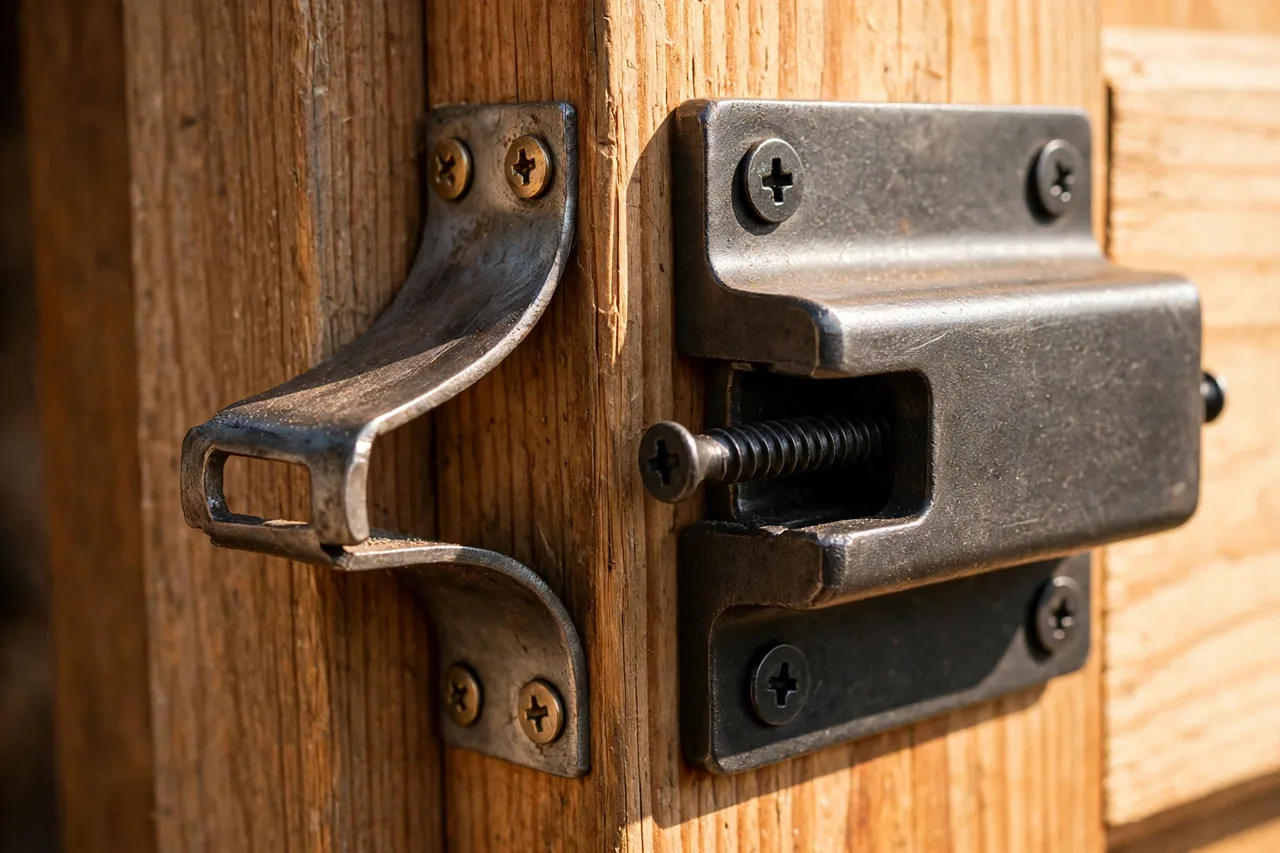
A failing strike plate announces itself if you know what to listen for. The door rattles in the frame when it is latched. The latch catches and you have to lift or push the door to lock it. The deadbolt turns stiff or stops short. The plate itself wobbles when you press it, or you can see the screws backing out.
Look at the plate once a year. Check for bent metal, a widened opening, rust on the screws, and cracks in the jamb wood around it. A bent plate means the door has been forced or slammed hard enough to deform it, and it will not protect the frame again until it is replaced.
Do the lipstick test to find the exact problem. Dab lipstick or chalk on the latch bolt, close the door gently, and look at where the mark lands on the plate. If the mark sits high, low, or off to one side, the plate is misaligned, and a small file or a shim usually fixes it. If the mark lands in the middle but the door still rattles, the plate sits too deep and needs a shim behind it.
How to Choose a Replacement Strike Plate
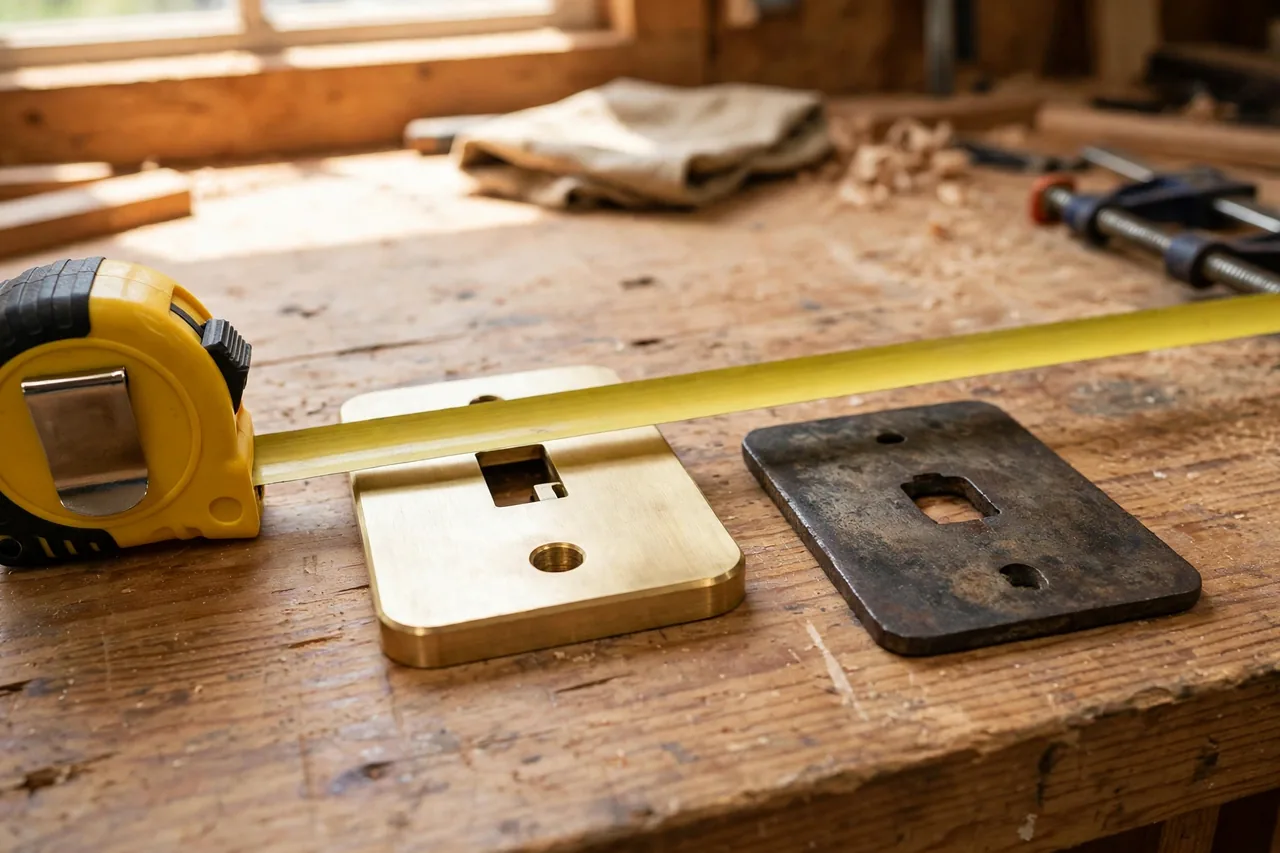
Start with the lock, not the plate. A latch needs a lipped strike, a deadbolt needs a deadbolt strike, and a mortise lock needs a plate with two openings, one for the latch and one for the deadbolt. Then measure: the backset from the door edge to the lock center, the faceplate size, and the lip length. Interior doors usually use a 2-3/8-inch backset, exterior doors about 2-3/4 inches.
For an exterior door, choose a reinforced plate. Look for thicker steel, a larger footprint that spreads force across more of the jamb, and four screw holes so you can use 3-inch screws in every position. Match the finish to the lockset so the new plate looks like it belongs, and check that the plate sits flush in the existing mortise or be ready to chisel the recess a little deeper.
Buy the screws with the plate if they are not included. Case-hardened steel, #9 or #10 gauge, 3 inches long, with a Torx or Phillips head, is the right spec for an exterior door. Skip drywall screws: they are brittle and snap under impact. If you want the full install steps, read our guide to every door lock part named first so you know each piece, then what a deadbolt is and how it works before you pick a deadbolt strike.
Strike Plate vs. Other Door Parts: Do Not Mix Them Up
Beginners mix up a few parts that live near the strike plate. The strike plate sits on the frame and receives the bolt. The latch bolt sits on the door edge and slides into the plate. The faceplate is the flat metal on the door edge around the latch, not the plate on the frame. And a nail plate is a different part entirely: it shields wires and pipes inside a wall stud from drywall screws, and it has nothing to do with a door lock.
The keeper is the one true synonym. Locksmiths often call the strike plate the keeper, because it keeps the bolt. If a locksmith says your keeper is worn, they mean the strike plate. The electric strike is the only real exception: it looks like a strike plate but has a moving keeper inside, and it needs power and an access system to work.
Strike Plate Sizes and How to Measure Yours
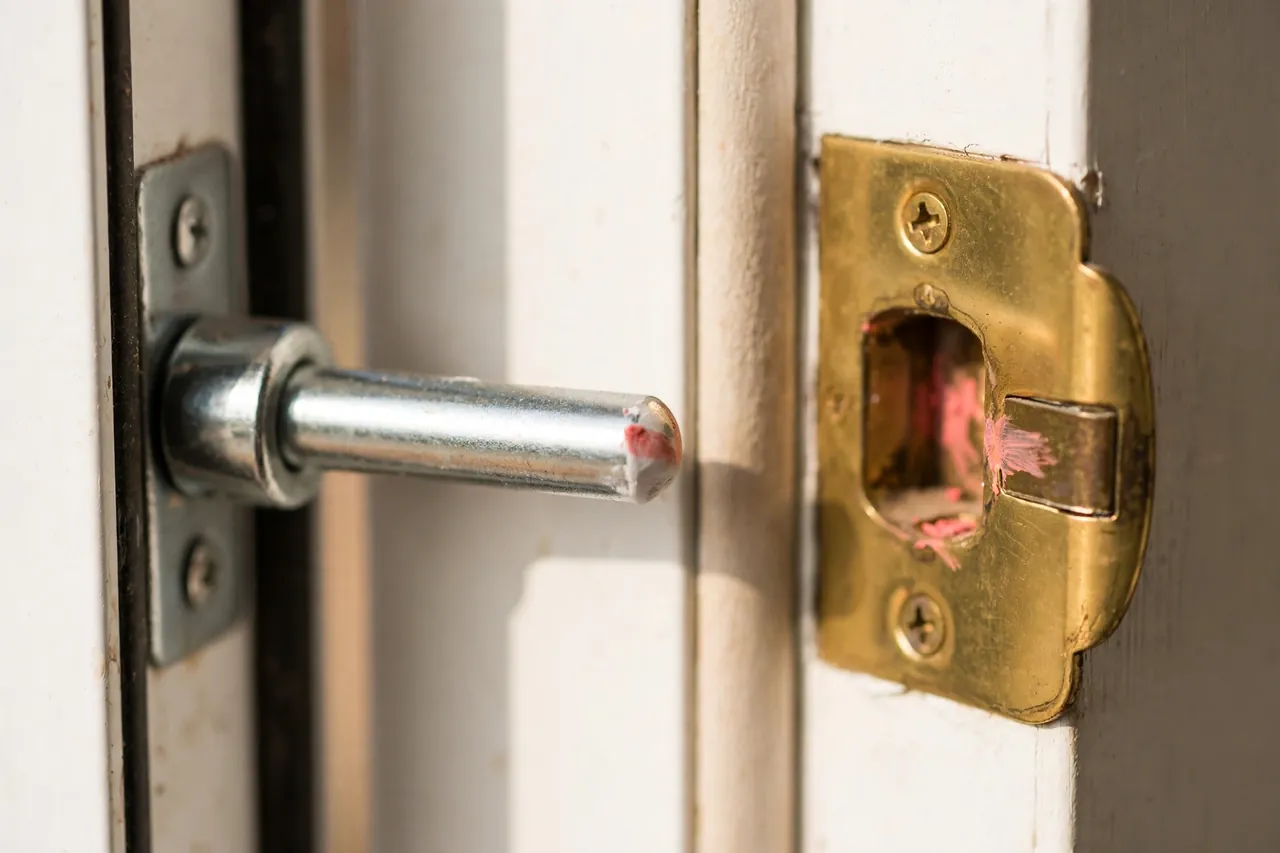
Strike plates look alike on a shelf, but small size differences decide whether the bolt lines up. The three numbers that matter are the faceplate size, the lip length, and the backset. Get all three right and the new plate drops into the old mortise with no chisel work at all.
Measure the faceplate first: its height and width, and whether the corners are square or rounded. A square-corner plate will not sit in a round-corner mortise without trimming, and a round-corner plate rattles in a square mortise. Next, measure the lip length from the center line of the strike opening to the end of the lip. Common lip lengths run from 1 inch to 1-3/4 inches, and the right length depends on how thick your jamb and trim are.
Then measure the backset, the distance from the door edge to the center of the lock hole. Interior doors usually measure 2-3/8 inches and exterior doors about 2-3/4 inches, and the strike opening must sit at that same height and distance from the jamb edge. Finally, check the opening itself: a latch opening is small and round-cornered, while a deadbolt opening is bigger and square.
The easiest method is to take the old plate to the store and match it side by side, or order by the part number stamped on the back. If the old plate is missing, trace the mortise on paper and measure the trace. A plate that matches on all three numbers is the right plate, even if the brand differs.
Related Guides
For the lock side of the story, read the best lock types for home, what a single cylinder deadbolt is, and how to improve home security with better locks.
Frequently Asked Questions
Is a strike plate necessary?
Yes. Without a strike plate, the latch or deadbolt would press straight into the wood of the jamb, wearing it down, splitting it, and letting the door swing open. The plate gives the bolt a durable surface, guides it in, and spreads force into the frame.
How does a strike plate work?
As the door closes, the angled face of the spring latch slides along the curved lip of the strike plate, pushing the bolt back in. When the latch reaches the opening, the spring pushes it out again and the door is latched. A deadbolt works differently: you turn the key or thumb turn to drive the solid bolt into the opening after the door is closed.
What is the difference between a strike plate and a deadbolt strike?
A standard strike plate has a curved lip and a small opening for the spring latch, while a deadbolt strike has a larger, squarer opening for the solid deadbolt and is usually thicker with longer screws. The deadbolt strike carries the security load, so it needs the stronger build.
What is the lip on a strike plate?
The lip is the curved tab that extends from the faceplate over the edge of the frame. It acts as a ramp that pushes the latch bolt back as the door closes, then lets it spring into the opening. Lip length is measured from the center line of the strike to the end of the lip.
Why does my door rattle when it is locked?
The strike plate usually sits too deep in its mortise, leaving a gap between the latch and the plate. Remove the plate and slip a thin shim, cardboard or plastic, behind it in the mortise, then screw it back in and test the door.
How long do strike plates last?
A strike plate lasts for decades in normal use, because it is a simple piece of steel with no moving parts. Replace it when it bends, rusts through, or the opening widens, or when you upgrade to a deadbolt that needs a stronger plate and longer screws.
Disclaimer: This guide explains standard residential door hardware. If your door is a fire door, a commercial door, or part of a security system, check the manufacturer’s instructions and local codes before changing hardware, and call a locksmith if you are unsure.
Next time your door clicks shut, look at the small plate on the frame. It is doing more work than any other piece of hardware in your home, and a five-minute check once a year keeps it doing that work.