Introduction: Is a Zafro Portable Air Conditioner Right for Your Home?
A portable AC earns its keep only when the room, vent path, and daily habits line up. A Zafro portable air conditioner can make sense for renters, bedrooms, home offices, apartments, and rooms where central cooling does not reach well, but it still needs proper sizing and setup.
The biggest mistake is buying by the largest BTU number alone. The better move is to match the unit to the room, check the window kit, understand drainage, and read the manual before the first hot day.
Quick answer: who should consider one?
A Zafro portable air conditioner is worth considering when you need flexible, room-by-room cooling without permanent installation. It suits renters, small-space homes, bedrooms, offices, and supplemental cooling. It is less ideal when you want the quietest, most efficient long-term solution and can install a window AC instead.
Portable units are practical, but they are not plug-and-forget appliances. They need an exhaust hose, a sealed window or vent opening, enough clearance, and a realistic room size.
What this guide will help you decide
This guide walks through size, BTU ratings, hose design, installation, drainage, noise, price, reviews, maintenance, and troubleshooting.
By the end, you should know whether to buy a smaller ZAFRO unit, step up to a dual-hose model, choose a Zafro window air conditioner, or compare other portable AC brands before ordering.
Mission Statement
Dwellify Home helps homeowners, renters, and property enthusiasts make practical cooling decisions by explaining product features, setup realities, maintenance needs, and buying trade-offs in plain English.
What Is a Zafro Portable Air Conditioner?
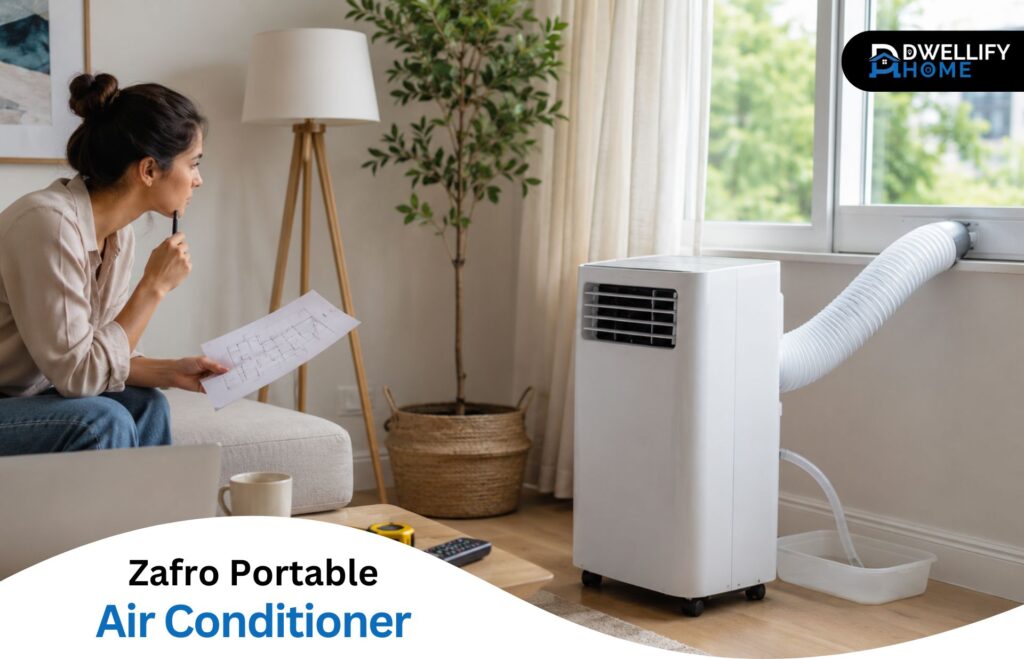
A Zafro portable air conditioner is a movable room AC unit designed to cool a single enclosed space. Most models combine cooling, fan, and dry or dehumidifier modes, with features such as remotes, timers, sleep modes, app controls, and window venting kits depending on the model.
Think of it as targeted cooling, not whole-home cooling.
How a ZAFRO portable air conditioner works
A portable AC pulls warm room air across a cold coil, sends cooled air back into the room, and pushes heat outside through an exhaust hose.
That hose matters. Without a window, sliding door, wall vent, or another safe exhaust path, the heat stays in the room and the unit cannot do its job properly.
Common modes and controls
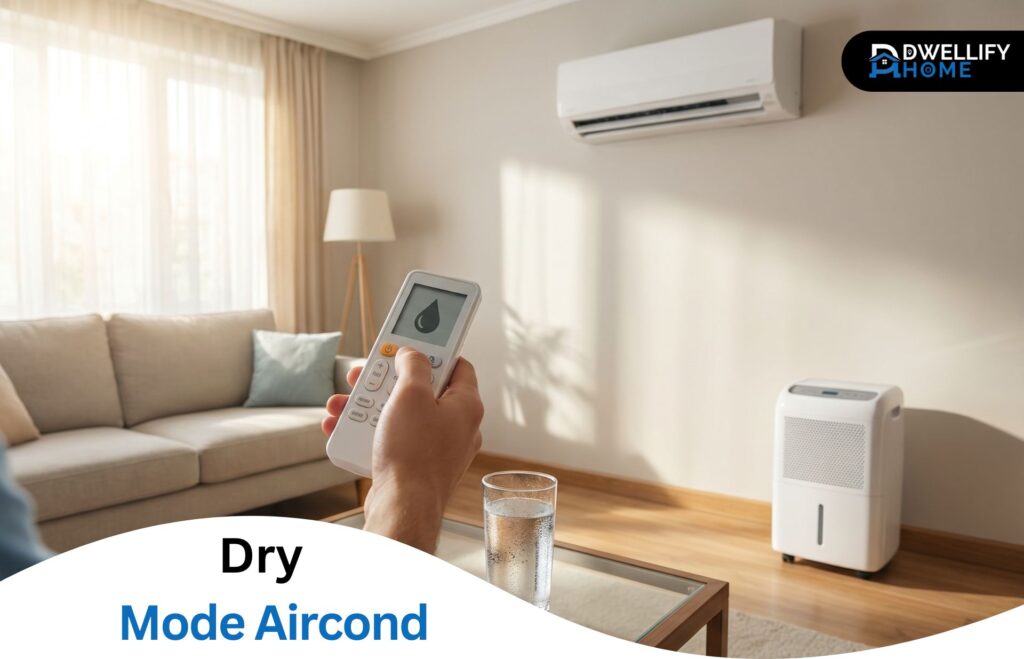
Most ZAFRO portable AC models are built around cooling, fan, and dry modes. Cooling lowers room temperature, fan mode circulates air, and dry mode removes moisture.
Sleep mode usually lowers fan intensity or adjusts operation for night use. Timers help limit runtime. Smart models may add WiFi, app control, and voice assistant compatibility.
Zafro portable air conditioner vs Zafro window air conditioner
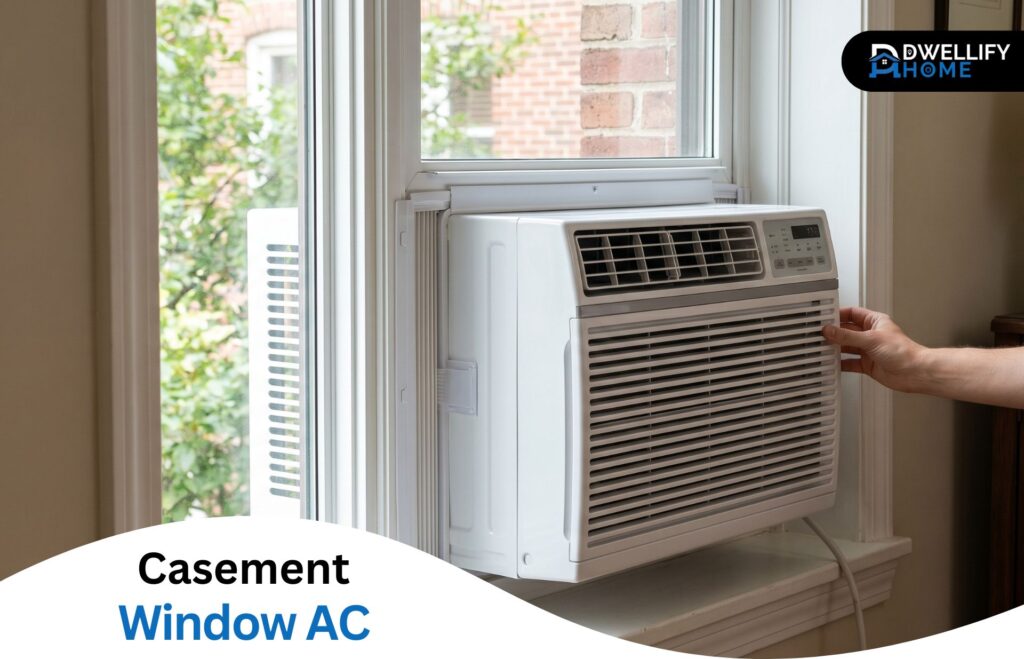
A Zafro portable air conditioner is easier to move and usually better for renters or temporary setups. A Zafro window air conditioner is often the cleaner choice for long-term cooling in one room because the hot side sits outside the room instead of relying on a hose.
Choose portable for flexibility. Choose window AC when the window allows it, the unit can stay installed, and you want a simpler permanent cooling setup.
Quick Mini-Guide: Which Zafro Portable AC Fits Your Space?
| Buyer need | Best direction |
| Small bedroom or office | Start with 8,000–10,000 BTU models |
| Medium room | Compare 12,000 BTU options and check SACC rating |
| Larger room or open area | Consider 14,000–16,000 BTU models, preferably dual-hose |
| Rental or temporary setup | Portable AC is usually more flexible than window AC |
| Long-term one-room cooling | A Zafro window air conditioner may be simpler |
Key Benefits and Uses
- Room-by-room cooling without permanent installation
- Useful for renters, bedrooms, offices, and apartments
- Some models include smart app, remote, timer, and sleep mode
- Dehumidifier mode can help in muggy rooms
- Easier to move and store than fixed cooling systems
Which Zafro Portable Air Conditioner Size Should You Buy?
The right size depends on room area, ceiling height, sunlight, insulation, heat from electronics, and how well the hose is sealed. ZAFRO models commonly appear in 8,000, 10,000, 12,000, 14,000, and 16,000 BTU classes, but the practical choice is about real room conditions.
Zafro portable air conditioner 8,000 BTU
The zafro portable air conditioner 8,000 btu class is the small-room option. It makes the most sense for compact bedrooms, small offices, or low-heat rooms where expectations are modest.
Do not buy this size for a large living room and expect fast pull-down on a hot afternoon. Smaller units can be useful, but they need an easy room to cool.
Zafro 10,000 BTU portable air conditioner
The 10,000 BTU size is often the middle ground for bedrooms, offices, and apartments. It is also where buyers start searching for the zafro 10,000 btu portable air conditioner manual because setup details matter more once the unit is used daily.
This size can be a sensible pick for one closed room. Keep doors shut, seal the window panel well, and give the unit time to pull heat out.
Zafro portable air conditioner 12,000 BTU
A 12,000 BTU model gives more breathing room for medium spaces, especially rooms with moderate sun exposure or more daily use.
This is also where comparing versions matters. A basic single-hose model and a smart dual-hose model may feel different in real use even if the product names look similar at first glance.
Zafro portable air conditioner 14,000 BTU
The zafro portable air conditioner 14,000 btu range fits buyers who are cooling larger bedrooms, small living rooms, or spaces that struggle with heat gain.
This is not automatically better than a smaller model. It is better when the room needs the extra capacity and the vent setup can handle it. A poorly vented larger unit can still disappoint.
Zafro portable air conditioner 16,000 BTU
The zafro portable air conditioner 16,000 btu models are aimed at larger rooms and stronger cooling demands. These are usually the models buyers look at when they want dual-hose design, smart inverter features, and better control options.
The trade-off is size, cost, and installation discipline. A flagship unit still needs a sealed vent, proper hose routing, and a room that matches its intended capacity.
ASHRAE vs SACC: what do the two BTU numbers mean?
ASHRAE is the older-style cooling capacity figure often shown as the larger headline number. SACC is a more practical portable-AC rating that accounts for real operating conditions more closely.
For buyers, SACC is usually the safer number to compare. A model labeled 16,000 BTU ASHRAE and 12,000 BTU SACC should be judged by the smaller number when thinking about real-room performance.
Zafro Portable Air Conditioner Model Comparison
ZAFRO’s model names can look similar, so a simple comparison helps. Always confirm live specifications on the exact retailer page before buying because listings, stock, and model details can change.
Side-by-side comparison table
| Model class | Best room fit | What to check first |
| 8,000 BTU | Small bedroom or office | Room size, noise tolerance, window kit fit |
| 10,000 BTU | Bedroom, office, small apartment room | Manual, hose setup, drainage guidance |
| 12,000 BTU | Medium room | Single-hose vs dual-hose version |
| 14,000 BTU | Larger bedroom or living space | SACC rating, outlet location, noise |
| 16,000 BTU | Larger room or open area | Dual-hose setup, weight, price, return policy |
Best fit for bedrooms, apartments, and open rooms
For bedrooms, start with the smallest unit that realistically fits the room. Oversizing can add cost and noise without solving poor venting.
For apartments, check lease rules, window type, storage space, and whether the hose panel can be installed without damage.
For open rooms, lean toward higher SACC ratings and dual-hose designs, but do not expect one portable unit to cool a whole floor.
What Features Matter Most Before You Buy?
The useful features are the ones that affect comfort after the first week: hose design, noise, drainage, controls, power use, and how easy the unit is to live with.
Single-hose vs dual-hose design
Single-hose units exhaust hot air through one hose. Dual-hose units use one hose to pull intake air and another to exhaust heat, which can help in hotter or larger spaces.
A zafro dual hose portable air conditioner is usually the better choice for demanding rooms, but it also takes more setup space at the window.
Noise level and sleep mode
Portable ACs make compressor and fan noise. Sleep mode can help at night, but it does not make the unit silent.
For bedrooms, place the unit before bedtime and test the sound at your normal sleeping distance. Noise that seems fine in the afternoon can feel different in a quiet room at 2 a.m.
Drainage-free cooling and dehumidifier mode
“Drainage-free” or self-evaporating design means the unit can often manage condensate during normal cooling. It does not mean water never exists inside the machine.
Humid weather, long runtimes, and dry mode can still require draining. Buyers in humid climates should read the drainage section of the zafro portable air conditioner manual before relying on the feature.
Smart app, remote, and voice control
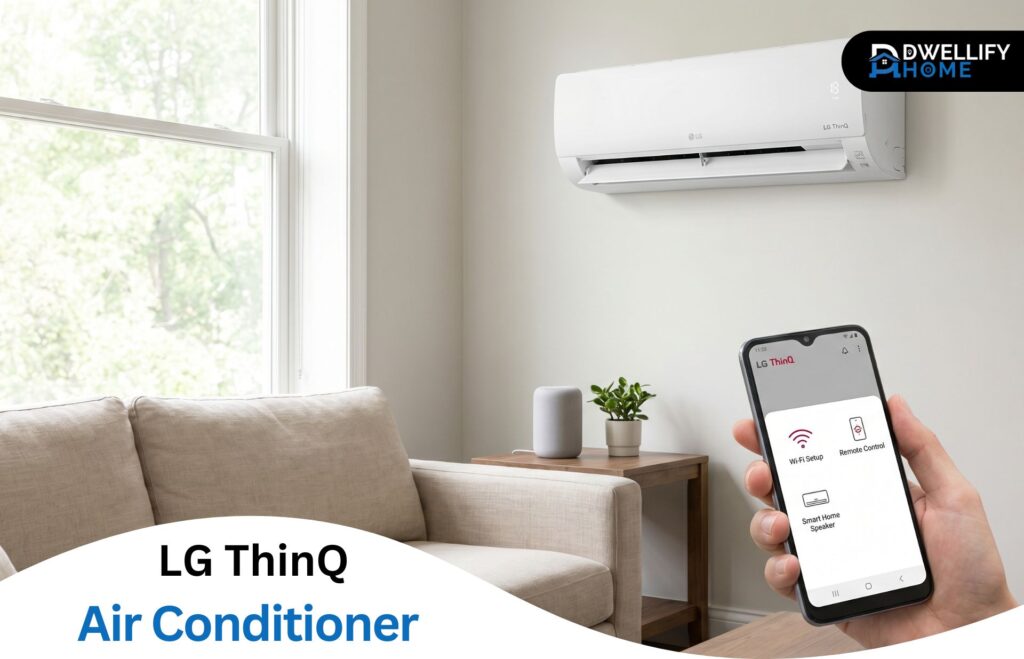
A zafro smart portable air conditioner with app control is useful when the unit is across the room, used on a schedule, or placed in a bedroom before sleep.
The remote is still important. App features are convenient, but basic control should not depend on your phone, WiFi, or a voice assistant working perfectly.
CEER, power use, and running-cost expectations
CEER helps compare efficiency, but your actual running cost depends on local electricity rates, thermostat setting, room heat load, and daily runtime.
Do not judge energy use from marketing language alone. Compare wattage, SACC, CEER, and how long you realistically expect the unit to run.
Portability, footprint, and storage
Portable does not always mean light. Larger ZAFRO models may roll easily on flat flooring but still feel awkward on stairs, rugs, or tight corners.
Check dimensions, weight, handle placement, hose storage, and where the unit will sit during winter. A unit that blocks a walkway gets annoying fast.
What Should You Know About Installation and First Use?
Installation decides a lot of the cooling result. A well-sized unit with a leaky window panel can perform worse than a smaller unit installed carefully.
What comes in the box
A typical setup may include the AC body, exhaust hose or hoses, hose connectors, window panels, sealing foam, remote, drainage parts, batteries, and a user manual.
Check the box before throwing packaging away. Missing adapters or panels can stop the whole installation.
Window kit fit and venting basics
Measure the window before ordering, especially with sliding windows, casement windows, basement openings, or wide patio doors.
The exhaust hose should reach comfortably without being stretched or sharply bent. Long, twisted, or poorly sealed hose runs hold heat and reduce cooling.
Placement, clearance, outlet, and first-start rules
Place the unit on a firm, level surface with space around the intake and outlet. Keep it away from curtains, furniture, and heat sources.
Use a suitable wall outlet. Avoid overloaded circuits. After delivery or tipping, let the unit stand upright before starting so oil and refrigerant can settle according to the manual’s guidance.
Common setup mistakes that hurt cooling
The most common mistakes are easy to miss: gaps around the window kit, a loose hose connector, a crushed hose, an open door, sunlight pouring through glass, or the unit placed too close to a wall.
Fix those before blaming the machine. Portable AC performance often improves noticeably after air leaks are sealed.
When the manual and support resources matter most
The manual matters most during first setup, drainage, filter cleaning, error codes, and storage. Search by exact model number, not just “zafro portable air conditioner manual.”
Model-specific manuals help because hose parts, drain points, controls, and error guidance can vary between units.
Zafro Portable Air Conditioner Reviews: What Real Buyers Commonly Like and Dislike
Zafro portable air conditioner reviews are most useful when you read them for patterns, not isolated praise or complaints. Look for repeated comments about cooling, noise, fit, reliability, drainage, and support.
What positive reviews usually mention
Positive reviews often focus on quick setup, useful remote controls, good cooling in matched rooms, and the convenience of moving the unit between spaces.
Those comments are strongest when the buyer describes the room size and setup clearly. A review from a sealed bedroom tells you more than a vague “works great.”
What negative reviews usually mention
Negative reviews tend to mention weaker-than-expected cooling, noise, hose fit, water alerts, reliability concerns, or value for the price.
Some problems come from the unit. Others come from wrong sizing, poor venting, or expecting one portable AC to handle too much open space.
What owner discussions reveal that listings do not
Owner discussions often bring up practical details listings skip: hose diameter, replacement hose length, basement venting, breaker trips, and whether the unit performs in a poorly insulated room.
These are the details worth reading before checkout. They tell you what ownership feels like after the box is open.
How Much Does a Zafro Portable Air Conditioner Cost?
The zafro portable air conditioner price changes by BTU size, model type, season, retailer, availability, and promotions. Do not rely on one old price as the normal price.
Typical price range by size and model type
Smaller 8,000 and 10,000 BTU units usually sit at the lower end of the range. Larger smart inverter and dual-hose models cost more because they add capacity and features.
The fairest comparison is not just price. Compare SACC rating, hose type, warranty, return policy, and whether all installation parts are included.
Why price and availability change by retailer and season
Portable AC prices often rise or stock out during heat waves. ZAFRO Shop, Amazon, Lowe’s, Target, Walmart, and other retailers may show different availability or bundles.
Check the exact seller, shipping timing, return window, and whether the listing is new, open-box, or third-party.
Warranty, returns, and seller-check checklist
Before ordering, confirm:
- Exact model number and BTU/SACC rating
- Included window kit and hose parts
- Return window
- Warranty length
- Seller name and reputation
- Manual availability
- Support contact options
- Delivery condition and damage policy
That checklist can save more frustration than chasing the lowest visible price.
Maintenance and Common Problems to Understand Before You Buy
Portable AC ownership is easier when you know the common maintenance points before the unit arrives. Filters, drainage, hoses, and storage all affect cooling.
How often should you clean the filter?
Clean the filter regularly during heavy use, and more often in dusty rooms or homes with pets. A dirty filter reduces airflow, makes cooling weaker, and can make the unit work harder.
Follow the model manual, wash or vacuum the filter gently, and let it dry fully before reinstalling.
When do you still need to drain the unit?
You may still need to drain the unit in humid weather, during dehumidifier mode, or after long continuous operation.
A self-evaporating system reduces routine draining, but it does not remove moisture from the laws of physics. Watch for full-tank alerts and keep the drain setup accessible.
Why a Zafro portable air conditioner may not cool well
Poor cooling usually comes from one of five things: wrong size, poor window sealing, blocked airflow, hot air leaking from the hose, or unrealistic expectations for an open room.
Start with the basics. Close doors, seal gaps, clean the filter, shorten hose bends, and confirm the unit is in cooling mode at a sensible set temperature.
What do E0, E1, E2, and Ft mean?
Error codes are model-specific warnings, so the manual should be the final source. In general, E0, E1, and E2 relate to internal sensor or control faults, while Ft usually points to a full tank or water-related alert.
Turn the unit off safely, check the manual, drain if instructed, and contact support when the code does not clear.
Why the unit may sound loud, leak, or trip a breaker
Noise can come from normal compressor operation, vibration on uneven flooring, loose panels, or hose movement. Leaks can come from improper drainage, tilted placement, or blocked water flow.
Breaker trips need extra caution. Do not keep resetting a breaker without checking circuit load and outlet suitability. A portable AC should not share an overloaded circuit.
How to store the unit after the season ends
Drain remaining water, run fan mode briefly if the manual recommends drying the inside, clean the filter, remove hoses, and store parts together.
Avoid kinking hoses in storage. Next summer’s setup is much easier when panels, screws, remote, and manual are kept in one labeled bag.
Should You Buy a Zafro Portable Air Conditioner?
A ZAFRO portable AC is a sensible buy when the model fits the room, the window kit fits the opening, and you accept the normal trade-offs of portable cooling.
Best reasons to buy one
Buy one for flexible cooling, renter-friendly setup, targeted room comfort, app or remote control, and a range of BTU sizes.
The stronger ZAFRO models make the most sense when you need portable cooling but still want features such as dual hoses, inverter operation, or smart controls.
Reasons to consider another portable AC brand
Compare other brands when reviews raise concerns about reliability, the price seems high for the SACC rating, or the exact model lacks the hose type, warranty, or noise profile you want.
Brand loyalty matters less than model fit. The right portable AC is the one that handles your room without creating new daily annoyances.
When a Zafro window air conditioner makes more sense
A Zafro window air conditioner makes more sense when the unit can stay in one window, the room needs regular cooling all summer, and portability is not important.
Window units are often cleaner for fixed rooms because they do not take up floor space or rely on a long exhaust hose inside the room.
Final buyer checklist before ordering
Before buying, confirm room size, SACC rating, window fit, outlet location, hose path, noise tolerance, drainage plan, return policy, warranty, seller reputation, and where to find the manual.
That last check is what separates a good purchase from a heavy box you regret unpacking.
FAQs About Zafro Portable Air Conditioners
Are Zafro portable air conditioners good?
Zafro portable air conditioners can be good when sized and installed correctly. They offer practical features such as multiple modes, portable setup, and smart controls on some models. The main caveat is that buyer satisfaction depends heavily on room size, vent sealing, noise expectations, and choosing the right BTU class.
Does a Zafro portable air conditioner need to be drained?
Sometimes, yes. Self-evaporating or drainage-free cooling can reduce routine draining, but humid conditions and dehumidifier mode may still create water that needs to be drained.
Keep the drain point accessible and read the manual before running dry mode for long periods.
What size Zafro portable air conditioner do I need?
Choose size by SACC rating, room area, insulation, sun exposure, and whether the space can be closed off. Small bedrooms may suit 8,000 or 10,000 BTU classes, while larger rooms may need 14,000 or 16,000 BTU models.
Poor venting can make any size feel underpowered.
Is the 16,000 BTU Zafro portable air conditioner worth it?
The 16,000 BTU model can be worth it for larger rooms where dual-hose design, stronger capacity, and smart inverter features matter. It is not worth paying extra for a small bedroom or a room with a poor vent path.
Buy it for the right space, not just the biggest number.
Is the 14,000 BTU Zafro portable air conditioner enough for a living room?
It can be enough for a smaller or moderately sized living room that can be closed off and vented well. It may struggle in large open-plan spaces, rooms with strong sun, or homes with poor insulation.
Check SACC rating and room conditions before deciding.
Where can I find the Zafro portable air conditioner manual?
Look for the manual by exact model number on the retailer listing, ZAFRO support pages, or documentation links provided with the unit.
Do not rely only on a general search. A zafro portable air conditioner manual for one model may not match another model’s controls, drain setup, or error codes.
Can I use a Zafro portable air conditioner without a window?
Not properly, unless you have another safe exhaust path such as a suitable wall vent, sliding door kit, or approved vent opening.
A portable AC must send heat outside. Running it without venting usually sends cooled air and rejected heat back into the same space.
Is a Zafro portable air conditioner better than a window AC?
It is better for flexibility, rental situations, and temporary cooling. A window AC is often better for a fixed room, long-term use, and saving floor space.
The better choice depends on the room, not the brand name alone.
How loud is a Zafro portable air conditioner?
Noise varies by model, fan speed, compressor operation, flooring, and distance from the bed or desk. Sleep mode may reduce sound, but portable ACs are still audible appliances.
Check reviews from bedroom users if quiet operation is a major priority.
How long should I wait before turning it on after delivery?
Let the unit stand upright before first use, especially if it was shipped, tipped, or carried on its side. Follow the exact waiting time in the manual.
Starting too soon after transport is a simple mistake that is easy to avoid.
Conclusion: The Smart Way to Buy a Zafro Portable Air Conditioner
The smart way to buy a Zafro portable air conditioner is to start with the room, not the product card. Measure the space, check the window, compare SACC ratings, understand drainage, and read enough reviews to know the usual trade-offs.
A bigger BTU number helps only when the setup supports it.
Final recommendation based on room size, setup, and budget
For small rooms, start with the 8,000 or 10,000 BTU class. For medium rooms, compare 12,000 BTU options carefully. For larger rooms, look at 14,000 or 16,000 BTU models, especially dual-hose versions.
Buy the model that matches your room, venting, budget, and patience for maintenance. That is the ZAFRO unit most likely to feel like a good decision after the first heat wave.
Disclaimer
This content is for general informational purposes only. Product performance, comfort, noise, energy use, and suitability can vary by model, room conditions, installation quality, and personal preferences.