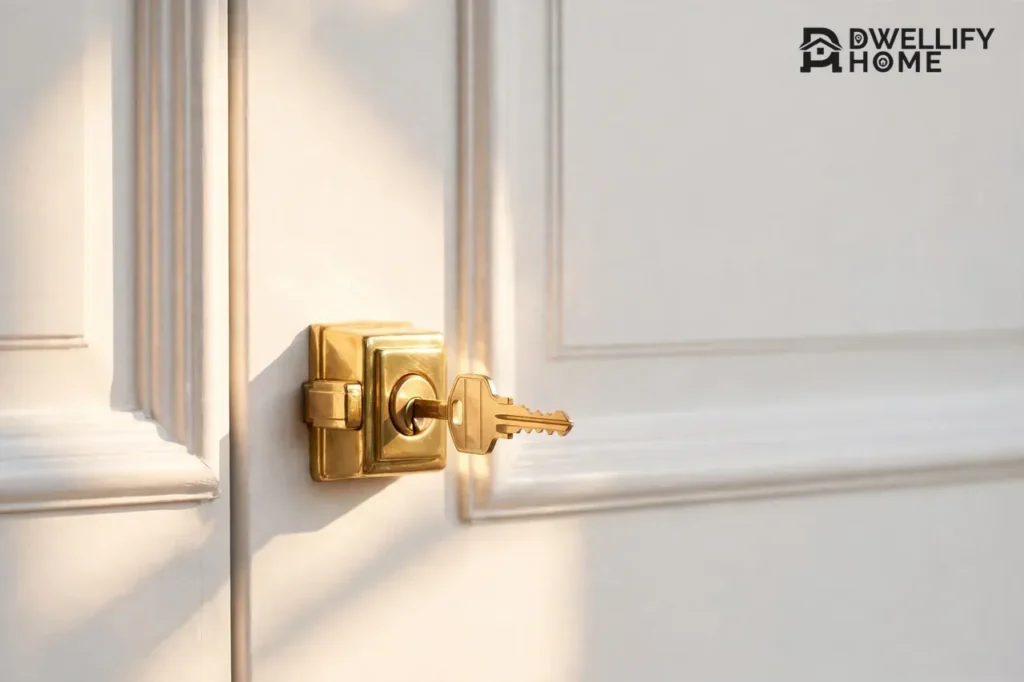
Learning how to rekey a lock starts with one move: change the pins inside its cylinder so a new key operates it and the old keys stop working, while the knob, deadbolt, and trim stay on the door. A Kwikset SmartKey lock rekeys in minutes with no disassembly — insert the working key, turn it 90 degrees, press the SmartKey tool, and insert the new key. A standard pin tumbler lock needs a brand-specific rekeying kit, which costs $10 to $25, while hiring a locksmith costs $80 to $160, according to Angi’s 2026 rekeying guide.
Rekeying is the cheapest real security upgrade a home can get, and it is the first job after moving in, losing a key, or handing back keys to a tenant. It is also the job most people overthink: the steps are simple, the tools fit in one hand, and the only hard part is knowing which kind of lock you own. This guide shows you how to tell, then walks through both methods — the two-minute SmartKey rekey and the full pin-swap rekey — plus the costs, the mistakes, and the one situation where you should call a locksmith instead. One fact in the cost table below decides whether DIY is worth it for your house, and it is not the price of the kit.
The Short Answer: What Does Rekeying a Lock Mean?
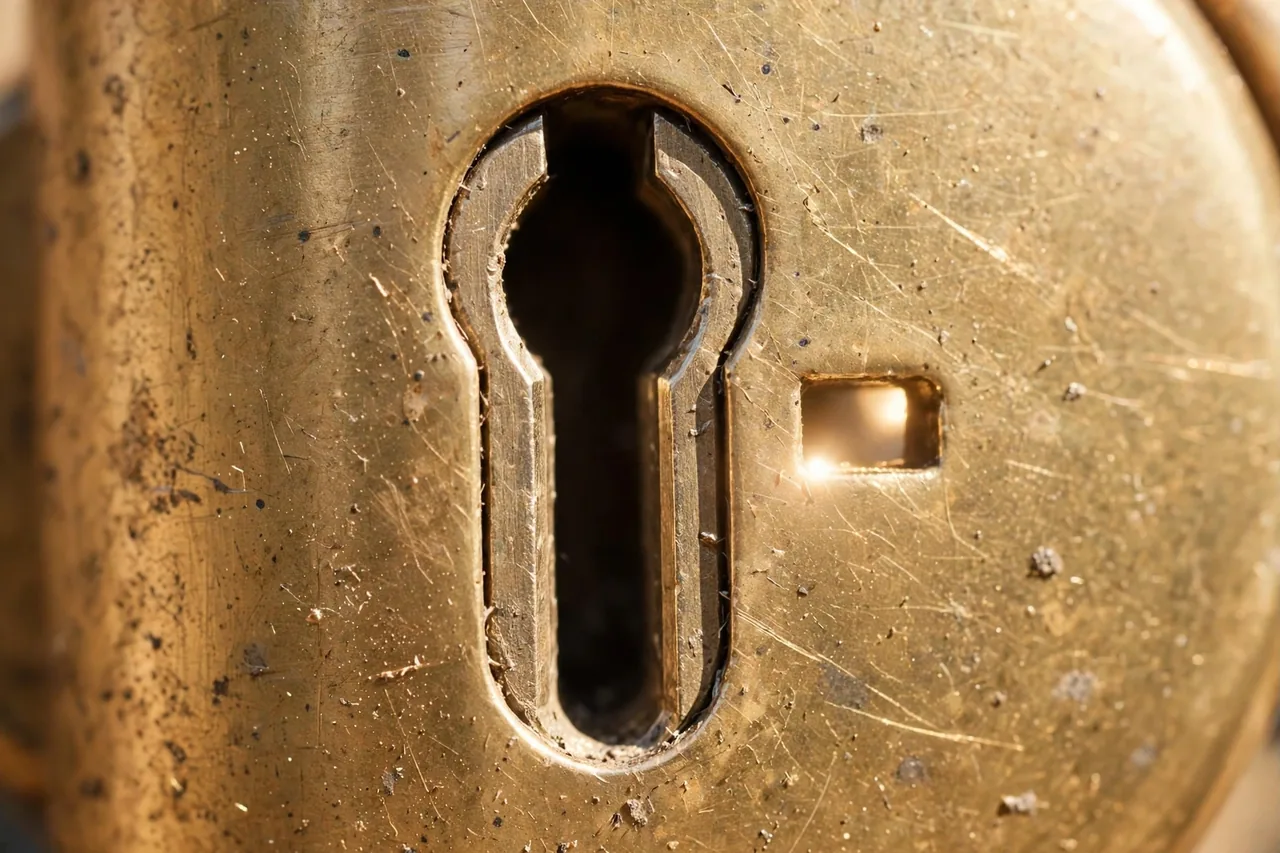
Rekeying a lock means changing the internal pins and springs inside the cylinder so a new key works and the old keys do not, while the exterior hardware stays exactly where it is. The knob, the deadbolt, and the trim never leave the door in a SmartKey rekey, and they only come off temporarily in a pin-tumbler rekey. The lock looks the same the day after as the day before — only the key changes. That is the whole difference between rekeying and replacing: replacing swaps the hardware, rekeying swaps the secret inside it.
Rekeying is possible for most standard pin tumbler locks, including knob locks and deadbolts, and it is the right move whenever the hardware is sound but the keys are not trusted. If the lock sticks, wobbles, or barely turns, rekeying will not fix it — a worn lock needs replacing, not new pins. If the lock works smoothly and you simply do not know who holds a copy of the key, rekeying is the fastest, cheapest answer. The situations that call for it are the same ones every homeowner meets sooner or later, and they are worth naming before you buy a kit.
When to Rekey Your Locks
Rekey your locks when you move into a new home, when you lose a key, when a tenant or a contractor hands back keys, or when you want every door in the house to work from a single key. Moving in is the big one: in an older home it is simply impossible to know how many keys that fit your lock are floating around out there, and Angi’s guide opens with exactly that warning. A lost key is the same problem in miniature — the key still exists, and you no longer know where it is.
The one-key convenience is the quiet reason most people rekey. A rekeying kit can key all your doors alike, so one key opens the front, the back, and the garage service door, and you stop carrying a janitor’s ring. Our comparison of rekeying vs changing locks explains when rekeying is enough and when replacement is the better call, and our guide to how much it costs to rekey a lock breaks down the full price by house size. Rekey after a breakup, after a roommate moves out, or after any key goes missing — and do it the same week, not the same year. The lock you own decides how the job goes, and that is the next step.
What Most People Get Wrong About Rekeying
The most common mistake is thinking a rekey makes a lock stronger. It does not. Rekeying changes the key, not the strength: a worn, loose, or low-grade lock is exactly as easy to force after a rekey as it was before. If the lock is the weak point, the fix is a better lock, not new pins. The second mistake is buying the wrong brand’s kit. Rekeying kits are tied to specific manufacturers — Kwikset and Schlage kits are not interchangeable, because their keyways and pin sizes differ — and a mismatched kit leaves you with a lock that will not turn at all.
The third mistake is testing the new key with the door closed. If the rekey went wrong and the key does not work, you are locked out of your own house. Always test with the door open, and keep the old key nearby until the new one proves itself. The fourth mistake is rushing the pin work: a single pin in the wrong chamber, or a top pin that drops out while the plug is out, turns a thirty-minute job into a locksmith’s visit. Slow, clean, and flat beats fast every time. The first thing to get right is identifying your lock, because the two methods share nothing but the goal.
Identify Your Lock First: SmartKey or Pin Tumbler?
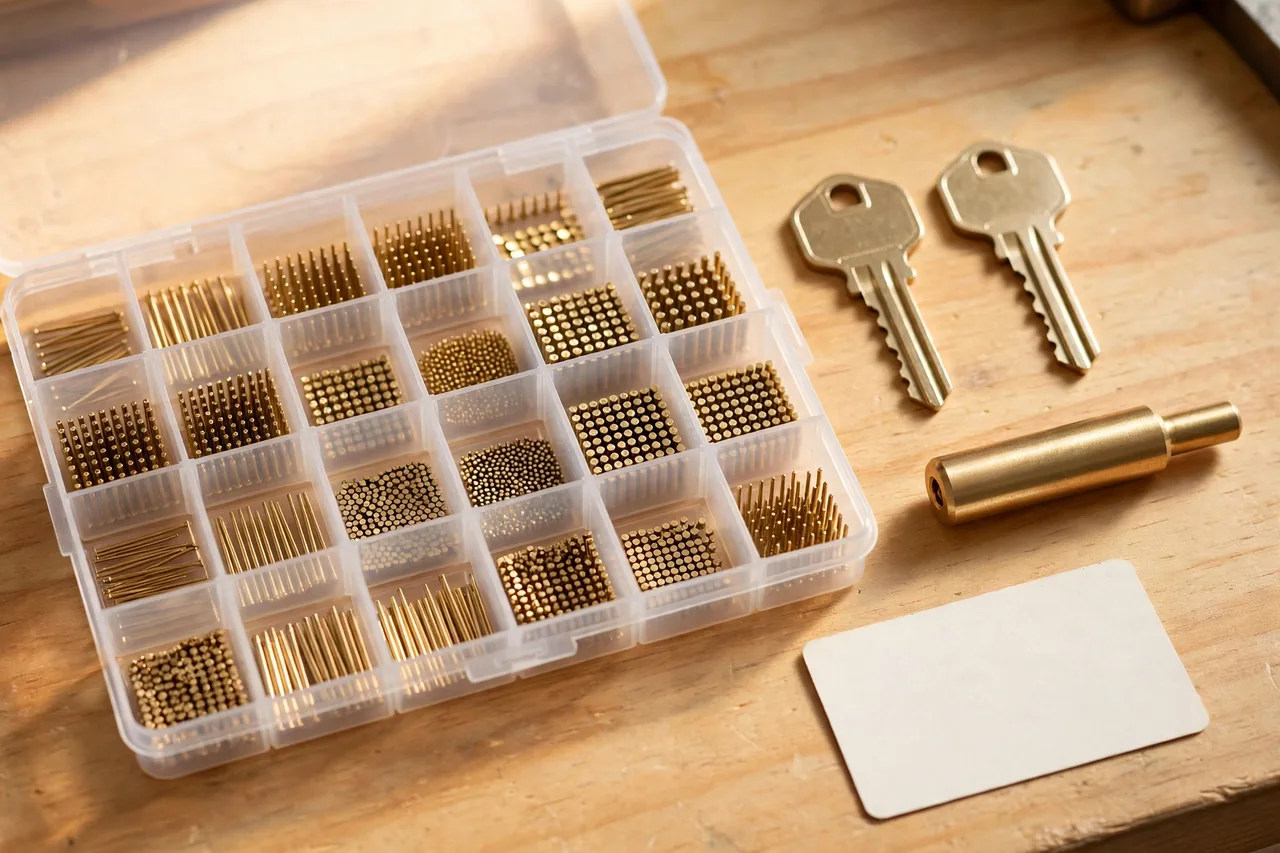
Identify your lock before you buy anything, because Kwikset SmartKey locks and standard pin tumbler locks rekey in completely different ways. A Kwikset SmartKey lock has a small rectangular hole beside the keyway on the face of the cylinder — that is the SmartKey hole, and it means the lock reprograms itself with a tool and no disassembly. A standard pin tumbler lock, including most Schlage locks, has no such hole, and it rekeys by hand: you remove the cylinder, swap the pins, and reassemble it. Check the face of the lock and the brand name stamped on it before you shop.
Kwikset’s SmartKey cylinders take the Kwikset KW1 keyway as standard, while the SC1 version of SmartKey takes a Schlage C keyway, with the rekey hole on the opposite side of the keyway. Schlage pin tumbler locks need a Schlage keying kit — kit 40-132 covers the common knobs, levers, and B-Series deadbolts. If your lock is a mortise lock, a smart lock, or a high-security cylinder with a restricted keyway, the DIY methods in this guide do not apply, and a locksmith is the right call. For the two common kinds, the tools are cheap and the steps are below — SmartKey first, because it is the one most people own.
Tools and Kit You Need to Rekey a Lock
For a Kwikset SmartKey lock you need three things: the key that currently works the lock, the SmartKey tool that shipped with it, and a new key cut on the same keyway. The SmartKey tool is a small metal piece that came in the lock’s box; if you lost it, Kwikset sells replacements, and a locksmith can order one. For a standard pin tumbler lock you need a brand-specific rekeying kit, which includes new pins, new keys, a plug follower, and a pinning chart, plus a screwdriver, needle-nose pliers, and tweezers.
Rekeying kits cost $10 to $25 at most hardware stores and online, and one kit usually covers up to six locks of the same brand. Angi’s rekeying guide puts the kit at $10 to $25 for materials and the whole DIY job at up to $25, which is the number to budget. Work on a clean, flat, well-lit table with a light-colored surface, because the pins are tiny and a dark counter swallows them. Lay out a white towel or a sheet of paper, keep the parts in order, and do one lock at a time — mixing pins between two locks is the classic way to ruin both. The SmartKey method needs no table at all, and it takes minutes.
How to Rekey a Kwikset SmartKey Lock
Rekey a Kwikset SmartKey lock in nine steps, with the lock still on the door. These are the SmartKey steps from Kwikset’s own rekeying instructions, and they work the same way on every SmartKey product. Kwikset’s official SmartKey rekeying guide stresses one point above all: the new key must be fully inserted, or the cylinder learns only part of the key combination.
- Insert the key that currently operates the lock, and make sure it is fully inserted.
- Rotate that key 90 degrees clockwise.
- Insert the SmartKey tool fully and firmly into the SmartKey hole until you feel it click inside the lock.
- Remove the SmartKey tool, then remove the current key.
- Insert the new key and make sure it is fully inserted.
- Without pushing or pulling on the key, rotate it 180 degrees counterclockwise, then 180 degrees clockwise.
- Pull on the key to confirm it will not come out in this position. If it comes out, the rekey did not take; start again from step 1.
- Rotate the key 90 degrees counterclockwise back to the starting position and remove it.
- Test the new key with the door open, several times, before you trust it.
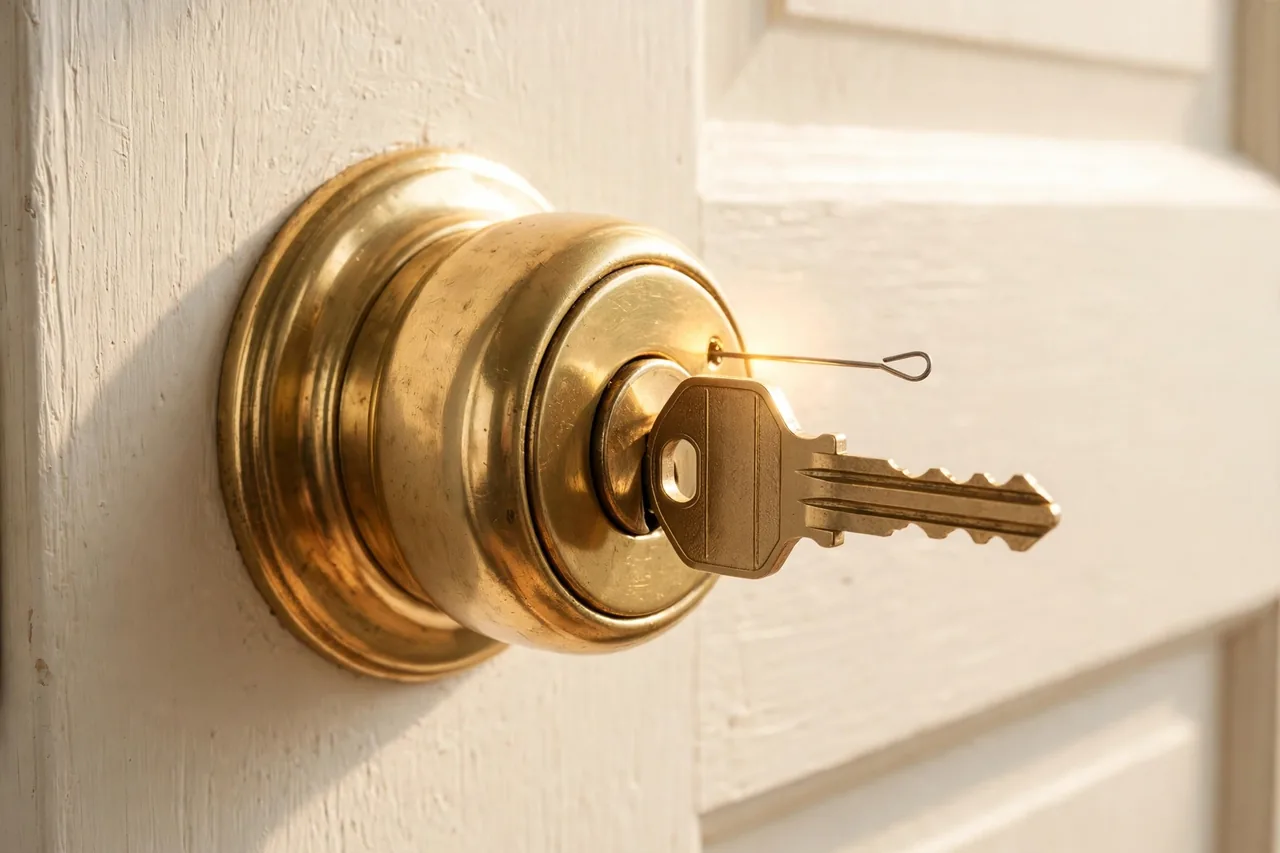
That is the whole job, and it takes about two minutes per lock. The step people skip is number 7, the pull test, and it is the step that catches a failed rekey before you are locked out. If the key pulls out in the horizontal position, the cylinder did not learn the new key — start over, push the new key in all the way, and try again. If the SmartKey tool is damaged or missing, do not improvise with a paperclip or a nail; order a replacement tool from Kwikset, because a damaged tool can jam the cylinder. A lock that will not rekey after two careful attempts is a lock to take to a locksmith, not a lock to force. The pin-tumbler method is longer, and it starts with the lock coming off the door.
How to Rekey a Standard Pin Tumbler Lock
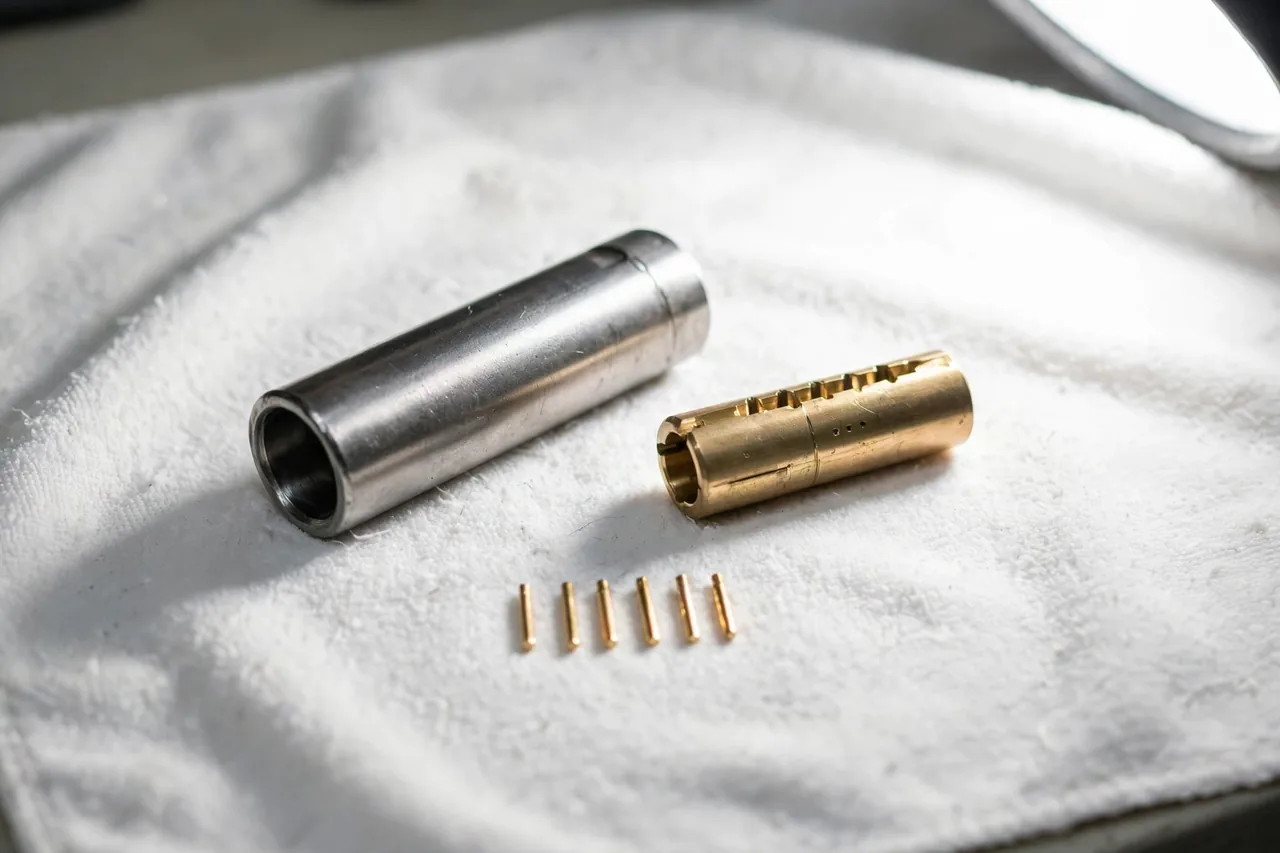
Rekey a standard pin tumbler lock by removing the cylinder, swapping the bottom pins to match a new key, and reassembling it. The process hinges on the shear line — the point where the inner plug meets the outer housing — which must be perfectly clear of pins for the lock to turn. Work slowly, on a flat surface, with one lock at a time. Angi’s step-by-step rekeying guide walks the same sequence, and its warning is worth repeating: the kit must match your lock’s brand, because Kwikset and Schlage pins are not interchangeable.
- Remove the doorknob or deadbolt from the door with a screwdriver, and take out the cylinder.
- Insert the original key and turn it slightly, usually a quarter turn, to align the plug for removal.
- Use the plug follower from your kit to push the plug out of the housing, keeping steady pressure so the top pins and springs stay in place.
- Dump the old bottom pins out of the plug and set them aside, away from the new pins.
- Insert the new key into the empty plug.
- Use the pinning chart from your kit to select the new pins that match the new key’s cuts, and place them in the plug chambers so their tops sit flush with the plug.
- Slide the plug back into the housing using the follower, keeping the top pins held above the shear line until the plug seats.
- Reassemble the lock, reinstall it on the door, and test the new key with the door open, several times.
- Test the old key too — it must not work. If it turns, a pin is wrong; take the plug out and re-check the chart.
The step that ruins most first attempts is number 3: if the follower slips, the top pins and springs pop out of the housing and scatter, and reassembling them without the chart is guesswork. Keep one finger on the follower at all times, work over the towel, and do not rush. A first pin-tumbler rekey takes 30 minutes to an hour; the second one takes half that. If the plug will not go back in, or the new key binds, stop and re-check the pin heights against the chart — a pin sitting a fraction high is the usual cause. The deadbolt follows the same process, with one difference worth knowing.
How to Rekey a Deadbolt Lock
Rekey a deadbolt the same way you rekey a knob lock, because most residential deadbolts use the same pin tumbler cylinder. Remove the deadbolt from the door by unscrewing the interior side, take out the cylinder, and follow the pin-swap steps above — or use the SmartKey steps if it is a Kwikset SmartKey deadbolt. HomeTips notes that rekeying is possible for most standard pin tumbler locks, including deadbolts, and that the original key is needed for the DIY method.
The deadbolt difference is the tailpiece: the flat bar at the back of the cylinder that throws the bolt. Note which way it points before you remove the cylinder, and put it back the same way, or the deadbolt will throw backwards and the lock will not work. Take a phone photo before you take anything apart — it costs nothing and saves the job. Our deadbolt door lock guide explains the parts by name, and our single-cylinder deadbolt guide covers the most common residential type. If your deadbolt is a double-cylinder model, with a key on both sides, the rekey steps are the same — but check your local fire code first, because some jurisdictions restrict double-cylinder deadbolts on exit doors.
Can You Rekey a Lock Without the Original Key?
No, there is no easy DIY method to rekey a lock without the original key. The original key is what lets you turn the plug and remove it from the housing, and without it the cylinder cannot be disassembled by hand. Angi’s FAQ answers this directly: it is possible, but there is no easy DIY method, so call a locksmith if you have lost the original key. A locksmith can pick or decode the cylinder, or remove it and rekey it in the shop, and the cost is usually a service fee plus a per-cylinder charge.
There is one exception: a Kwikset SmartKey cylinder that was programmed wrong, or whose key is lost, can be reset with a SmartKey reset cradle, a tool that holds the removed cylinder and twists it back to a blank state. The cradle is a locksmith tool, not a homeowner tool, and buying one for a single lock costs more than the locksmith’s visit. If you have lost all copies of the key, call a locksmith, keep the lock if it is sound, and rekey it in the shop — which is cheaper than a mobile visit, because you skip the trip fee. The cost table below shows when DIY wins and when the pro wins.
DIY vs Locksmith: What Rekeying Costs
A DIY rekeying kit costs $10 to $25 and covers up to six locks of the same brand, while a locksmith charges $50 to $130 per lock on site, plus a trip fee. Angi’s 2026 figures put the DIY job at up to $25 in materials and the professional job at $80 to $160, and HomeTips puts the locksmith range at $50 to $100 per lock. The number that decides whether DIY is worth it is the number of locks: one lock favors the kit by a little, six locks favor the kit by a lot, and zero working keys favors the locksmith every time.
Caption: What rekeying costs — DIY kit vs locksmith, checked November 2026.
| Option | Cost | Time | Best For |
|---|---|---|---|
| DIY rekeying kit | $10–$25 per kit, up to 6 locks | 2 min (SmartKey) to 60 min (pin tumbler) | Working key, several locks |
| Locksmith, on site | $50–$130 per lock + $75+ trip fee | Minutes per lock | No key, many doors, one visit |
| Locksmith, in shop | $15–$30 per cylinder | Drop-off and pickup | Removed cylinders, small jobs |
| Whole home, 4–8 locks | $200–$500 by a locksmith | One visit | Move-in with no keys |
The cheapest option of all is the in-shop rekey: remove the cylinders yourself, carry them to a locksmith’s shop, and pay $15 to $30 per cylinder with no trip fee. That is the move when you have the working key and a free afternoon. The most expensive mistake is the failed DIY rekey that ends in an emergency locksmith call on a Sunday night — which is why the testing step matters more than the savings. The mistakes below are the ones that cause that call, and every one of them is avoidable.
Mistakes That Ruin a Rekey
The mistake that ruins most first rekeys is mixing the pins. Old pins and new pins look identical, and one old pin left in a chamber means the old key still works — or neither key works. Keep the old pins in one pile, far from the new pins, and count both piles before you start. The second mistake is letting the plug follower slip while the plug is out, which drops the top pins and springs into the housing. If that happens, stop, find every spring and pin, and re-seat them with the chart before you go on.
The third mistake is the SmartKey half-insert: pushing the new key in only partway teaches the cylinder only part of the key, and the lock then works only when the key sits at that exact depth. Push the new key all the way in, every time. The fourth mistake is testing with the door closed, which turns a failed rekey into a lockout. The fifth is rekeying a worn lock: if the cylinder binds, the key sticks, or the knob wobbles, new pins will not fix it — replace the lock instead. Our door lock parts guide names every piece you will meet inside the cylinder, and our best lock types for home guide helps you decide whether the lock is worth rekeying at all. Test the finished job the right way, and the rekey is done.
After You Rekey: Test Like This
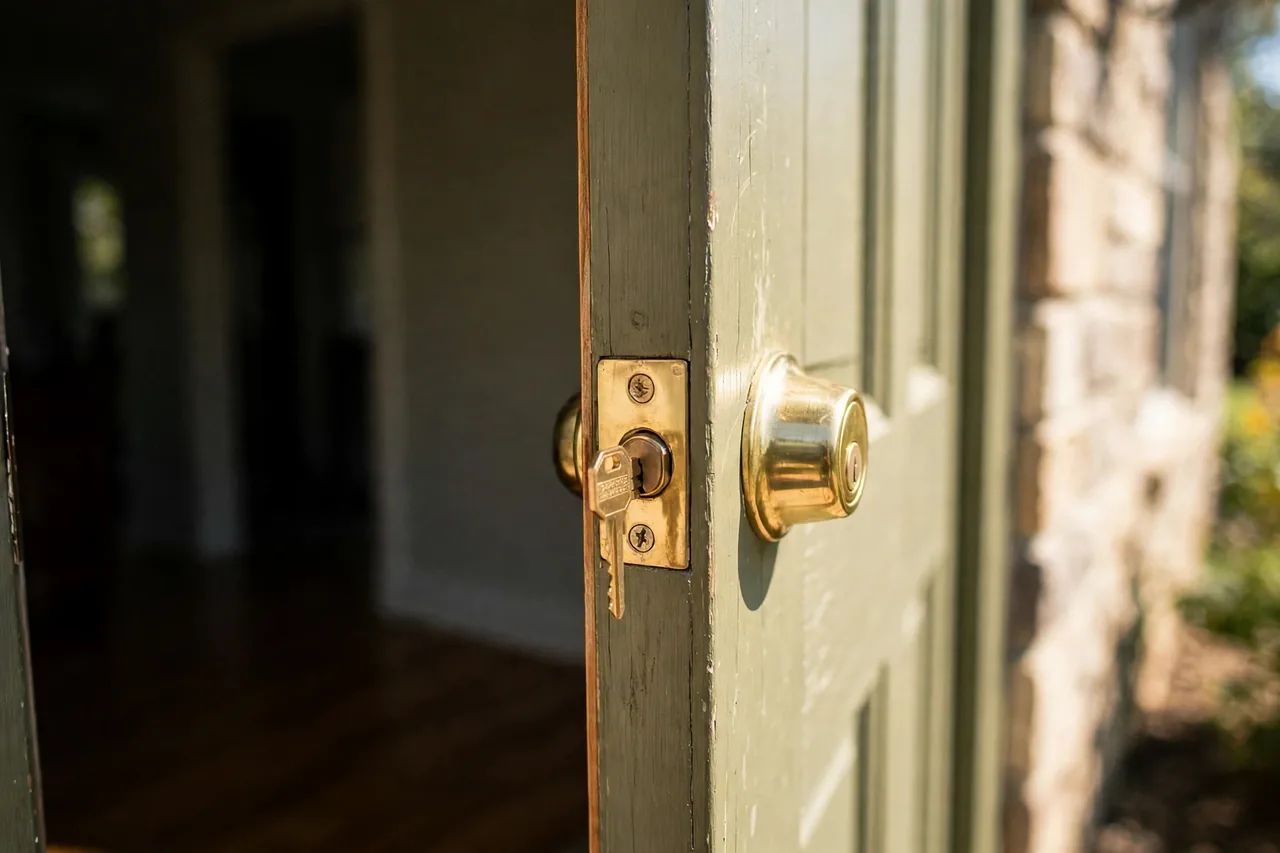
Test the rekeyed lock with the door open, five times, before you trust it. Lock and unlock with the new key, from both sides, and confirm the bolt throws fully and the knob turns smoothly. Then test the old key: it must not turn at all. If the old key turns even a little, a pin is wrong — take the plug out and re-check the chart. If the new key binds or needs a jiggle, a pin sits a fraction high, or the plug went back in with a top pin dropped.
Once every lock passes, key them alike if you want one-key convenience: rekey each lock to the same new key, one at a time, testing each before you move to the next. Label the new key, make two spares, and store one spare outside the house with someone you trust. If you want to upgrade the locks themselves rather than just the keys, our best door locks guide and our high-security locks guide cover the options, and our better locks guide shows the full upgrade path. A rekeyed lock is only as good as the door it sits in, and the strike plate is the next thing to check.
Related Guides
To choose the right lock to rekey, read our best lock types for home guide and our door locks security guide. For deadbolts, see our deadbolt door lock guide and our single-cylinder deadbolt guide. For smart options, read our best smart lock for the front door guide and our best door locks with keypad guide, and for the code on a keypad lock, our keypad code change guide. To harden the door itself, see our strike plate guide and our strike plate installation guide.
Frequently Asked Questions
Can you rekey a lock yourself?
Yes. A Kwikset SmartKey lock rekeys in about two minutes with the SmartKey tool and no disassembly. A standard pin tumbler lock rekeys with a brand-specific kit costing $10 to $25, in 30 to 60 minutes the first time. You need the working key for either method.
How much does it cost to rekey a lock?
A DIY rekeying kit costs $10 to $25 and covers up to six locks of the same brand. A locksmith charges $50 to $130 per lock on site, plus a trip fee, or $15 to $30 per cylinder if you bring the removed lock to the shop. A whole home runs $200 to $500 by a locksmith.
Can you rekey a lock without the original key?
Not by any easy DIY method. The original key is what lets you turn the plug and remove it, so without it the cylinder cannot be disassembled by hand. Call a locksmith, who can pick, decode, or reset the cylinder — or rekey it in the shop for less.
Is it cheaper to rekey a lock or replace it?
Rekeying is always cheaper. A rekeying kit costs around $25, while replacing the entire lock costs far more, and a locksmith rekey runs $50 to $130 per lock against a full replacement plus installation. Rekey when the hardware is sound; replace when it is worn or weak.
Can I rekey a lock to match an existing key?
Yes, when the locks share a keyway. A locksmith can key all your doors to one key, and a DIY kit can do the same for locks of one brand. Kwikset’s SC1 SmartKey takes a Schlage keyway, which lets a Kwikset lock match a Schlage key.
How long does it take to rekey a lock?
A Kwikset SmartKey lock takes about two minutes. A standard pin tumbler lock takes 30 to 60 minutes the first time, and about half that once you have done one. A locksmith rekeys a lock in minutes, but the trip and scheduling take longer than the job.
Start by checking the face of your lock for the SmartKey hole. If it is there, you are two minutes from a new key — order the new key, find the SmartKey tool, and follow the nine steps with the door open. If it is not, buy the kit that matches your lock’s brand, clear a table, and take the pins slowly. Then read our best lock types for home guide to decide whether the lock you just rekeyed is the lock you want to keep.