When your furnace is not working, start with the thermostat, the furnace power switch, the circuit breaker, the air filter, and the vents. These five checks take about ten minutes, cost nothing, and fix a large share of no-heat calls. If your heat is not working after those checks, read the furnace error code, try one safe reset, and then call a licensed HVAC technician.
A furnace that will not turn on feels like an emergency, especially on a cold night. Take a breath first. Most furnaces stop for a simple reason, and many of those reasons sit outside the furnace itself. This guide walks you through the checks in order, safest and cheapest first, so you fix what you can and stop exactly where a pro should take over.
Start Here: Match What Your Furnace Is Doing
Your furnace already tells you where the problem sits. Match what you see and hear to a row in this table, then jump to the check it points to.
| What you see or hear | Likely cause | Check first |
|---|---|---|
| Nothing at all, no sound | Thermostat or power | Checks 1 and 2 |
| Clicks, then nothing | Ignition or lockout | Checks 5 and 6 |
| Blower runs, air is cold | Fan setting or ignition | Fan set to Auto, then Check 5 |
| Starts, then stops, over and over | Airflow or overheating | Checks 3 and 4 |
| Gas smell or CO alarm | Gas leak or CO danger | Leave now, call for help |
Work the checks in order, even if you feel sure you know the cause. A thermostat set to Cool looks exactly like a dead furnace, and a tripped breaker looks exactly like a broken blower. Skip a step and you can pay for a repair you never needed.
Stop Right Now If You See These Warning Signs
Some furnace problems are not troubleshooting problems. Stop, leave the house, and call for help if any of these apply.
- You smell gas, often described as rotten eggs or sulfur. Leave the house first, then call your gas company or 911 from outside. Do not flip switches, use a phone, or light anything while you are inside.
- Your carbon monoxide alarm sounds. Get everyone out to fresh air and call 911. Carbon monoxide has no color and no smell, so never rely on smell to judge whether you are safe.
- You see soot around the furnace, a burner flame that burns yellow instead of steady blue, or scorch marks on the unit. Turn the furnace off and call a technician.
- You hear a loud boom when the furnace tries to light, or you see water pooling near electrical parts. Turn the system off at a safe, dry switch and call for service.
The U.S. Environmental Protection Agency notes that carbon monoxide alarms are a backup, not a replacement for proper installation, use, and maintenance of fuel-burning appliances, and it advises choosing an alarm certified to the current UL 2034 standard. The U.S. Consumer Product Safety Commission recommends a CO alarm on every level of your home and outside sleeping areas, and a professional inspection of your heating system every year.
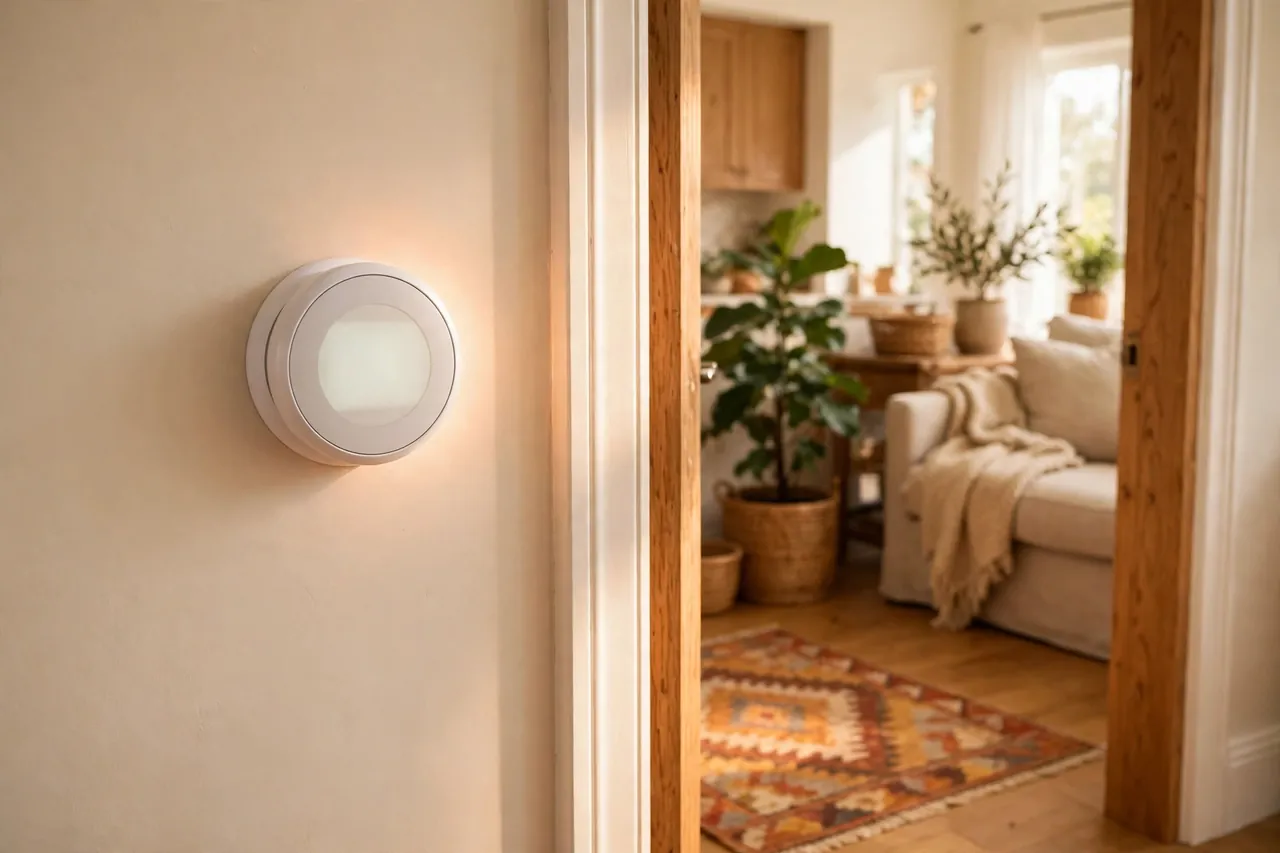
Check 1: Your Thermostat Settings
The thermostat causes more no-heat calls than any part inside the furnace. It is also the fastest thing to check, so start here even when the problem feels bigger.
First, confirm the thermostat is set to Heat, not Cool or Off. Then raise the set temperature at least 3 to 5 degrees above the current room temperature, so the thermostat clearly calls for heat. Next, set the fan to Auto, not On. With the fan set to On, the blower runs all the time and pushes room-temperature air through your vents, which feels exactly like a furnace that will not heat.
Now look at the screen. If it is blank, dim, or flashing a low-battery warning, replace the batteries. Most battery thermostats use AA or AAA batteries, and a dead pair can silence the whole system. If you use a smart or programmable thermostat, check for a schedule, hold, vacation mode, or automation that holds the temperature down. A schedule you set in October can quietly override you in January.
Wait two or three minutes after you change a setting. A furnace does not blow warm air the second you raise the temperature. It must confirm ignition and warm the air inside the unit before the blower starts, and many controls add a short delay on purpose.
If the thermostat screen stays blank after fresh batteries, or the thermostat shows an error you cannot clear, the thermostat itself may be the fault. Our guide to a thermostat not working walks through the full symptom-first diagnosis. If your home heats with a heat pump, read the thermostat heat pump guide instead, because heat pump thermostats add settings like emergency heat that change the checks. And if your thermostat loses power or shows a blank screen after a change, a missing C wire is a common cause, which our guide to what a common wire in a thermostat is explains in plain terms.
Check 2: Power — the Furnace Switch and the Breaker
Even a gas furnace needs electricity. The control board, the ignitor, the inducer fan, and the blower all run on power, so a furnace with no power does nothing at all.
Look for the furnace service switch first. It looks like a regular light switch, usually on the wall near the furnace, on the unit itself, or at the top of the basement stairs. It gets flipped off by accident more often than you would think, especially in finished basements and utility rooms where someone brushes past it. Make sure it is on.
Next, check your electrical panel for a tripped furnace breaker. A tripped breaker may sit halfway between On and Off rather than fully off. Reset it once by pushing it firmly to Off, then back to On. If the breaker trips again right away, leave it off and call a technician or electrician. A breaker that trips twice points to an electrical fault, and resetting it again and again can damage the equipment or start a fire.
Also check whether other things in the house lost power. If the whole house is dark, the furnace is not the problem, and your utility or a power outage is. If only the furnace circuit is dead, the switch and breaker checks above cover the most common causes.
Check 3: The Air Filter
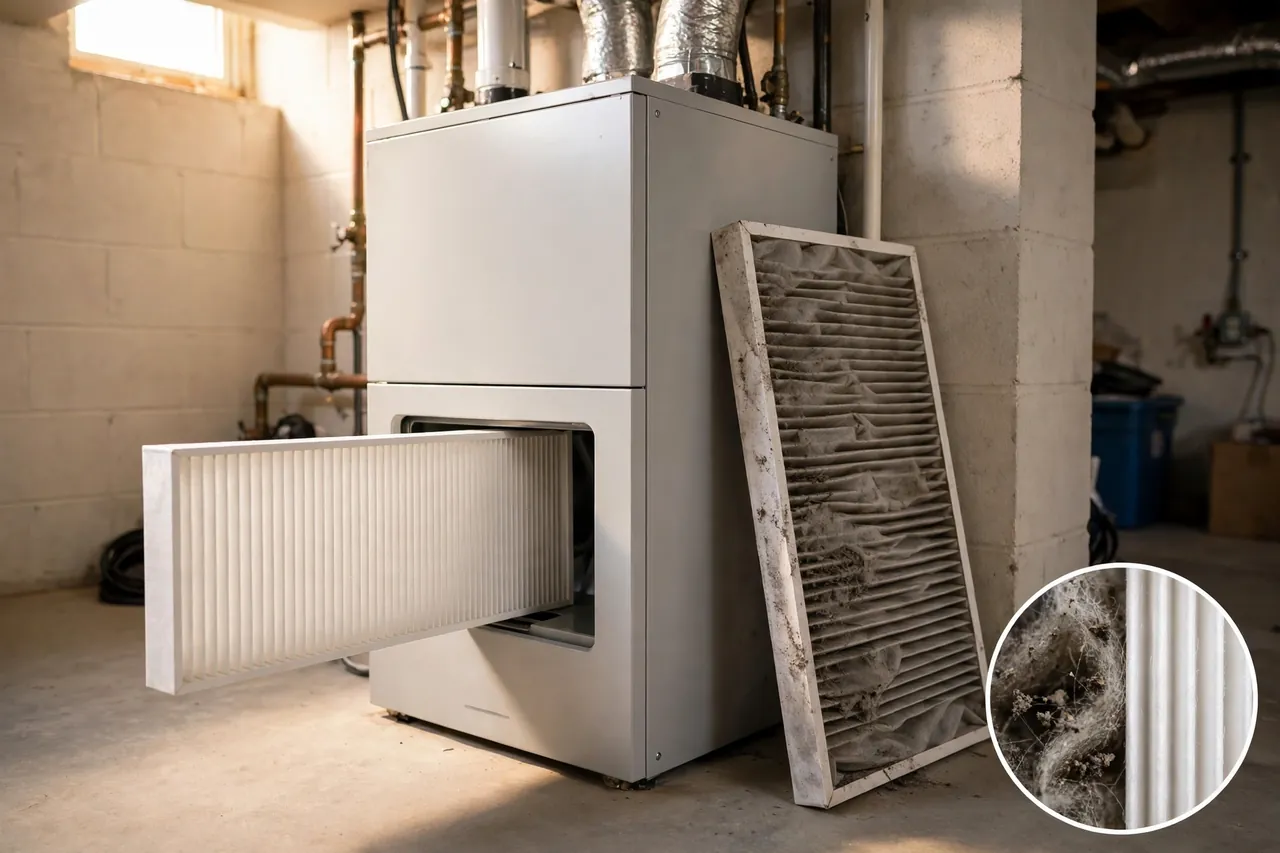
A clogged air filter is the most common airflow problem in a home, and it can shut a furnace down completely. When the filter chokes airflow, the furnace overheats, the high-limit safety switch cuts the burners off, and the furnace may run in short bursts or stop heating altogether.
Pull the filter out and hold it up to a light. If you cannot see light through it, replace it. Use the exact size printed on the old filter frame, and point the airflow arrow toward the furnace. Do not run the furnace without a filter while you wait for a new one, because dust then settles straight onto the parts the filter protects.
The U.S. Department of Energy’s building science guidance warns that a dirty or clogged filter can dramatically reduce airflow, increase furnace run time, and wear out the blower motor, and it advises replacing or cleaning filters frequently. ENERGY STAR likewise recommends checking the filter monthly during the heating season and replacing or cleaning it when it is dirty.
After you fit a clean filter, give the furnace a few minutes and listen for a normal cycle. If the furnace still starts and stops every few minutes, the filter was only part of the story, and a technician should check the blower and the limit switch.
Check 4: Vents, Registers, and the Furnace Door
Airflow trouble does not always start at the filter. Closed or blocked vents starve the furnace the same way, so walk the house and open the supply registers and return grilles. Move furniture, rugs, and curtains away from them, and keep the large majority of registers open. Closing many vents does not push more heat into the other rooms. It cuts airflow and can trip the same overheating shutdown a dirty filter causes.
Then check the furnace door itself. Many furnaces have a door safety switch that cuts power when the blower compartment panel is loose or off. If you changed the filter recently or a service visit disturbed a panel, press the panel firmly into place until it sits flat. Never tape the switch down, hold it in by hand, or bypass it. It exists to keep the blower from running with the panel open.
While you are there, look for water around the base of the furnace. A high-efficiency furnace makes water as it runs, and a clogged drain or a full condensate pan can trip a float switch that stops the whole system. If you see standing water near electrical parts, do not touch it. Turn the system off at a dry, safe switch and call for service.
Check 5: Gas Supply and the Pilot Light or Ignitor
If the thermostat calls for heat, the furnace has power, and the filter is clean, yet nothing lights, the problem sits on the fuel or ignition side. This is where homeowner checks end and careful judgment begins.
For a gas furnace, confirm the gas shutoff valve at the unit is open. The handle should run in line with the pipe when the valve is open. Then check another gas appliance, such as your stove. If the stove also has no gas, the supply itself is off, and your gas company is the right call, not a furnace repair.
Older furnaces use a standing pilot light, a small flame that stays lit all the time. If it has gone out, relight it only if you do not smell gas and only by following the instructions printed on the furnace itself, step by step. If the pilot will not stay lit, stop there. A pilot that keeps going out points to a faulty thermocouple or gas valve, and both belong to a technician.
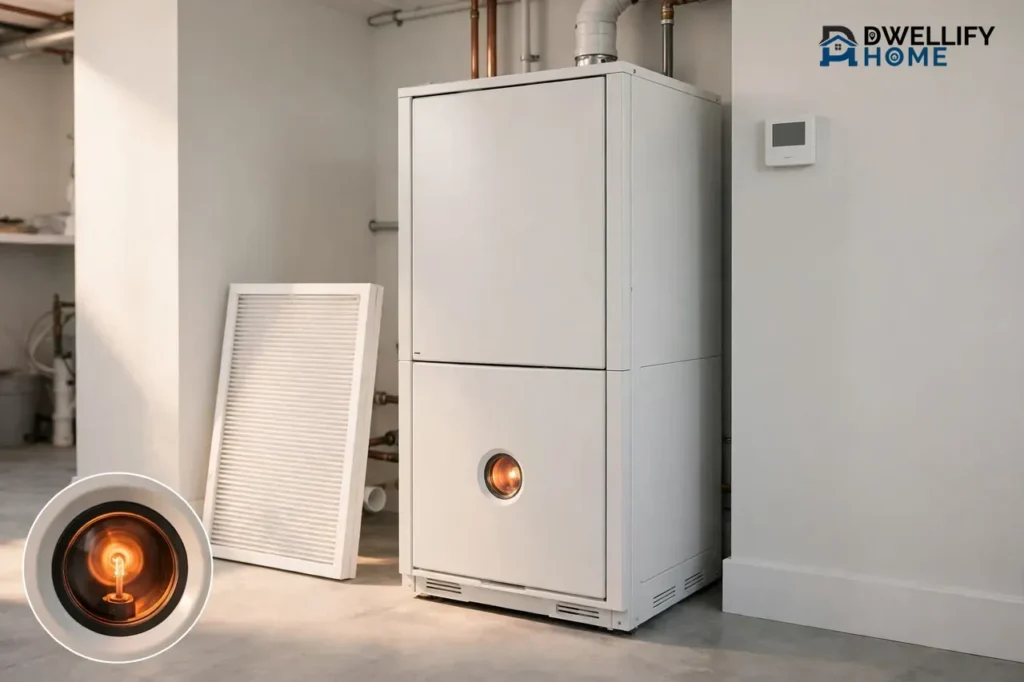
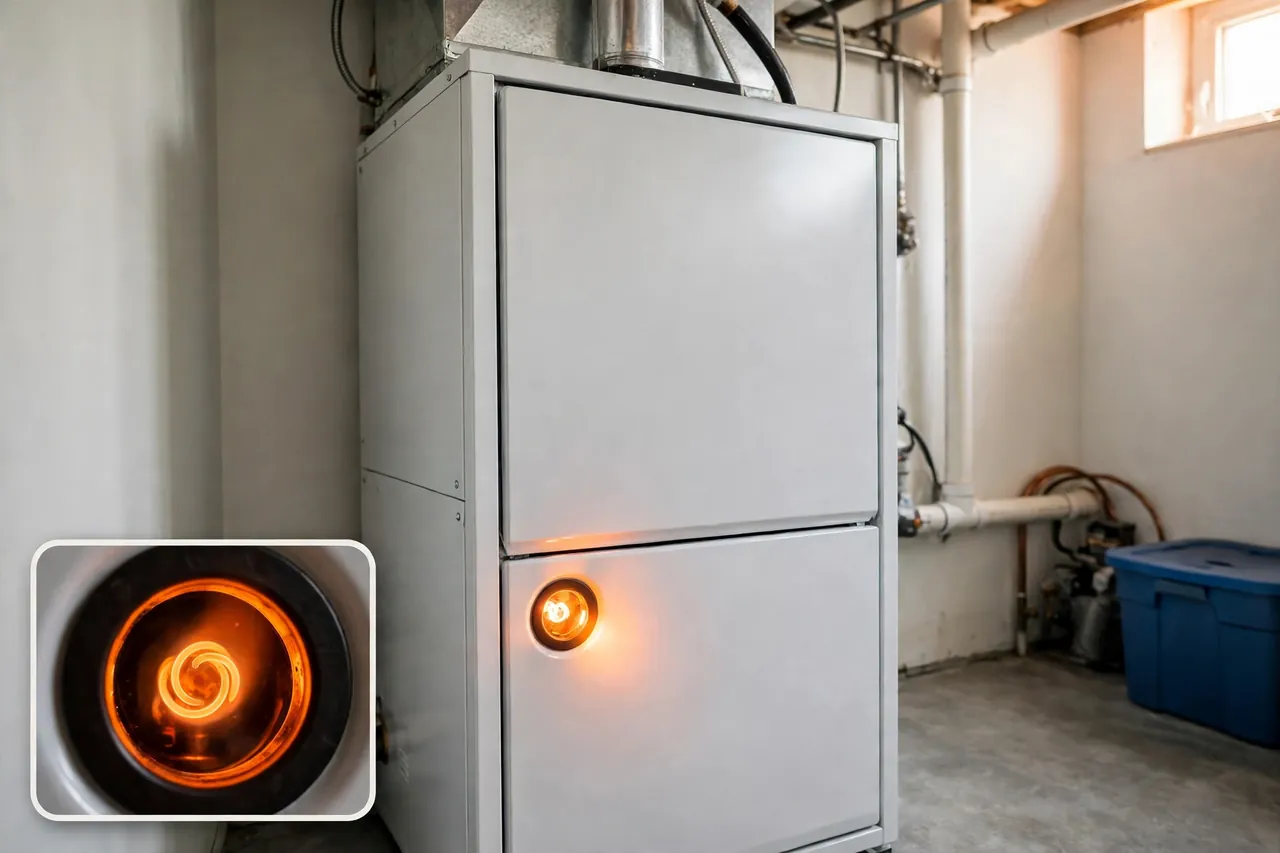
Most modern furnaces have no pilot light. They use a hot surface ignitor, a part that glows orange to light the burners, or a spark ignitor. When you call for heat, watch through the small sight glass if your furnace has one. A normal start runs in order: the small inducer fan starts, the ignitor glows or sparks, the burners light, and then the blower starts. If the ignitor glows but the burners never catch, or the burners light and die within seconds, the fault is inside the burner compartment.
Do not open the burner compartment, touch the ignitor, clean the flame sensor, or press any reset button on the burner box yourself. The ignitor is fragile and breaks easily, the flame sensor sits inside the combustion area, and the small button on the burner box is a flame rollout switch that trips when flames escape where they should not. Pressing it or bypassing it can hide a dangerous combustion problem. A licensed technician has the meters and the training to test the ignition sequence safely.
Check 6: Blocked Vents, Drains, and Error Codes
High-efficiency furnaces vent through white PVC pipes that run outside, and they need a clear path to breathe. From ground level, look at the intake and exhaust pipes outside your home. Snow, ice, leaves, or a bird’s nest can block them, and a blocked pipe trips the pressure switch, which refuses to let the furnace light. Clear snow and leaves away from the pipe openings only if you can do it safely from the ground. Never climb, reach into a pipe, or chip ice off a vent.
Next, read the error code before you reset anything. Most modern furnaces have a small LED on the control board, visible through a window in the lower door. Count the blinks, then match the count to the legend printed on the inside of the furnace door. Write the code down. A reset clears it, and the code is the most useful clue you can hand a technician.
Common codes point to a pressure switch problem, a flame failure, a limit trip, or an ignition lockout. The code does not tell you to replace a part. It tells the technician where to start testing, which is why you record it first and reset second.
How to Reset Your Furnace Safely
A reset clears a temporary lockout, for example after a power flicker or several failed ignition attempts. It fixes nothing by itself. If the fault that stopped the furnace is still there, the furnace will lock out again, and that is your signal to stop.
Reset only if there is no gas smell, no carbon monoxide alarm, no smoke, no water near electrical parts, and no breaker that keeps tripping. Check your owner’s manual first, because it overrides any general guide.
- Set the thermostat to Off.
- Count the blinking error code through the sight glass and write it down.
- Turn the furnace service switch off, or turn the furnace breaker off. Do not remove any panels.
- Wait 30 seconds.
- Turn the power back on, set the thermostat to Heat, and raise the temperature a few degrees above room temperature.
- Watch for one complete start. Listen for the inducer fan, the ignitor, the burners, and then the blower.
Do this once. If the furnace locks out again, the breaker trips again, or the furnace lights and shuts down twice in a row, turn it off and call a licensed HVAC technician. Repeated resets can flood the heat exchanger with unburned gas, erase the error code a technician needs, and hide a real fault.
Why Your Furnace Runs but Blows Cold Air
A furnace that runs but will not heat the house is a different problem from a furnace that will not start, and it has its own short list. Work through it before you call, because the first item fixes it more often than any repair.
Check the fan setting first. With the fan set to On, the blower runs even when the burners are off, so it pushes cool room air through your vents. Switch the fan to Auto so the blower runs only when there is heat to move.
Next, check the filter again. A dirty filter can make the furnace overheat, shut the burners down on the high-limit switch, and keep the blower running to cool things off, so you feel cold air at the vents. A fresh filter often fixes this pattern on its own.
If the burners light and then die within a few seconds, the flame sensor may not confirm the flame, and the control board shuts the gas off as a safety step. That cleaning and testing job belongs to a technician, not to a homeowner with a generic video. The same goes for leaky or disconnected ductwork, which can lose heated air in the attic before it ever reaches your rooms.
One more honest check: give the system time. On a very cold morning, a furnace can run for a long while before the house feels warm, especially if the house cooled down overnight. If the air at the vents is genuinely warm and the temperature climbs slowly, the furnace is working, and the house simply needs time.
When the Furnace Keeps Starting and Stopping
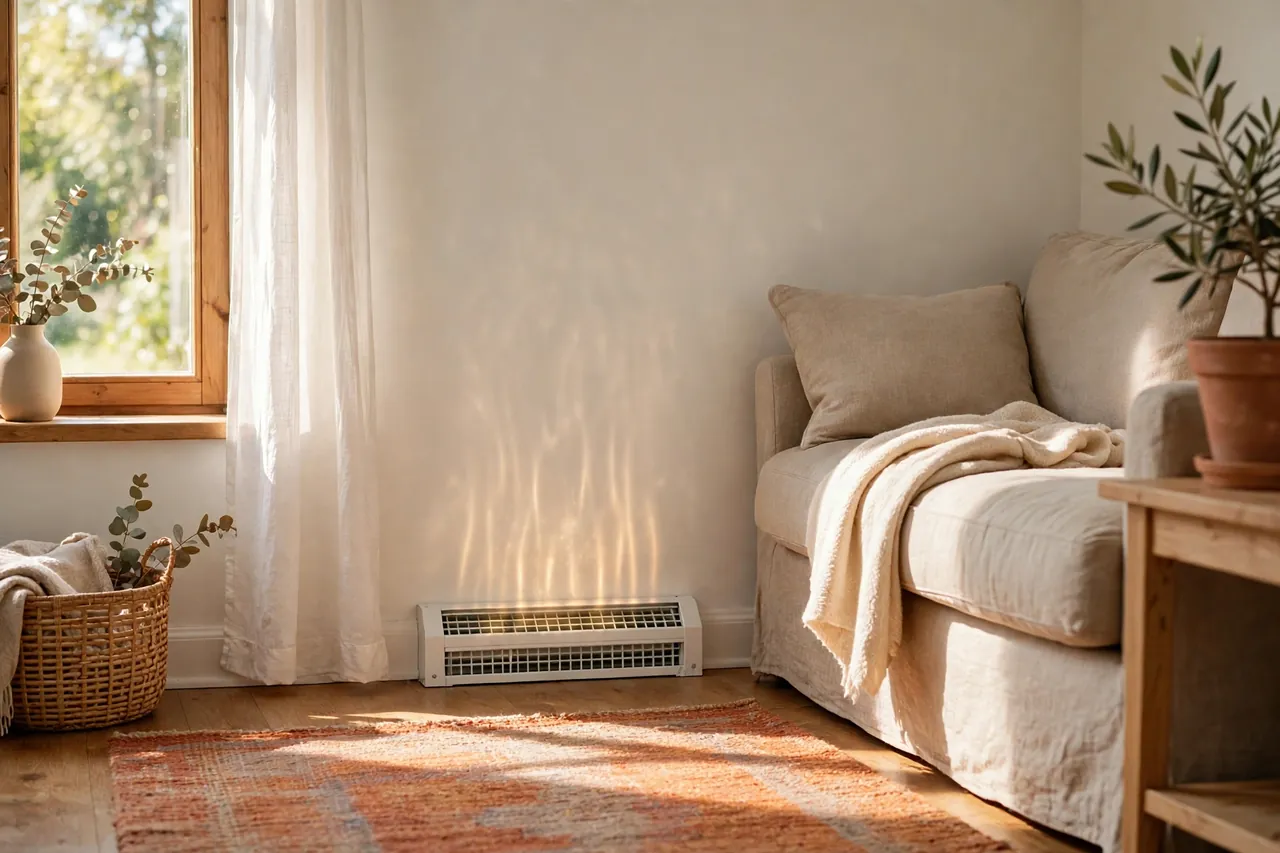
A furnace that starts, runs for a few minutes, shuts off, and repeats is short cycling. It wastes energy, wears parts out, and never warms the house properly.
Start with the two airflow checks: a clean filter and open vents. Short cycling from overheating almost always traces back to restricted airflow, and those two fixes cost nothing. Also check that the thermostat sits on an inside wall away from drafts, direct sun, and heat sources. A thermostat that reads a warm draft will shut the furnace off early, then call for heat again minutes later.
If the filter is clean, the vents are open, and the furnace still short cycles, stop troubleshooting. The remaining causes, a failing flame sensor, a pressure switch fault, a bad control board, or a furnace that is too large for the house, all need testing equipment and a trained eye. Note how long each cycle lasts and how often it repeats, because a technician will ask.
When to Call a Licensed HVAC Technician
Call a pro when the safe checks do not bring the heat back, and call sooner when any of these apply.
- The breaker trips a second time, or the furnace locks out again after one reset.
- The burners light and die, the ignitor glows but nothing lights, or the furnace makes a grinding, rattling, or humming sound with no airflow.
- You see soot, smell burning wiring, or notice a yellow or flickering burner flame.
- Water sits around the furnace, the condensate drain is clogged, or the furnace is in a flooded area.
- The furnace is over 15 years old and breaks down every winter, or the repair cost keeps climbing.
Before the technician arrives, write down the furnace brand, model, and serial number, the error code you recorded, what the furnace does after a call for heat, and when you last changed the filter. A precise description shortens the diagnosis, and the error code can save a return visit.
If the house has no heat at all and the wait for a repair runs into a cold night, our guide to how to stay warm without power covers safe ways to keep the house livable while you wait. Never heat your home with a gas oven, a charcoal grill, or an unvented fuel-burning heater indoors.
Repair or Replace? A Quick Decision Guide
Once a technician names the fault, the next question is whether the furnace is worth fixing. Age, repair history, and safety decide it, not the price of one part.
| Your situation | Usually the smarter call |
|---|---|
| Under 15 years, first breakdown | Repair it |
| Under 15 years, small cheap part | Repair it |
| Over 15 years, major part fails | Price a replacement |
| Breaks down every winter | Price a replacement |
| Cracked heat exchanger | Replace it, do not run it |
Most furnaces last 15 to 20 years, and ENERGY STAR suggests considering replacement once a system passes 15. A useful rule technicians lean on: if the repair cost multiplied by the age of the unit is more than the price of a new system, replacement is the smarter money. A cracked heat exchanger overrides every other factor. It can leak carbon monoxide into your home’s air, so a furnace with a cracked heat exchanger should not run again until a pro inspects it, and on an older unit that usually means replacement.
If replacement is on the table, read our guides to how to choose a heating and air conditioning system, how to buy a new HVAC system, and gas furnace replacement cost before you sign anything. They cover sizing, efficiency, and the questions worth asking a contractor.
Keep Your Furnace From Failing Again
Almost every problem in this guide is cheaper to prevent than to fix on the coldest night of the year. A short routine before winter does most of the work.
- Change or check the filter every month during the heating season, and keep a spare filter of the right size on hand.
- Book a professional tune-up in the fall, before heavy use begins. The visit catches a dirty flame sensor, a worn ignitor, and a clogged drain while they are still small.
- Keep the area around the furnace clear, and keep the outdoor intake and exhaust pipes free of snow, leaves, and nests.
- Test your carbon monoxide alarms monthly and replace them at the end of life printed on the unit.
- Set the thermostat to 68 degrees Fahrenheit while you are awake and lower while you sleep. The U.S. Department of Energy notes that you can save about 1 percent on heating bills for each degree you set back over an eight-hour period, and that a regular maintenance schedule can cut heating and cooling costs by 5 to 10 percent while prolonging the life of the equipment.
Keep your owner’s manual with the furnace, and keep the model and serial number written on the inside of the furnace door or in your phone. The next time your heat is not working, those two lines are the first thing a technician will ask for.
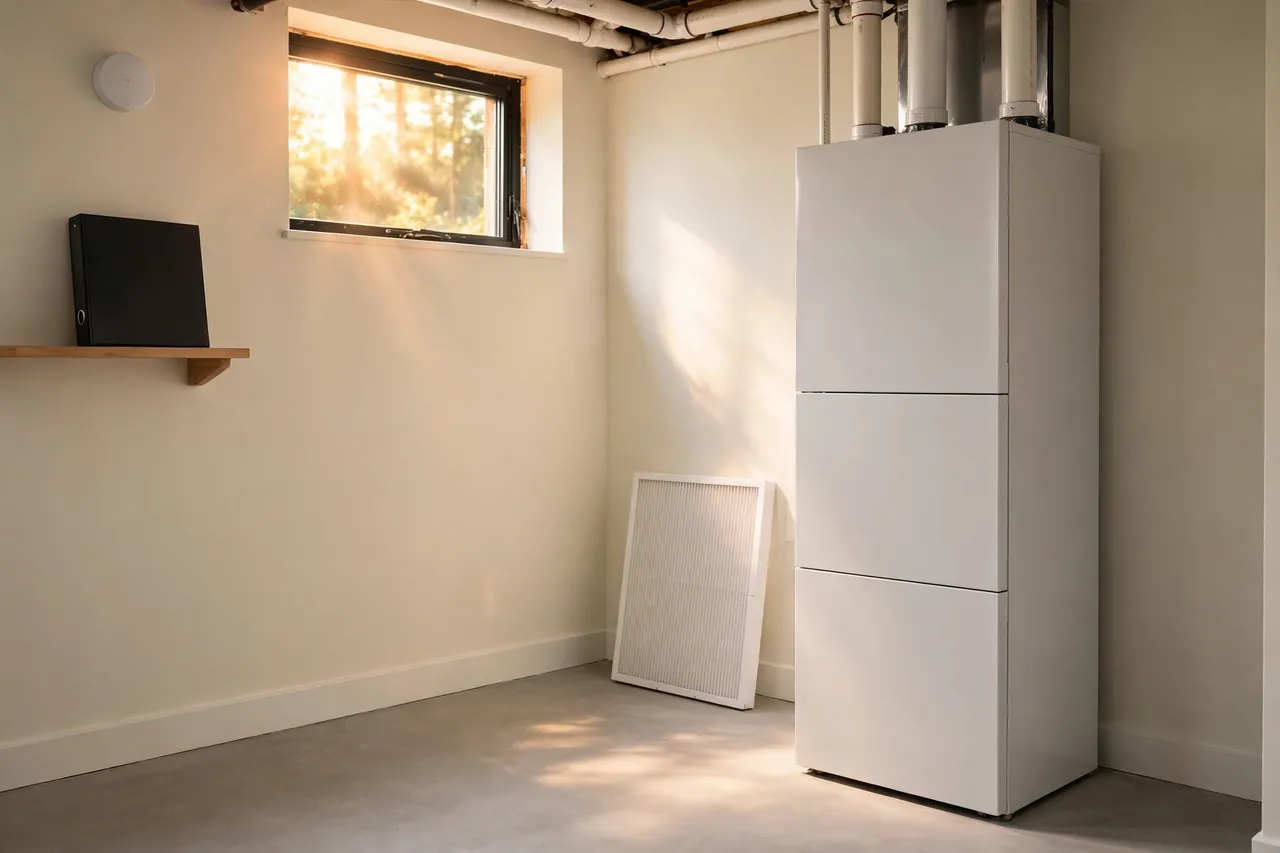
Furnace Troubleshooting Quick Reference
Use this list as your one-page recap. Work it top to bottom, and stop at the first step that brings the heat back.
- Thermostat set to Heat, fan set to Auto, temperature 3 to 5 degrees above the room, fresh batteries, no schedule holding it down.
- Furnace service switch on, breaker reset once only, furnace door panel fully closed.
- Air filter clean and the right size, supply registers and return grilles open and unblocked.
- Gas valve open, another gas appliance working, outdoor intake and exhaust pipes clear from ground level.
- Error code counted through the sight glass and written down before any reset.
- One safe reset only: switch off 30 seconds, switch on, call for heat, watch one full start.
- Still no heat, repeated lockout, repeated breaker trip, gas smell, or CO alarm: stop and call a licensed HVAC technician.
A Short Note Before You Finish
This guide covers the safe homeowner checks for a furnace that will not work: thermostat, power, filter, airflow, gas supply, vents, error codes, and one reset. It does not replace your furnace manual, which always wins when the two disagree, and it does not cover work inside the burner or electrical compartments. Homes, furnaces, and local codes vary, so when a step feels unclear or unsafe, stop and call a licensed HVAC technician. If you smell gas or your carbon monoxide alarm sounds, leave the house first and call for help from outside.
Related Guides
If the thermostat is the suspect, our thermostat not working guide runs the full symptom-first diagnosis. For a heat pump system, see the thermostat heat pump guide, and if your thermostat runs on batteries or loses power, read what a common wire in a thermostat is. Electric heat has its own checks, covered in our heat electric thermostat guide. When the problem is hot water rather than house heat, our hot water heater not working guide sorts the two apart. To understand the system behind the checks, read what forced air heating is.
Frequently Asked Questions
Why won’t my furnace turn on even though the thermostat is on?
Start with the basics: confirm the thermostat is set to Heat with fresh batteries and the temperature raised above the room, then check the breaker and the furnace power switch. If those are fine and the furnace is still dead, the cause is usually deeper, such as a tripped safety switch, an ignition failure, or a motor or control board issue, which needs a technician.
Why is my furnace running but blowing cold air?
The most common reason is the thermostat fan set to On instead of Auto, which runs the blower without heat. After that, look at a dirty filter causing an overheating shutdown, a dirty flame sensor that lets the burners light and then quit, or leaky ducts losing heat before it reaches your rooms.
How do I reset my furnace?
Turn the furnace service switch or breaker off for about 30 seconds, then turn it back on. The furnace will restart its ignition sequence. Do this only once. Many furnaces lock out after several failed ignition attempts, and repeated resets can hide a real fault. If the furnace fails again, note the error code and call for service.
Can a dirty filter stop a furnace from turning on?
Yes. Restricted airflow can make the furnace overheat and shut down on its high-limit safety switch. Replace or clean only an accessible, owner-serviceable filter with the correct size and approved type. A shutdown that continues after the filter is corrected needs professional diagnosis.
How often should a furnace be serviced?
Once a year, ideally in the fall before heavy use begins. An annual tune-up keeps the system efficient, catches small problems early, and is the single best way to avoid both mid-winter breakdowns and safety hazards like carbon monoxide.
Is it safe to run a furnace with a cracked heat exchanger?
No. A cracked heat exchanger can leak carbon monoxide into your home’s air. Shut the furnace off and have it inspected before running it again. If your carbon monoxide alarm sounds, leave the house and call the gas company or 911 first.
Work the checks in order, write the error code down, and stop where the pro starts. That is how a cold house gets warm again without a wasted service call or a risky guess.