The main types of Christmas decorations are Christmas trees and tree ornaments, wreaths and garlands, Christmas lights, stockings and mantel decor, lanterns and candles, tabletop and dining table decorations, front door and outdoor displays, and small figurines and seasonal accents. Together, they cover every part of your home, from the front yard to the dinner table.
So you do not need to buy everything at once. Pick one focal point, such as the tree or the front door, then add a few pieces that match your style, your space, and your budget. This guide maps the whole topic so you can choose with confidence and skip the rest.
Types of Christmas Decorations at a Glance
Use this quick table to compare the main types before you shop or unpack your boxes. It shows where each type goes, which style it fits best, and how much work it usually takes.
Christmas decoration types at a glance
| Type | Where You Use It | Style Fit | Effort |
|---|---|---|---|
| Tree and ornaments | Living room | Any style | Medium |
| Wreaths and garlands | Doors, mantels, stairs | Traditional, rustic | Low |
| Lights | Indoors and outdoors | Any style | Low to medium |
| Stockings and mantel decor | Fireplace wall | Cozy, traditional | Low |
| Lanterns and candles | Tables, porches | Rustic, classic | Low |
| Table decorations | Dining table | Any style | Low |
| Outdoor displays | Yard, porch, fence | Bold, festive | Medium to high |
| Figurines and accents | Shelves, windows | Playful, classic | Low |
Notice how most types work in any home. Your style and your space matter more than any rule, so let the table narrow your list, not make the decision for you.
Christmas Trees and Tree Decorations
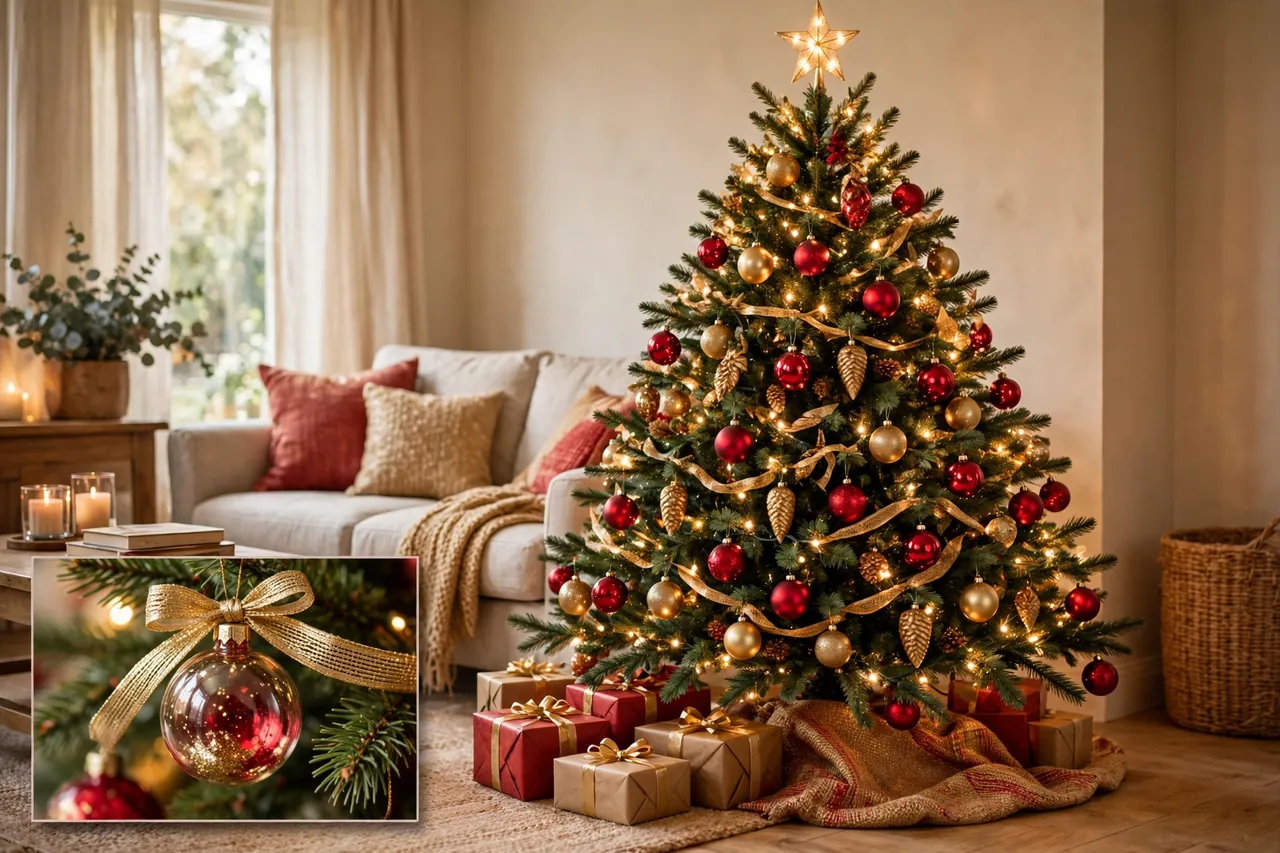
The Christmas tree is the classic centerpiece of the season. You can choose a real tree for its fresh pine scent, or an artificial tree that you reuse year after year. Slim trees suit small rooms, while wide, full trees suit open living rooms with space to walk around them.
Tree decorations include ornaments, ribbons, picks, garlands, a tree topper, and a tree skirt or collar. Ornaments range from simple glass balls to keepsake shapes, and a single color palette keeps the whole tree looking calm and pulled together. The topper, often a star or an angel, finishes the tree, and the skirt hides the stand and frames the gifts below.
Choose your tree theme before you buy ornaments. A clear theme stops impulse buys and helps every piece look like it belongs. For a full look at tree styling, read our guide to Christmas tree themes, or explore a single style in depth with white Christmas tree decorations, farmhouse Christmas tree decorations, rustic Christmas tree decorations, and wooden Christmas tree decorations.
Wreaths and Garlands
Wreaths and garlands bring greenery to the spots a tree cannot reach. A wreath hangs on the front door, above the mantel, or on a window, and it greets guests before they step inside. Garlands drape along mantels, stair rails, and door frames, and they tie separate rooms into one look.
You can buy fresh greenery for its scent, or faux greenery for easy storage and reuse. Fresh wreaths need water and cool air to last, while faux wreaths keep their shape all season with almost no care. Add lights, pinecones, or a simple bow, but keep the extras light so the greenery still shows.
Wreaths also make a lovely handmade project. If you enjoy crafting, our guide to ideas for DIY Christmas wreaths walks through styles you can make at home. A wreath suits almost any home, because it takes little space and makes a big first impression.
Christmas Lights
Christmas lights do more work than any other decoration. A single warm string can turn a plain room cozy, and a row of lights along the roofline can make a whole house glow after dark. You can wrap them around trees, railings, and garlands, or drape them across windows and walls.
Most families now choose LED lights. LEDs stay cool to the touch, use less energy than older bulbs, and last longer, which makes them a smart pick for homes with kids or pets. Warm white lights give a soft, classic glow, while multicolor lights feel playful and bold. Battery lights with timers work well in spots far from an outlet, such as shelves and centerpieces.
Match the light to the place. Indoor lights belong indoors, and outdoor lights carry a rating for rain and cold, so check the label before you hang them outside. For glowing ideas beyond the tree, see our guide to light-up Christmas decorations.
Stockings and Mantel Decor
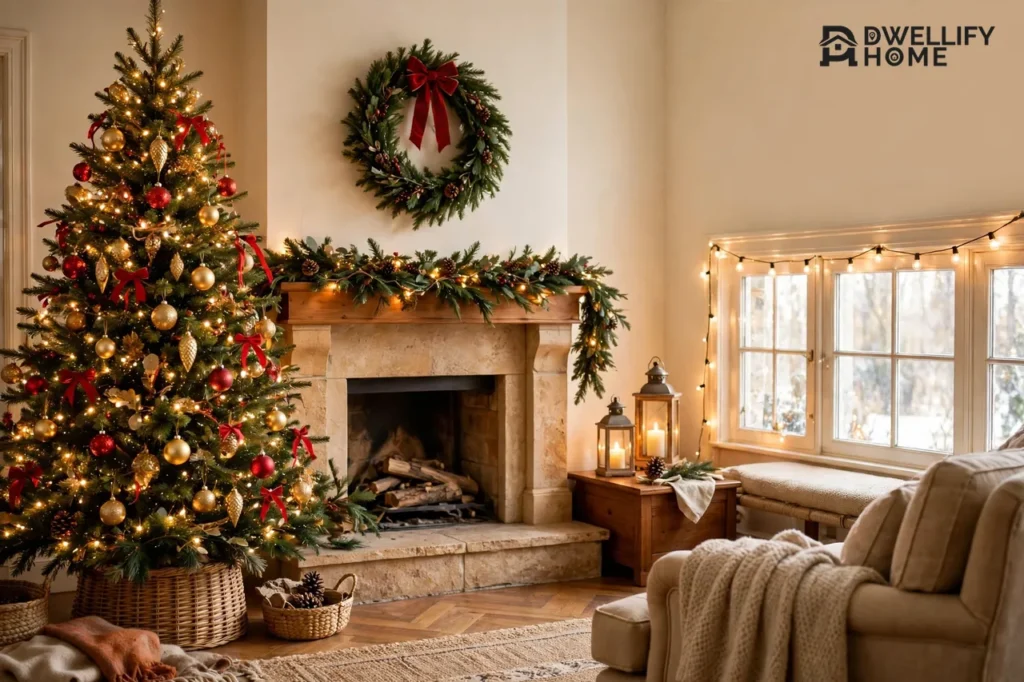
Stockings and mantel decor turn the fireplace wall into a warm gathering spot. Stockings hang from the mantel, one for each person in the home, and they hold small treats and gifts. Stocking holders keep them secure, and a garland or a row of small candles above them completes the scene.
This type suits homes with a fireplace, but you can fake the look without one. Hang stockings from a shelf, a stair rail, or a row of wall hooks, and add a small garland above them. Keep the stockings at a similar size and style so the display looks planned, not random.
Personal touches make stockings special. Add a name, a favorite color, or a small charm for each person. For fresh styling ideas, read our guide to Christmas stocking decorating ideas.
Lanterns and Candlelight
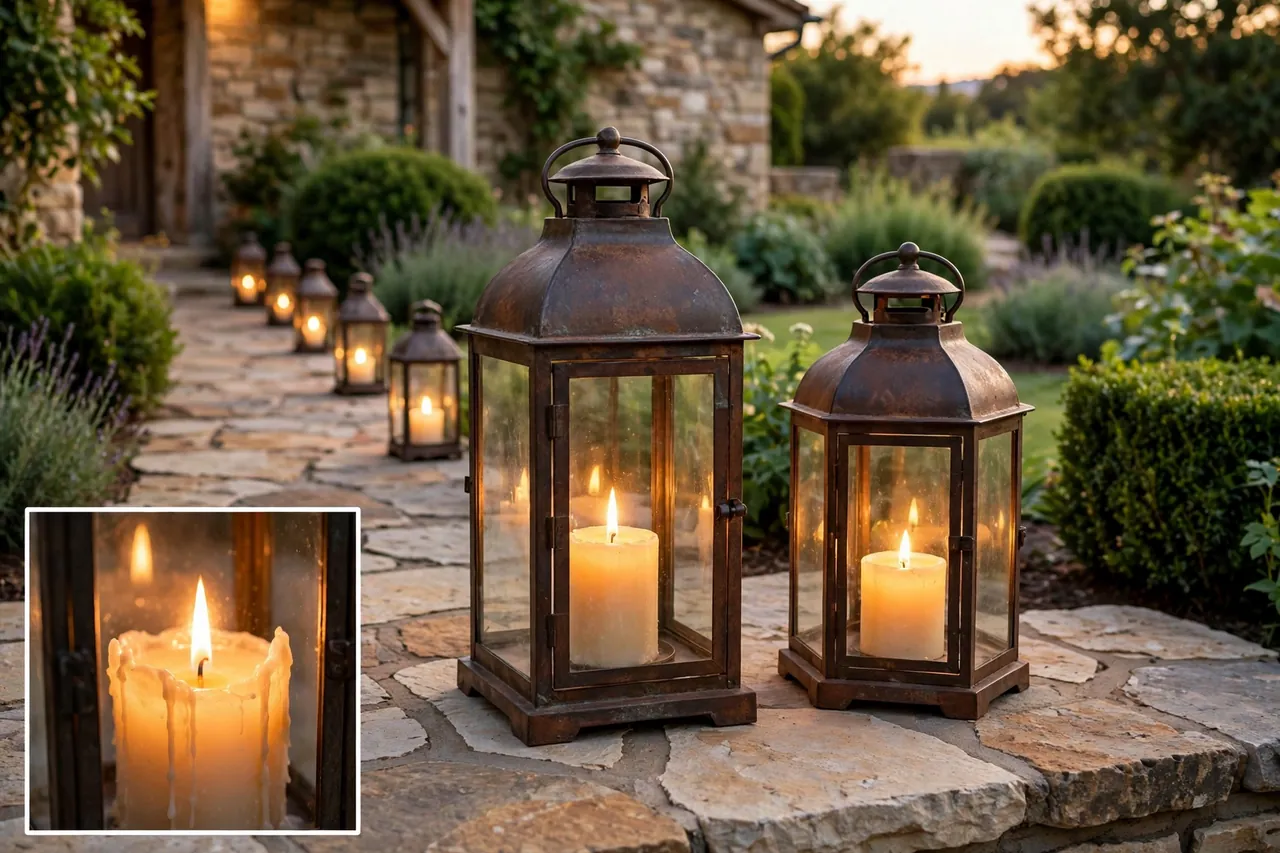
Lanterns and candles add a soft glow that string lights cannot match. A lantern on the porch welcomes guests, a pair on the dining table sets a calm mood, and a row along a walkway guides visitors after dark. They work indoors and outdoors, and they suit rustic, classic, and farmhouse styles especially well.
Flameless candles give you the same warm flicker without an open flame, so they suit homes with kids, pets, or busy evenings. Real candles need stable holders, a clear space away from curtains and greenery, and someone nearby while they burn. Never leave a lit candle alone in a room.
Choose lanterns by size and place. Big lanterns anchor a porch, while small ones suit tabletops and windowsills. For styles and placements, see our guide to Christmas lantern decorations.
Tabletop and Dining Table Decorations
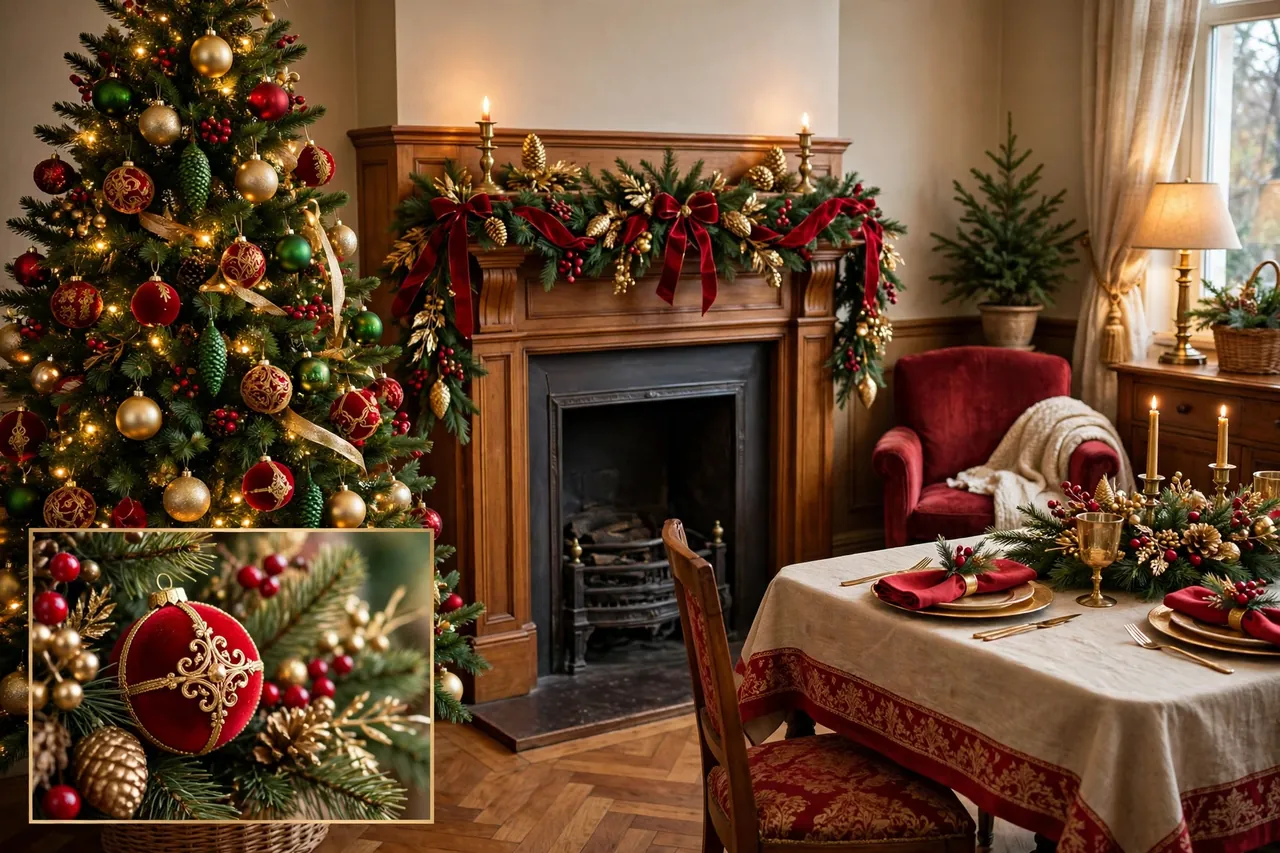
Tabletop decorations dress the places where your family eats, talks, and plays. On the dining table, a centerpiece sets the tone for the whole meal. It can be as simple as a garland runner with candles, or as full as a themed display with ornaments, greenery, and place settings.
Smaller tabletop pieces spread cheer through the rest of the home. Mini trees, snow globes, and small figurines sit on coffee tables, consoles, and windowsills without taking over the room. These pieces suit small homes well, because they bring the season to eye level without using floor space.
Keep table decorations low enough for guests to see each other across the table. Tall pieces look lovely in photos but block conversation at dinner. For full place-setting ideas, read our guide to ideas for Christmas table settings.
Front Door, Porch, and Outdoor Decorations
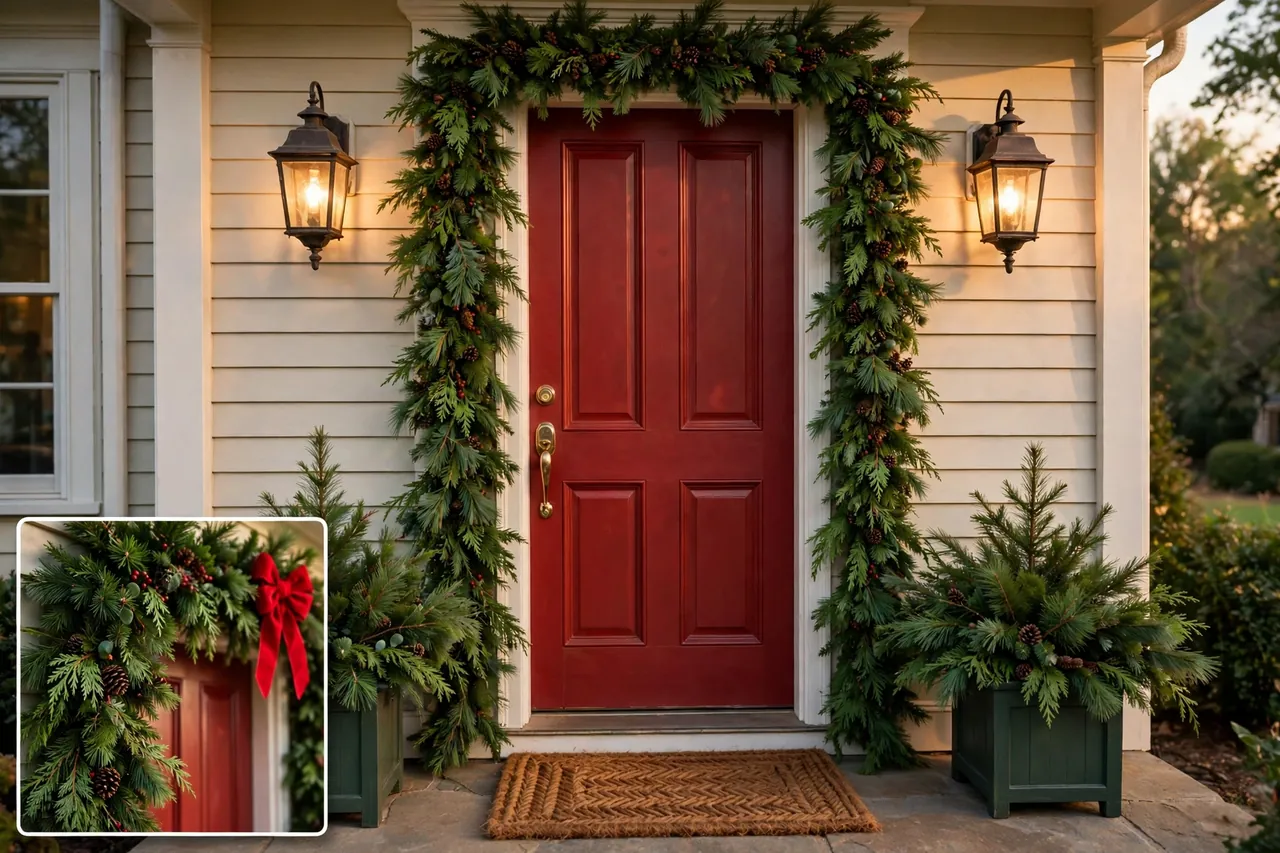
Outdoor decorations shape the first thing guests and neighbors see. The front door sets the tone with a wreath, a garland frame, or a seasonal door hanging. The porch adds the next layer with lanterns, planters, and a welcome mat, and the yard can carry larger pieces such as light displays, figures, and fence decor.
Start at the door and work outward. A strong door display often beats a scattered yard full of pieces, because it gives the eye one clear place to land. Then add porch pieces that match the door in color and style, so the whole entry reads as one design.
Small outdoor spaces still have plenty of options. Balconies suit compact trees, string lights, and a single lantern, while fences carry garlands and lights without using ground space. For deeper guides, read Christmas decorations on the front door, Christmas decor on the porch, Christmas fence decorations, balcony Christmas decorations, and large Christmas decorations.
Figurines, Villages, and Seasonal Accents
Figurines and seasonal accents add personality to shelves, windowsills, and side tables. Nutcrackers stand guard by the door, snowmen and Santa figures bring a playful touch, and small Christmas villages turn a console into a tiny winter scene. These pieces often carry family memories, so they feel personal in a way new decor cannot match.
Holiday plants count here too. Poinsettias, holly, mistletoe, and small evergreen sprigs add living color to rooms that already feel full. Traditional Christmas colors are green, red, and white, with gold and silver as common accents, according to the overview of Christmas decoration types on Wikipedia.
Use accents in small groups, not all over the house. Three pieces together on one shelf read as a display, while one piece in every corner can look cluttered. Rotate keepsakes each year so favorites still feel fresh.
How to Choose the Right Types for Your Home
Start with your home, not the store. Measure the spot for a tree, note whether you have a mantel or a porch, and count the outlets near your planned displays. A small apartment needs slim trees, wall decor, and tabletop pieces, while a larger home can carry a full tree, a mantel display, and an outdoor scene.
Next, pick one style and one color palette. Traditional red and green suits classic homes, white and silver suits a winter wonderland look, and wood tones with plaid suit farmhouse and rustic rooms. One palette across your types makes mixed pieces look planned, even when you buy them in different years.
Finally, weigh effort and storage. Faux greenery and LED lights store well and set up fast, while fresh greenery and large outdoor displays take more time each year. Choose pieces you will enjoy unpacking next December, not just admiring this one.
- Small home? Choose a slim or tabletop tree, lights, a wreath, and tabletop accents.
- Big home? Add a full tree, a mantel display, and a porch or yard scene.
- Tight budget? Start with lights, a wreath, and one focal piece, then add a type each year.
- Busy schedule? Favor faux greenery, pre-lit trees, and flameless candles.
- Kids or pets at home? Favor shatterproof ornaments, flameless candles, and sturdy, stable pieces.
Styles That Tie the Types Together
A style is simply a shared look across your decorations. Traditional style uses red, green, and gold with classic ornaments and evergreen garlands. Rustic and farmhouse styles use wood, plaid, burlap, and natural greenery for a warm, cabin feel.
Modern and minimalist styles use fewer pieces in a tight palette, such as white, silver, or gold, with clean lines and open space. A winter wonderland style leans on white, silver, and blue with snowflakes and frosted greenery. You can mix styles, but keep one palette and one mood dominant so the mix feels personal, not messy.
Retail guides group decorations the same way, from trees and ornaments to lights and outdoor displays, and they list matching ornament sets as the easiest route to a cohesive look (Balsam Hill Christmas decorations). Use that idea as a shortcut: one matching set plus a few personal pieces beats a cart full of unrelated finds.
A Quick Safety Check Before You Plug Anything In
Most decoration types are low risk, but three spots deserve care: open flames, ladders, and outdoor electrics. Check every light strand for frayed wires, cracked sockets, or loose bulbs, and throw out damaged strands instead of taping them. Use outdoor-rated lights and cords outside, and plug them into GFCI outlets that shut off if they sense moisture.
Keep real trees watered, keep trees and candles away from heaters and fireplaces, and never use lit candles on a tree. The U.S. National Park Service, citing National Fire Protection Association data, notes that holiday decorations other than trees cause about 790 home fires a year in the United States, and it advises linking no more than three mini-light strands together (NPS holiday decorating safety guide). Turn lights off before bed or when you leave the house, and keep exits clear of trees and large displays.
For ladders, work with a helper, keep three points of contact, and never lean past the sides to reach a roofline. If a display needs roof work or new outdoor wiring, hire a qualified professional instead of stretching for it.
Start Small, Then Build Your Collection
The happiest decorated homes rarely start with a full set. They start with one tree, one wreath, or one string of lights, and they grow a little each year as tastes settle and storage fills. Each new piece earns its place by matching your style and fitting a real spot in your home.
Walk your home once with this guide in mind. Note the door, the mantel or shelf, the dining table, and one outdoor spot, then pick one type for each place you truly want to dress. That short list becomes your shopping list, and it keeps the season joyful instead of overwhelming.
Related Guides
How to Make a Christmas Ribbon Tree · Christmas Candelabra: Styles, Styling Ideas, and Safe Candlelight for Your Home · Outdoor Christmas Displays: Lights, Figures, Scenes, and a Layout That Wows
- Christmas tree themes
- White Christmas tree decorations
- Ideas for DIY Christmas wreaths
- Light-up Christmas decorations
- Christmas decor on the porch
- Ideas for Christmas table settings
Frequently Asked Questions
What are the most popular types of Christmas decorations?
The most popular types are Christmas trees, wreaths, garlands, ornaments, and lights, plus stockings, tree toppers, and candles and figurines. These pieces appear in most decorated homes because they cover the tree, the door, the mantel, and the table with a few simple choices.
Can I mix different styles of Christmas decorations?
Yes, you can mix styles, and the mix often looks more personal than a single matched set. Keep one color palette and one mood dominant, such as warm traditional or calm winter white, so varied pieces still read as one planned display rather than a random collection.
What types of Christmas decorations work best in a small home?
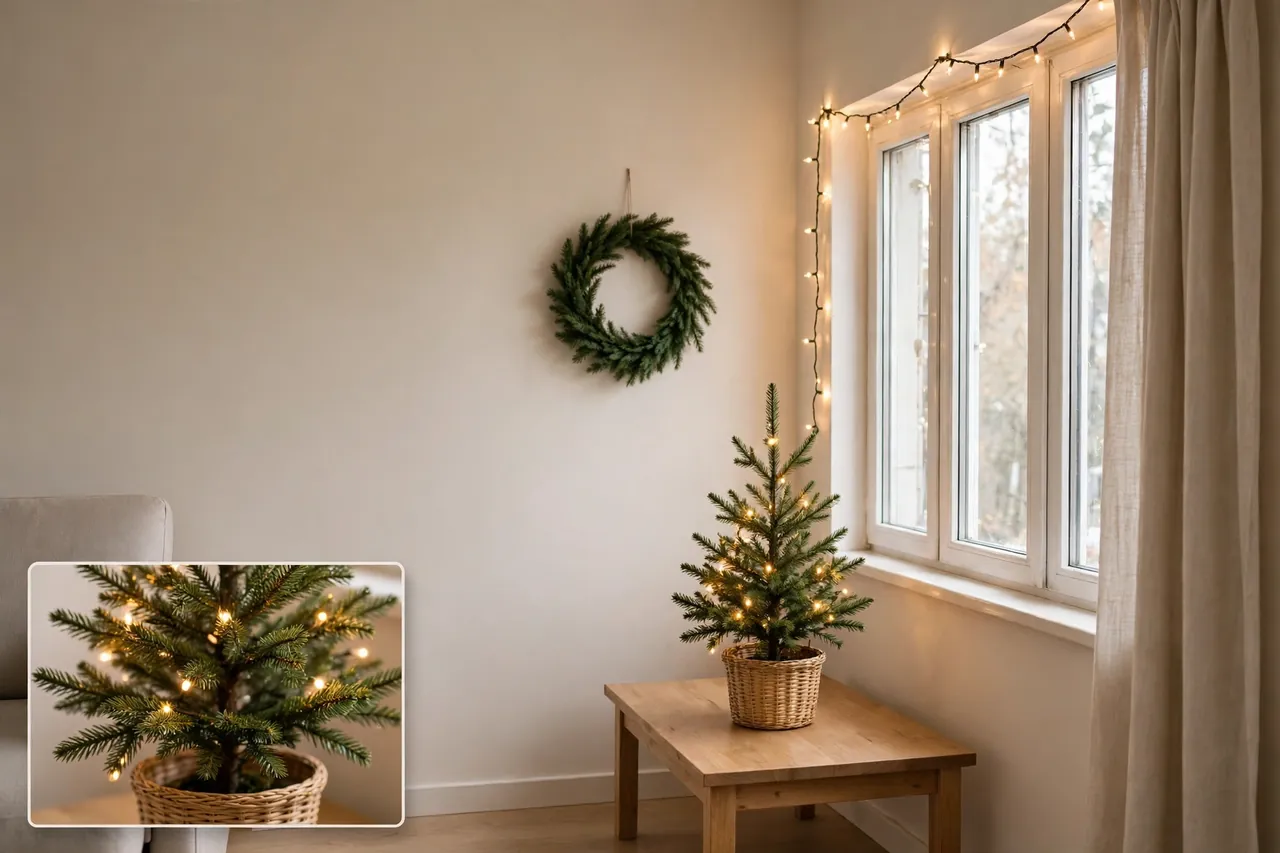
Slim or tabletop trees, wreaths, garlands on walls and door frames, string lights, and small tabletop accents work best in a small home. They use vertical space and eye-level surfaces instead of floor space, so rooms feel festive without feeling crowded.
What should I consider when buying decorations for a small space?
Measure each spot first, then weigh scale, storage, and safety before you buy. Choose pieces that fold flat, nest, or disassemble, favor LED lights with timers, pick shatterproof ornaments if kids or pets share the home, and skip pieces that block walkways or doors.
How do I choose a Christmas decoration style?
Match the style to your home and your taste: traditional red and green for classic rooms, wood and plaid for farmhouse warmth, or white and silver for a modern winter look. Pick one palette, test it on the tree first, and carry the same colors to the door and table.
Your next step is simple: pick your focal point, choose one style and palette, and buy or unpack just those pieces this week. Then add one new type each season, and your home will grow into a display that feels truly yours.